Go-kart performance depends on several connected components, including the engine, chassis, steering system, brakes, and tires. Among these parts, tires have a direct influence on how a kart interacts with the track. Their construction affects grip, cornering response, acceleration, and the driver's ability to control the vehicle.
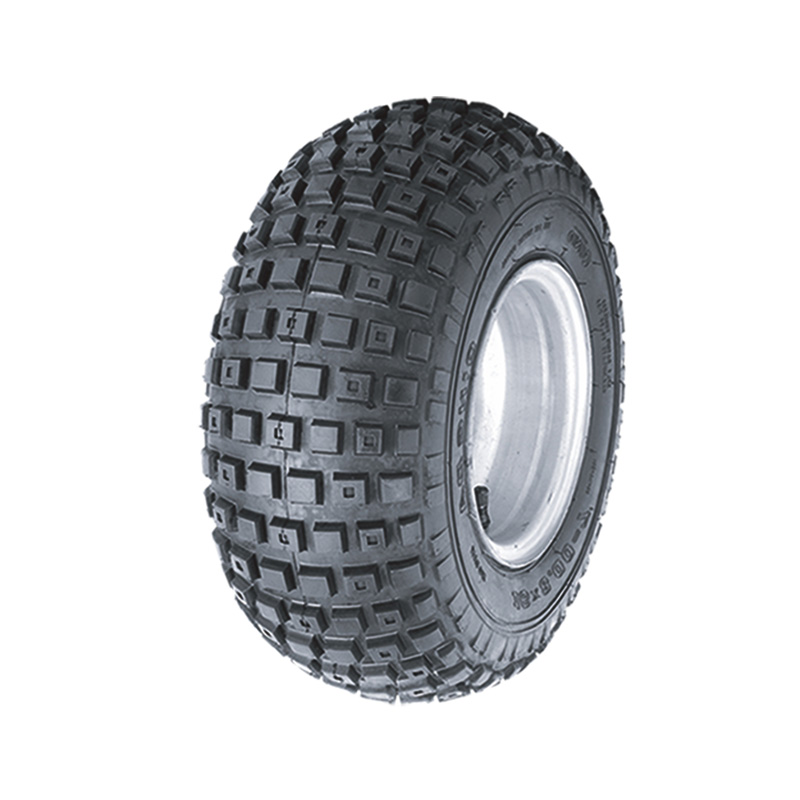
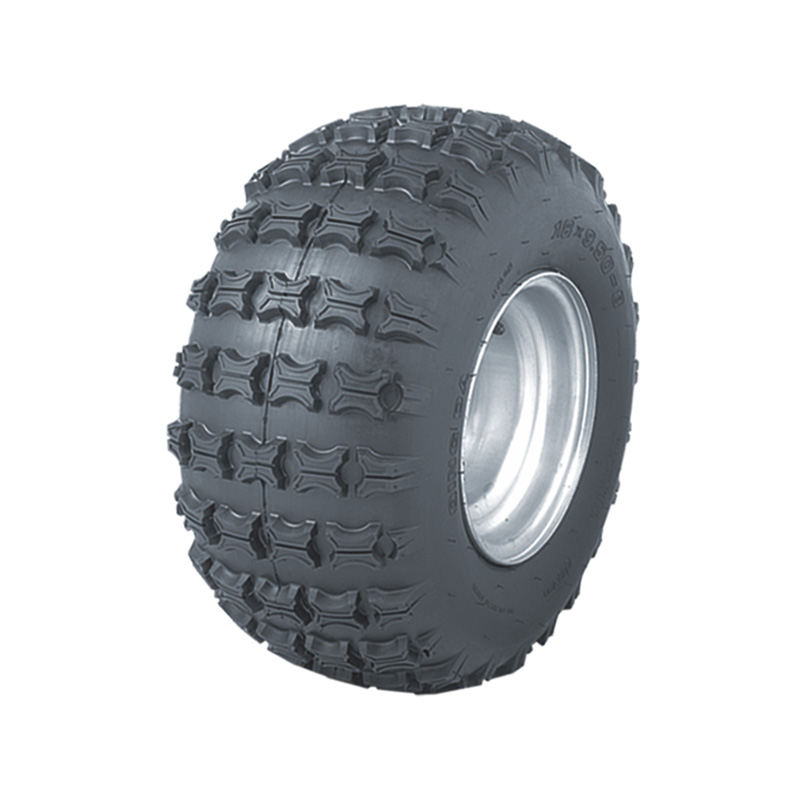
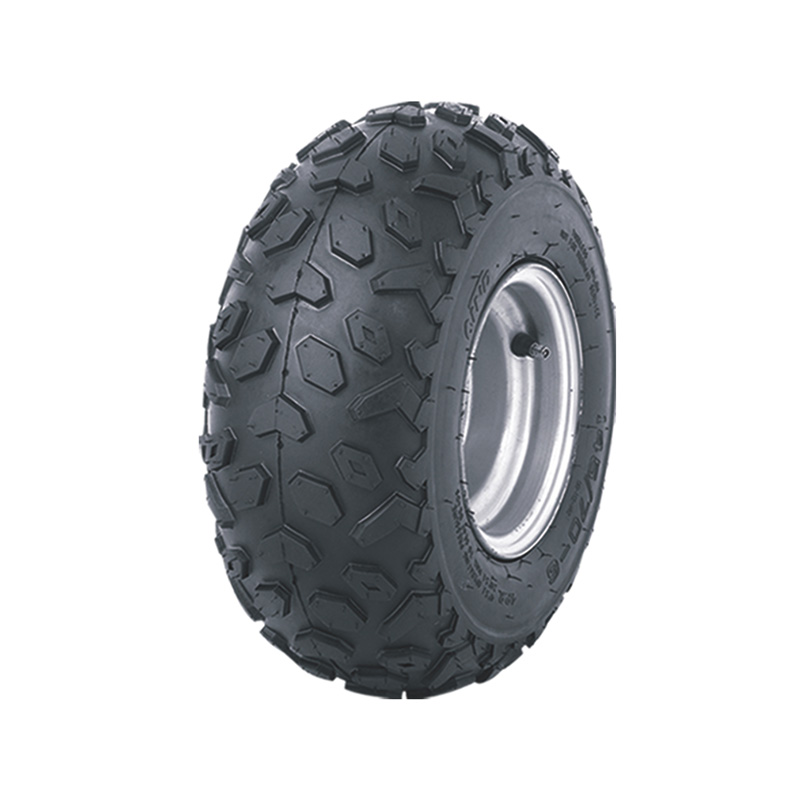
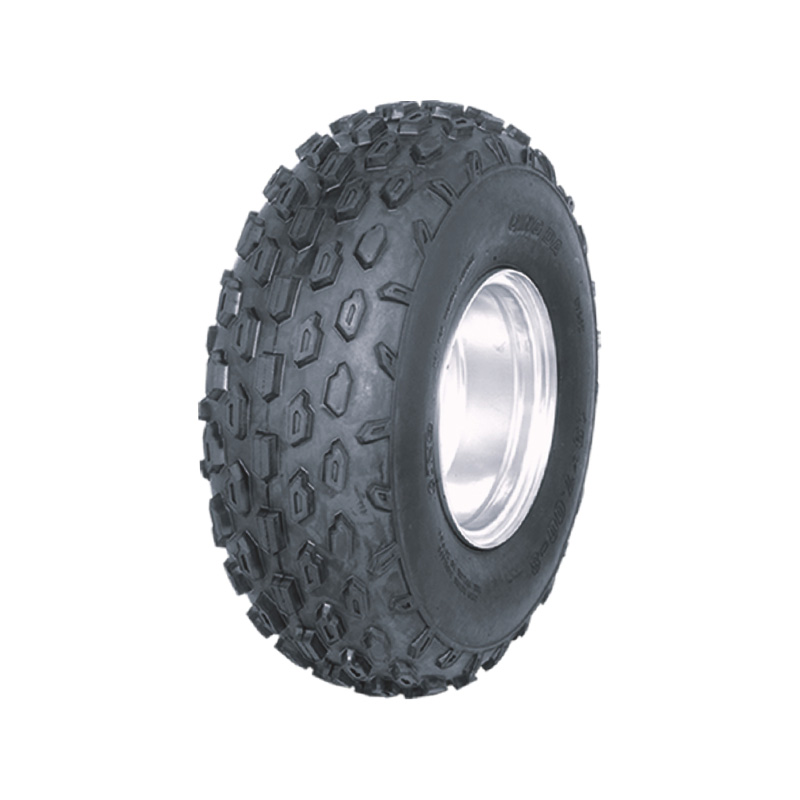
Go Cart Tires are designed for different kart types and driving conditions. Indoor recreational tracks, outdoor circuits, rental facilities, and competitive karting environments can place different demands on tire construction. Rubber composition, tread pattern, tire dimensions, and carcass structure all contribute to how a tire behaves during operation.
For kart manufacturers, racing facilities, and parts distributors, understanding these differences helps match tire products with the intended vehicle and track requirements.
Rubber compound selection is an important part of tire development. Different formulations provide different combinations of grip, wear characteristics, flexibility, and heat response. A softer compound may provide strong grip under suitable conditions, while a harder compound may offer different handling and wear characteristics.
The appropriate compound depends on the kart's weight, power output, track surface, operating temperature, and intended use. Indoor tracks with smooth surfaces may require different tire characteristics from outdoor circuits with rougher asphalt.
Go Cart Tires also respond to temperature changes during driving. As the tire warms up, its rubber properties and contact behavior can change. Tire manufacturers therefore evaluate compound performance under conditions that reflect the intended application.
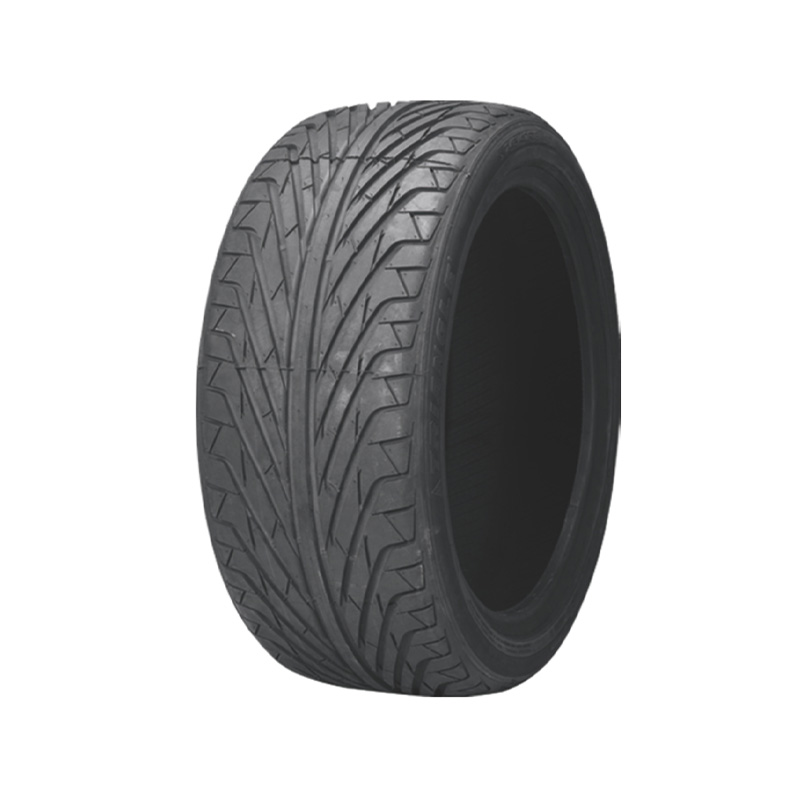
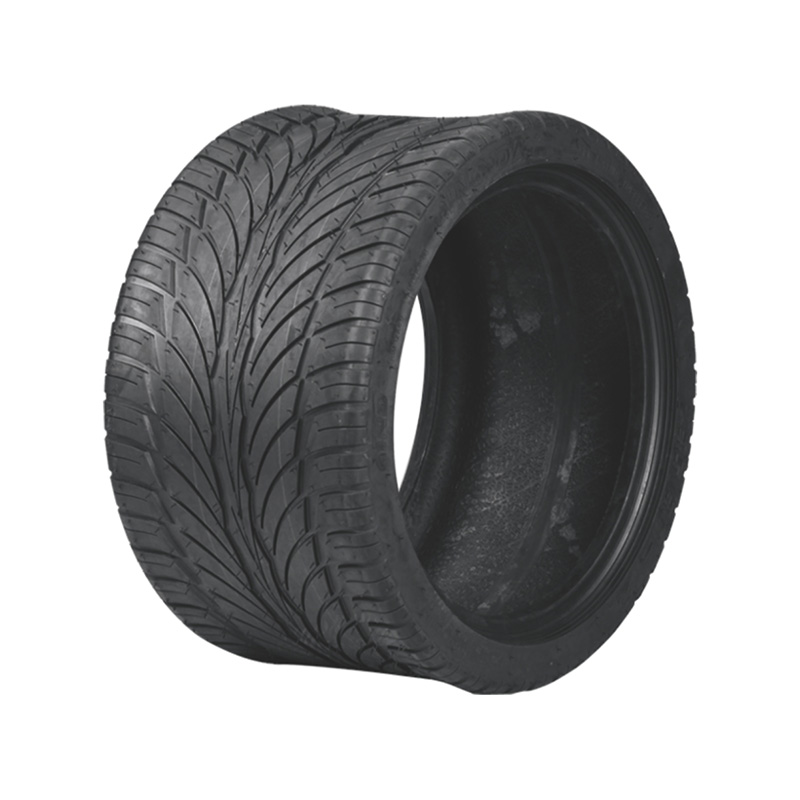
Tread design determines how the tire surface contacts the track. Slick tires have a smooth contact surface and are commonly used on dry racing circuits. Their design provides a broad rubber contact area when track conditions are suitable.
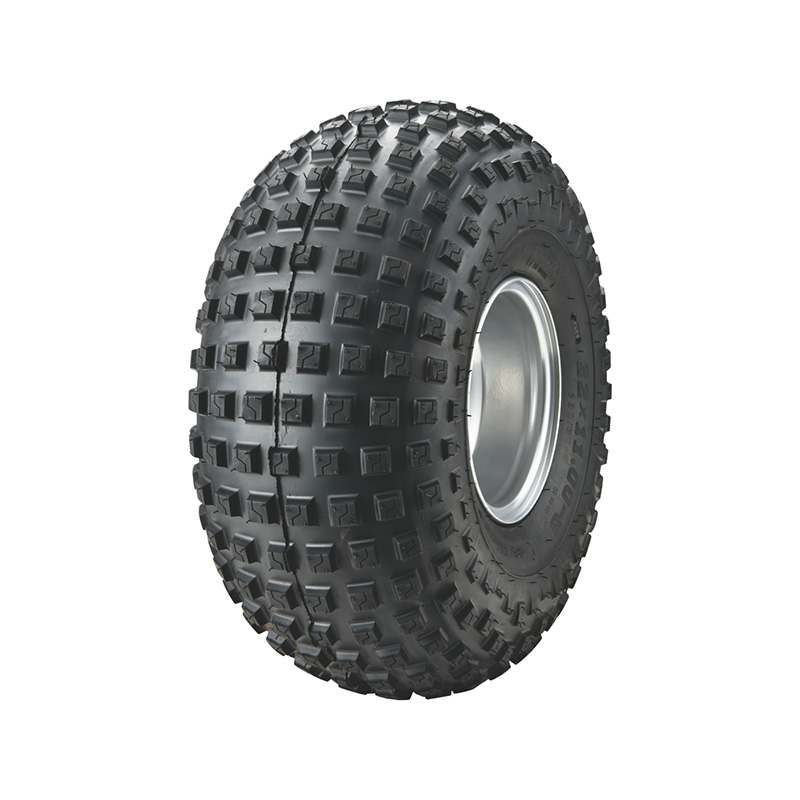
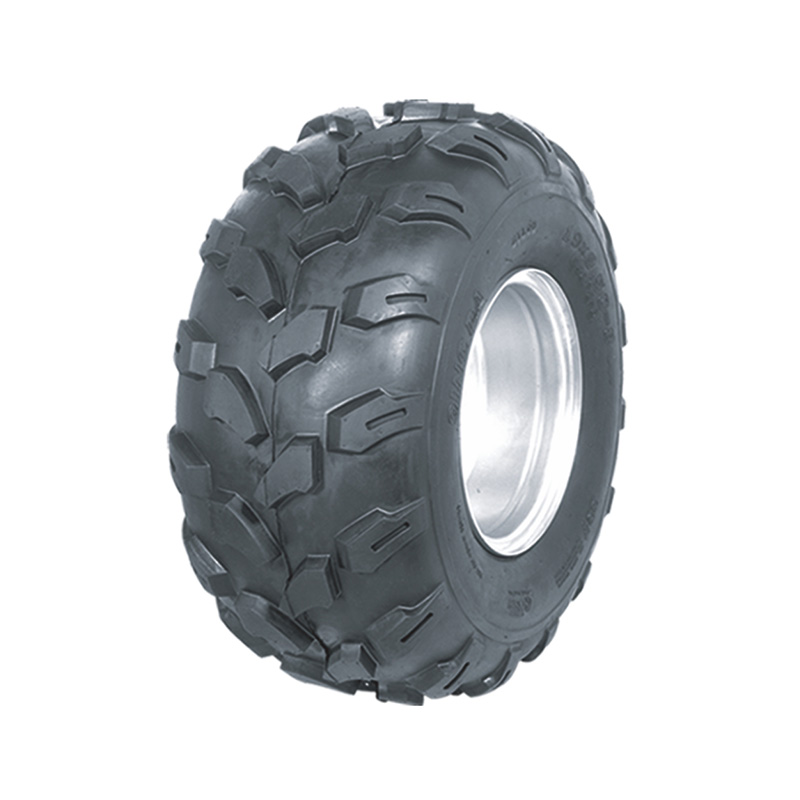
Treaded tires may be selected for applications that require additional channels or surface features. Wet-weather karting tires, for example, use grooves to help move water away from the contact area. The specific design depends on the intended track conditions and tire category.
Common design considerations include:
Choosing a tread pattern involves more than appearance. The tire must match the surface conditions, kart setup, and operating requirements of the facility.
Tire manufacturing involves several stages, including rubber compound preparation, component forming, assembly, and vulcanization. During vulcanization, heat and pressure help the rubber develop its intended structure and mechanical properties.
The carcass, sidewall, tread area, and bead region each perform a different role. The carcass provides structural support, the tread forms the contact surface, and the bead helps secure the tire to the rim.
Manufacturers evaluate dimensions, surface appearance, and structural consistency to maintain uniformity between production batches. These characteristics matter to kart assemblers and distributors handling products for different vehicle models.
For Go Cart Tires, consistency in dimensions and construction helps simplify product classification and compatibility checks. Clear product information also supports communication between tire manufacturers, kart producers, and replacement-parts wholesalers.
Have any question ?