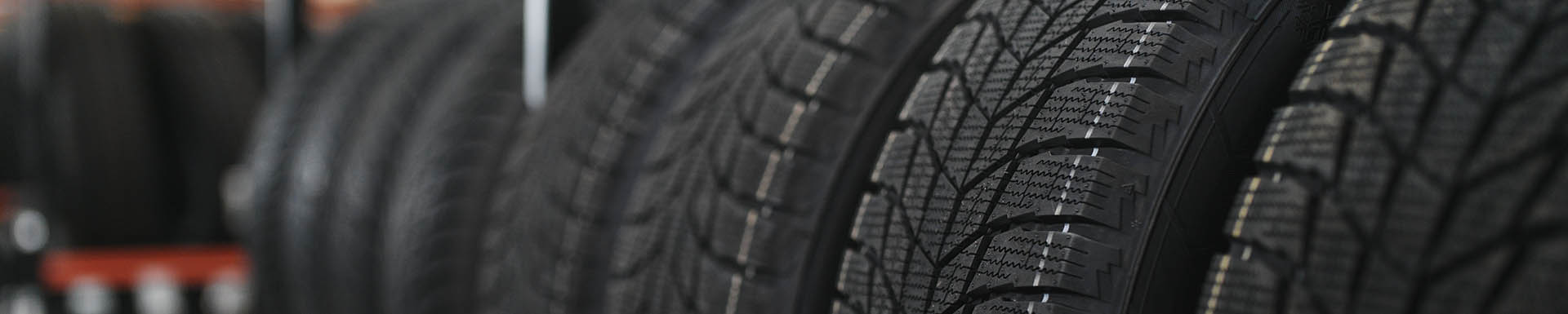
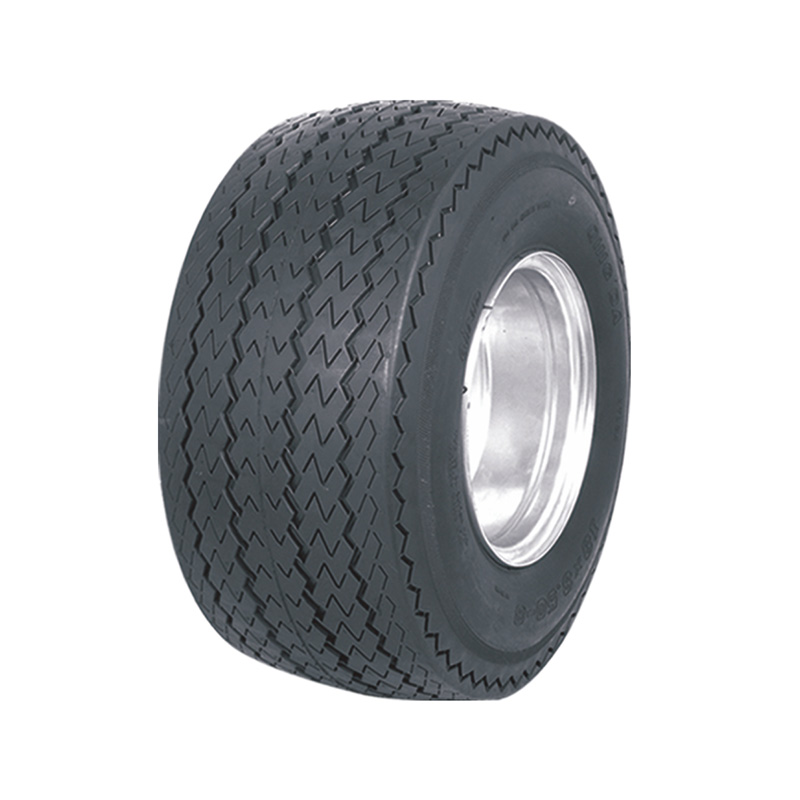
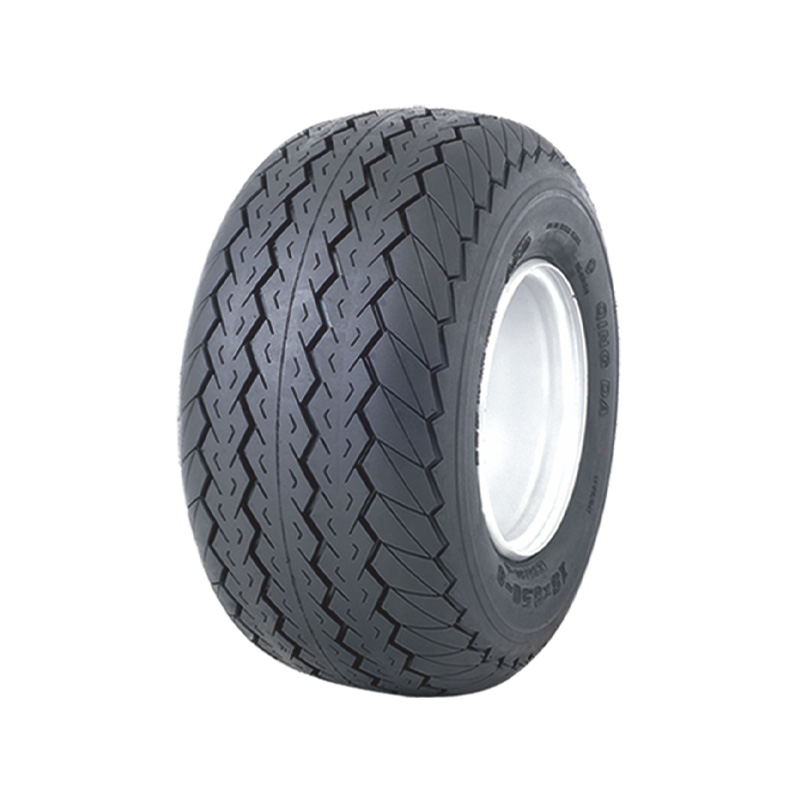
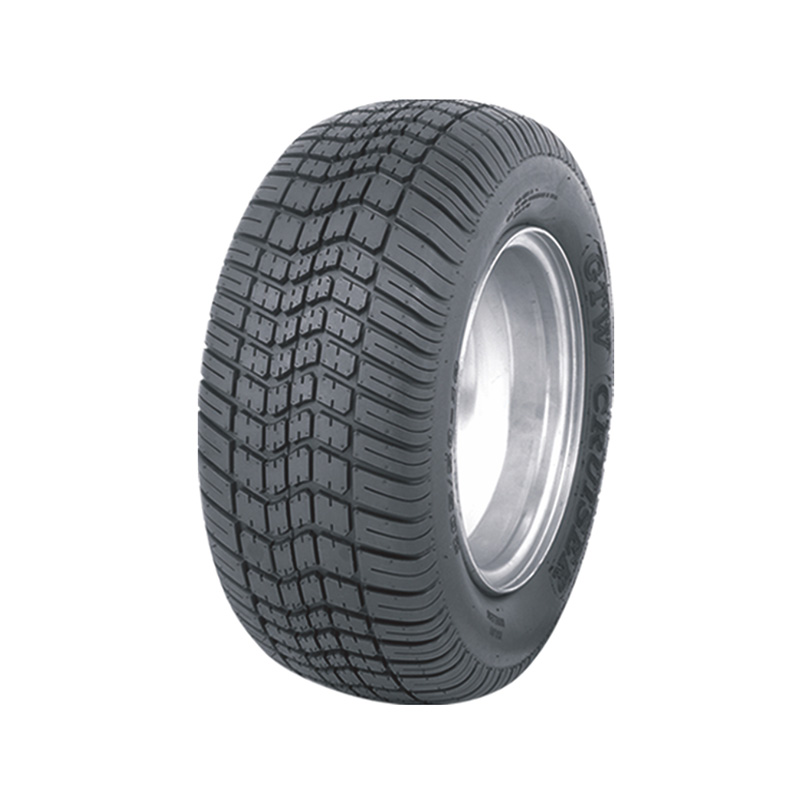
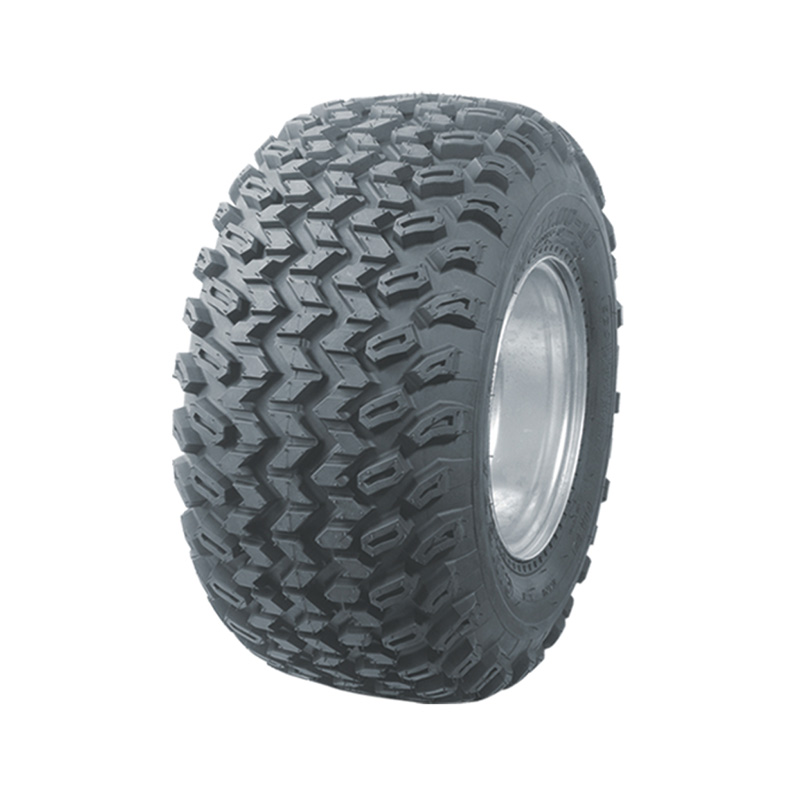
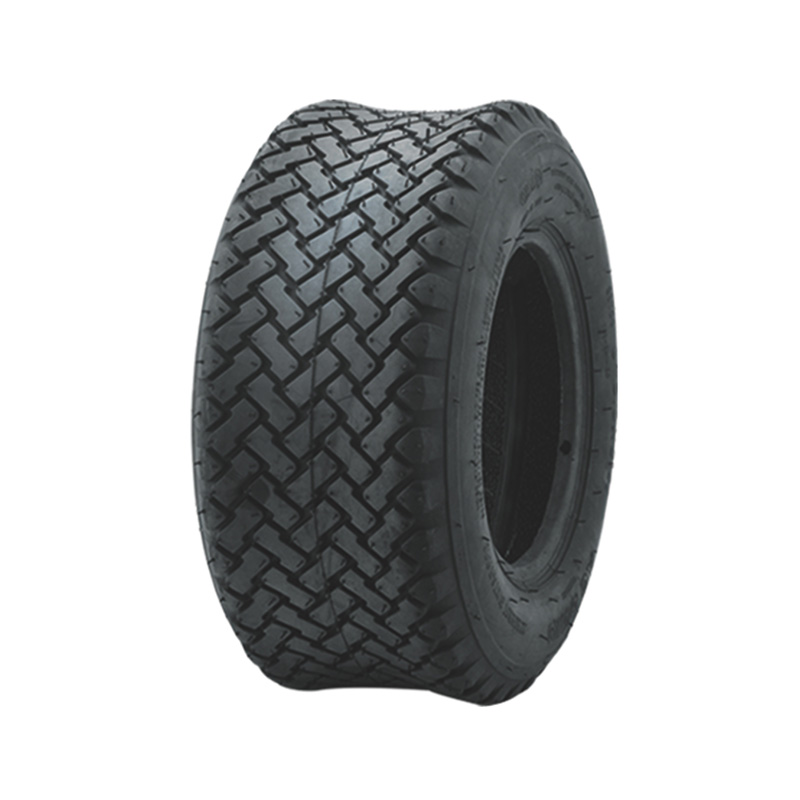
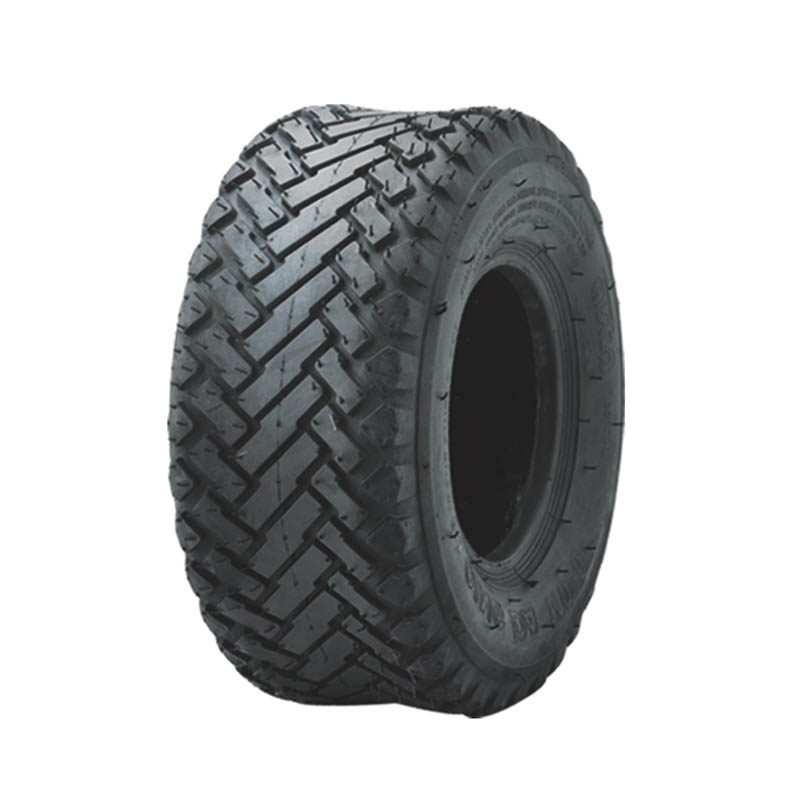
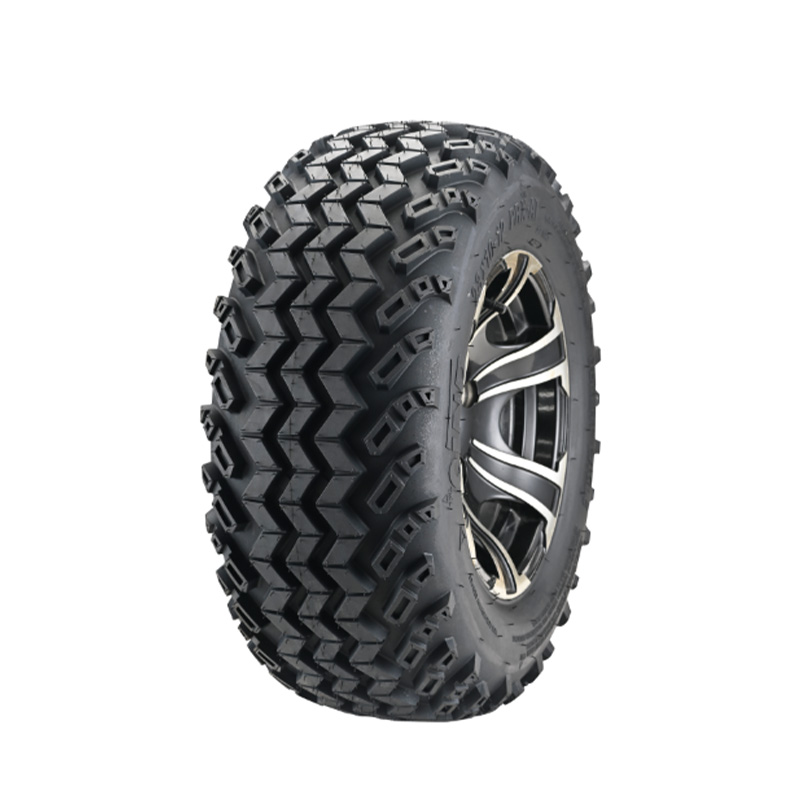
Golf Tires, also known as Golf Cart Tires, are specialized tires designed for low-speed electric vehicles (LSVs), golf carts, and multi-purpose vehicles. Unlike regular car tires, Golf Tires are specifically optimized for low-speed operating environments of 15-25 mph (24-40 km/h), frequent starts and stops, and mixed grass/paved road driving scenarios.
Three Core Types
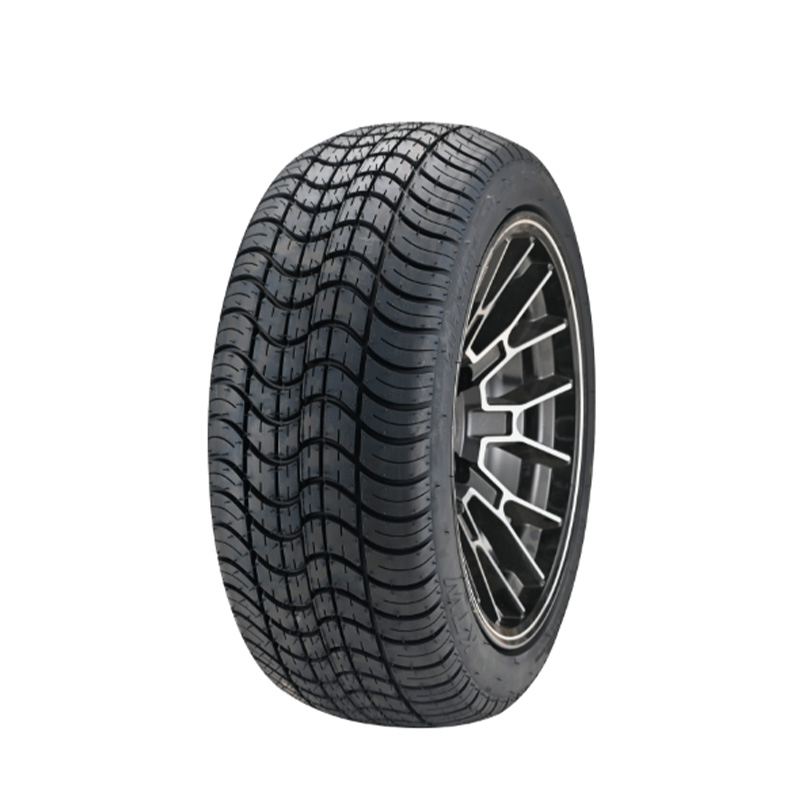
- Turf/Street Tires: Features serrated or herringbone tread patterns. Provides soft traction, preventing damage to golf course turf. Balances performance on both golf courses and community/road surfaces.
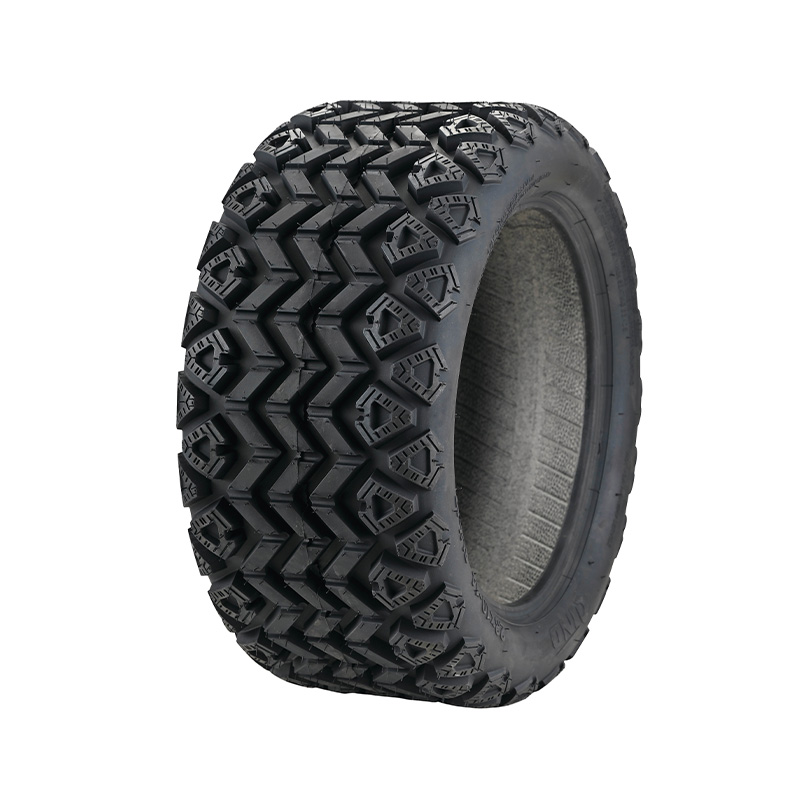
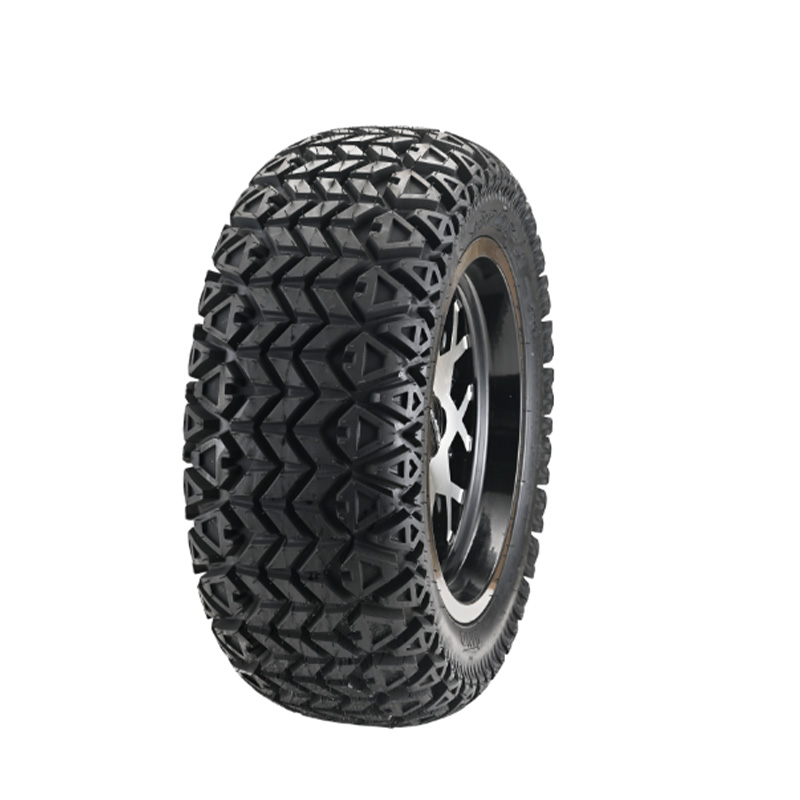
- All-Terrain Tires: More aggressive tread design, adaptable to grass, gravel, and dirt mixtures.
- Note: Some golf courses prohibit use on fairways as it may tear the turf.
- Off-Road/Knobby Tires: Deepest tread pattern with extra bite edges, suitable for mud, sand, and other harsh terrain.
Only suitable for lifted vehicles; provides a bumpy ride on paved roads.
Application Scenarios: Who is purchasing golf tires in bulk?
1. Golf Courses and Resorts
- Fleet Size: A standard 18-hole course typically has 40-80 golf carts.
- Replacement Cycle: Depending on usage intensity, tire replacement is typically every 2-4 years or until the tread wears down to the safety line.
- Key Requirements: Non-Marking Gray Tires – Avoid leaving black rubber marks on clubhouse floors and hotel lobbies.
2. Gated Communities
Golf carts, as a means of transportation within communities, must balance street legality and lawn friendliness.
DOT-certified tires are mandatory to ensure compliance on public roads.
3. Industrial and Commercial Sites
- Airports, large factories, warehouses: Use gray non-marking tires to protect indoor floors.
- Construction sites, farms: Select 6-ply all-terrain or off-road tires to handle gravel and dirt roads.
4. Tourism and Rental Companies
Bulk purchase of sightseeing vehicles and resort shuttle buses. Prioritize durable rubber compounds and long-life treads to reduce fleet maintenance costs.
5. Golf cart dealers and service stations
Are seeking bulk purchases of tires of all sizes for the aftermarket replacement market. They need to cover the full range of wheel sizes from 8 inches to 14 inches, as well as large-size tires (20-23 inches) specifically for lift-up vehicles.
Reasons for purchasing: Why bulk purchase from us?
1. Full-size coverage, compatible with all mainstream models
We offer a complete tire matrix from 8 inches to 14 inches, covering:
- Non-Lifted vehicles: Standard sizes such as 18×8.50-8, 205/50-10, and 215/35-12
- Lifted vehicles: Large-size off-road tires such as 20×10-10, 23×10-14, and 24×11-14
- Completely compatible with mainstream brands such as Club Cars, EZ-GO, Yamaha, and STAR EV
2. Advantages of B2B bulk purchasing
- Tire + wheel pre-assembly service: Reduces on-site installation costs; ready to use upon arrival.
- Fleet maintenance support: Provides tire pressure management advice (standard 18-22). PSI), tire rotation cycle guidance (recommended every 6 months)
- Stable supply chain: Covering commonly used sizes with safety stock to avoid supply disruptions during peak golf seasons
3. Technical compliance guarantee
- DOT certified tires come with complete compliance documentation, supporting LSV (Low Speed Vehicle) registration
- Providing ply rating and load index matching consultation to ensure fleet load safety
Frequently Asked Questions about Golf Tire Procurement
Q1: What is the difference between 4-ply and 6-ply tires? How should I choose?
A: Ply rating represents the thickness and strength of the tire carcass:
- 4-ply: Standard thickness, suitable for paved roads, golf course lawns, and other flat terrains; economical price.
- 6-ply: Thicker carcass, significantly improved puncture resistance; suitable for gravel roads, rough terrain, or heavy-load scenarios.
- Procurement recommendation: Choose 4-ply for standard use on the golf course; if vehicles frequently drive off the fairway into rough areas or are used on construction sites/farms, 6-ply is recommended.
Q2: Which is more suitable for commercial fleets: radial tires or bias-ply tires?
A: Both have their advantages:
- Radial tires: The tire cords are arranged at 90 degrees, resulting in more flexible sidewalls, lower rolling resistance, better energy/fuel efficiency, less heat generation, better shape retention, longer lifespan, and smoother ride. Suitable for high-frequency use and commercial fleets where long-term TCO (Total Cost of Ownership) is important.
- Bias-ply tires: The tire carcass is more robust, provides better lateral support, and is generally cheaper. Suitable for budget-sensitive or off-road scenarios.
Note: Currently, radial tires have fewer tread patterns than bias-ply tires and are more expensive per unit.
Q3: Can tires on lifted cars and regular cars be interchanged?
A: No, they are not directly interchangeable. Lifted cars typically require larger tires (20-23 inches in diameter) and need to be matched with the modified suspension travel. Unmodified vehicles typically only accommodate 18-18.5 inch tires (some Yamaha models support 20 inches). Forcing larger tires into the vehicle will cause interference between the tires and the chassis/suspension. Before purchasing, please confirm whether the vehicle has a lift kit and the maximum applicable tire size.


 English
 中文简体
中文简体
 Español