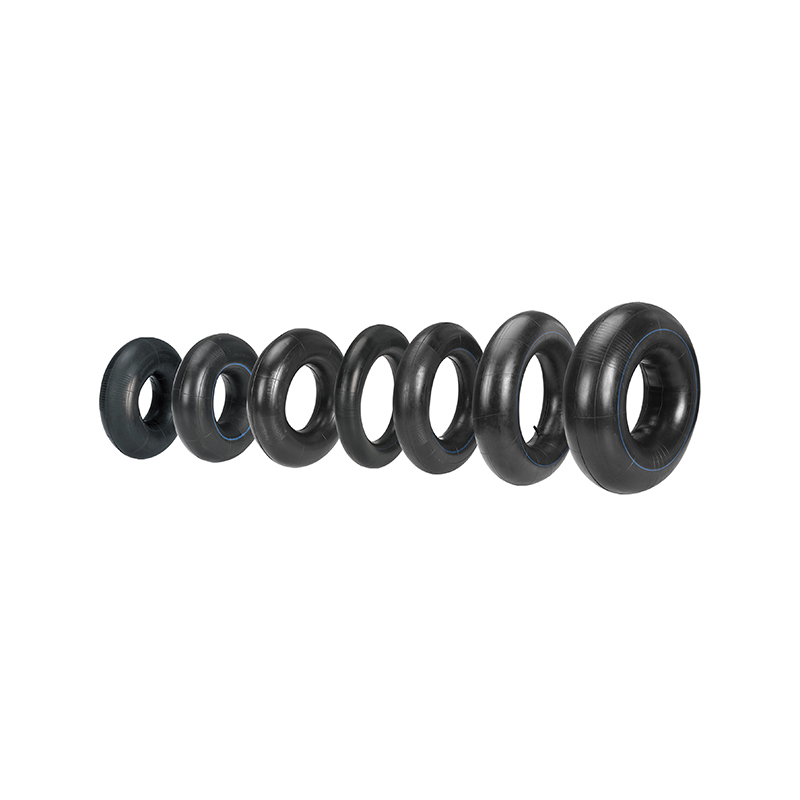
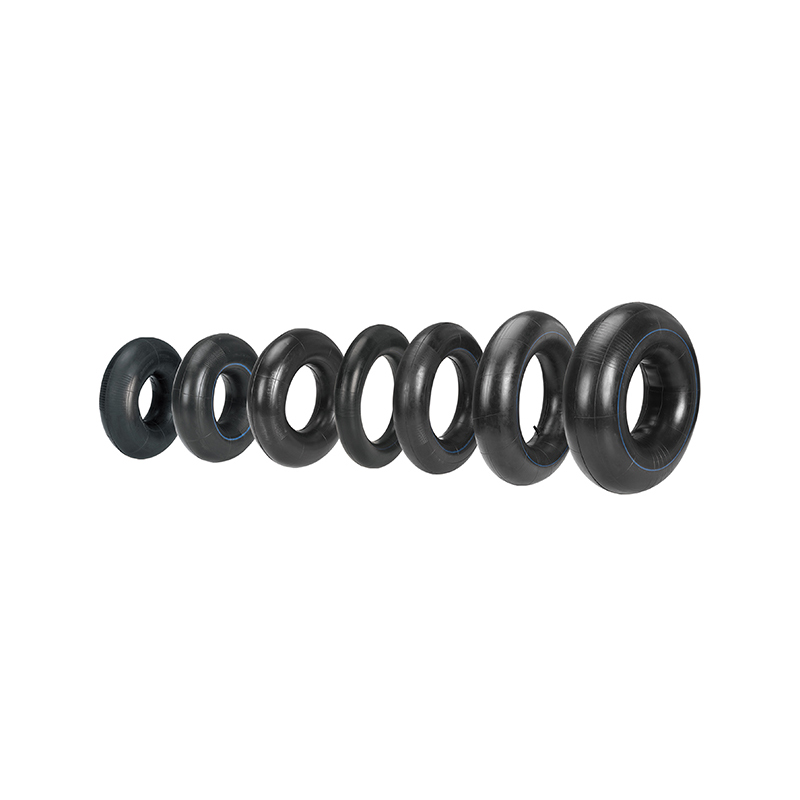
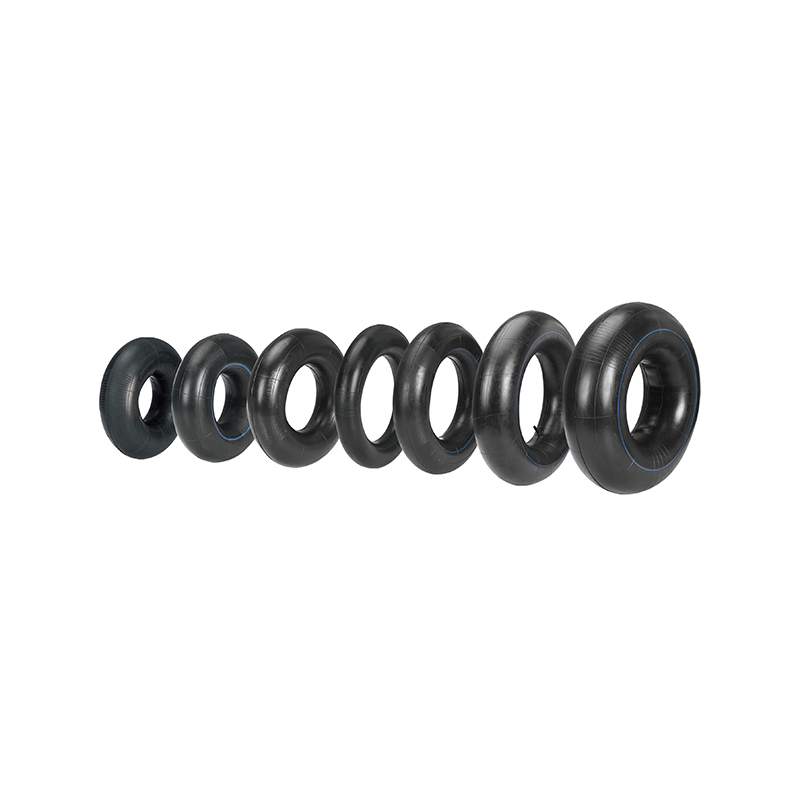
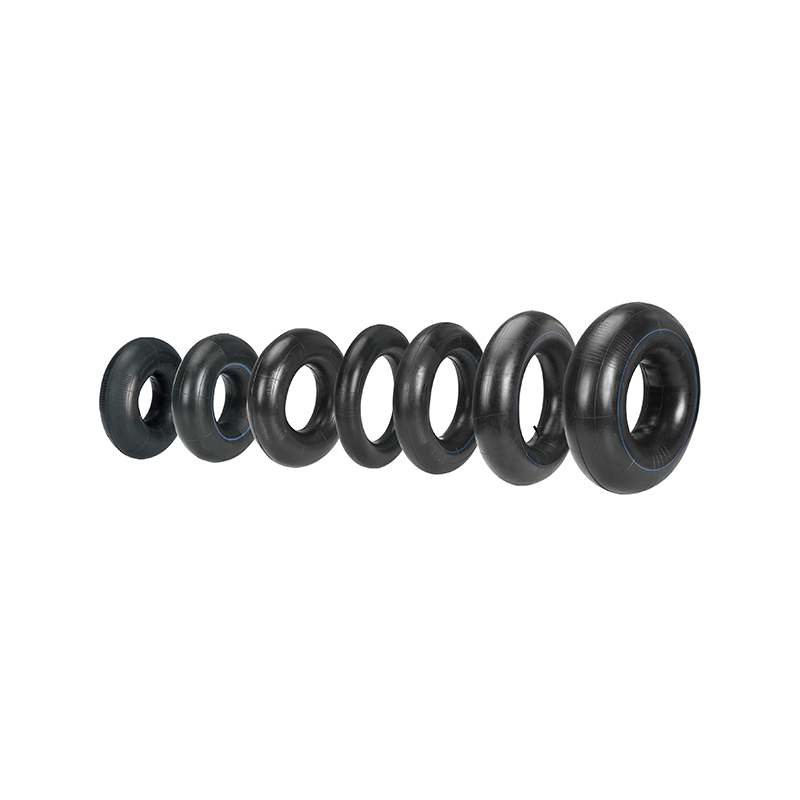
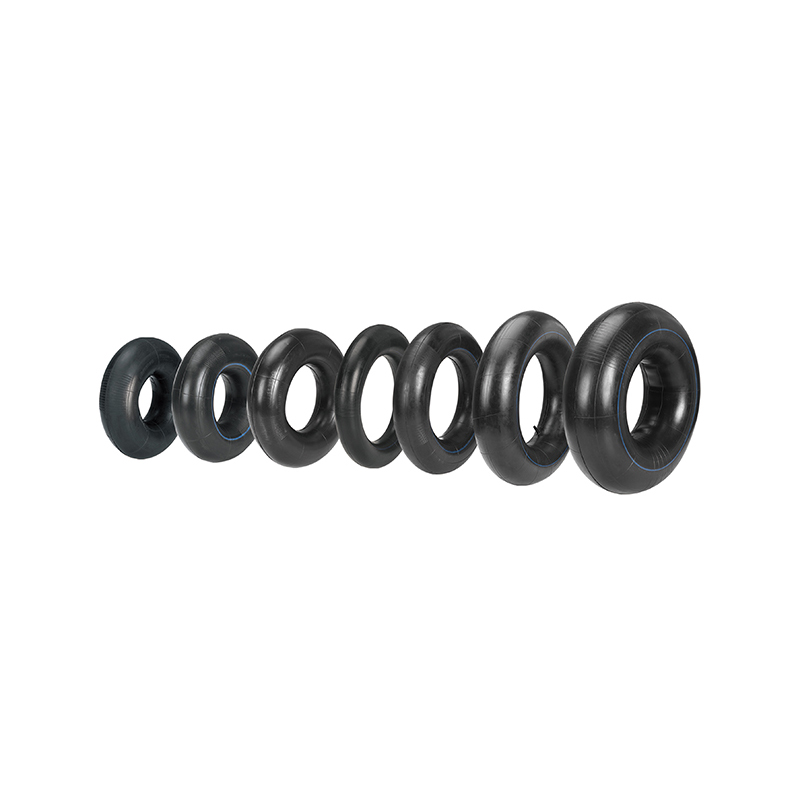
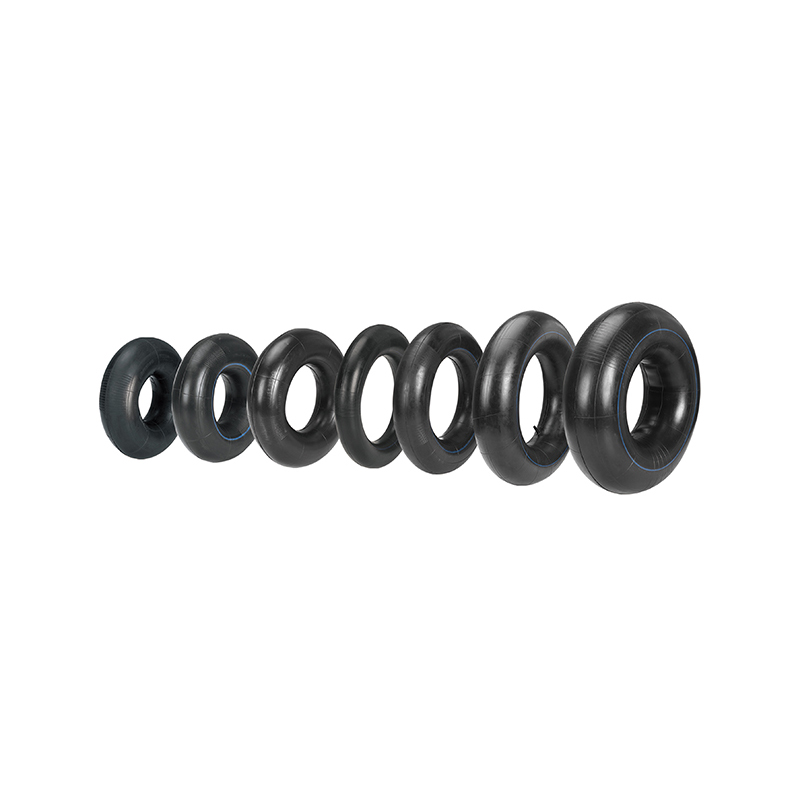
Inner tubes are the core sealed component of a pneumatic tire system. They are ring-shaped air bladders made of airtight elastic material, inserted into the tire and inflated to maintain tire pressure. The inner tube itself does not directly contact the road surface; instead, it forms a closed air chamber through its cooperation with the tire carcass and rim, providing cushioning, load-bearing capacity, and stability for the vehicle.
- Wall Thickness and Structural Classification: Standard Wall: Approximately 1.0-1.5 mm thick, balancing weight and durability, the default choice for more applications.
- Thick/Reinforced Wall: 1.5-2.5 mm thick, enhancing puncture protection and abrasion resistance, suitable for e-bikes, heavy-duty vehicles, off-road riding, and harsh road conditions. E-bikes, due to their combined weight (vehicle weight + battery + rider load) often exceeding 100 kg, and the greater stress exerted by the motor torque on the tire system, require reinforced inner tubes.
- Lightweight/Thin Wall: Wall thickness 0.8-1.0 mm, weight reduction, suitable for racing road bikes and riders seeking speed. However, puncture protection is weaker and lifespan is shorter.
Application Scenarios: Who Purchases Inner Tubes in Bulk?
1. Motorcycle Manufacturers and Aftermarket
Global annual motorcycle production exceeds 55 million units (mainly in Asia), resulting in huge demand for inner tubes. Motorcycle inner tube sizes cover everything from scooters (3.00-10, 90/90-10) to heavy cruisers (150/80-16, MT90-16), with butyl rubber as the primary material (offering better air retention and high-temperature resistance than natural rubber).
Motorcycle inner tube valve types include: JS2 (straight valve), TR13 (curved valve), TR87 (short valve), TR177 (extended valve), etc., requiring matching with rim design and braking system layout.
2. Aftermarket for Automobiles, Trucks, and Commercial Vehicles
While tubeless tires are now widespread in passenger cars, there remains stable demand for inner tubes in the following areas:
- Light Commercial Vehicles/Trucks: Some developing countries still use inner tube tires, in sizes such as 7.00-15, 7.50-16, and 8.25-20.
- Trucks and Buses: Heavy-duty trucks and long-haul buses still use inner tubes in some markets, especially off-highway and inclement road conditions.
- Agricultural Machinery: Tractors, combine harvesters, trailers, etc., use large-size inner tubes (such as 11.2-24, 12.4-28, and 14.9-30), made of natural rubber or butyl rubber, to withstand high loads and the risks of field punctures.
- Industrial Equipment: Forklifts, loaders, airport ground support equipment, etc., use press-fit tires or solid tires, but some equipment still uses pneumatic tires with inner tubes.
3. Bicycle Dealers, Repair Shops, and Sporting Goods Retailers
This is the core channel for the inner tube aftermarket replacement market. Demand characteristics include:
- Seasonal fluctuations: Demand surges during the spring riding season (March-May in the Northern Hemisphere), requiring advance stocking.
- Multi-size inventory: Coverage is needed for all wheel diameters from 12-29 inches, Presta and Schrader dual-valve tires, and various wall thicknesses and materials.
- Package sales: Tire + inner tube combinations, inner tube + tire repair kits, spare inner tube carrying cases, etc., increase the average order value.
Why Bulk Purchase from Us?
Incorrect inner tube size matching is one of the main causes of punctures and blowouts. We offer: A tire-inner tube compatibility chart based on ETRTO standards, ensuring precise matching of width range and wheel diameter.
Avoid common mistakes such as "fitting a 700×25C inner tube to a 28C tire" (too tight, to puncture) or "fitting a 700×32C inner tube to a 25C tire" (too loose, folding and breakage).
Professional material and wall thickness configurations
Recommended optimal material-wall thickness combinations based on application scenario:
- Daily commuting/city riding: Standard butyl, 1.0-1.2mm wall thickness, balancing cost and durability
- Road racing/time trials: Lightweight butyl (0.8-1.0mm) or latex, weight reduction and low rolling resistance
- Mountain biking/Enduro: Reinforced butyl (1.2-1.5mm), enhancing puncture. Protection
- Electric Bicycles/Heavy Loads: Reinforced butyl (1.2-1.5mm) or TPU, high load capacity and torque resistance
- Spare/Portable: TPU inner tubes, extremely compact folding size for easy carrying
Frequently Asked Questions about Inner Tube Purchasing
Q1: Butyl rubber or natural rubber inner tubes, which should I choose for my product?
A: Both materials have their advantages and disadvantages; the choice depends on the application scenario and cost structure.
- Butyl rubber is a synthetic rubber with good air retention (low air permeability), good heat and ozone resistance, slow aging, moderate flexibility, and easy repair (standard tire repair tools are sufficient). It is moderately priced and suitable for daily commuting, urban riding, standard passenger vehicles, and general industrial applications, making it the market's default choice.
- Natural rubber is made from natural latex, offering higher elasticity, greater tensile strength, and better abrasion resistance. However, it has poorer air retention (requiring more frequent inflation), weaker high-temperature and ozone resistance, faster aging, and more volatile costs (affected by natural rubber futures prices). It is suitable for scenarios requiring extremely high elasticity or for some riders' personal preferences.
Purchasing Recommendation: Unless the customer explicitly specifies natural rubber, butyl rubber is a more reliable choice—its air retention, durability, and cost stability are all superior to natural rubber.
Q2: Are latex inner tubes and TPU inner tubes worth investing in? What markets are they suitable for?
A: Latex and TPU are choices for the high-end/racing market, but not suitable for the mass market.
- Latex inner tubes offer significant advantages: extreme lightweight (50-100 grams lighter than butyl) and extremely low rolling resistance, making them the preferred choice for professional road racing and time trials. However, they also have significant disadvantages: they are very fragile, difficult to install, have poor air retention (requiring inflation before each ride), are difficult to repair after puncture, and pose a risk of thermal failure when used with carbon fiber rim brakes.
- TPU inner tubes are extremely lightweight (approximately 70% lighter than butyl), very compact (easy to carry as a spare), have low rolling resistance, and offer better puncture resistance than latex. However, they are expensive (approximately 3-5 times the price of butyl), require advanced installation skills, and some products are sensitive to pump compatibility. They are suitable for road cyclists seeking extreme performance, long-distance riders (as a spare inner tube), and weight-sensitive markets.
Purchase Recommendations: For the mass market (commuter, city, children's bikes), stick with butyl rubber; for the high-end road bike market, latex or TPU options are available; for the mountain bike and e-bike markets, latex is not recommended (too fragile), while TPU can be considered a high-end option.
Q3: What is the shelf life of inner tubes? Will stored inner tubes age?
A: The shelf life of inner tubes is typically 3-5 years (unopened, protected from light, dry, and stored at room temperature). Aging manifests as rubber hardening, cracking, and decreased elasticity; they will naturally degrade even if unused.
Storage Recommendations:
- Avoid direct sunlight (UV rays accelerate rubber aging)
- Avoid high temperatures (>40°C accelerates oxidation)
- Avoid contact with oils, solvents, and ozone sources (such as motors and welding equipment)
- Keep the original packaging sealed to minimize contact with air
- Follow the FIFO (First-In, First-Out) principle for inventory turnover
Aging Inspection: After opening, check if the rubber is sticky, hardened, or cracked; after inflation, observe whether it expands evenly and whether there are any localized weak points.
Purchasing Recommendations: When purchasing in bulk, confirm the production date to avoid receiving inventory nearing its expiration date; large fleet customers are advised to purchase in batches to avoid stockpiling too much at once and causing it to expire.


 English
 中文简体
中文简体
 Español