English
 中文简体
中文简体
 Español
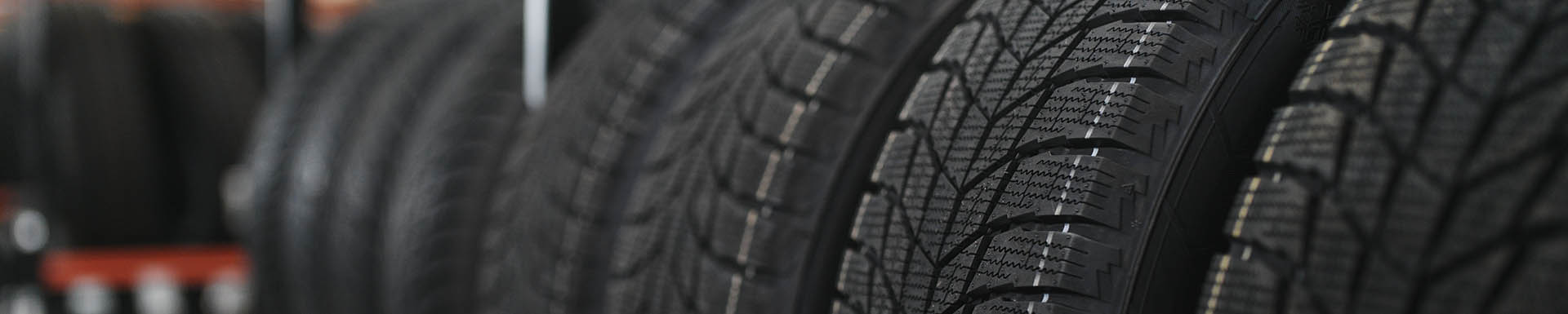
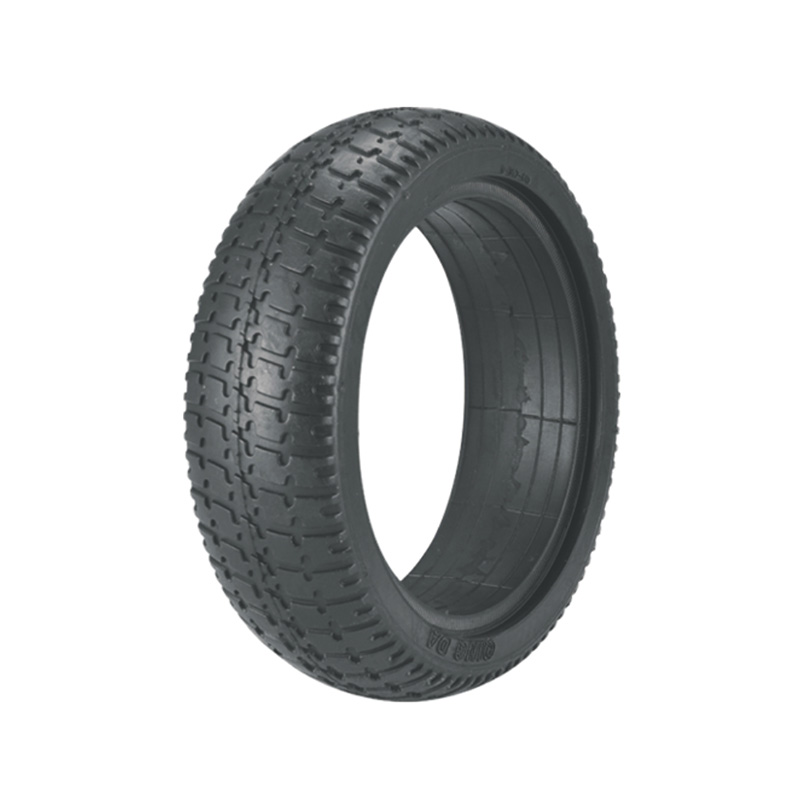
Q-304 Solid Tyres
| Size | Type | P.R. | Max Infl(P.S.I./KPA) | Load(LBS/KGS) | OD(IN/MM) | SW(IN/MM) | Rim Type | Remark | LCI/SI |
| 200×45 | 115/50 | 8.0/203 | 1.77/45 | 4.75'×28/4.25 |
Solid tyres are designed for construction vehicles and other special scenarios with high safety requirements, completely eliminating the risk of pneumatic tyre blowouts. Qingda brand solid tyres are made of high-strength rubber and wear-resistant materials, with excellent puncture resistance and durability, and can stably support the weight of the vehicle for a long time in harsh environments. Since there is no need to inflate, maintenance costs are significantly reduced, reducing downtime and repair frequency. Although the elasticity and ride comfort of solid tyres are slightly inferior to pneumatic tyres, their excellent safety performance and reliability make them widely used in construction sites, mining areas and other high-risk work situations. The Qingda brand is committed to providing solid and durable tyre solutions for special-purpose vehicles to ensure operational safety and efficiency.
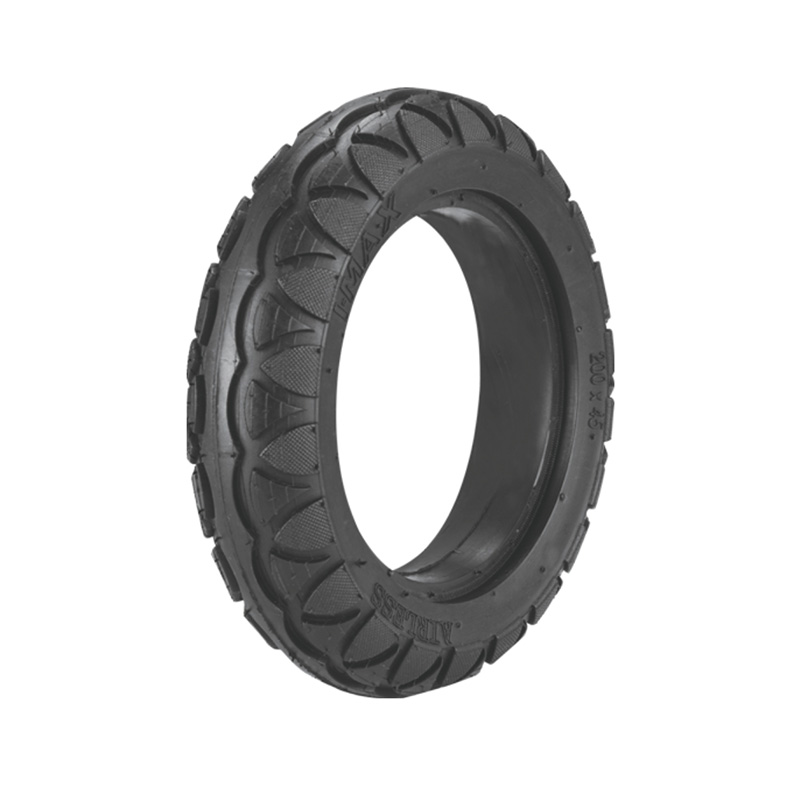
| Size | Type | P.R. | Max Infl(P.S.I./KPA) | Load(LBS/KGS) | OD(IN/MM) | SW(IN/MM) | Rim Type | Remark | LCI/SI |
| 200×45 | 115/50 | 8.0/203 | 1.77/45 | 4.75'×28/4.25 |
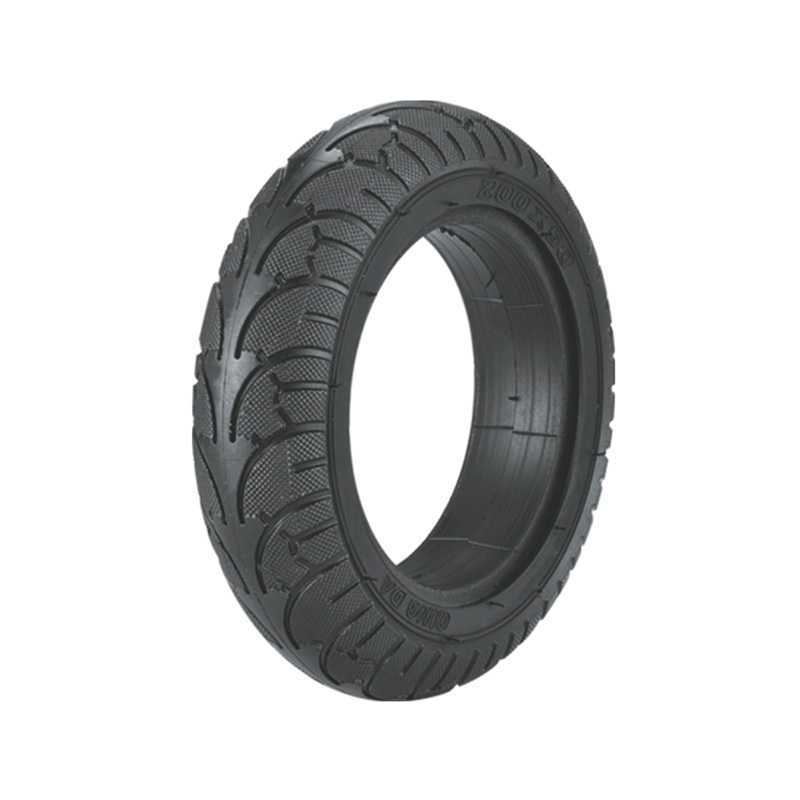
| Size | Type | P.R. | Max Infl(P.S.I./KPA) | Load(LBS/KGS) | OD(IN/MM) | SW(IN/MM) | Rim Type | Remark | LCI/SI |
| 200×45 | 132/60 | 8.0/203 | 1.97/50 | 4.65'×28/6.75 |
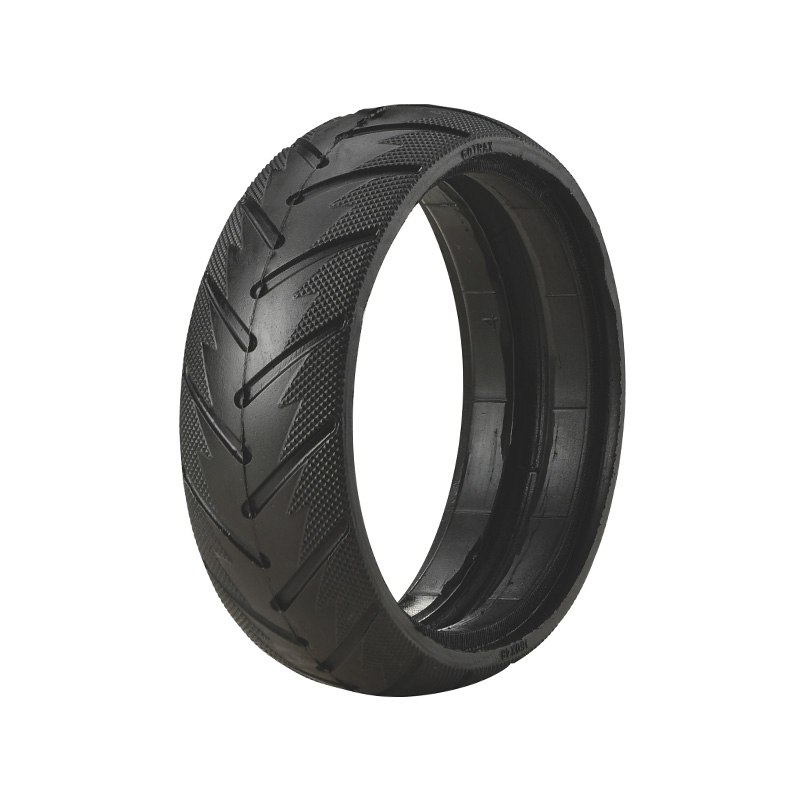
| Size | Type | P.R. | Max Infl(P.S.I./KPA) | Load(LBS/KGS) | OD(IN/MM) | SW(IN/MM) | Rim Type | Remark | LCI/SI |
| 165×50 | 100/45 | 6.5/165 | 1.97/50 | 4.5"×38/6.00 |
| Size | Type | P.R. | Max Infl(P.S.I./KPA) | Load(LBS/KGS) | OD(IN/MM) | SW(IN/MM) | Rim Type | Remark | LCI/SI |
| 165×45 | 88/40 | 6.5/165 | 1.77/45 | 4.5"×38/5.50 |
Zhejiang Qingda Rubber Co., Ltd. is a professional manufacturer of rubber tires and air springs in various specifications. Founded in 1992, the company is located in Chengxi New District, Yongkang City, covering a total area of over 70,000 square meters. Its location is convenient: approximately 1.5 kilometers east of the city center, 5 kilometers west of the Jinliwen Expressway entrance, and 1 kilometer north of National Highway 330 (Jinwen Highway).











Lawn mower tires play a quiet but important part in keeping grass neat and yards looking tidy. These specializ...
READ MOREIndustrial tyres are designed for machines that carry, move, lift, or transport heavy materials across factori...
READ MOREDesign Features That Match Field Conditions Agriculture tyres usually show deep, open tread patterns. The larg...
READ MORENobody thinks much about trailer tires until one blows out on the highway shoulder with a boat, camper, or loa...
READ MORESolid tires are solid rubber tires with no air chambers, fundamentally eliminating the risks of punctures and blowouts. Unlike pneumatic tires that rely on air for cushioning, solid tires absorb impacts and bear loads through the elastic deformation of the rubber carcass and a multi-layered composite structure. This structure makes them the preferred tire type for harsh conditions such as industrial environments, construction sites, and mines.
The core value of solid tires can be summarized in one sentence: zero blowouts, zero maintenance, and maximized uptime. In scenarios where puncture costs are extremely high (such as recycling centers or construction sites littered with broken glass, metal shavings, and nails), although the initial purchase cost of solid tires is higher than that of pneumatic tires, the total life cycle cost (TCO) is usually significantly lower.
Core Structural Classification
Logistics warehousing is the largest application market for solid tires. Standard warehouse forklifts are typically equipped with press-fit tires (rubber or polyurethane) and operate on smooth concrete surfaces. Large e-commerce distribution centers may have 50-200 forklifts per warehouse, making tires a high-frequency consumable.
Environments such as construction sites, demolition sites, recycling centers, and lumber mills are full of puncture risks from nails, broken metal, glass, and gravel. Solid pneumatic tires are the preferred choice for these scenarios because they combine the size/traction of pneumatic tires with the puncture resistance of solid tires.
Mining environments demand the high level of tire durability. L5 (Extreme Service) solid tires or skid steer loader tires with deep treads are standard, offering 2-3 times the tread depth of L3, providing rock protection.
Scissor lifts and boom lifts require smooth, vibration-free tires to ensure operator safety and platform stability. The puncture-proof properties of solid tires prevent catastrophic tire blowouts during aerial work.
Dealers covering the aftermarket replacement and fleet maintenance require a full range of solid tires in all sizes and types, along with rapid response capabilities. The Camso and Solideal brands support these customers' needs through a global distribution network.
1. Comprehensive Coverage of All Structure Types, Precise Matching to Operating Conditions
Our product line covers all structural types and operating conditions of solid tires:
Solid tires for skid steer loaders/construction equipment: Sizes 10-16.5, 12-16.5, 14-17.5, 33×12-20, etc., with two tread patterns: R708 (ordinary sand roads) and R711 (hard, rough roads/mining), compatible with mainstream skid steer loaders such as Bobcat, CAT, and CASE.
2. On-site installation and mobile tire pressing services
Replacing solid tires and press-fit tires requires professional hydraulic tire pressing equipment. Non-professional installation may result in tire damage, rim deformation, or improper installation. We offer:
3. Rim Identification Support
We confirm standard or quick-fit compatibility types via rim photos, avoiding procurement errors.
We provide tire management solutions based on actual operating conditions:
4. Anti-static and Special Environmental Compliance
For electrostatically sensitive environments such as food, pharmaceutical, and electronics industries:
Q1: What is the difference between press-on tires and solid pneumatic tires?
A: These are two completely different solid tire structures, applicable to different scenarios and equipment types:
Key difference: Press-fit tires cannot be used on pneumatic rims, and solid pneumatic tires cannot be used on press-fit rims. The two types of tires and equipment are not interchangeable.
Q2: What is the difference between two-layer and three-layer solid pneumatic tires?
A: The number of layers in a solid pneumatic tire determines its shock absorption performance and thermal management capabilities:
Procurement Recommendations: For single-shift, moderate-intensity operations, two-layer tires are recommended; for multi-shift continuous operation, high-temperature environments, and prioritizing operator comfort and equipment protection, three-layer tires are essential.
Q3: What are "Standard Fit" and "Quick Fit"? How can I confirm?
A: These are two installation methods for press-fit tires, depending on your rim structure:
Please confirm before purchasing: Incorrect installation type can cause tires to fail to install or fall off during operation. Please provide your forklift brand, model, and year, along with photos of the rim, and we will assist in confirming the correct installation type. Manufacturers such as Yantai and WonRay offer precise matching services based on device brand (Toyota, Linde, Hyster, etc.).
Have any question ?