English
 中文简体
中文简体
 Español
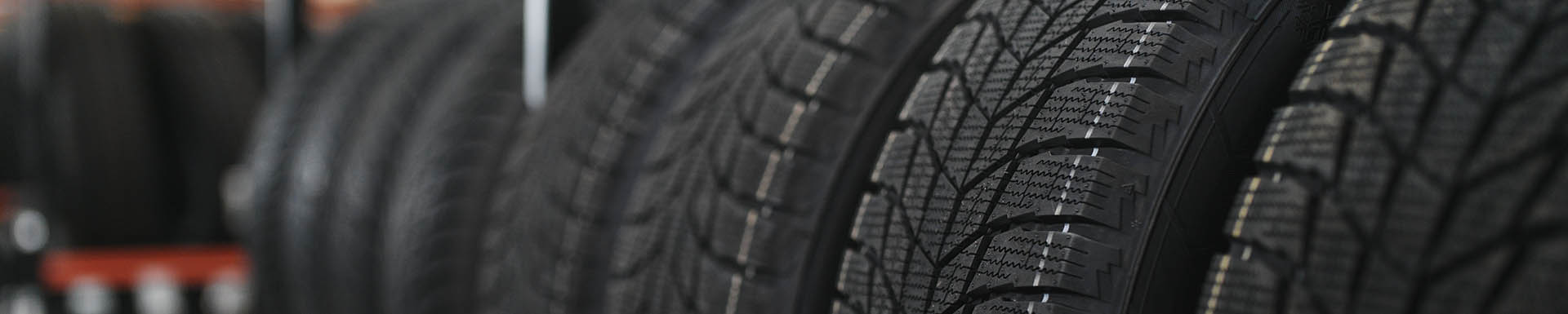
QD-028 TT 4P.R Agriculture Tyre
| Size | Type | P.R. | Max Infl(P.S.I./KPA) | Load(LBS/KGS) | OD(IN/MM) | SW(IN/MM) | Rim Type | Remark | LCI/SI |
| 4.00-8 | TT | 4 | 40/280 | 580/265 | 16.5/419 | 4.0/102 | 8×3.00D |
Agriculture tyre is specially designed for agricultural machinery such as tractors and harvesters to meet the multiple needs of field operations and road driving. Qingda brand agricultural tyres use deep and specially designed treads to significantly improve grip on muddy and soft land, helping machinery to pass through complex farmland terrain smoothly and reduce the risk of getting stuck. The tyre material is wear-resistant and tough, and can withstand friction and impact during long-term operations, extending its service life. Its strong traction not only improves operating efficiency, but also ensures the stability and safety of agricultural machinery under different geological conditions. The Qingda brand focuses on the versatility and durability of its products, ensuring that agricultural tyres perform well in a variety of environments, helping modern agricultural machinery to achieve efficient and reliable field operations, and is an ideal choice for agricultural machinery.
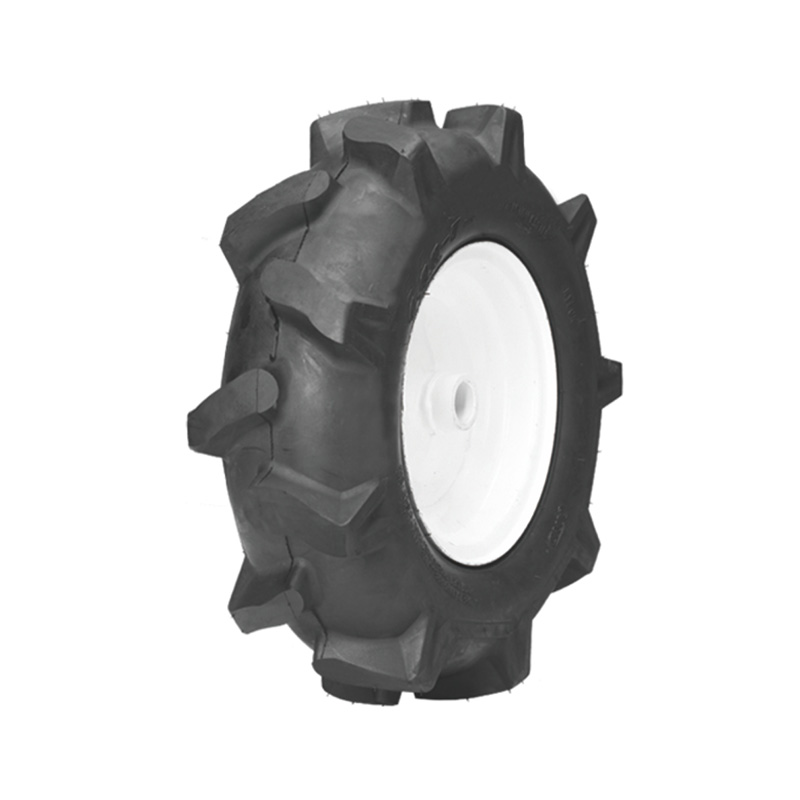
| Size | Type | P.R. | Max Infl(P.S.I./KPA) | Load(LBS/KGS) | OD(IN/MM) | SW(IN/MM) | Rim Type | Remark | LCI/SI |
| 4.00-8 | TT | 4 | 40/280 | 580/265 | 16.5/419 | 4.0/102 | 8×3.00D |
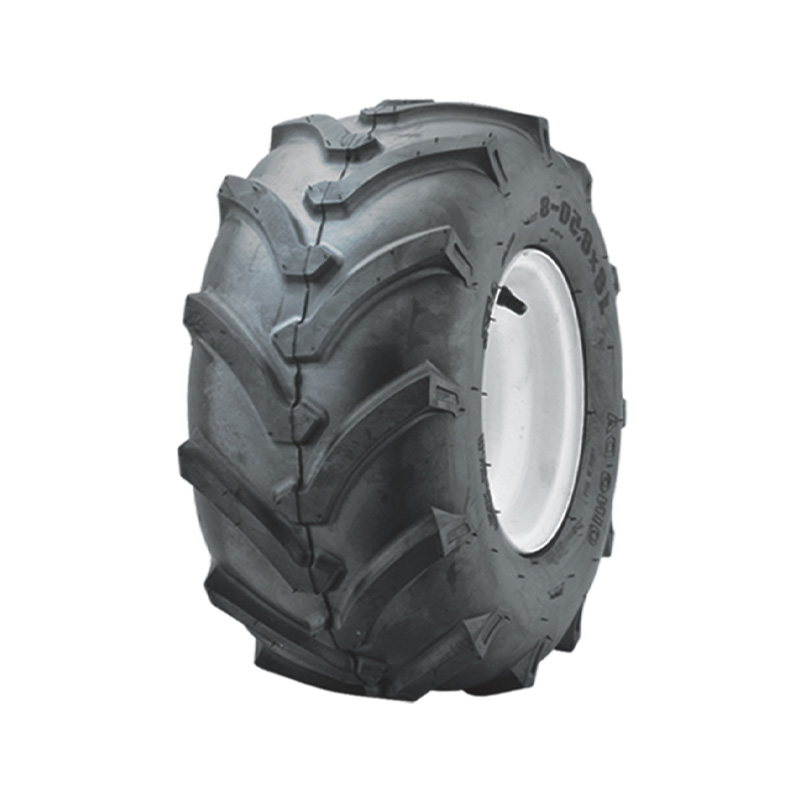
| Size | Type | P.R. | Max Infl(P.S.I./KPA) | Load(LBS/KGS) | OD(IN/MM) | SW(IN/MM) | Rim Type | Remark | LCI/SI |
| 18×8.50-8 | TL | 2 | 10/70 | 825/375 | 18.0/458 | 8.5/217 | 8×7.00 | ||
| 18×8.50-8 | TL | 4 | 22/150 | 825/375 | 18.0/458 | 8.5/217 | 8×7.00 | ||
| 18×8.50-8 | TL | 6 | 34/230 | 1050/475 | 18.0/458 | 8.5/217 | 8×7.00 |
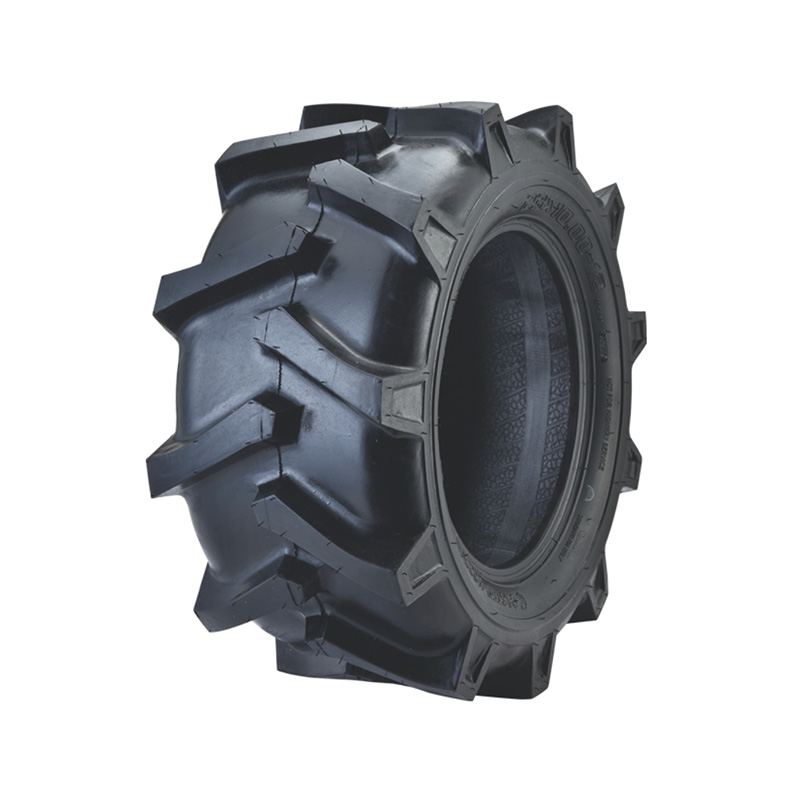
| Size | Type | P.R. | Max Infl(P.S.I./KPA) | Load(LBS/KGS) | OD(IN/MM) | SW(IN/MM) | Rim Type | Remark | LCI/SI |
| 4.00-7 | TT | 2 | 17/120 | 245/110 | 15.9/403 | 4.5/115 | 7×3.00 | ||
| 5-12 | TT | 2 | 17/120 | 330/150 | 20.8/528 | 4.9/125 | 12×4.00 | 42A6 | |
| 6.00-12 | TT | 4 | 26/180 | 715/325 | 25.0/635 | 6.6/167 | 12×4.00 | ||
| 7-12 | TL | 4 | 24/165 | 715/325 | 25.4/845 | 7.4/187 | 12×5JA | 69A6 | |
| 8-16 | TL | 4 | 23/160 | 1200/545 | 31.3/790 | 7.9/200 | 16×6.00 | 87AB | |
| 12.4-16 | TL | 6 | 24/165 | 1820/825 | 38.9/989 | 12.4/315 | 16×W10L | 101A6 | |
| 23×10.00-12 | TT | 6 | 60/415 | 1100/500 | 22.8/580 | 10.0/254 | 12×8.50 | ||
| 26×10.00-12 | TT | 8 | 24/170 | 2156/980 | 26.4/670 | 10.0/254 | 12×8.50 |
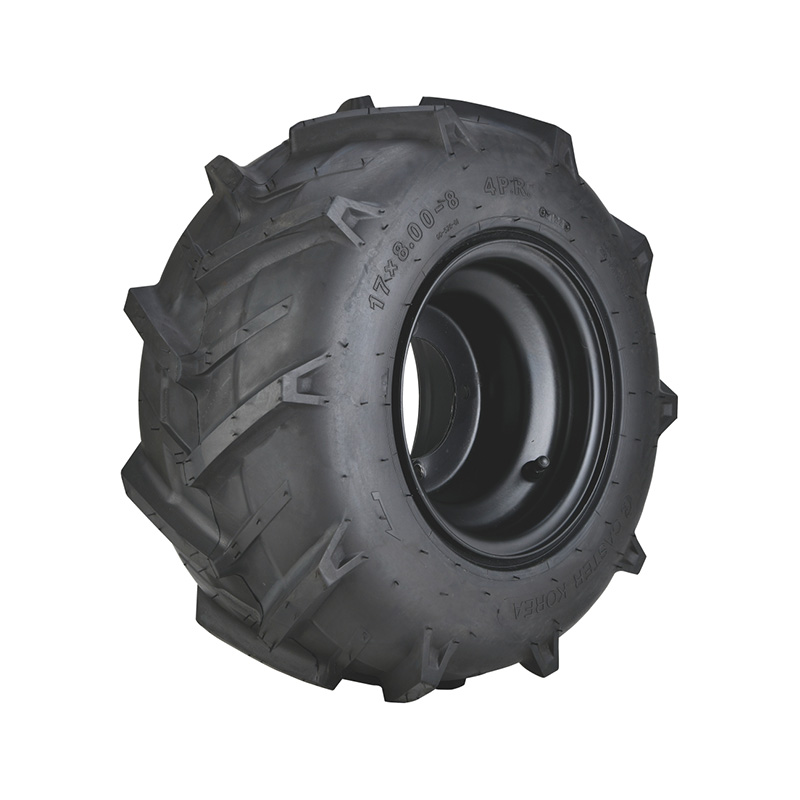
| Size | Type | P.R. | Max Infl(P.S.I./KPA) | Load(LBS/KGS) | OD(IN/MM) | SW(IN/MM) | Rim Type | Remark | LCI/SI |
| 17×8.00-8 | TL | 4 | 14/100 | 625/285 | 16.9/430 | 8.1/205 | 8×7.00 |
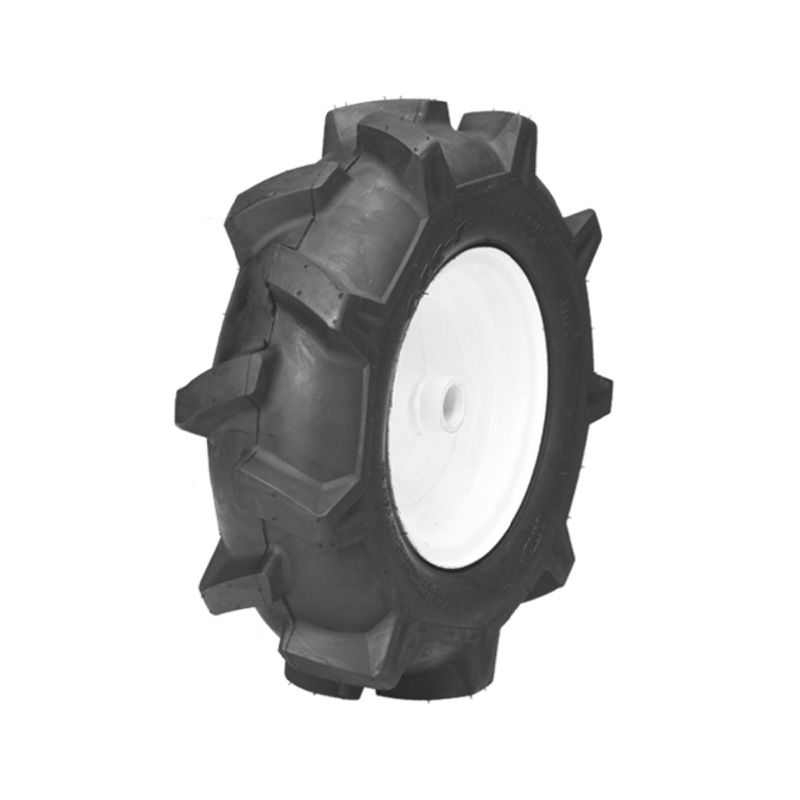
| Size | Type | P.R. | Max Infl(P.S.I./KPA) | Load(LBS/KGS) | OD(IN/MM) | SW(IN/MM) | Rim Type | Remark | LCI/SI |
| 4.00-7 | TT | 2 | 17/120 | 245/110 | 15.9/403 | 4.4/112 | 7×3.00 |
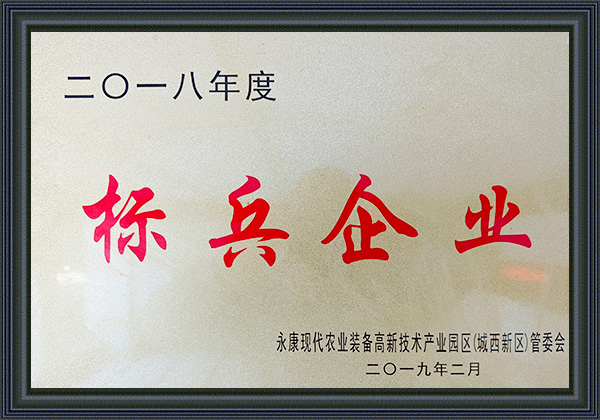
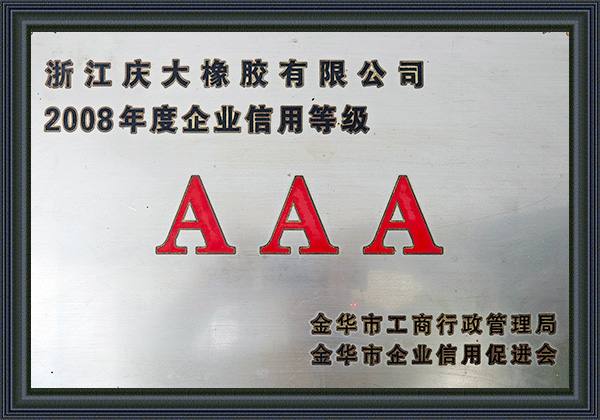
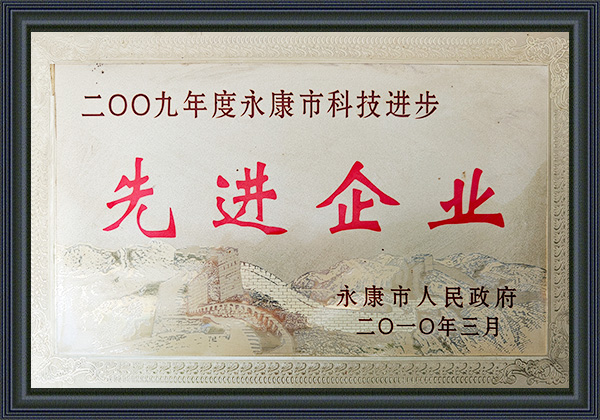
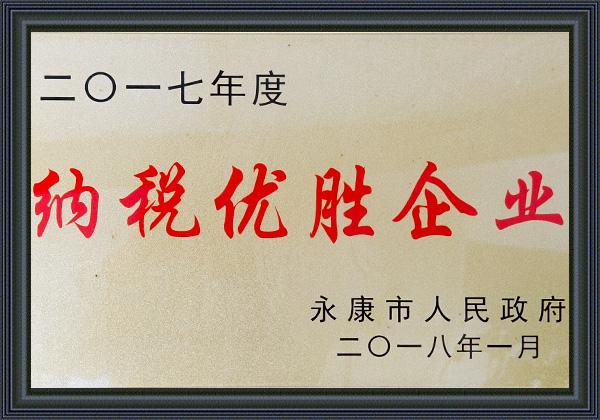
Zhejiang Qingda Rubber Co., Ltd. is a professional manufacturer of rubber tires and air springs in various specifications. Founded in 1992, the company is located in Chengxi New District, Yongkang City, covering a total area of over 70,000 square meters. Its location is convenient: approximately 1.5 kilometers east of the city center, 5 kilometers west of the Jinliwen Expressway entrance, and 1 kilometer north of National Highway 330 (Jinwen Highway).






Lawn mower tires play a quiet but important part in keeping grass neat and yards looking tidy. These specializ...
READ MOREIndustrial tyres are designed for machines that carry, move, lift, or transport heavy materials across factori...
READ MOREDesign Features That Match Field Conditions Agriculture tyres usually show deep, open tread patterns. The larg...
READ MORENobody thinks much about trailer tires until one blows out on the highway shoulder with a boat, camper, or loa...
READ MOREAgricultural tires are specialized tires designed specifically for agricultural machinery, implements, and field vehicles. Unlike highway vehicle tires, which prioritize high-speed performance and comfort, agricultural tires are designed with soil conservation, traction, load-bearing capacity, and adaptability to both field and highway conditions in mind.
1. Large Farms and Agricultural Cooperatives (Core B2B Customers)
2. Agricultural Machinery Dealers and Leasing Companies
3. Precision Agriculture and Conservation Tillage Service Providers
4. Rice-growing areas and tropical agriculture
Note: R-2 tires have poor stability on hard surfaces and uneven wear, making them unsuitable for road transport; for field use only.
5. Orchards, vineyards, and specialty crop cultivation
6. Construction and Agriculture Mixed Contractors
1. Core Advantages of B2B Bulk Procurement: Precise Load-Speed Index Matching Consultation
The load index and speed symbol on agricultural tires must be strictly matched to the equipment's actual operating conditions.
We offer professional matching based on the following factors:
CTIS (Centralized Tire Inflation System) support: While VF tires have significantly reduced the need for field/road pressure adjustments, for fleets using standard tires, CTIS can achieve automatic switching from low field pressure (e.g., 14 psi) to high road pressure (e.g., 26+ psi)
When used with standard tires, its overall performance may surpass that of IF/VF tires without CTIS:
2. Technical Compliance and Data Support
All tires come with a manufacturer's inflation gauge (Inflation). Tables), ensuring three-dimensional matching of load, speed, and pressure. VF/IF tires provide technical white papers quantifying the reduction in soil compaction (20-40%). CFO tires provide a guide to calculating cyclic load bonuses to avoid overloading risks during harvest.
3. Supply Chain Stability
Full-size inventory covering rims from 16 inches to 50+ inches. Maintaining safety stock of commonly used tractor sizes (e.g., 380/85R28, 420/85R30, 480/80R46, 710/70R42, etc.).
Q1: Can different brands or tires with different wear levels be mixed on the same tractor?
A: Strongly discouraged.
Mixing agricultural tires can: Uneven drive force distribution, slippage/traction loss; Steering deviation, reduced operational safety; Additional wear on the transmission system (especially MFWD front-wheel drive tractors); Increased complexity in tire pressure management.
Replacement principles:
Q2: Does the "ply rating" still matter in agricultural tires?
A: For modern radial agricultural tires, the ply rating has been replaced by the load index and speed symbol system. This is because the ply rating originated from the physical number of plies in bias-ply tires, while modern radial tires, through material and structural optimization, no longer have a linear correlation between the actual number of plies and load capacity.
However, for bias-ply agricultural tires, ply rating remains relevant: Higher ply rating = higher air pressure = higher load capacity. Common ply ratings range from 4PR to 14PR, with heavier equipment requiring even higher ratings. When purchasing, prioritize the load index on the tire sidewall, not just the ply rating. If upgrading from bias-ply to radial tires, you must recalculate the load requirements; you cannot simply replace them based on ply rating.
Have any question ?