
 English
 中文简体
中文简体
 Español
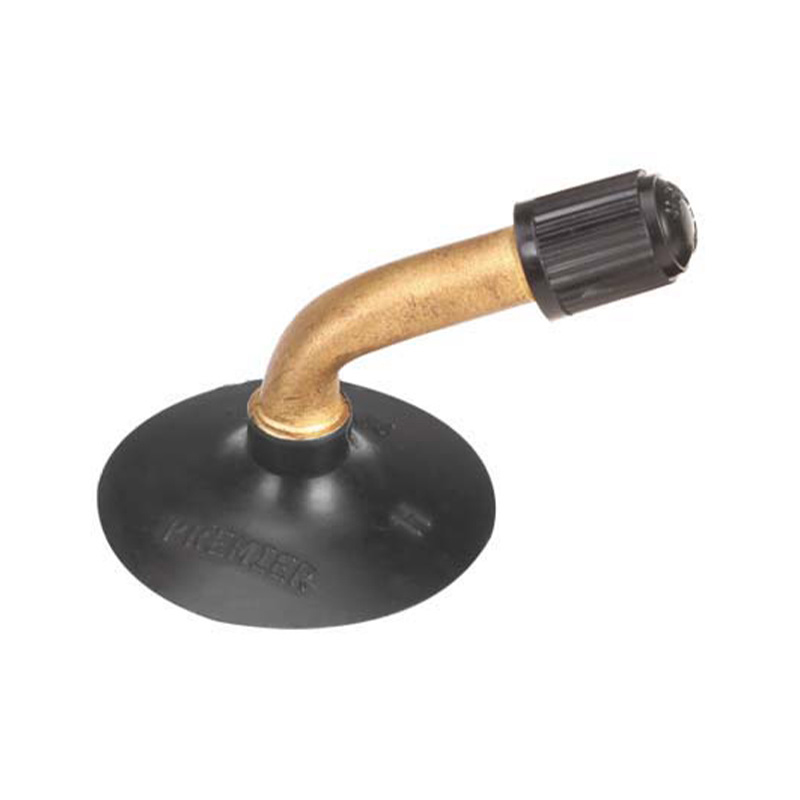
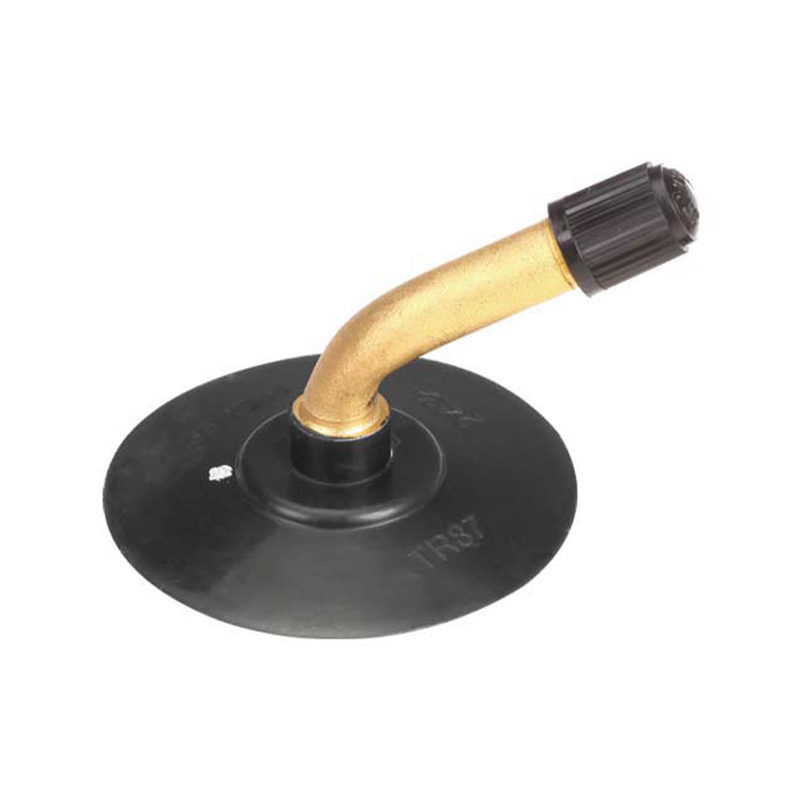
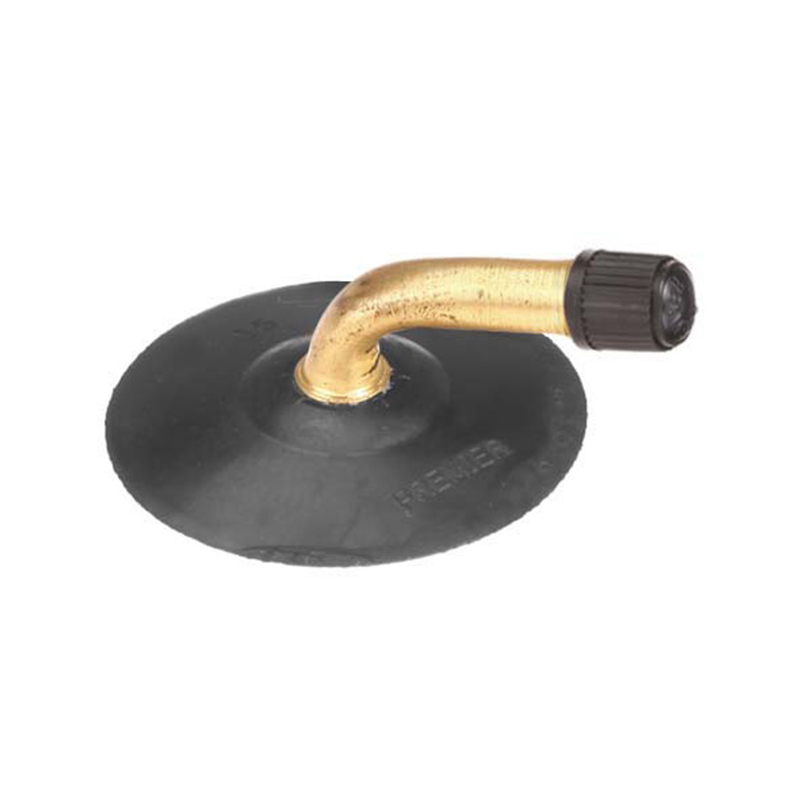
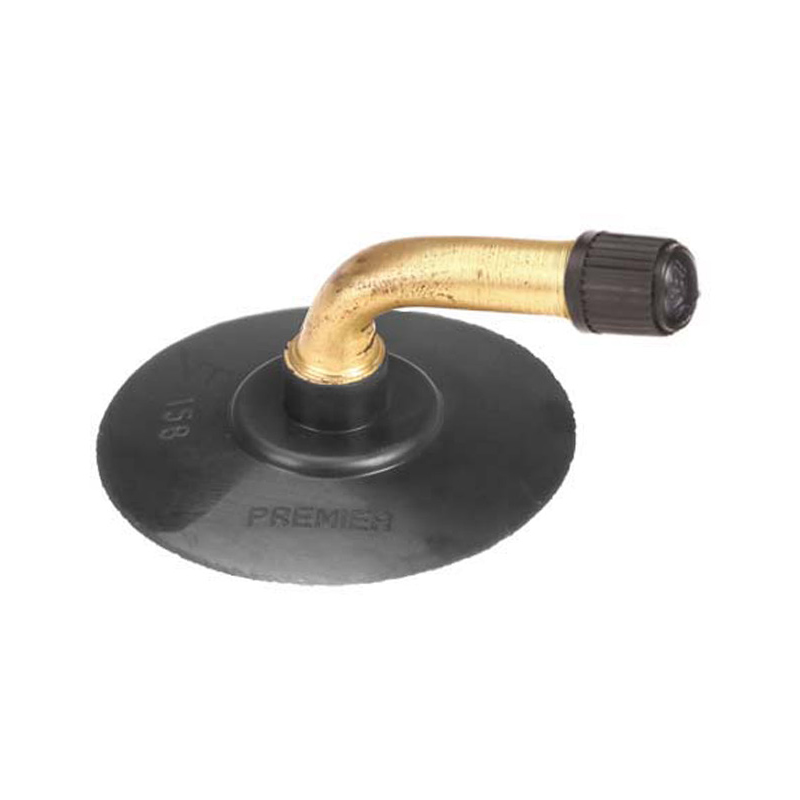
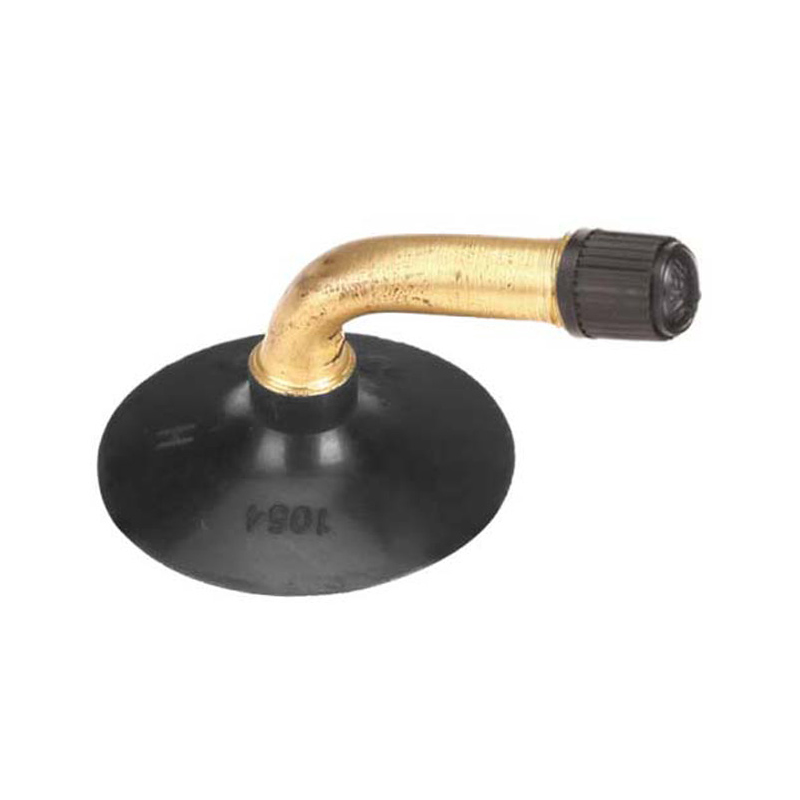
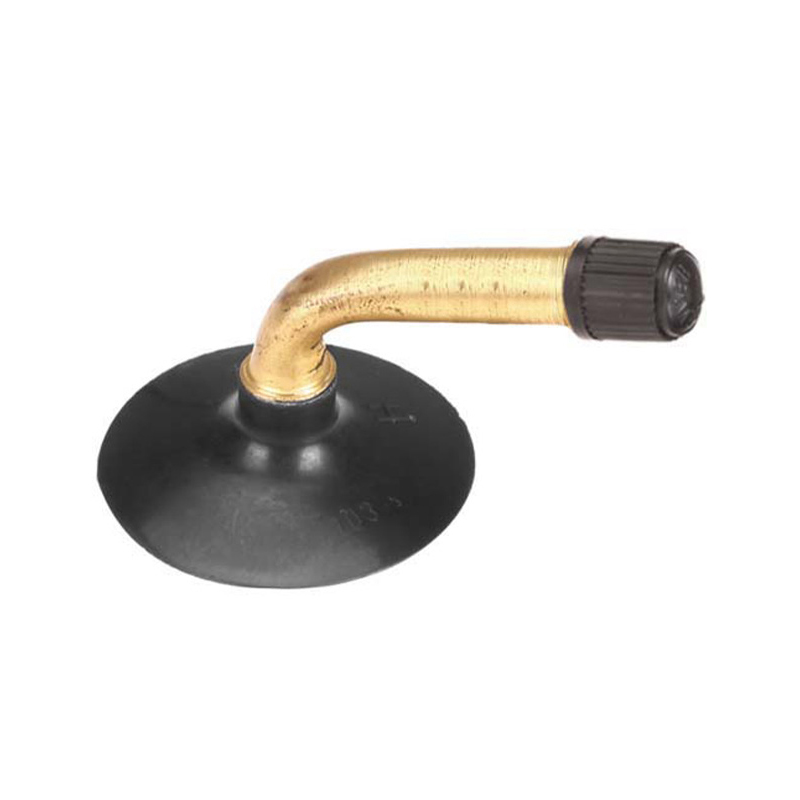
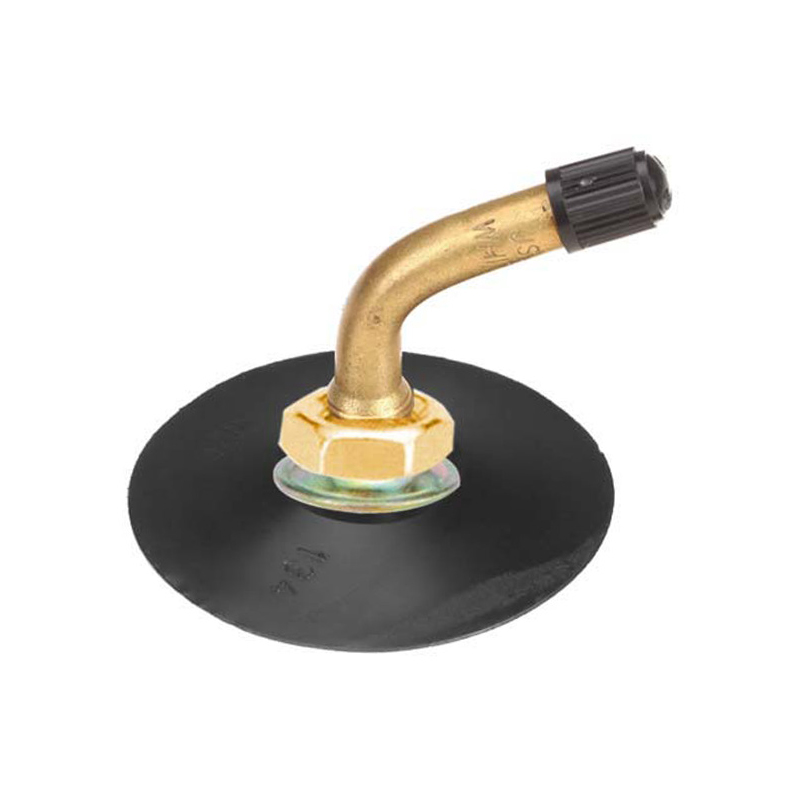
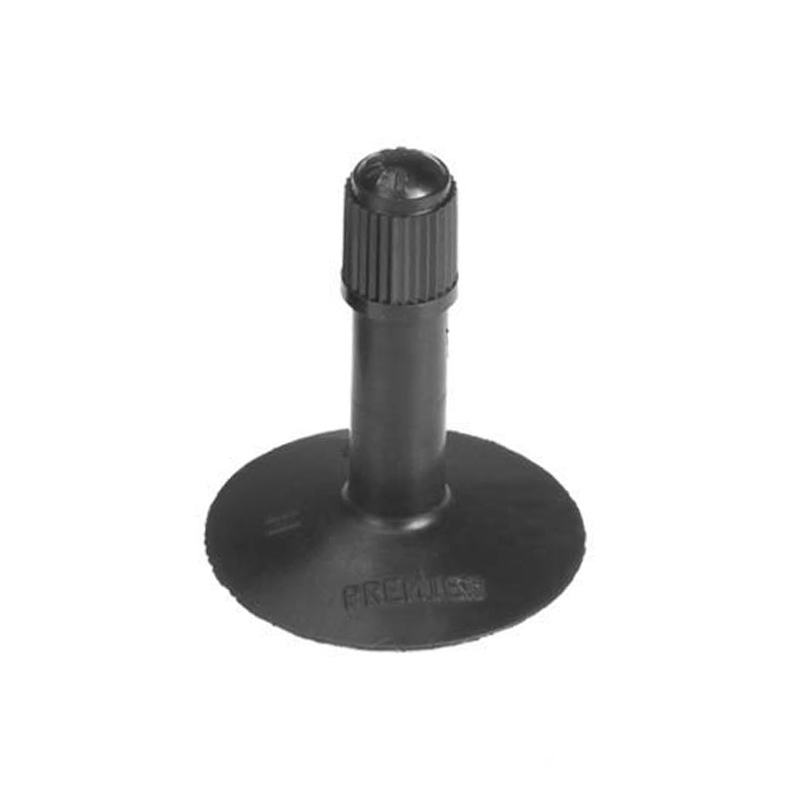
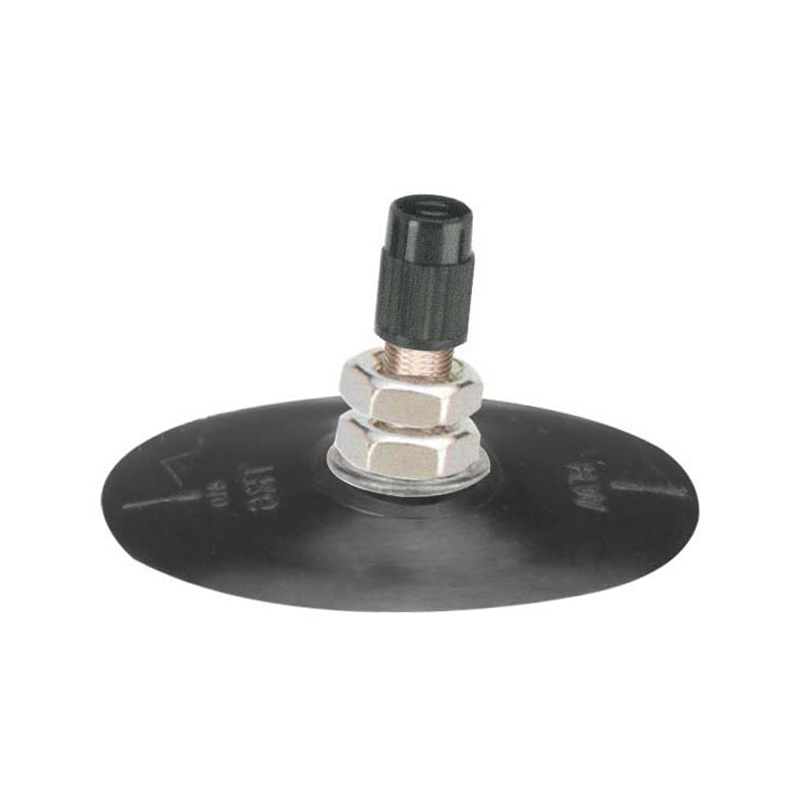
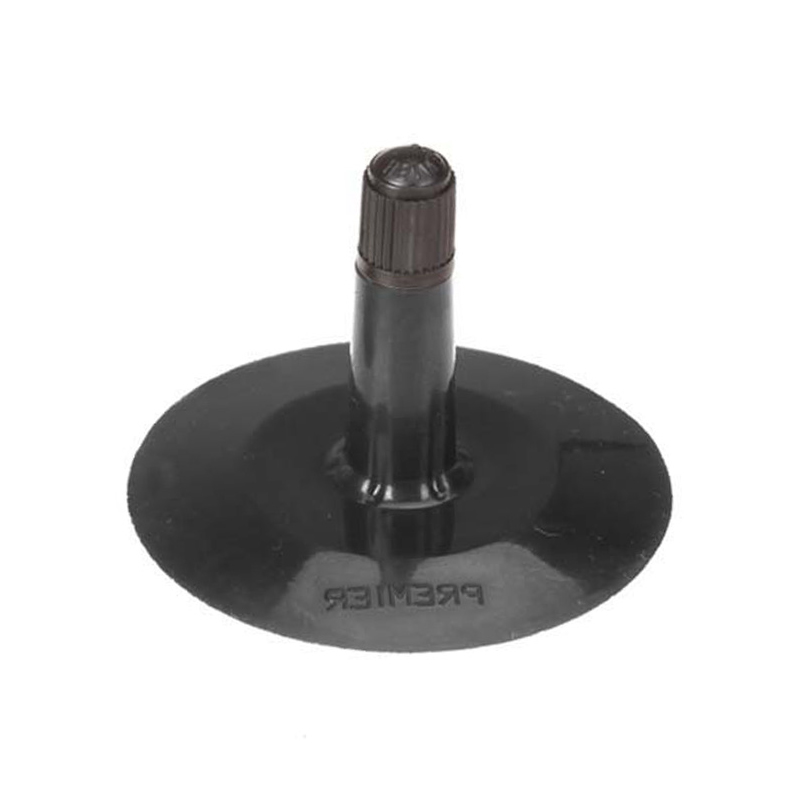
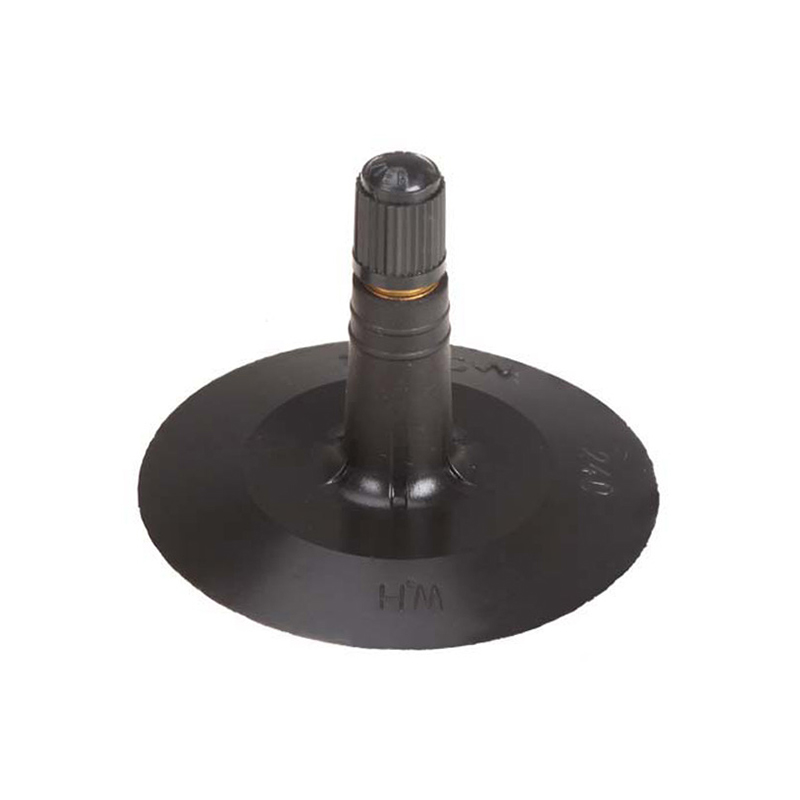
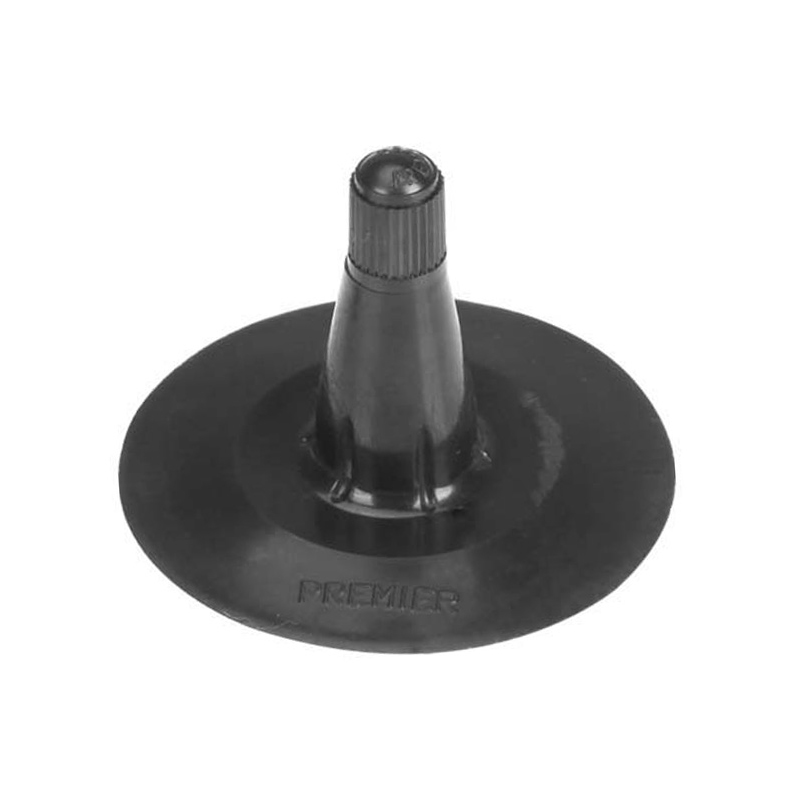
Valve Core
The valve core is a key component inside the valve stem, mainly used to control the inflation and deflation process of the tyre to ensure that the tyre pressure is maintained within a reasonable range. The valve core of the Qingda brand has good sealing performance and durability, effectively preventing gas leakage and improving the efficiency and safety of tyre use. During use, it can work stably under different air pressure and temperature environments to ensure accurate regulation and long-term maintenance of the air pressure inside the tyre. Its structural design facilitates rapid inflation and maintenance, which helps to improve the convenience of daily vehicle management. The Qingda brand pays attention to product quality and process control, so that the valve core is stable in terms of sealing, corrosion resistance and adaptability, and is widely used in tyre systems of various passenger cars, trucks and engineering vehicles.
ABOUT US
33YEARS OF
EXPERIENCE
About Us
Coming From China, Marketing To The World.
Zhejiang Qingda Rubber Co., Ltd. is a professional manufacturer of rubber tires and air springs in various specifications. Founded in 1992, the company is located in Chengxi New District, Yongkang City, covering a total area of over 70,000 square meters. Its location is convenient: approximately 1.5 kilometers east of the city center, 5 kilometers west of the Jinliwen Expressway entrance, and 1 kilometer north of National Highway 330 (Jinwen Highway).
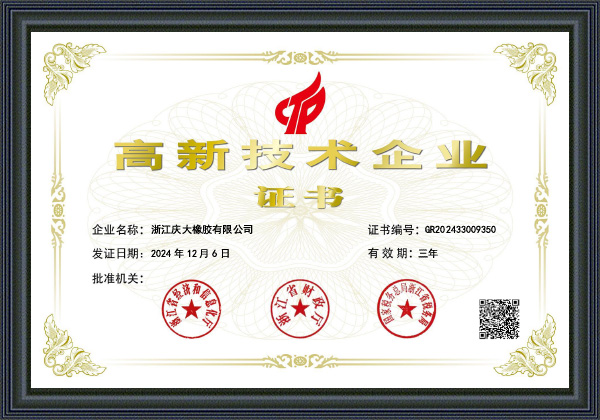
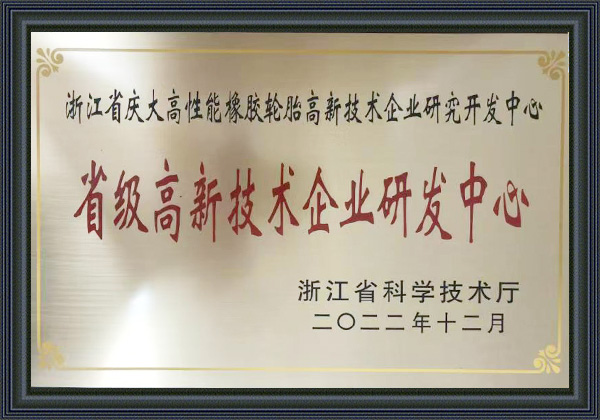
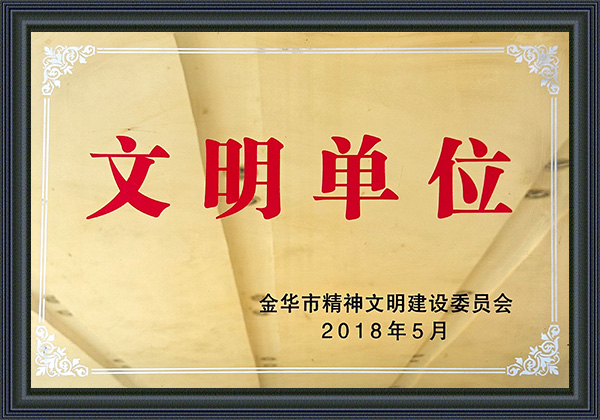
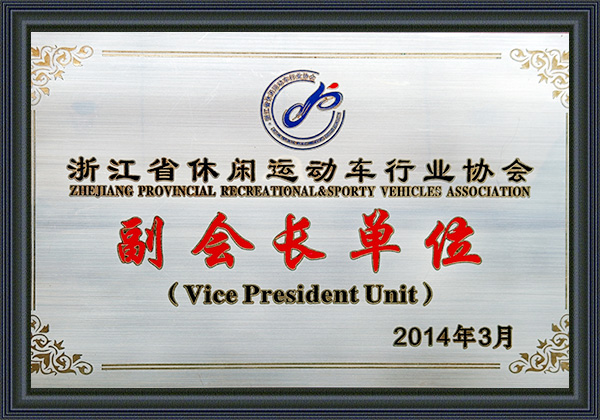
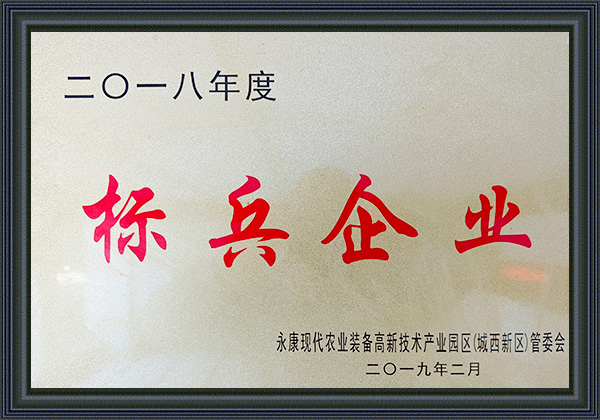
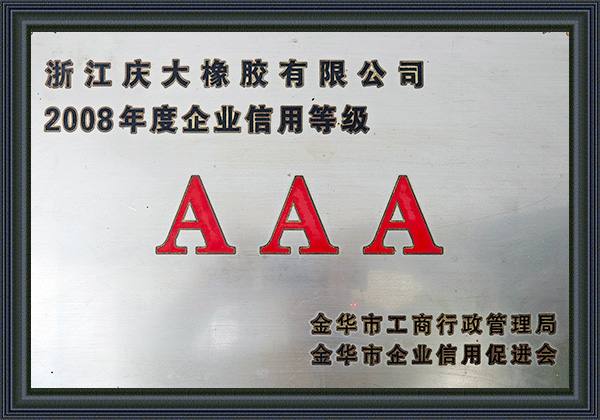
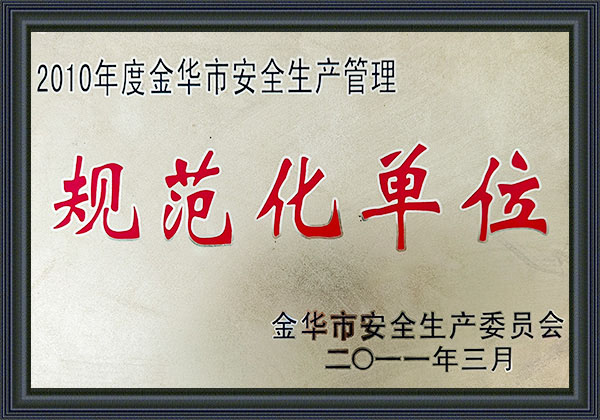
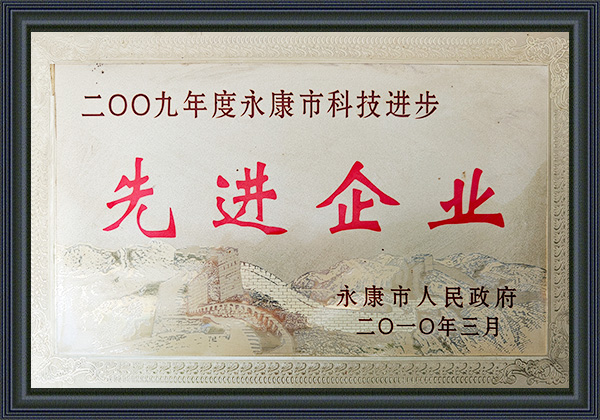
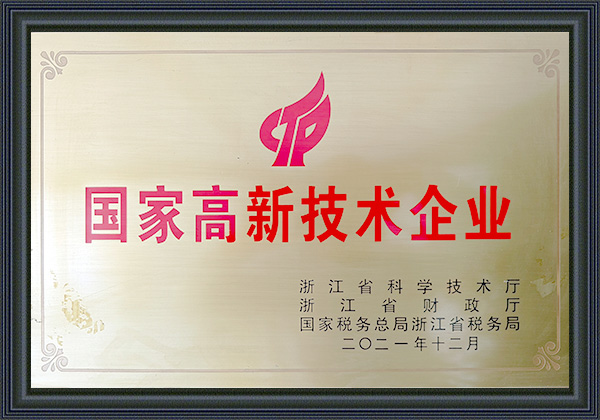
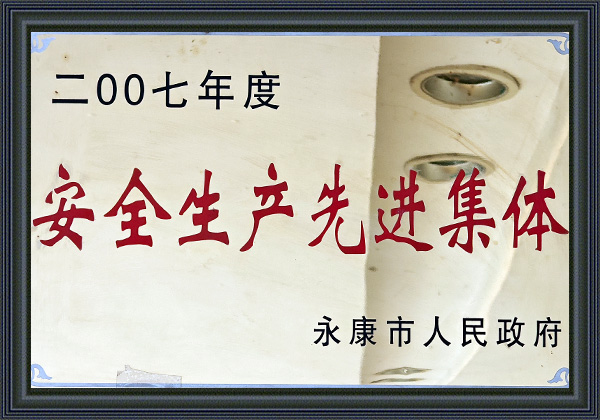
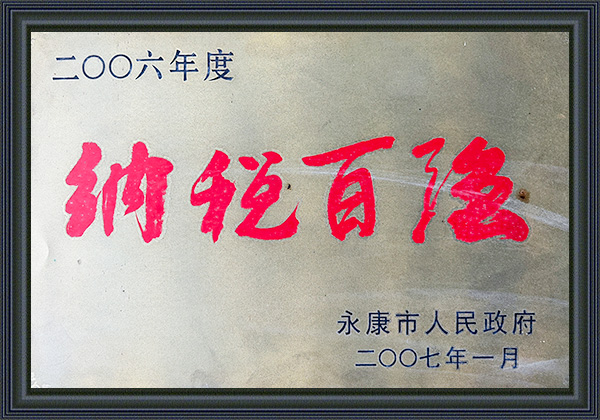
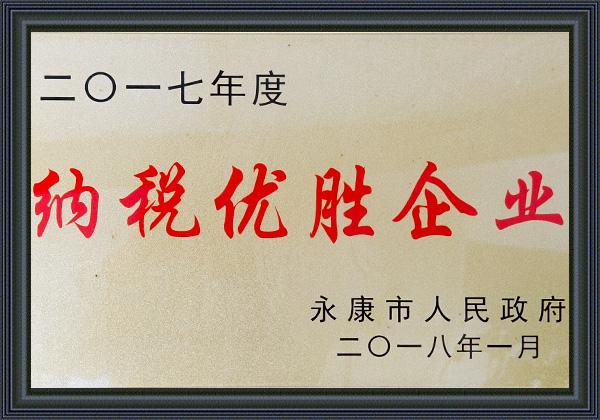
Certificate Of Honor
News
-
Lawn Mower Tires Meet Real Yards
Lawn mower tires play a quiet but important part in keeping grass neat and yards looking tidy. These specializ...
READ MORE -
Where Are Industrial Tyres Used in Modern Factories?
Industrial tyres are designed for machines that carry, move, lift, or transport heavy materials across factori...
READ MORE -
How Agriculture Tyres Grip Soft Soil?
Design Features That Match Field Conditions Agriculture tyres usually show deep, open tread patterns. The larg...
READ MORE -
Why Do Trailer Tires Wear Out So Fast?
Nobody thinks much about trailer tires until one blows out on the highway shoulder with a boat, camper, or loa...
READ MORE
Message Feedback
Industry knowledge
The valve core is the core one-way valve component in a pneumatic tire system. Installed inside the valve stem, it controls the entry and exit of gas and ensures a proper seal. When the inflation device is connected, the valve core's pin is pressed down, the spring is compressed, and the gas passage opens. After inflation, the spring returns to its original position, and the pin fits tightly against the sealing seat, forming a self-tightening seal under the pressure of the air inside the tire, preventing gas leakage.
The performance of the valve core directly determines the tire system's air retention capacity and safety. A poor-quality valve core can to slow, creeping leakage, causing the tire to operate at low pressure for extended periods, increasing wear, fuel consumption, and the risk of tire blowout. Therefore, although small, the valve core is a crucial and indispensable link in the tire safety chain.
Core Structure Classification of Valve Core
Standard Valve Core
The standard valve core is the more common type. It employs a spring-loaded cylindrical one-way valve structure and consists of a valve body, pin, spring, and sealing gasket. The valve body is typically made of brass or zinc alloy and is nickel-plated to prevent contact corrosion. The sealing material is selected based on the application scenario, including nitrile rubber (NBR), neoprene, hydrogenated nitrile rubber (HNBR), or fluororubber (FKM/Viton).
Short Valve Core
Short valve cores have a more compact structure and are suitable for space-constrained valve stems or deep-rimmed wheels. Some short designs utilize an external spring for easy maintenance and replacement. The opening pressure is slightly higher than the standard type (>5.5 bar), making them suitable for high-pressure applications.
Long Valve Core
Long valve cores offer greater pin travel and gas flow rate, suitable for high-flow inflation scenarios (such as truck and construction machinery tires) and applications requiring rapid inflation/deflation. The opening pressure is typically 5 bar, close to the standard type but with higher flow efficiency.
Specialty Valve Cores
Specialty valve cores are designed for specific operating conditions:
- High Opening Pressure Type: Opening pressure > 4.5 bar, suitable for tire systems requiring higher sealing pressure.
- Low Opening Pressure Type: Opening pressure 1.5-2.5 bar, suitable for low-pressure tires (e.g., agricultural machinery, construction equipment).
- Large Orifice Type: 8mm or 10mm orifice diameter, providing higher flow rate, suitable for rapid inflation of large tires.
- Balancing Powder Type: Prevents balancing powder from entering the valve core and causing blockage; internal structure includes a filter design.
Application Scenarios: Who Purchases Valve Cores in Bulk?
1. Tire Manufacturers and Valve End Suppliers
Global annual tire production exceeds 2.5 billion units (including automotive, truck, motorcycle, bicycle, and industrial tires). Each tire is equipped with at least one valve core (tubeless tires integrate through valve ends), creating a continuous demand for valve core components. As a core component of the valve end, the valve core is installed before the tire leaves the factory and is a standard feature of tire systems.
2. Automakers and OEM Aftermarket Services
Automakers equip new vehicles with valve cores at the factory, but the aftermarket requires continuous replacement:
- Passenger Vehicles: Each vehicle has 4-5 tires (including the spare). Valve core replacement cycles are typically synchronized with tire replacements (every 3-5 years or 50,000-80,000 km). Valve cores endure significant stress during tire installation and removal and are constantly exposed to environmental corrosion such as ozone, UV rays, and chemicals. Inspecting and replacing valve cores with each tire change is industry good practice.
- Commercial Vehicles/Trucks: Heavy-duty trucks have a higher number of tires (6-22) and operate at high intensity, resulting in more frequent valve core replacements. Truck fleet management incorporates valve cores into preventative maintenance plans.
- TPMS (Tire Pressure Monitoring System) Integration: Modern vehicles commonly feature TPMS, where valve cores are integrated with sensors (e.g., rubber valve stems with metal valve cores). Valve core quality directly affects the sealing and accuracy of the TPMS. TPMS valve cores are typically nickel-plated to prevent corrosion from contact with the aluminum alloy sensor housing.
3. Motorcycle and Bicycle Manufacturers
The demand for motorcycle and bicycle valve cores is enormous:
- Motorcycles: Global annual production exceeds 55 million units. Motorcycle valve cores use the Schrader standard (common to automotive valves), but are smaller. Motorcycle valve cores need to withstand higher vibrations and temperature changes, and sealing materials are typically HNBR or fluororubber.
- Bicycles: Both Presta (French) and Schrader (American) valve cores exist. High-end road bikes and mountain bikes use Presta valve cores, which have a more refined structure and higher sealing requirements. Bicycle valve cores are replaced less frequently than automotive valve cores, but cycling enthusiasts often carry spare valve cores and disassembly tools.
4. Agricultural and Construction Machinery
Tractors, combine harvesters, loaders, excavators, and other equipment use large-size tires, requiring valve cores to be compatible with:
- Low-pressure tires (agricultural tire pressure is typically 1.5-2.5 bar)
- High-vibration environments
- Mud and dust contamination
- Seasonal use (seals are prone to aging after long-term storage)
Specialized valve cores (such as the TRCH3 type) are designed for agricultural machinery, conform to ETRTO V4.02.1 standards, have a height of 20.5mm, and are compatible with large valve stems.
Why Buy in Bulk from Us?
1. Performance Levels Meet All Budget Needs
- Economy/Practical: Zinc alloy valve body, NBR seal, unplated, meets the basic needs of general automobiles, motorcycles, and bicycles, the one choice for cost-sensitive markets.
- Standard/All-Round: Brass valve body, NBR or HNBR seal, nickel-plated, balances performance and cost, suitable for more automotive, light truck, and industrial applications. Opening pressure 3-5 bar, operating temperature -40°C to +150°C, operating pressure 300-700 psi.
- High-performance type: Brass body, HNBR or FKM seals, nickel-plated, suitable for high-performance automobiles, racing cars, climates, and heavy-duty applications. Opening pressure >4.5 bar, operating temperature -40°C to +200°C, ozone and chemical corrosion resistant.
2. Core Advantages of B2B Bulk Procurement
Installation Torque and Tool Matching Support
The installation torque of the valve core is a key variable for sealing performance. The ISO standard recommends an installation torque of 3-5 in-lbs (0.34-0.57 Nm), but in practice, improper tools often result in overtightening (damaging the gasket) or undertightening (leaking).
We offer:
- Torque Driver Bits solutions to ensure precise torque control during automated assembly
- Valve Core Remover Tool kits for repair shops and roadside emergency repairs
- Installation training guides emphasizing the industry standard of "Never reusing disassembled valve cores"—once a valve core is removed, the seal is damaged and must be replaced with a new one
3. Material selection and compatibility consultation
Recommending material combinations based on your target market:
- Aluminum alloy wheel rim market: Nickel-plated valve cores to prevent copper-aluminum contact corrosion
- TPMS integration market: Nickel-plated + HNBR seals to ensure long-term sensor sealing
- Extreme high temperature market (desert, tropical): HNBR or FKM seals, resistant to ozone and high-temperature aging
- Extreme low temperature market (Arctic, high altitude): Silicone or special low-temperature NBR to maintain elasticity
- Cleanliness and quality control: Valve cores require extremely high cleanliness; even tiny particles can cause seal failure.
ISO standards require valve cores and valve stems to be less than 0.015 grams/100 pieces (final assembled state). We offer:
- Cleanroom assembly environment (for some high-end models)
- Automated torque-controlled assembly lines to avoid debris generated by manual operation
- Batch consistency certificates and material test reports (brass composition, sealing material hardness, spring elasticity coefficient)
Frequently Asked Questions about Valve Core Procurement
Q1: What does "opening pressure" mean for valve cores? Why is there such a large difference in opening pressure between different models?
A: Opening pressure refers to the pressure required for the valve core pin to be pressed down and the gas passage to open. It is determined by the spring stiffness and the design of the pin sealing surface.
The standard valve core opening pressure is typically 3-5 bar (±25%), which is the range for balancing inflation convenience and sealing safety. Too low an opening pressure (<<2 bar) may cause the tire to open unexpectedly due to centrifugal force or vibration on bumpy roads or at high speeds, resulting in slow leakage. Too high an opening pressure (>6 bar) increases inflation difficulty, requiring higher inflation pressure to open the valve core.
Different application scenarios require different opening pressures:
- Standard cars/motorcycles: 3-5 bar, balancing inflation efficiency and sealing.
- High-performance/heavy-duty vehicles: >4.5 bar, ensuring absolute sealing under high pressure.
- Agricultural machinery/low-pressure tires: 1.5-2.5 bar, suitable for low-pressure inflation equipment.
When purchasing, the matching opening pressure must be selected based on the working pressure of the tire system and the capacity of the inflation equipment.
Q2: What is the difference between nickel-plated and unplated valve cores? Which one should I choose for my product?
A: The core difference between nickel-plated and unplated valve cores lies in corrosion resistance and compatibility.
Nickel-plated valve cores have a layer of nickel coating on the surface of the brass valve body, effectively preventing contact corrosion (Galvanic corrosion)—when brass (copper-based alloy) comes into direct contact with aluminum alloy (rim material), electrochemical corrosion occurs in humid and electrolyte environments, expanded corrosion of the rim valve holes, loosening of the valve core, and leakage. The nickel plating layer acts as an insulating layer, blocking the copper-aluminum electrochemical reaction. Unplated nickel valve cores are less expensive and suitable for steel rims (no risk of contact corrosion) or budget-sensitive markets.
Purchasing recommendations: Nickel-plated valve cores are essential for the aluminum alloy rim market (modern passenger cars, high-end bicycles); unplated nickel valve cores are acceptable for the steel rim market (some trucks, economy cars); TPMS integrated valve stems must be nickel-plated to prevent sensor housing corrosion. Aerospace applications typically employ special surface treatments or all-stainless steel construction.
Have any question ?
contact us

-
Vision
"Success comes from steady progress—perseverance, quality, and innovation drive our growth. Mr. Qing believes the path forward never ends." -
Contact Us
No. 288 Huacheng East Road, Chengxi New District, Yongkang City, Zhejiang Province+86-57987205288qind@qindtire.com -
Quick Links
Home Products About Us Service News Contact Us -
product
ATV Tyre Multi-Purpose UTV Tyre Motorcycle Tyre Trailer Tyre Lawn Mower Tyre Snowplow Tyre Golf Tyre Industrial Tyre Agriculture Tyre Kart Tyre Scooter Tyres Solid Tyres -
Mobile
Copyright © 2025 Zhejiang Qingda Rubber Co., Ltd. All rights reserved.
