English
 中文简体
中文简体
 Español
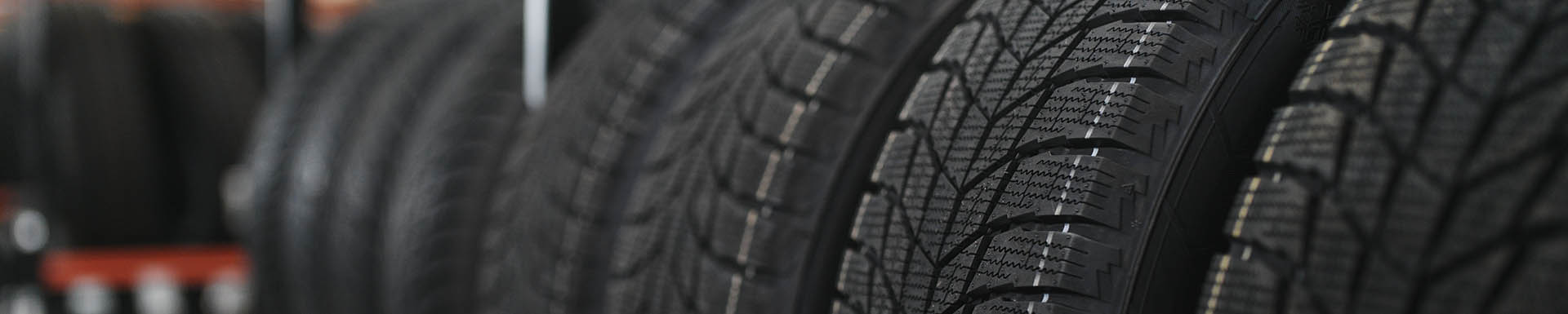
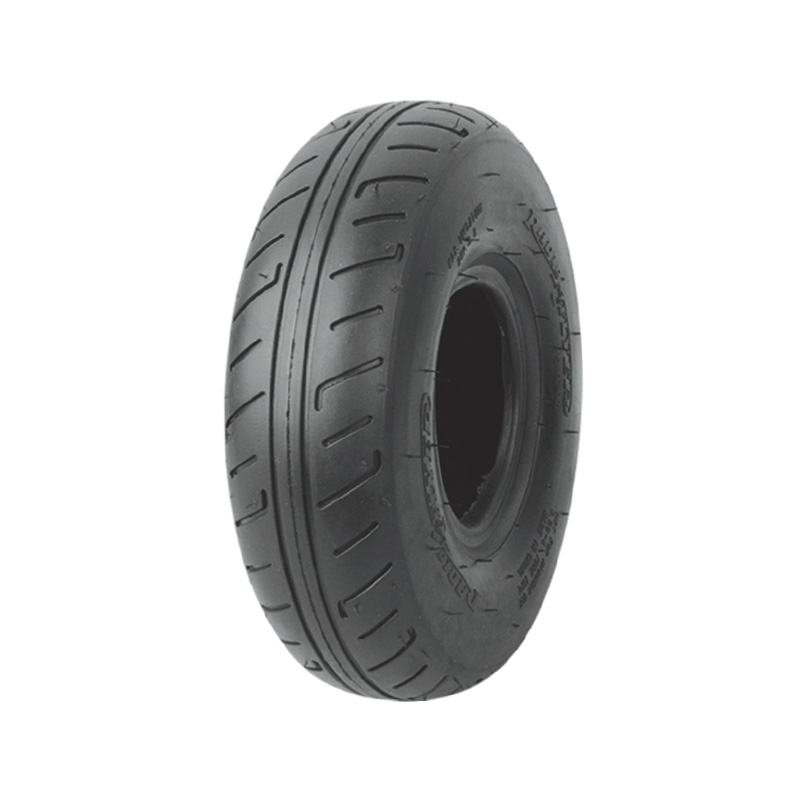
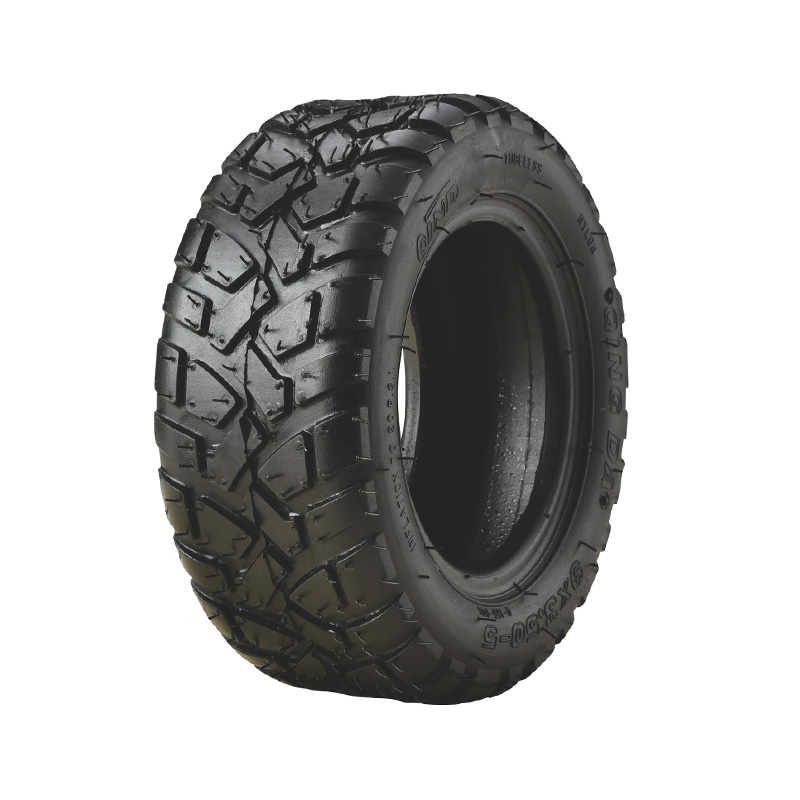
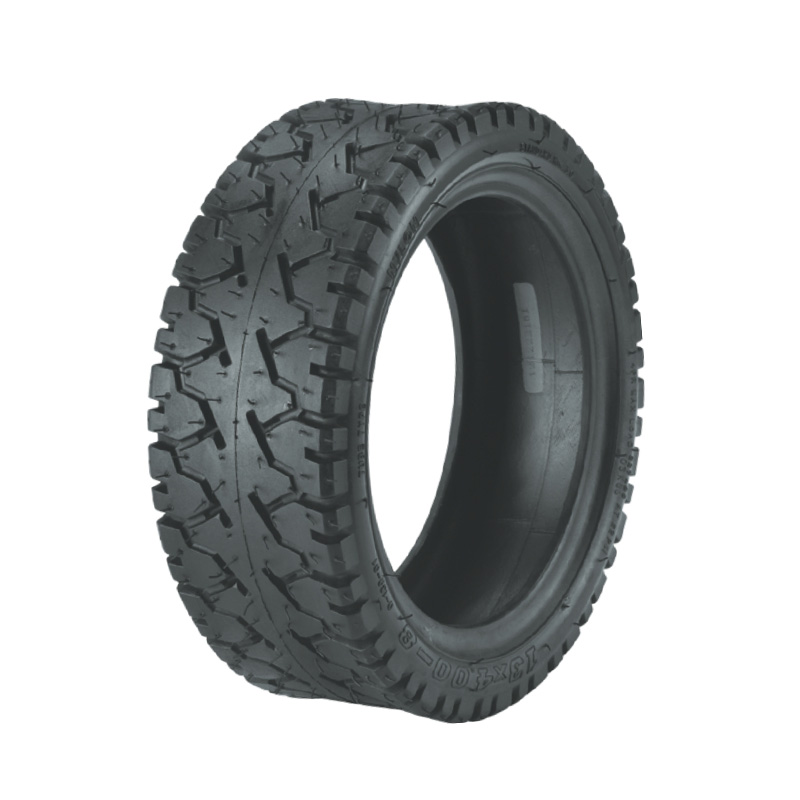
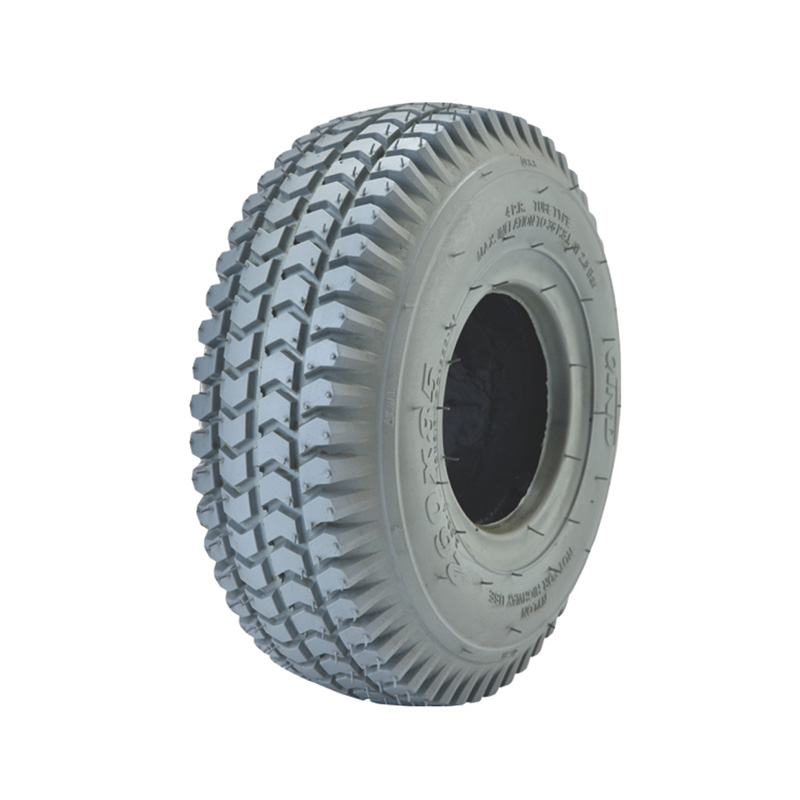
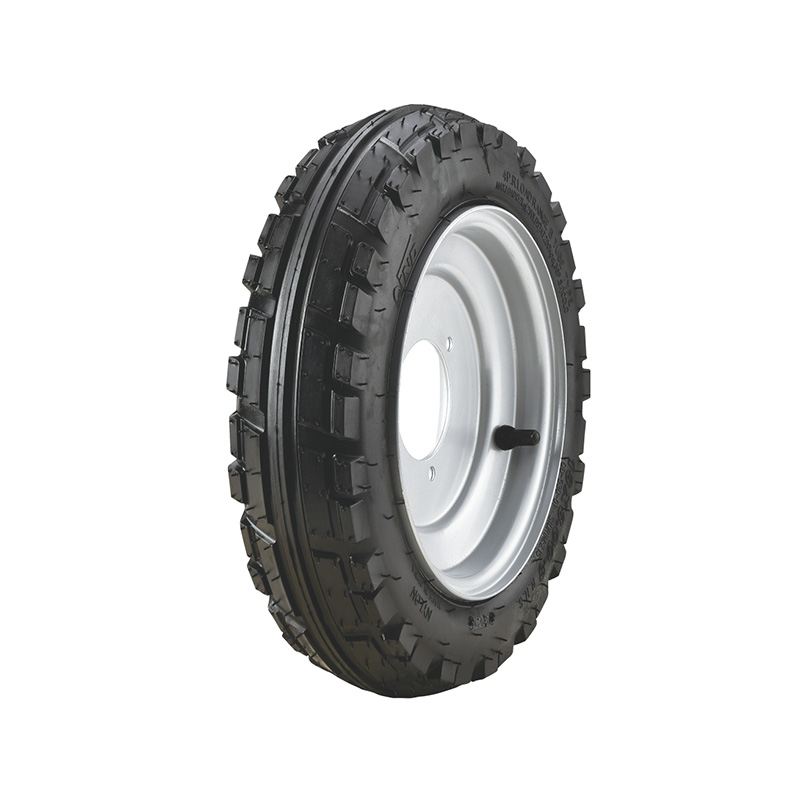
Q-106 TT 4P.R Industrial Tyre
| Size | Type | P.R. | Max Infl(P.S.I./KPA) | Load(LBS/KGS) | OD(IN/MM) | SW(IN/MM) | Rim Type | Remark | LCI/SI |
| 9×3.50-4 | TT | 4 | 50/350 | 385/175 | 9.0/229 | 3.5/89 | 4×2.5 |
Industrial tyre is an important component of industrial vehicles such as forklifts and loaders, and is designed for high-intensity working environments. Qingda brand industrial tyres use thickened carcasses and high-strength rubber formulas, with excellent load-bearing capacity, and can stably support the high-load operation of heavy equipment in operations such as handling and stacking. Its tread structure has been reinforced and has excellent wear resistance and tear resistance. It is suitable for various rough surfaces such as concrete, gravel or metal chip floors, reducing losses and extending service life. The tyre design takes into account both stability and shock resistance, effectively improving the smoothness and operating efficiency of equipment operation. Qingda industrial tyres are widely used in various industrial scenarios such as warehousing, docks, manufacturing, etc., providing reliable support for high-frequency operating vehicles, and are a practical choice for heavy-duty site operations.
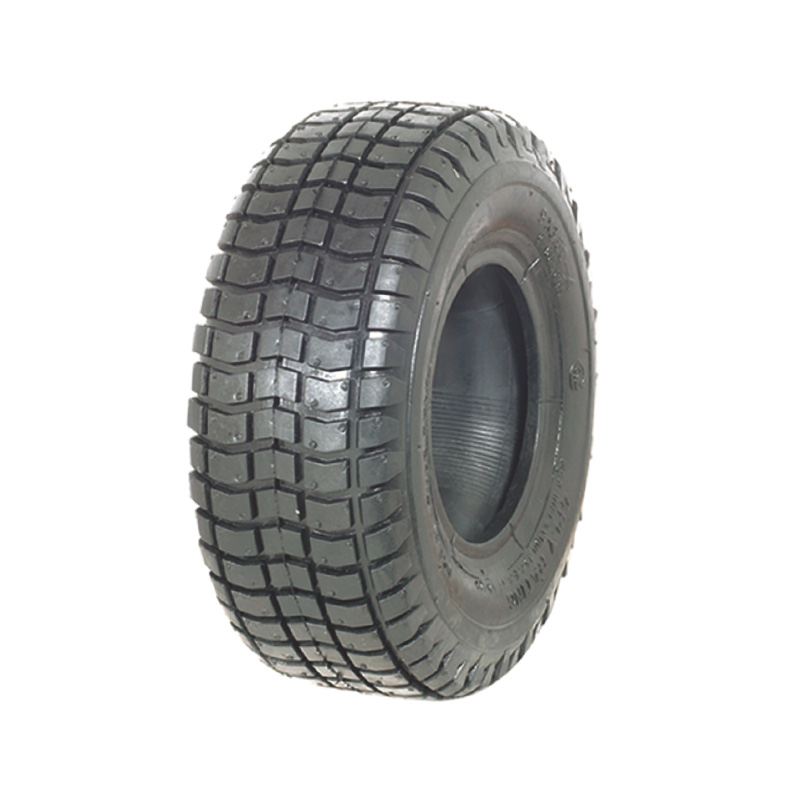
| Size | Type | P.R. | Max Infl(P.S.I./KPA) | Load(LBS/KGS) | OD(IN/MM) | SW(IN/MM) | Rim Type | Remark | LCI/SI |
| 9×3.50-4 | TT | 4 | 50/350 | 385/175 | 9.0/229 | 3.5/89 | 4×2.5 |
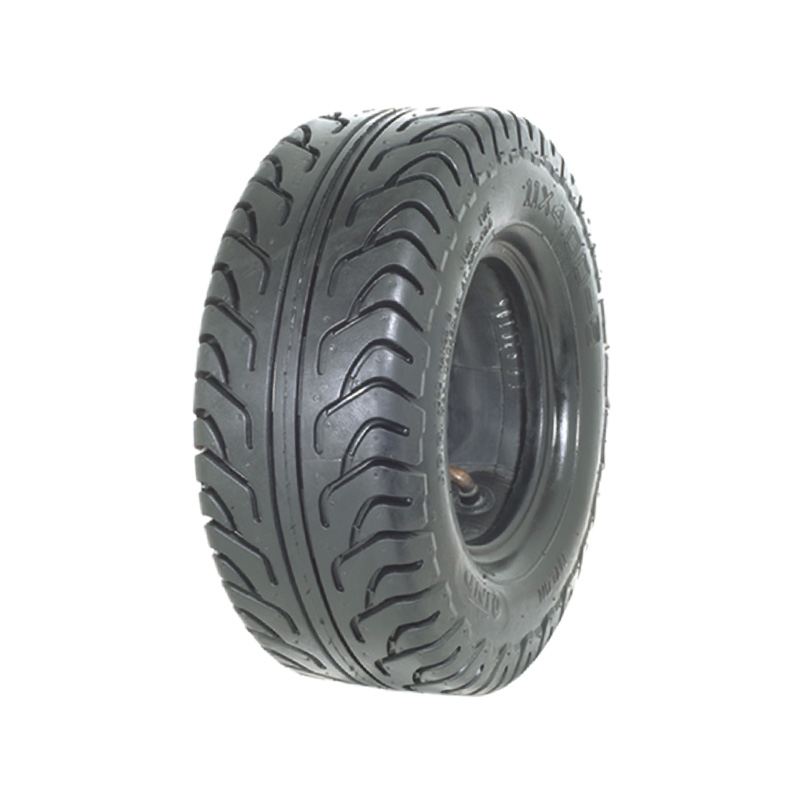
| Size | Type | P.R. | Max Infl(P.S.I./KPA) | Load(LBS/KGS) | OD(IN/MM) | SW(IN/MM) | Rim Type | Remark | LCI/SI |
| 4.00-5 | TT | 4 | 40/280 | 330/150 | 13.0/330 | 3.7/94 | 5×2.50 | E4-75R-0004034 | 42B |
| 11×4.00-5 | TL | 4 | 28/190 | 220/100 | 11.0/279 | 3.9/99 | 5×3.00 | ||
| 11×5.00-5 | TT | 4 | 28/190 | 375/170 | 11.0/279 | 4.8/122 | 5×3.00 |
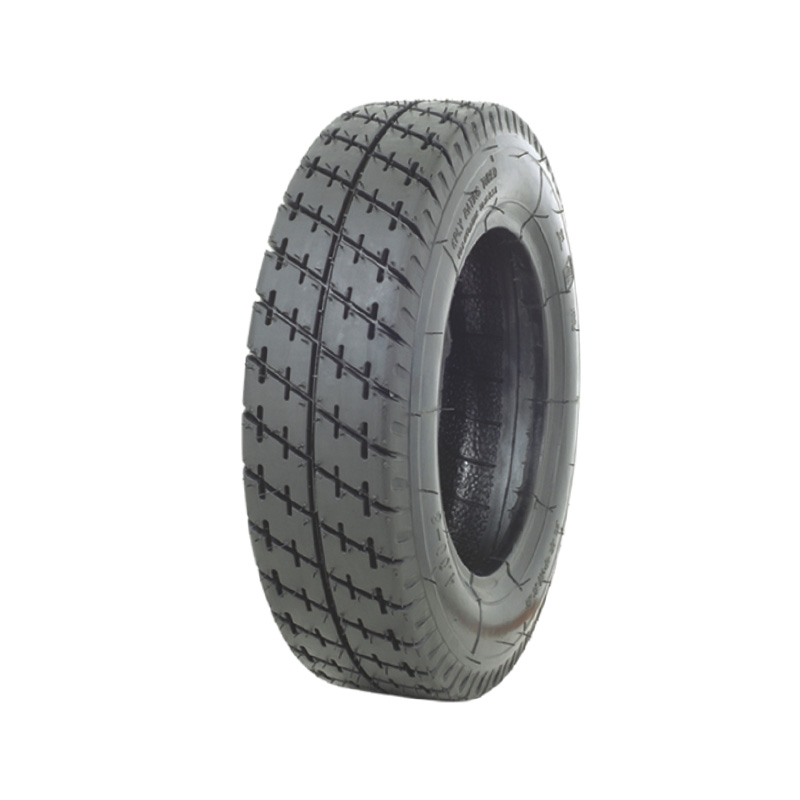
| Size | Type | P.R. | Max Infl(P.S.I./KPA) | Load(LBS/KGS) | OD(IN/MM) | SW(IN/MM) | Rim Type | Remark | LCI/SI |
| 4.10/3.50-4 | TT | 4 | 50/350 | 385/175 | 10.6/268 | 3.7/94 | 4×3.25 |
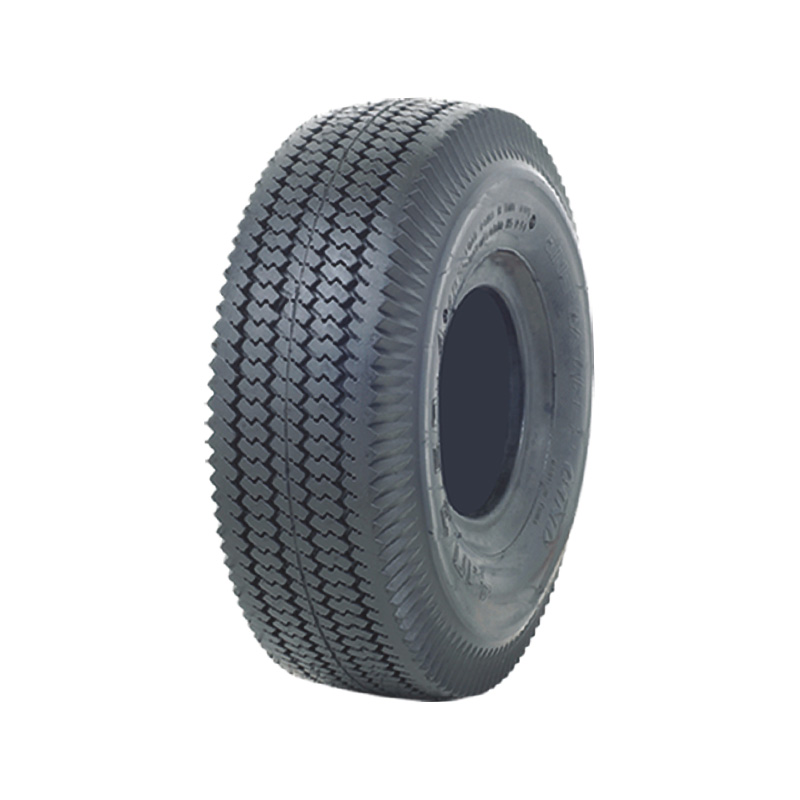
| Size | Type | P.R. | Max Infl(P.S.I./KPA) | Load(LBS/KGS) | OD(IN/MM) | SW(IN/MM) | Rim Type | Remark | LCI/SI |
| 2.80/2.50-4B | TL | 4 | 50/350 | 330/150 | 9.0/230 | 3.0/75 | 4×2.25 | ||
| 4.10/3.50-4 | TT | 2 | 24/170 | 225/103 | 10.5/267 | 3.6/92 | 4×2.35 | ||
| 4.10/3.50-4 | TT | 4 | 50/350 | 390/175 | 10.5/267 | 3.6/92 | 4×2.35 | ||
| 4.10/3.50-4A | TL | 2 | 24/170 | 225/103 | 10.5/267 | 3.6/92 | 4×2.35 | ||
| 4.10/3.50-4A | TL | 4 | 50/350 | 390/175 | 10.5/267 | 3.6/92 | 4×2.35 | ||
| 4.10/3.50-4B | TL | 2 | 24/170 | 225/103 | 10.8/274 | 3.6/92 | 4×2.25 | ||
| 4.10/3.50-4B | TL | 4 | 50/350 | 390/175 | 10.8/274 | 3.6/92 | 4×2.25 | ||
| 4.10/3.50-5 | TL | 4 | 50/350 | 380/170 | 11.8/300 | 4.0/102 | 5×3.25 | ||
| 4.10/3.50-6B | TL | 4 | 50/350 | 380/170 | 12.6/320 | 3.6/92 | 6×2.75 |
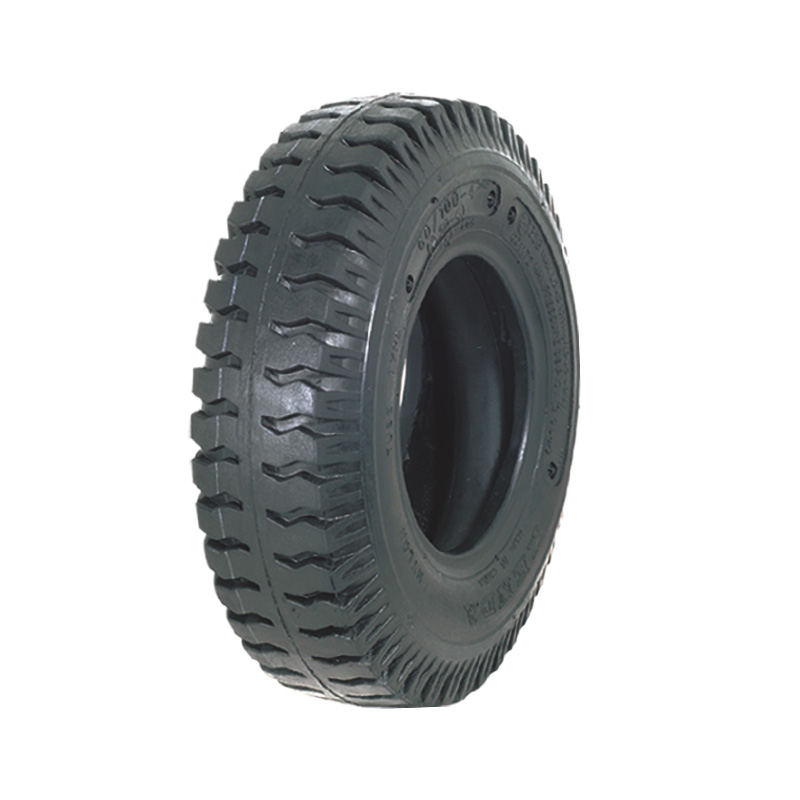
| Size | Type | P.R. | Max Infl(P.S.I./KPA) | Load(LBS/KGS) | OD(IN/MM) | SW(IN/MM) | Rim Type | Remark | LCI/SI |
| 2.50-4(60/100-4) | TT | 4 | 36/250 | 265/121 | 9.1/230 | 2.3/58 | 4×1.50 | E4-75R-0004032 | 35B |
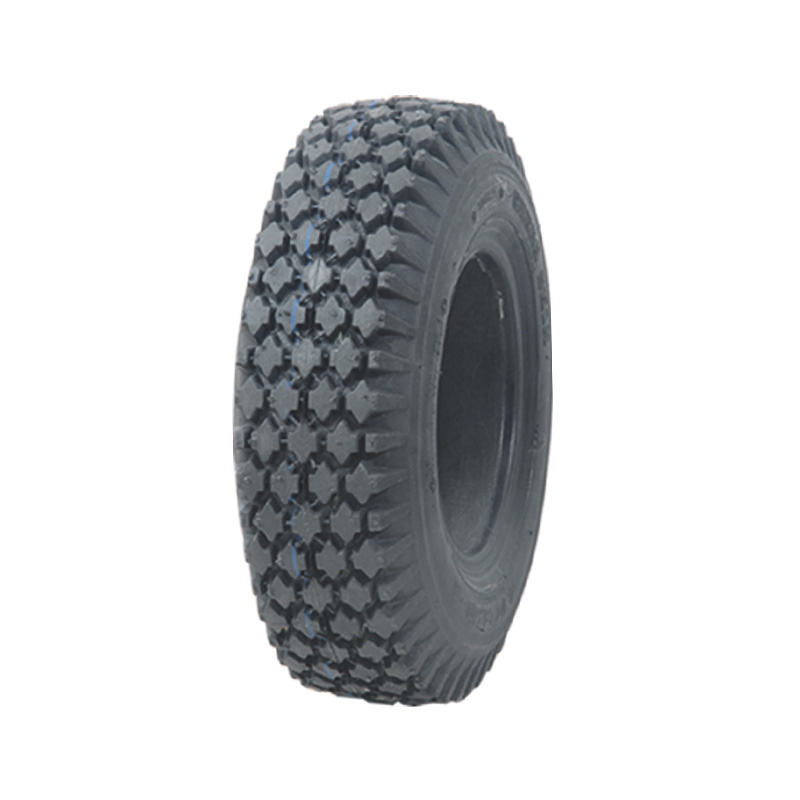
| Size | Type | P.R. | Max Infl(P.S.I./KPA) | Load(LBS/KGS) | OD(IN/MM) | SW(IN/MM) | Rim Type | Remark | LCI/SI |
| 4.10/3.50-6 | TL | 4 | 30/210 | 320/145 | 12.5/318 | 4.1/104 | 6×3.25 | ||
| 4.80/4.00-8 | TT/TL | 2 | 20/140 | 440/200 | 16.1/410 | 4.3/110 | 8×3.75 | ||
| 4.80/4.00-8 | TT/TL | 4 | 48/330 | 660/300 | 16.1/410 | 4.3/110 | 8×3.75 | ||
| 4.80-8↑ | TT/TL | 2 | 20/140 | 440/200 | 16.1/410 | 4.3/110 | 8×3.75 | ||
| 4.80-8↑ | TT/TL | 4 | 48/330 | 660/300 | 16.1/410 | 4.3/110 | 8×3.75 |
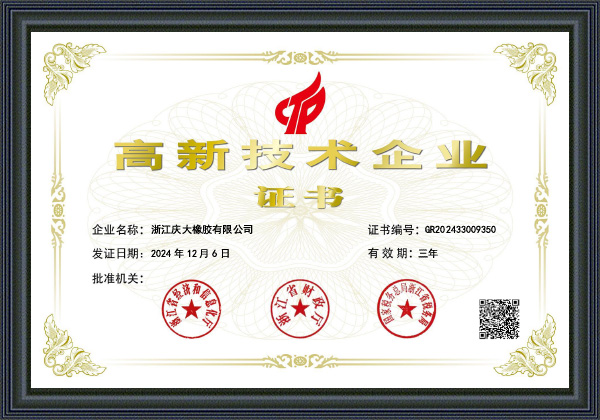
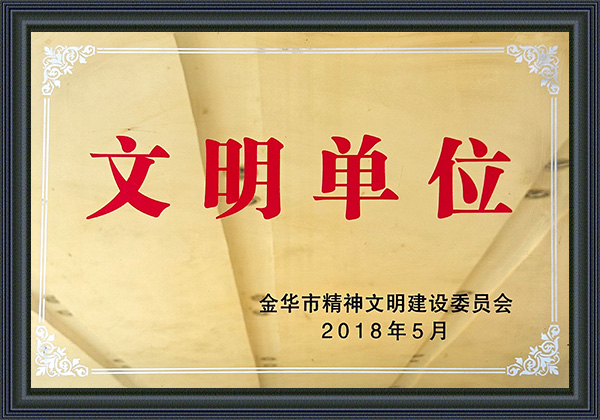
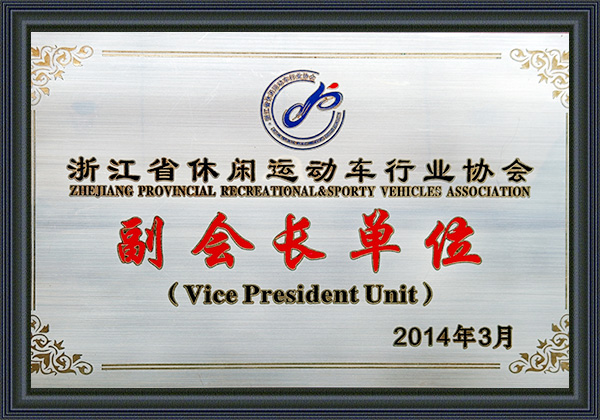
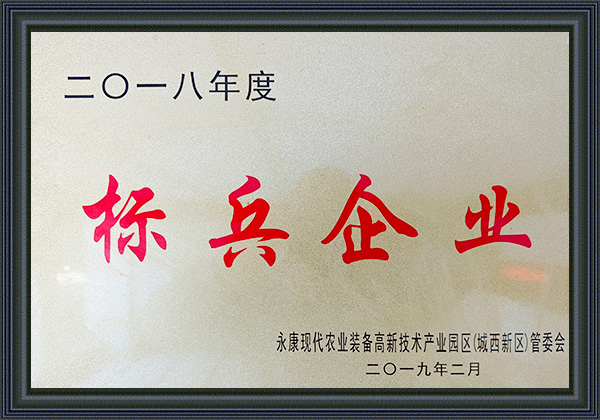
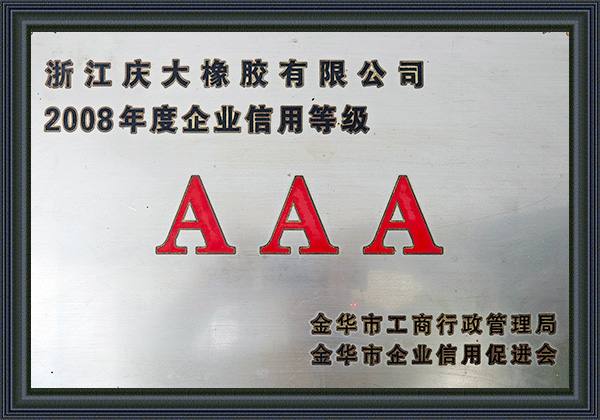
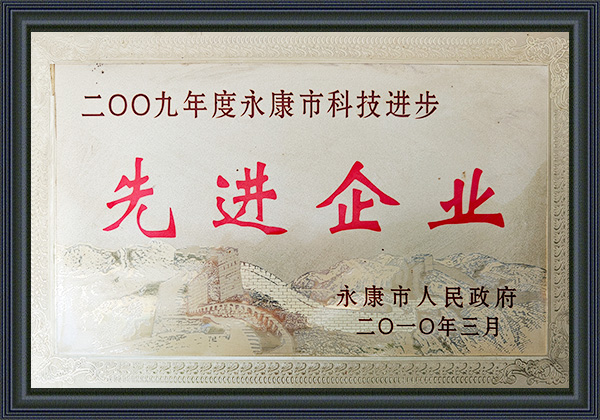
Zhejiang Qingda Rubber Co., Ltd. is a professional manufacturer of rubber tires and air springs in various specifications. Founded in 1992, the company is located in Chengxi New District, Yongkang City, covering a total area of over 70,000 square meters. Its location is convenient: approximately 1.5 kilometers east of the city center, 5 kilometers west of the Jinliwen Expressway entrance, and 1 kilometer north of National Highway 330 (Jinwen Highway).






Lawn mower tires play a quiet but important part in keeping grass neat and yards looking tidy. These specializ...
READ MOREIndustrial tyres are designed for machines that carry, move, lift, or transport heavy materials across factori...
READ MOREDesign Features That Match Field Conditions Agriculture tyres usually show deep, open tread patterns. The larg...
READ MORENobody thinks much about trailer tires until one blows out on the highway shoulder with a boat, camper, or loa...
READ MOREIndustrial tires are specialized tires designed for material handling equipment, construction machinery, and industrial vehicles. They differ fundamentally from road vehicle tires in structure, performance requirements, and application scenarios. The core design goals of industrial tires are load-bearing capacity, durability, puncture resistance, and stability in specific operating environments, rather than high-speed performance.
Solid Tire Internal Structure
Solid tires are not made of a single layer of hard rubber but employ a multi-layered composite structure:
1. Logistics Warehousing and Distribution Centers
2. Manufacturing Plants and Production Lines
3. Construction Sites, Mines, and Recycling Centers
4. Forklift dealers and equipment rental companies
Core advantages of B2B bulk purchasing:
1. On-site installation service capability
Industrial tire replacement requires professional hydraulic tyre press equipment. We provide mobile press service, where our technical team brings the equipment to the customer's site to install both solid and press-fit tires, minimizing equipment downtime. Tire Lifecycle Management Support:
Compliance and Certification Guarantees:
2. Supply Chain Stability
Q1: What exactly does "Ply Rating" mean in industrial tires? Is a higher ply rating always better?
A: Ply rating originated from the number of cotton cord layers in early bias-ply tires. In modern tires, it has evolved into a load capacity rating, not representing the actual physical number of layers.
A higher ply rating means the tire can withstand higher air pressure and load, but higher is not always better: Excessive ply rating increases tire stiffness and weight, reducing operating comfort.
Increases unnecessary procurement costs. The key is to match the maximum load of the equipment and the rim's load-bearing capacity.
Q2: What are the advantages of polyurethane tires over rubber tires? What are their limitations?
A: Advantages of polyurethane tires:
Limitations:
Q3: Do you offer tire and rim pre-assembly services?
A: Yes. For press-on bands and solid tires, we offer tire and rim pre-assembly services, using professional hydraulic tire pressing equipment to ensure installation accuracy. Advantages of pre-assembled service:
Have any question ?