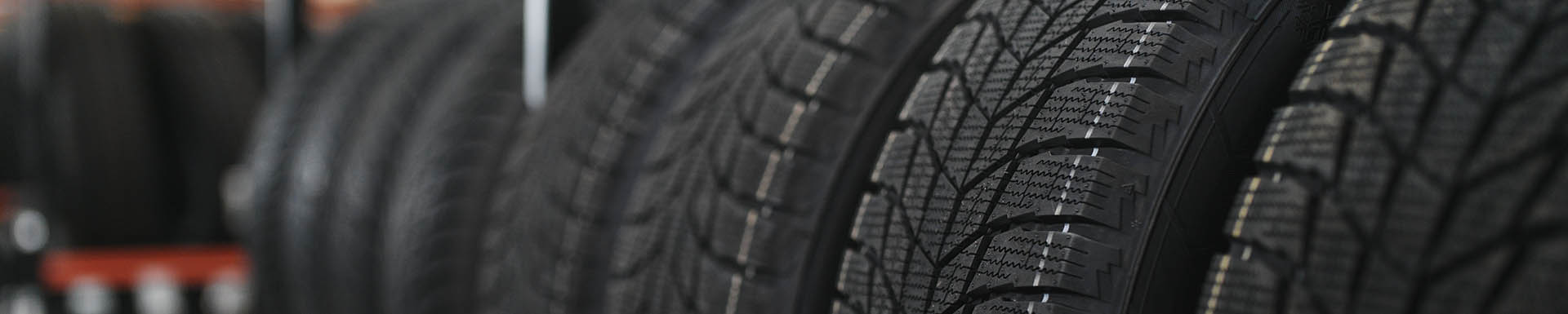
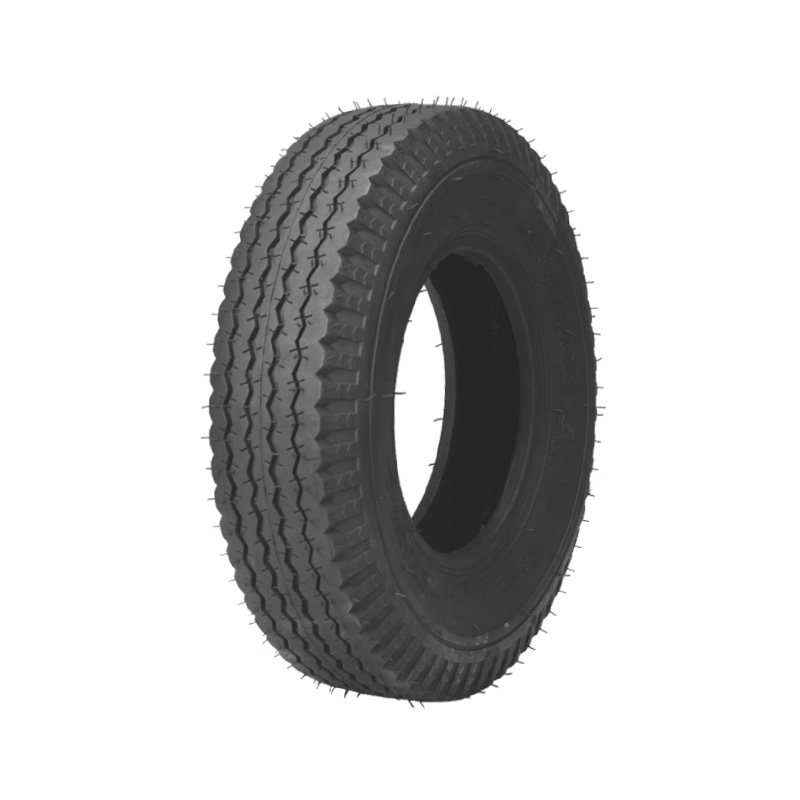
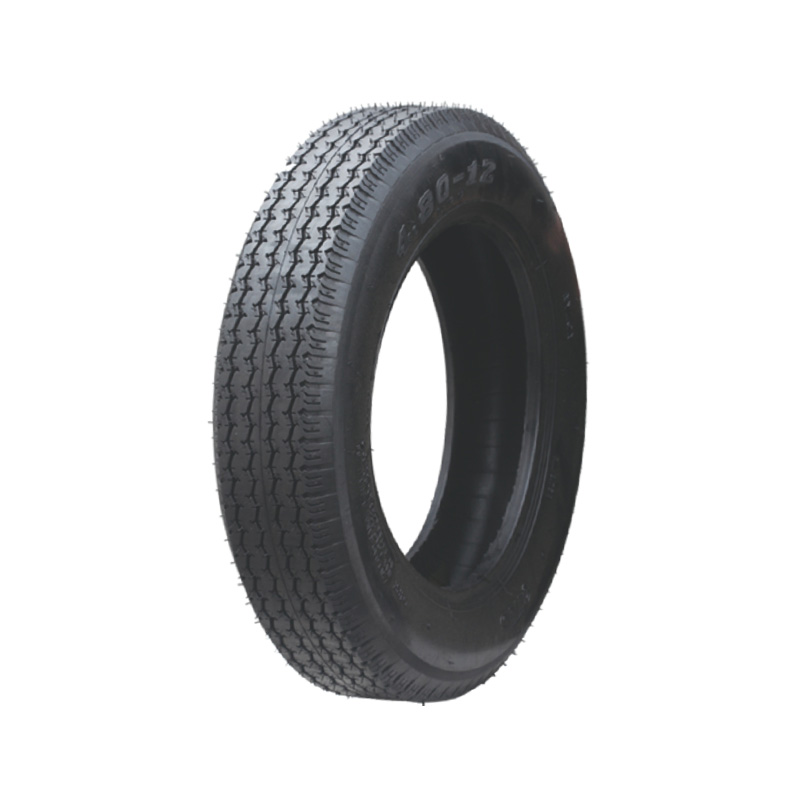
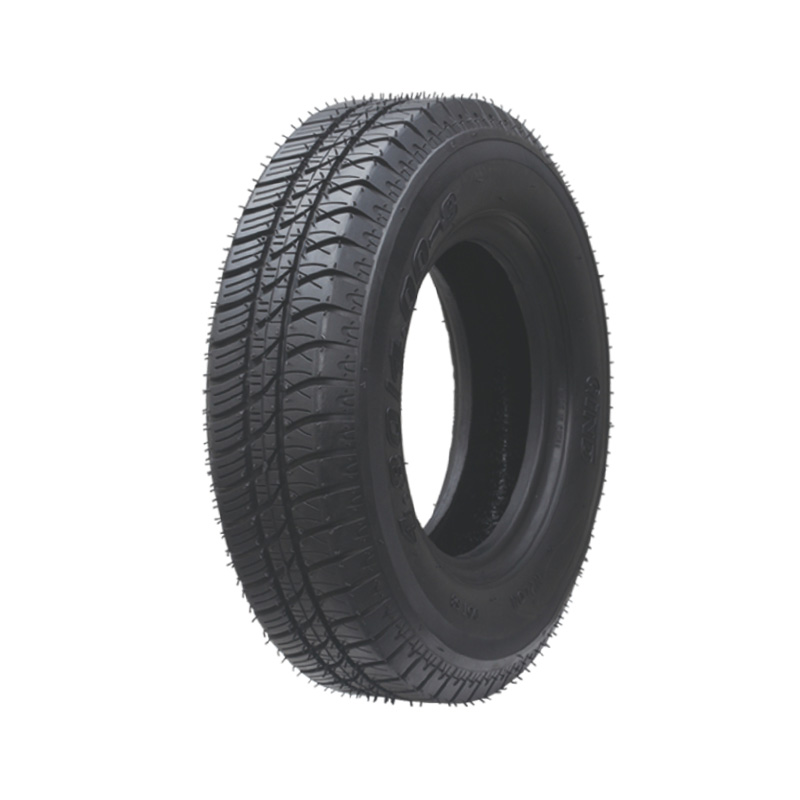
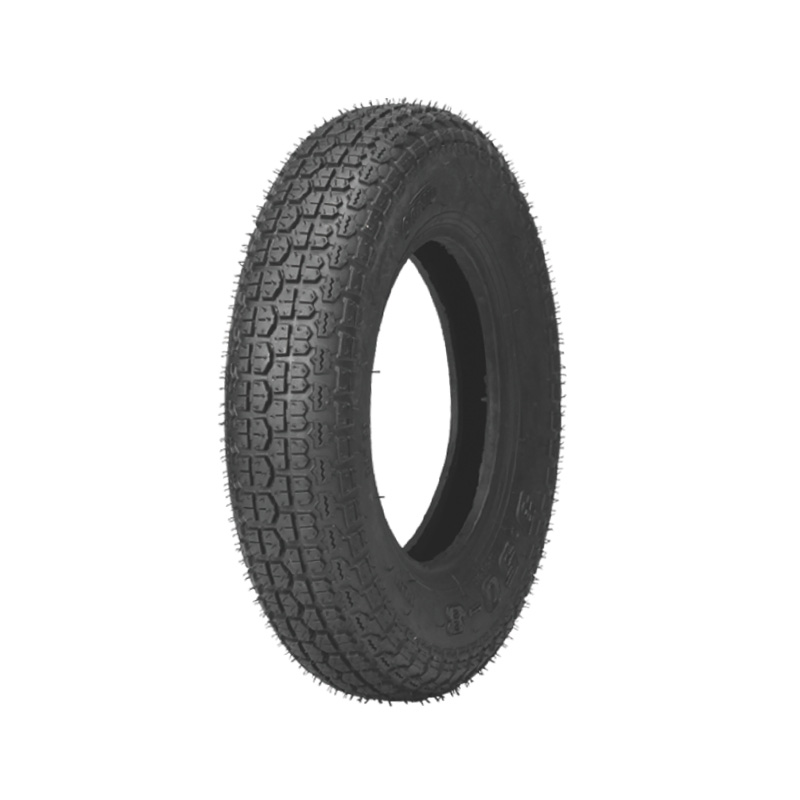
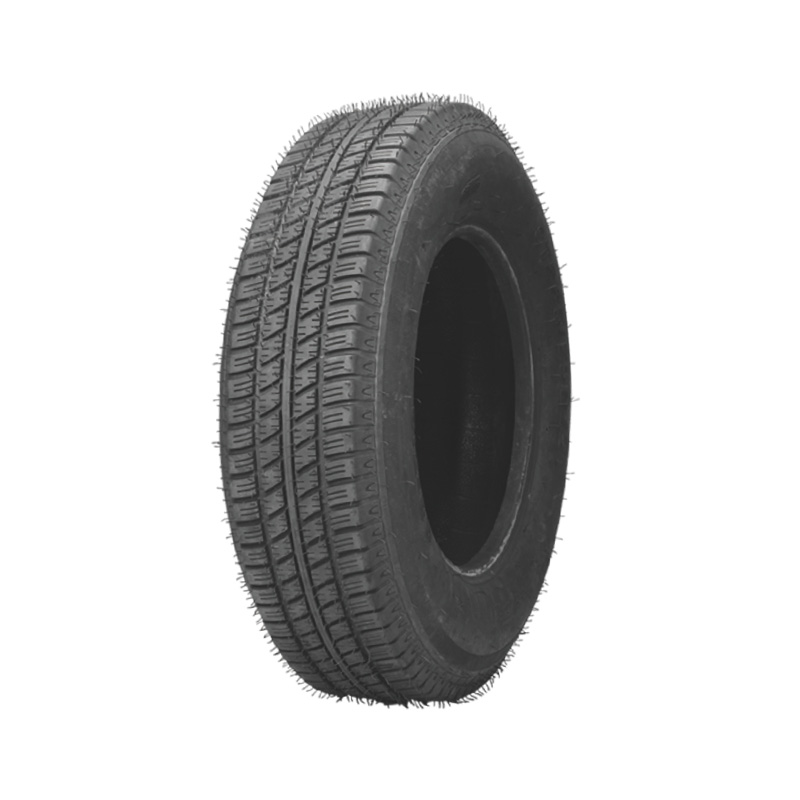
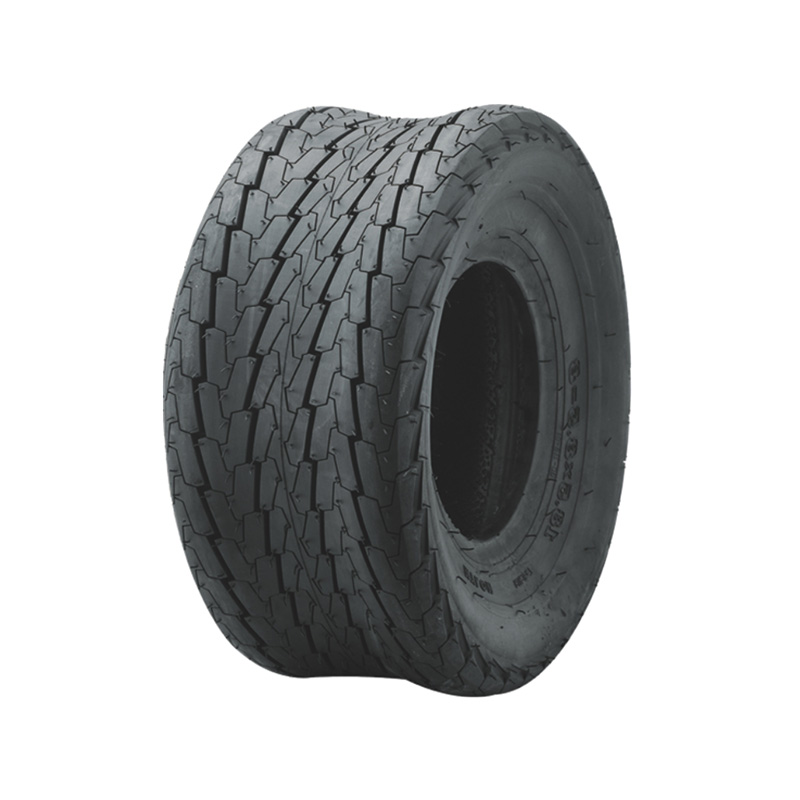
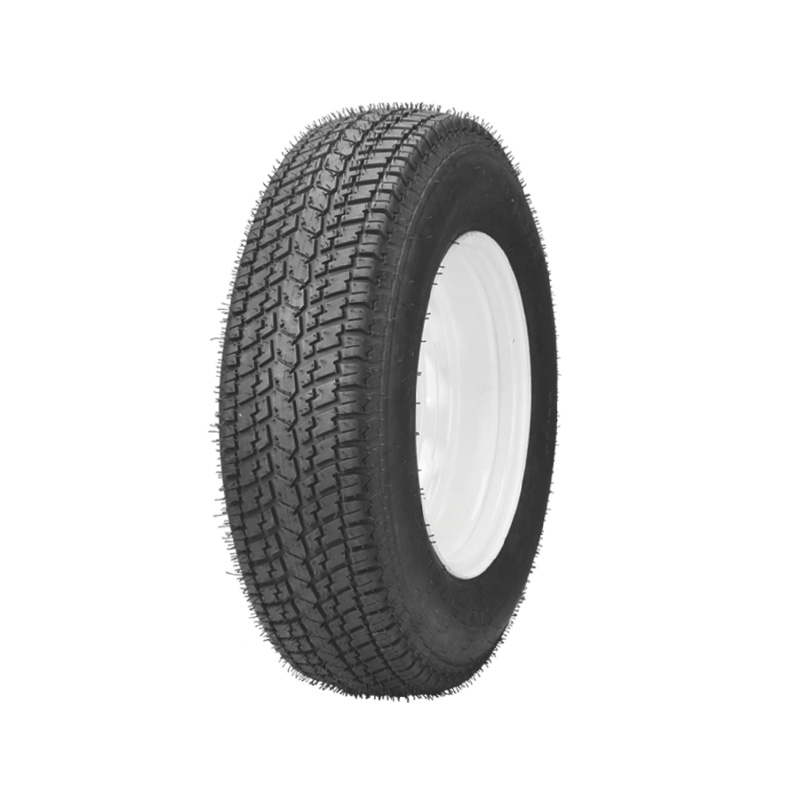
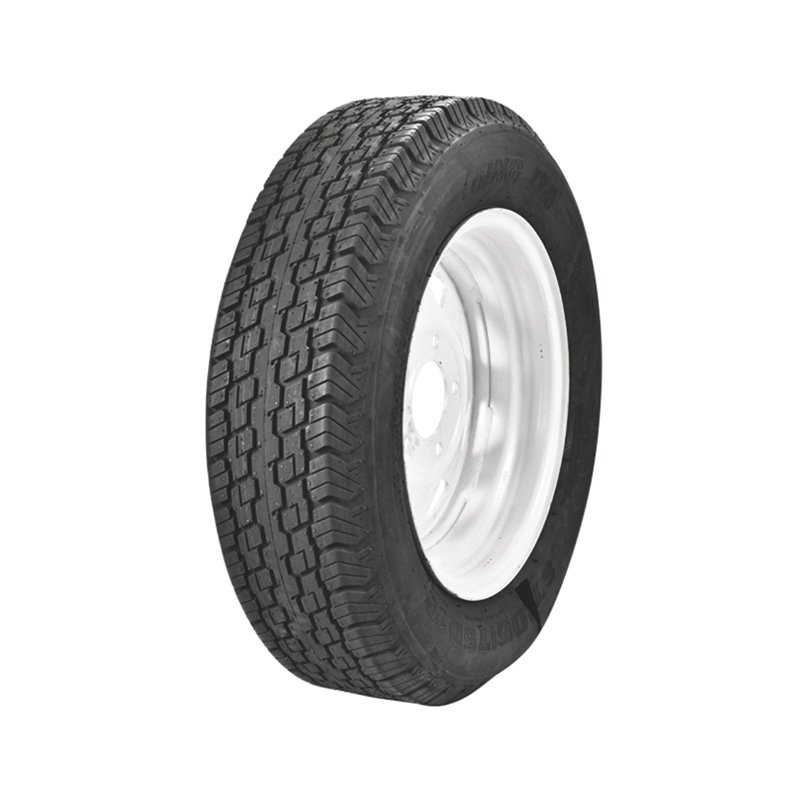
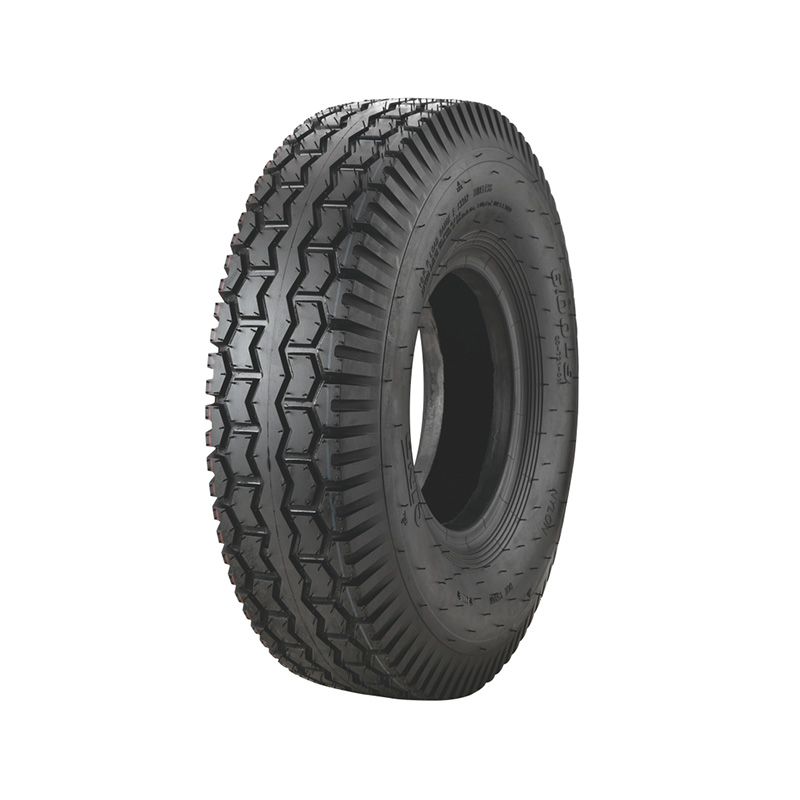
Trailer tires are specialized tires designed specifically for non-powered trailers and trailers (Special Trailer Tires, or ST tires for short). Unlike ordinary passenger car tires or truck/bus tires, trailer tires do not provide driving or steering functions. Their core function is to withstand continuous vertical loads, resist the lateral sway stress unique to trailers, and maintain stability during high-speed towing.
Where are trailer tires used?
Trailer tires are used in various B2B sectors, including logistics and transportation, agricultural production, outdoor recreation, and special operations.
1. Travel Trailer Tires
- RV Trailers: For long-distance interstate/international travel, with hundreds of kilometers of continuous highway driving.
- Camping Trailers: For weekend getaways, suitable for both paved roads and unpaved campgrounds.
- Folding Trailers: Lightweight recreational equipment, sensitive to tire weight.
Technical Requirements:
- Excellent high-speed heat dissipation performance (prevents tire blowouts on long journeys).
- Low rolling resistance design (reduces towing vehicle fuel consumption).
- A clear trend towards smart tires compatible with TPMS (Tire Pressure Monitoring System).
2. Utility Trailer Tires
- Last-mile delivery in e-commerce logistics: Small van trailers, flatbed trailers.
- Landscaping: Transporting lawnmowers, gardening equipment.
- Construction: Transporting mini excavators, generators, building materials.
- Agricultural transportation: Grain, Feed, and Agricultural Machinery Transportation
Technical Requirements:
- Multi-axle heavy-duty adaptability (supports tandem axle configuration)
- Puncture-resistant and cut-resistant tread (construction site environment)
- Cost-effectiveness is prioritized, but emerging markets are upgrading to high-performance products.
3. Heavy-duty Commercial Freight Trailer Tires
- Scenario Characteristics: Core equipment for trunk logistics and long-haul freight
- Including dry cargo box trailers, flatbed trailers, and refrigerated trailers
- Extremely high annual mileage, with stringent requirements for tire life and reliability
- Tire pressure must be maintained above 100 PSI to maintain a stable contact patch.
Why do B2B buyers choose specialized trailer tires?
1. Safety and Compliance: Avoiding catastrophic tire blowouts
Trailer tire failure is one of the main causes of major highway accidents. Specialized ST tires feature hardened sidewalls and multi-layer reinforced cord design, specifically designed to resist the "trailer sway" and continuous heavy load stress inherent in trailers. Using non-specialized tires (such as ordinary LT light truck tires) can lead to excessive sidewall deformation and heat buildup, ultimately causing a blowout.
2. Optimized Total Life Cycle Cost (TCO)
- While specialized trailer tires may have a higher unit price than general-purpose tires, their TCO advantages are significant:
- Radial trailer tires have a tread life up to 3 times that of bias-ply tires.
- Low rolling resistance design reduces fuel consumption of the tractor unit.
- Reduces downtime losses due to tire failures (for logistics fleets, the cost of one hour of downtime far exceeds the tire price difference).
3. Maximized Load Efficiency
For the same size, ST tires generally have a higher load index than ordinary tires. For example:
- For 3-5 ton agricultural machinery trailers, 205/75R15 ST tires are standard.
- In heavy-duty freight scenarios, larger tread patterns such as 8.25-16 provide greater contact area and wear resistance.
Common Trailer Tire Questions
Q1: Can trailer tires be replaced with ordinary truck tires or passenger car tires?
A: Strongly not recommended. The sidewall stiffness and internal cord structure of ordinary tires are not optimized for the continuous vertical load and lateral sway of trailers. Using non-ST tires can lead to: Excessive sidewall buckling, generating excessive heat (a major cause of high-speed tire blowouts); Insufficient load-bearing capacity, posing serious safety hazards; Insurance companies may refuse to pay for accidents caused by the use of incorrect tires.
Q2: How to choose between radial and bias-ply trailer tires?
A: Choose radial: If you primarily drive on highways/paved roads, prioritize long mileage and low fuel consumption, and your budget allows for a higher initial investment (suitable for logistics fleets and RV trailers). Choose bias-ply: If you operate on rough/unpaved roads, require extreme puncture resistance, are budget-conscious, and drive at lower speeds (suitable for farms, construction sites, and mining trailers).
Q3: How often should trailer tires be replaced?
A: Even if the tread wear hasn't reached its limit, trailer tires should ideally be replaced every 3-5 years. Rubber ages naturally (UV rays, ozone, temperature cycles), and the hardened sidewall design of ST tires makes them more susceptible to aging. For commercial trailers with an annual mileage exceeding 50,000 kilometers, replace them according to wear and tear; for seasonally used RV/yacht trailers, replace them according to time.


 English
 中文简体
中文简体
 Español