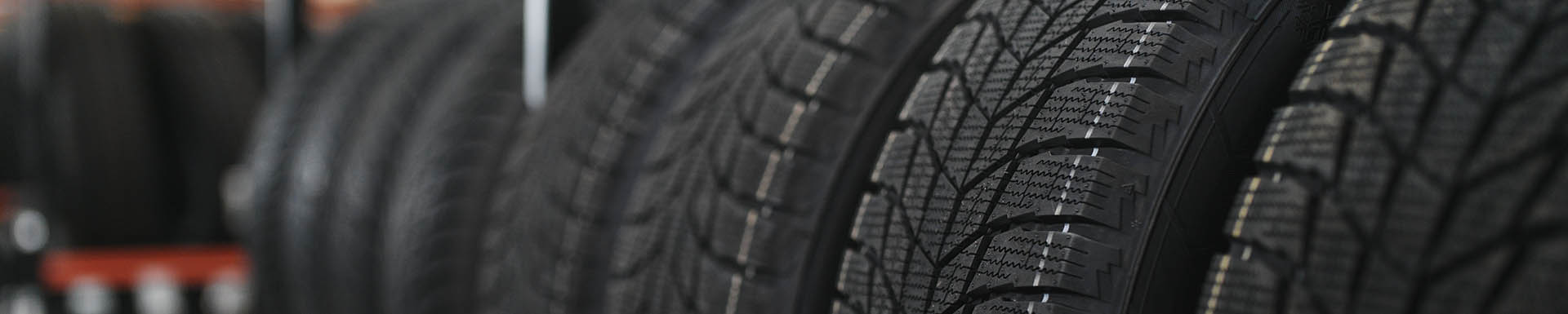
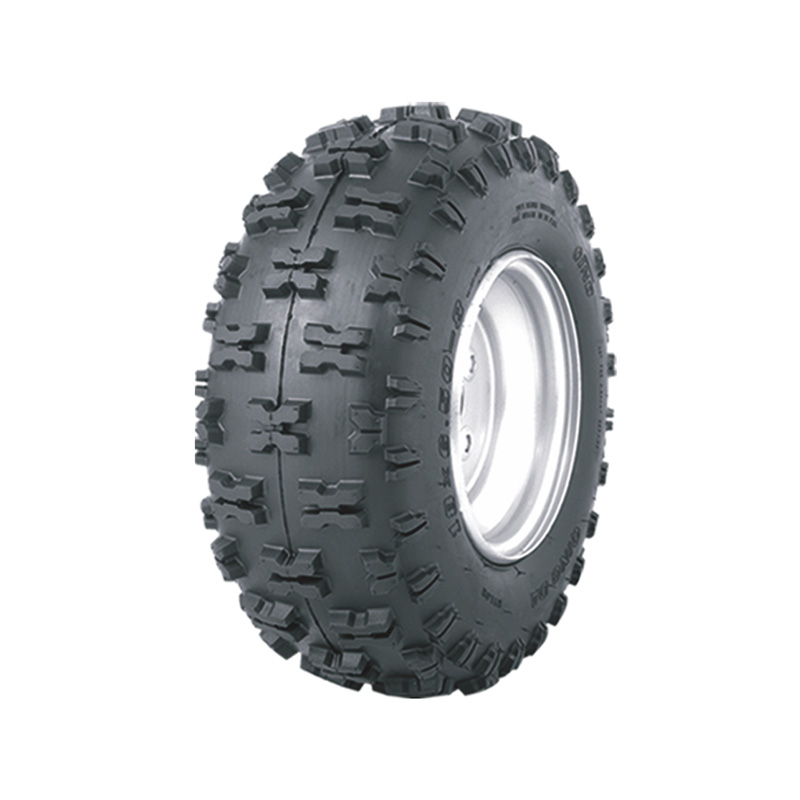
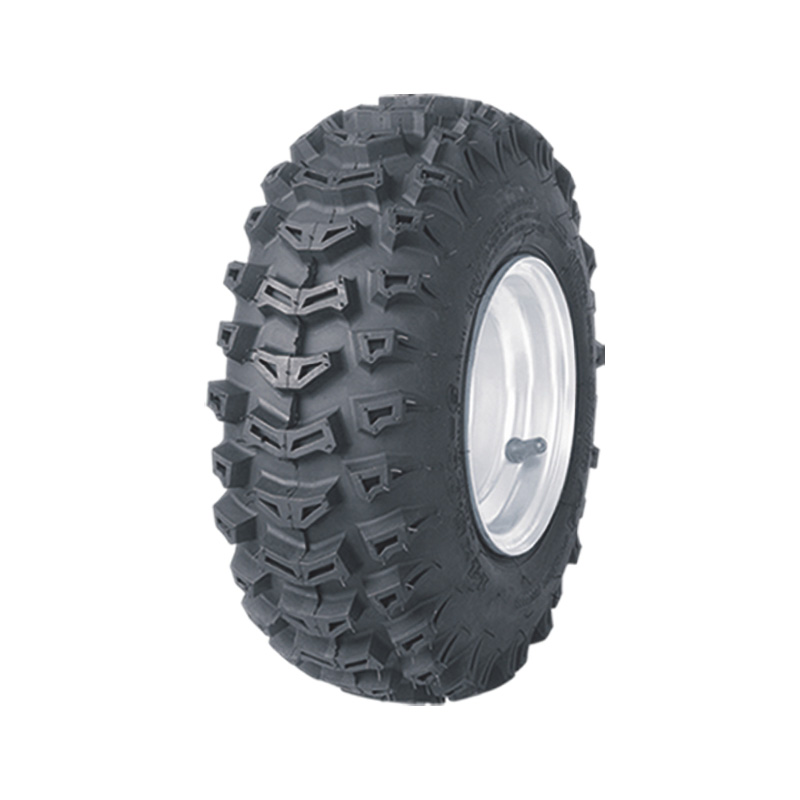
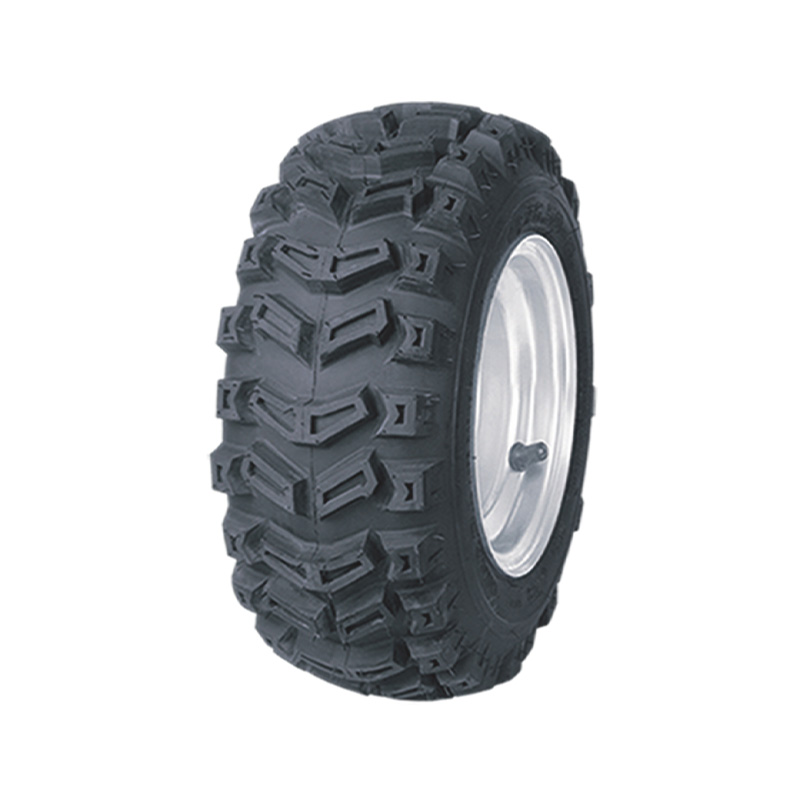
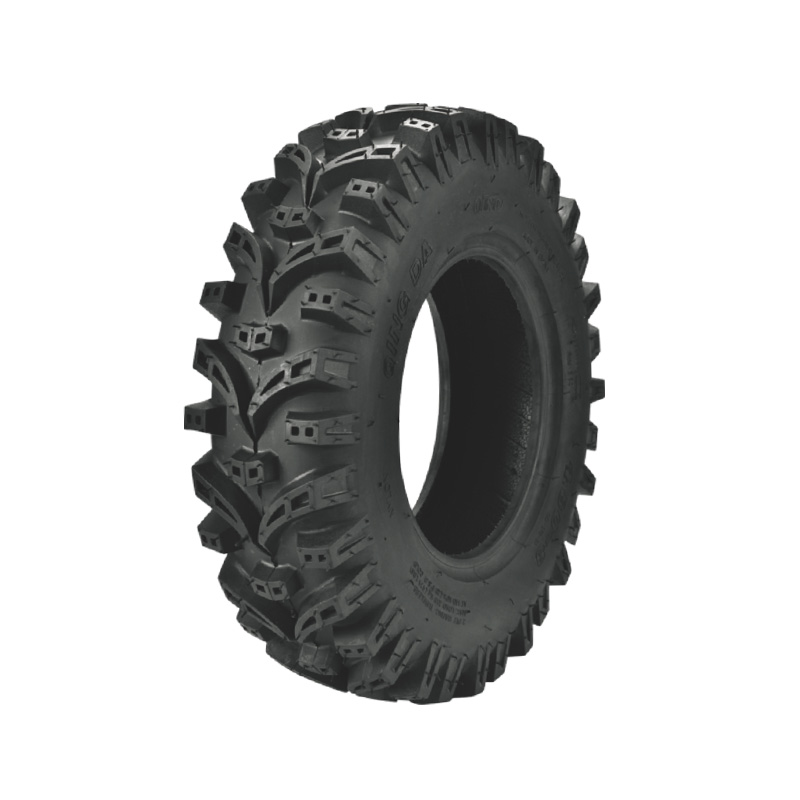
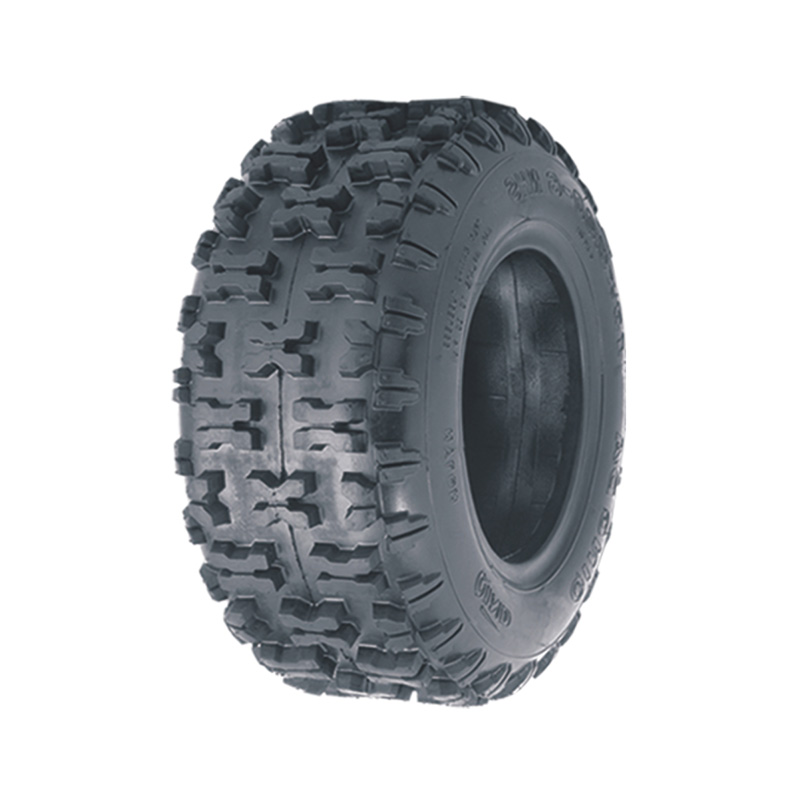
Snowplow tires are specialized tires designed for various snow removal equipment and machinery, covering a complete range of equipment from walk-behind snowplows and ride-on commercial snowplows to heavy-duty pickup trucks/trucks equipped with snowplows. Unlike general-purpose tires, snowplow tires must simultaneously meet the conflicting demands of traction, equipment control, and lawn/road protection under and complex conditions, including extremely low temperatures (-20°C to -40°C), snow cover, slippery ice surfaces, and corrosive de-icing agents.
Main Construction Types of Snowplow tires
1. Pneumatic Turf Tread – Mainstream Configuration
Standard inflatable structure with a wide-spacing turf pattern on the tread.
- Advantages: Low ground pressure, protecting lawns and paved surfaces; moderate cost; wide range of sizes.
- Applications: Ride-on commercial snowplows, garden tractors with snowplows, snow removal on golf courses/residential communities.
- Typical Sizes: 13x4.10-6, 16x6.50-8, 20x8.00-8, 20x10.00-8, 24x12.00-12, etc.
2. Bar Tread/Chevron Tread
Tread features deep grooves arranged in a "V" or "H" shape.
- Advantages: Cuts through snow like a "plow," effectively removing water film and loose snow, providing ultimate grip on ice and fresh snow.
Applications of Snowplow tires
1. Handheld Snowplows, Small Tracked Snow Removal Equipment, Agricultural Tractor Snow Removal Operations
- Typical Specifications: 500-10 (Handheld medium to large-sized equipment), 4.10/3.50-6 (Mini/Children's Go-Kart Conversion), etc.
2. Triangular Track/Ruber Track Tires
Rubber track structure, ground contact area.
- Advantages: Provides unparalleled traction on thick snow and soft ground, preventing getting stuck.
- Applicable Scenarios: Heavy-duty commercial snowplows, snow removal equipment with a width of 1.5 meters or more, snow environments.
- Typical Specifications: 21x7-10 triangular track (suitable for 15HP commercial snowplows), etc.
3. All-Terrain/Commercial Traction Tires
Designed for pickup trucks and light trucks with snowplows installed.
- Advantages: Suitable for both daily road driving and snow removal conditions; can be used year-round or specifically for winter use.
- Typical Examples: All-terrain tires, dedicated winter tires, and commercial heavy-duty tractor tires with 3PMSF (Sanfengshan Snowflake) certification.
- Typical specifications: Covering all sizes of LT/SUV, such as the Nitto Exo Grappler (load capacity up to 3,195 lbs/80 PSI).
Application scenarios: Where are snowplow tires used?
1. Snow Removal on Municipal Roads and Highways
- Snow removal on main urban roads/highways: Heavy-duty pickup trucks (e.g., Ford F-250/350, Ram 2500/3500) equipped with straight-blade/V-shaped snowplows, operating 24/7 in shifts.
- Snow removal at bridge/tunnel entrances: Extremely high requirements for tire anti-skid and braking performance.
- Emergency Response: Rapid response fleets during blizzards.
2. Snow Removal on Commercial Properties and Parking Lots
- Shopping mall/supermarket parking lots: Large areas of paved surfaces requiring efficient and rapid clearing.
- Office buildings/industrial parks: Nighttime operations, with requirements for noise reduction and road surface protection.
- Hospitals/schools/government agencies: Safety first, requiring tires to never slip in emergencies.
3. Snow Removal on Airport Runways and Aprons
- Runway snow removal: Must be completed quickly between flight takeoffs and landings; tire failure may cause flight delays.
- Apron/Taxiways: Large snow removal equipment (e.g., airport-specific Jet Brooms) requires tires to withstand extremely high loads.
- FOD (Foreign Object Damage) Prevention: Tires must be free of easily detachable debris.
4. Winter Operations in Agriculture and Ranching
- Snow removal on ranch roads: Tractor-drawn snowplows or snow blowers
- Around greenhouses/greenhouses: Ensuring access for agricultural products
- Silage pits/feed storage areas: Snow removal to ensure livestock feeding
5. Hand-held and Small Commercial Snow Removal
- Snow removal on sidewalks/bicycle lanes: Mobility requirements in confined spaces
- Community properties/small parking lots: 6.5-15HP hand-held or ride-on snowplows
- Rental market: High-frequency use of seasonal rental equipment
Why do B2B buyers need specialized snowplow tires?
1. Safety Bottom Line Under Extreme Conditions
Snow removal operations are typically carried out in poor visibility, slippery roads, and under tight time constraints. Tire failure can:
- Heavy snowplows skidding and colliding with guardrails or pedestrians
- Walk-behind snowplows overturning on slopes
- Malfunctions in airport runway snow removal equipment are causing widespread flight delays
Professional snowplow tires, with their low-temperature-resistant rubber compound (remaining flexible even at -30°C) and deep tread pattern, are the last line of defense for safe operation. Using non-specialized tires (such as ordinary summer tires or aging tires) will harden and lose traction at low temperatures, potentially increasing braking distance by more than 300%.
2. Equipment Asset Protection
Tires are the "amplifier" of overall machine performance. Snowplow tires directly affect overall machine efficiency:
Insufficient grip → Engine power cannot be effectively transmitted → Fuel waste, doubled working time Uneven ground pressure → Lawn damage → Spring repair costs far exceed tire price differences Tire blowout/malfunction → Equipment downtime → Every minute of downtime during a blizzard may result in breach of contract penalties.
Common Snowplow Tire Procurement Questions
Q1: Can I use ordinary lawnmower tires or agricultural tires instead of snowplow tires?
A: It depends on the scenario, but we strongly recommend using dedicated configurations.
- Snow removal on lawns/paved roads: Turf tread tires are mandatory; agricultural R1 treads will severely tear turf and damage asphalt.
- Snow removal on dirt roads/gravel roads: Herringbone tread tires or R-3 tires can be used for stronger traction.
- Heavy-duty pickup trucks with snowplows: 3PMSF certified winter tires or commercial heavy-duty traction tires are mandatory; ordinary all-season tires may increase braking distance by more than three times on ice.
Q2: How to choose between pneumatic tires, foam-filled tires, and airless tires?
A:
- Choose pneumatic turf tread tires: The mainstream choice, moderate cost, good shock absorption, protects lawns and roads. Suitable for more ride-on commercial snowplows and garden tractor conversions.
- Cream-filled tires: Rental companies, multi-user shared equipment, remote work sites. Completely eliminates tire blowouts, but increases weight and slightly reduces shock absorption.
- Airless/Tweel tires: High-end commercial users, airports, golf courses, and scenarios with zero tolerance for downtime. Lifespan is 2-3 times that of pneumatic tires, zero maintenance, but high initial cost.
Q3: Are studable tires necessary?
A: Only necessary in icy environments (such as the Great Lakes region of North America, Northern Europe, and Canada). Metal studs provide unparalleled grip on pure ice, but on paved roads they will:
- Increase noise and vibration
- Damage road surface (some states/provinces prohibit their use during the snowless season)
- Reduce dry braking performance.
If the work area mainly consists of compacted snow and fresh snow, deep-tread 3PMSF tires are usually sufficient; if frequently encountering black ice and pure ice, studable tires are a safety necessity.


 English
 中文简体
中文简体
 Español