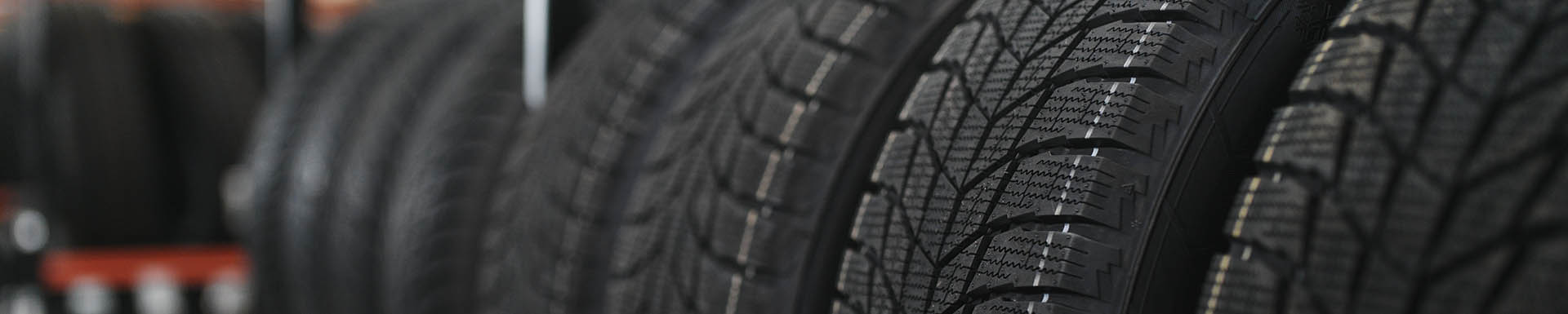
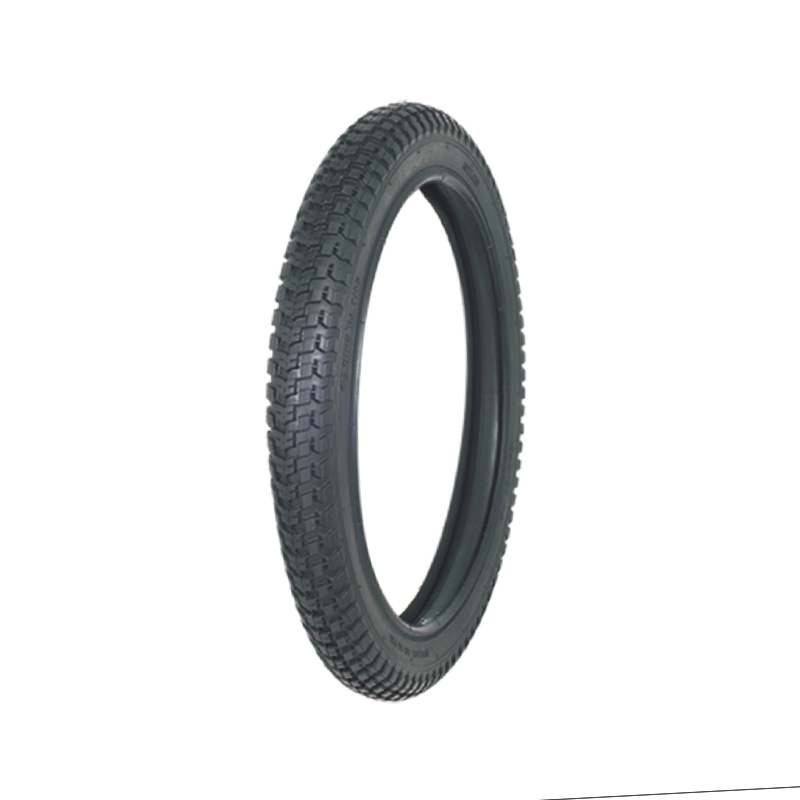
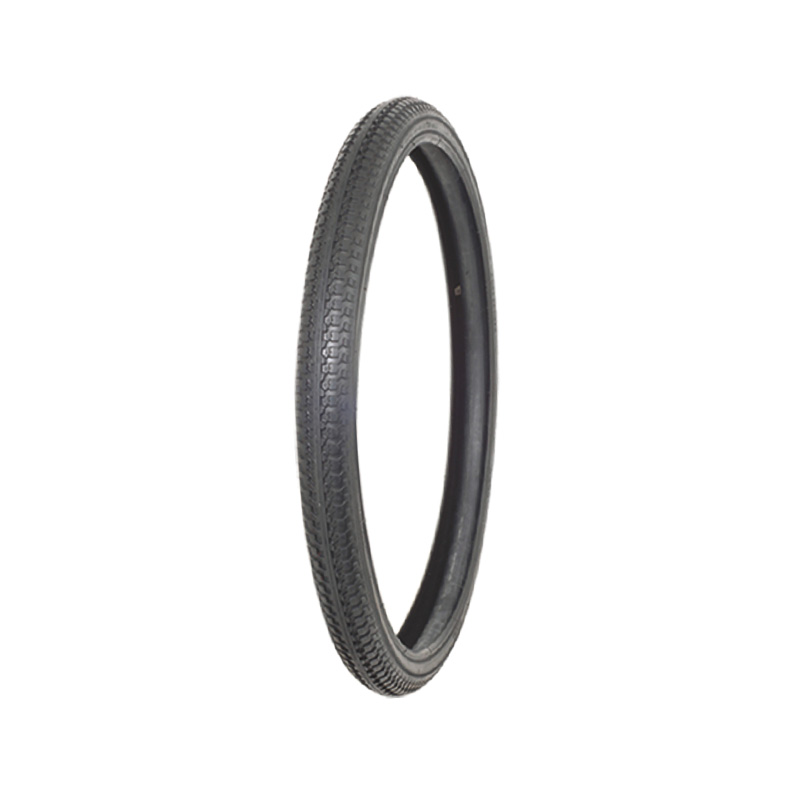
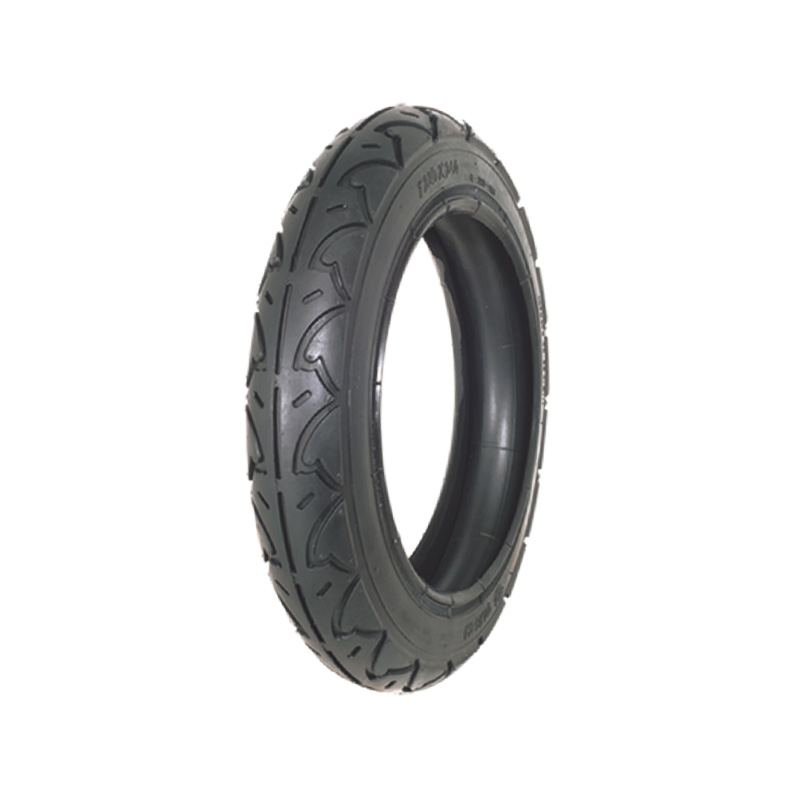
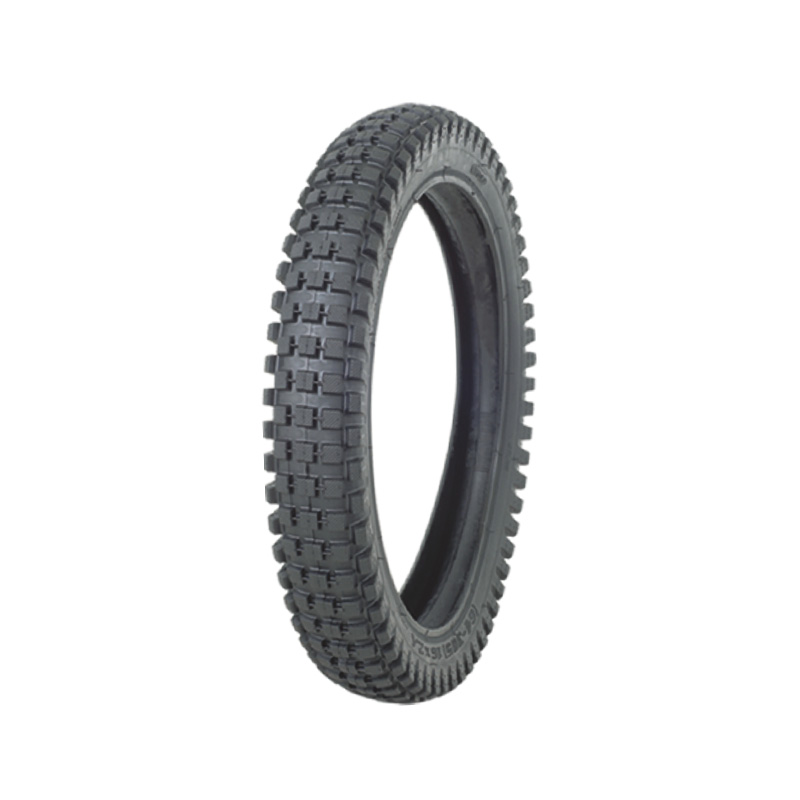
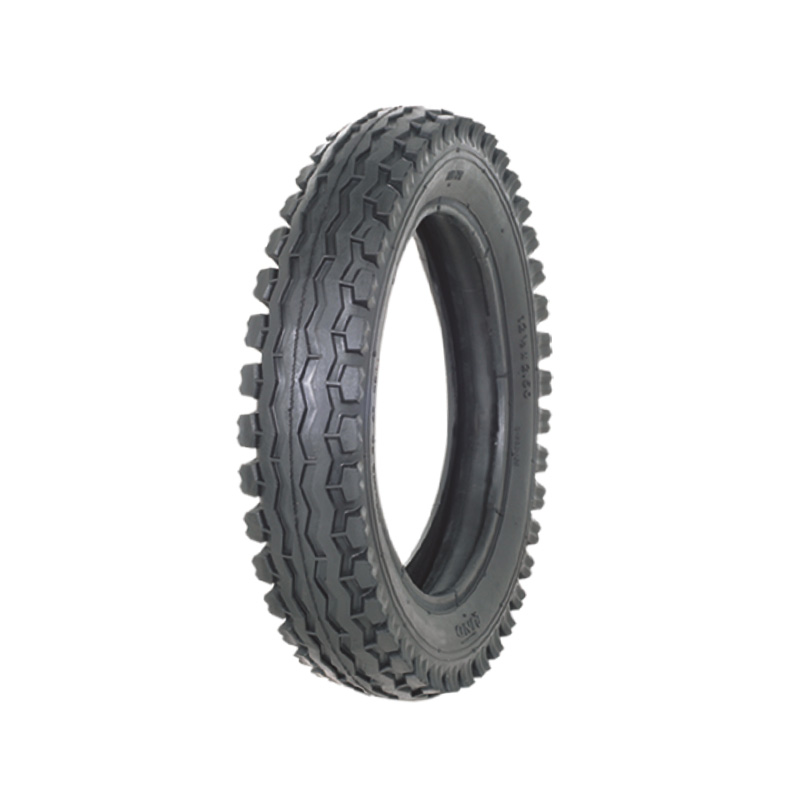
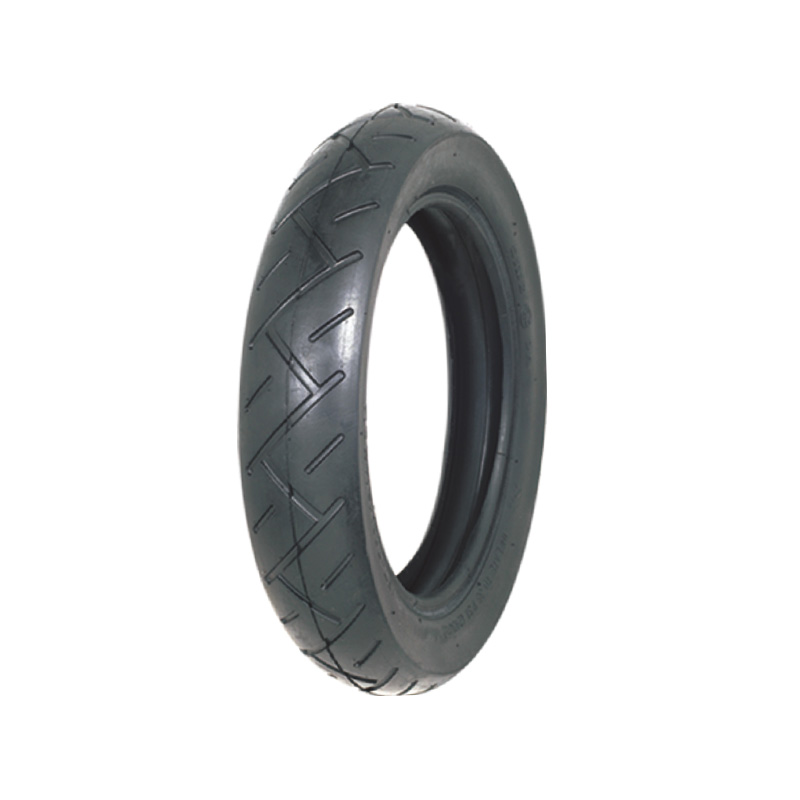
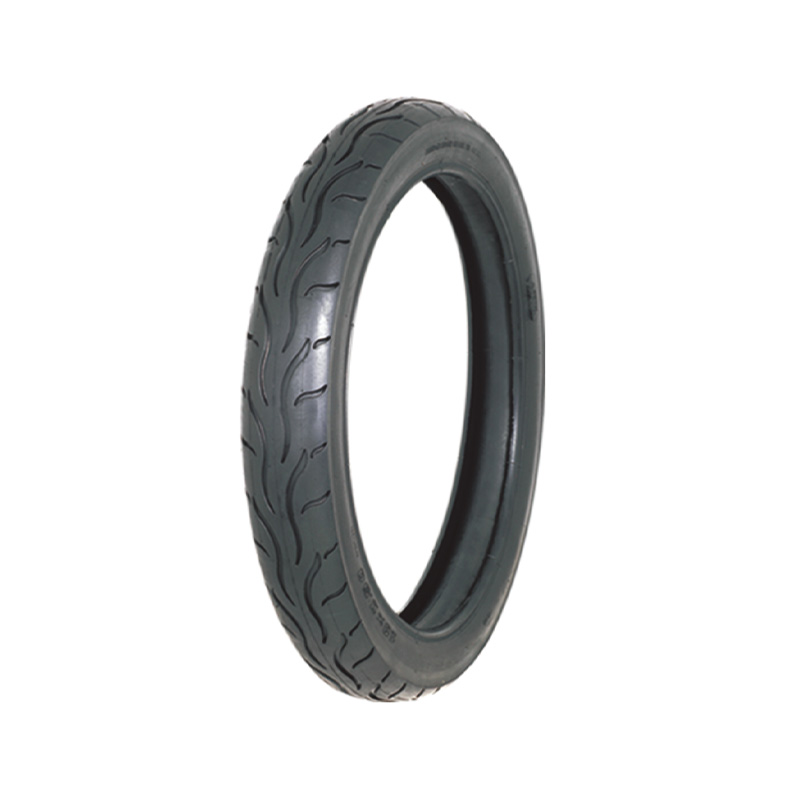
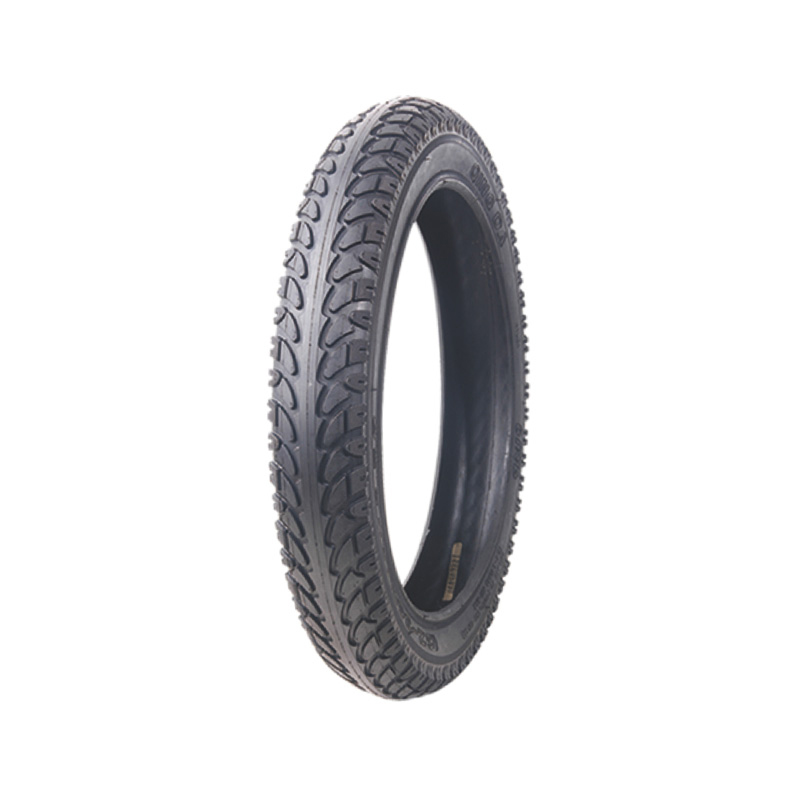
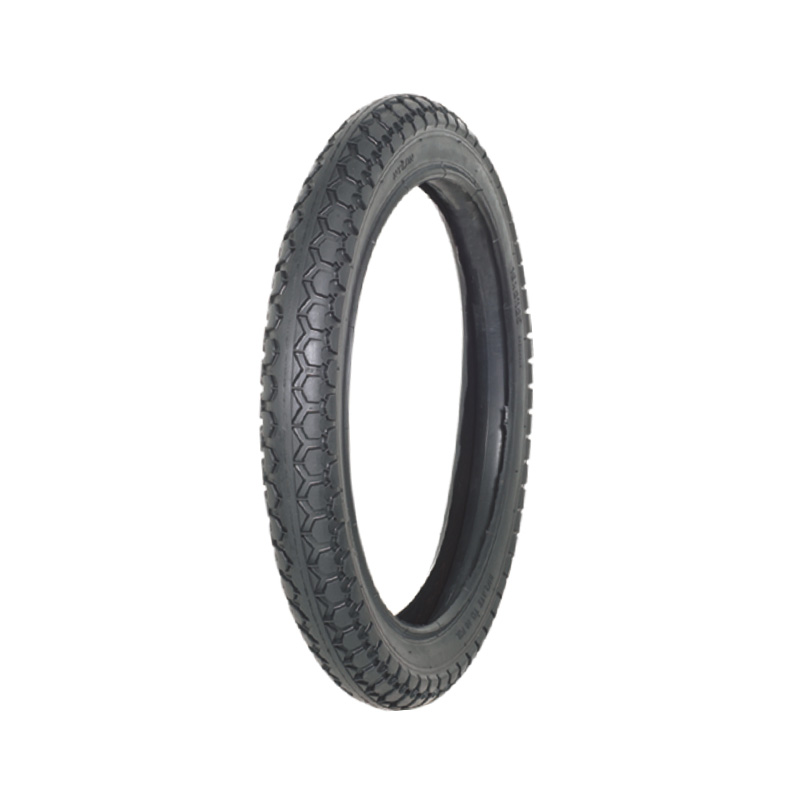
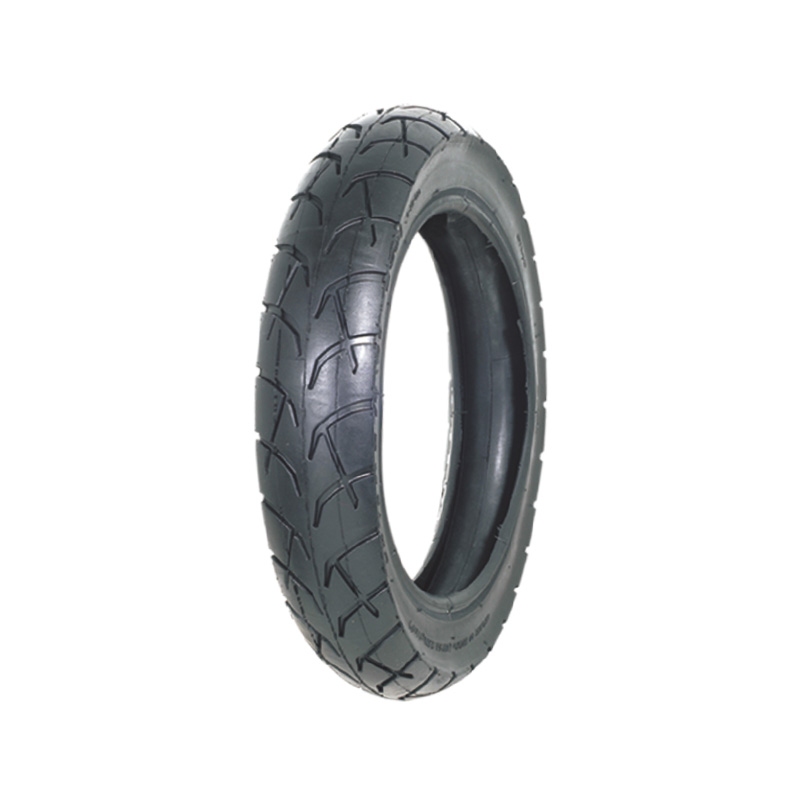
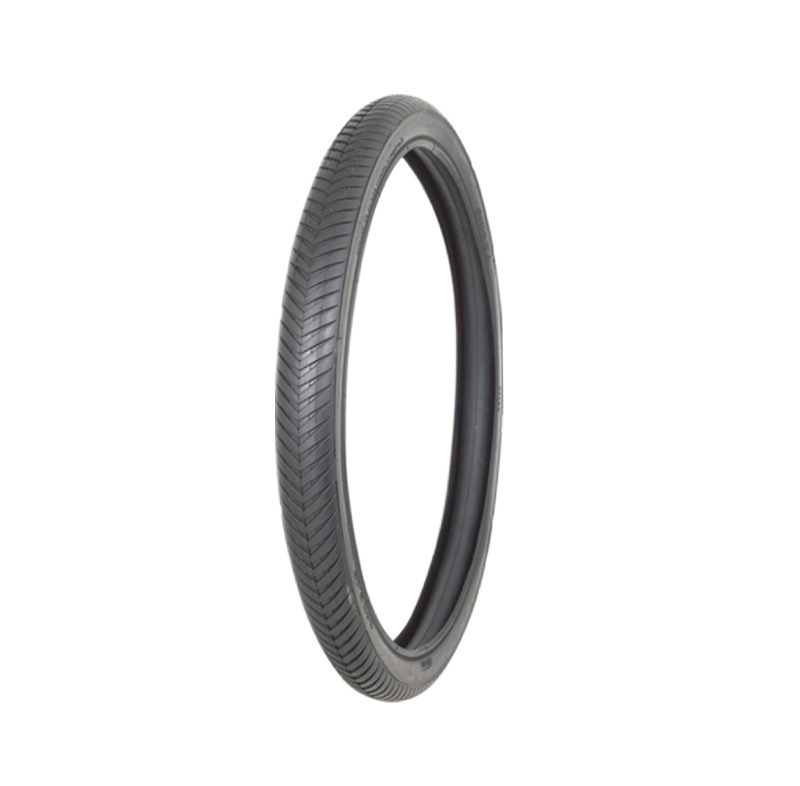
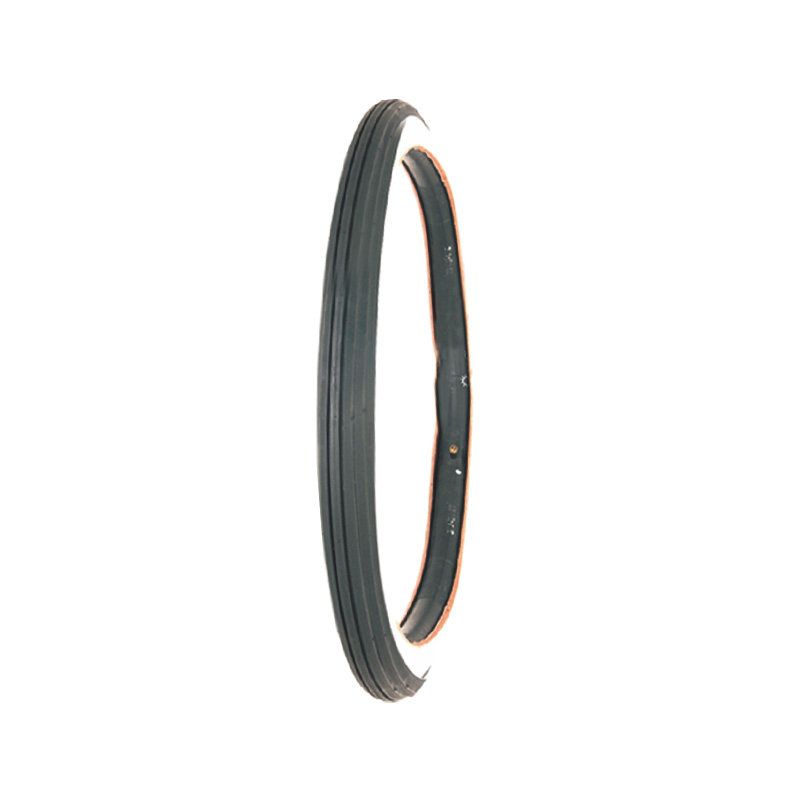
Bicycle tires are the only part of a bicycle in contact with the road, directly determining riding efficiency, handling, comfort, and safety. Unlike car tires, which prioritize high-speed cruising and long mileage, bicycle tires are designed with a core focus on a precise balance of rolling resistance, grip, weight, puncture protection, and road adaptability.
The specification system for bicycle tires is dominated by the ISO international standards established by ETRTO (European Tire & Rim Technology Organization), whose precise millimeter-based dimensions eliminate the confusion associated with traditional imperial and French system markings.
Core Structural Classification:
- Clincher Tires: Clincher tires are the more common bicycle tire structure, consisting of a carcass, a bead, and an individual inner tube. The bead is pressed tightly onto the rim flange by air pressure to secure the tire. The advantages of clincher tires include ease of maintenance, the ability to replace the inner tube individually, and economical pricing. Tire bead materials are divided into wire bead and folding/Kevlar bead. Wire beads are low-cost but cannot be folded and are heavy; folding beads, made of Kevlar or carbon fiber, are foldable for easy transport, weigh approximately 50-100 grams less, and are standard on racing and high-end products.
- Tubeless tires have no tube and maintain air pressure through a sealed structure between the bead and the rim, achieving self-puncture functionality with sealant. Tubeless tires allow for lower tire pressures (as low as 20 psi on mountain bikes), increasing contact patch, improving grip, and reducing the risk of punctures.
- Tubeular tires have the inner tube sewn inside the tire body and glued to a dedicated rim. Tubeular tires are the preferred choice for professional road racing due to their lightweight, high tire pressure stability (up to 200 psi), and continued riding even after a puncture (the inner tube will not detach).
Application Scenarios: Who is Purchasing Bicycle Tires in Bulk?
1. Bicycle Manufacturers
- Road Bikes: 700C wheel diameter (ETRTO 622), width 23-32mm, high tire pressure (80-130 psi), low rolling resistance tread, TPI 60-320, primarily folding bead tires.
- Mountain Bikes: 26-inch (ETRTO 559), 27.5-inch (ETRTO 584), 29-inch (ETRTO 622), width 2.0-2.6 inches, low tire pressure (20-50 psi), deep tread for mud/gravel traction, TPI 60-120, tubeless compatible.
- Gravel Bikes: 700C wheel diameter, width 35-50mm, mixed tread pattern (smooth center + granular shoulder), balancing road efficiency and dirt road traction.
- City/Urban Bikes: 700C or 26-inch wheels, 28-42mm width, smooth or shallow tread, high puncture protection, reflective strips (ECE-R88), ECE-R75 certification (maximum speed 50km/h for e-bikes).
- Kids Bikes: 12-24 inch wheel diameter, ETRTO from 203mm (12 inches) to 507mm (24 inches), primarily steel-wire bead, durability is a priority.
- E-Bikes: Requires ECE-R75 certification (maximum speed 50km/h), reinforced casing, high load capacity, low rolling resistance for extended range.
2. E-bike Manufacturers and Mobility Sharing Operators
Rapid Growth in Demand for E-bike Tires:
- Mandatory ECE-R75 Certification: E-bikes with a speed of 50km/h in the European market must use ECE-R75 certified tires.
- High Load Capacity Design: E-bikes typically weigh over 100kg (bike + battery + rider), requiring matching tire load indices.
- Low Rolling Resistance Compound: Extends battery life.
- Reflective Strip Requirements: ECE-R88 certification improves nighttime visibility.
3. Sporting Goods Retailers and E-commerce Platforms
Bicycle tires are a core category in sporting goods retail, with demand characteristics including:
- Significant Seasonal Fluctuations (Demand Surges During Spring Cycling Season)
- Bundle Sales (Tire + Inner Tube Combinations) Increase Average Order Value
- Tubeless Tire Accessories (Sealants, Valve Tubes, Tire Repair Tools) Drive Related Sales
Why Buy in Bulk from Us?
Precise Recommendations Based on Tire Carcass Density (TPI) and Application
Recommending Optimal TPI Based on Target Market:
- Entry-level/Children's Bikes/Commuting: 26-60 TPI, Steel-wire Beads, Durability Priority, Low Cost
- Mid-range Training/Club: 60-120 TPI (Tire Injection Polymer), folded bead, balancing performance and durability.
- High-end racing/professional: 120+ TPI, folded bead, lightweight, ultimate road feel/grip.
- Gravel/endurance racing: 100 TPI Endurance Casing + puncture-resistant layer + sidewall protection.
Tire pressure and compatibility technical support. Correct tire pressure directly affects tire performance and lifespan.
- Road bikes: 80-130 psi (higher pressure reduces rolling resistance but reduces comfort).
- Mountain bikes: 20-50 psi (lower pressure increases contact patch, improving grip).
- Gravel bikes: 40-70 psi (balances efficiency and traction).
- City commuting: 50-85 psi. We provide recommended tire pressure gauges for various tire models, as well as rim width and tire width compatibility guidelines.
Tubeless Tire Conversion Solution
We offer a complete tubeless tire conversion solution for the mountain bike and gravel bike markets:
- Tubeless Ready Tires (Optimized Bead Sealing)
- Tubeless Tire Valve
- Sealant
- Tire Repair Kit
- Installation Training
Frequently Asked Questions about Bicycle Tire Procurement
Q1: What is the difference between wire bead and folding/kevlar bead? Which one should I choose for my product?
A: The core differences between the two types of beads lie in material, weight, cost, and portability: Wire beads use steel rings, are cheaper (approximately 30-50% cheaper than folding beads), are not foldable (larger transport volume), are heavier (50-100 grams heavier than folding beads of the same size), and are more durable, making them suitable for entry-level, children's, commuter, and budget-sensitive products.
Folding tire beads, made of Kevlar (aramid fiber) or carbon fiber, are more expensive but foldable (for easy transport and retail display) and lightweight (a competitive advantage), making them standard on high-end road bikes, mountain bikes, and gravel bikes.
Purchase Recommendation: Choose steel-wire tire beads for entry-level/child bikes/commuter bikes; choose folding tire beads for mid-to-high-end/competitive/e-commerce sales.
Q2: Is a higher TPI (Threads Per Inch) always better? What's the difference between 60 TPI and 120 TPI?
A: TPI is an indicator of tire cord density, but higher isn't always better; it depends on the intended use:
- 26-60 TPI: Thicker carcass, more rubber layers, good durability, strong puncture protection, but heavier, higher rolling resistance, and less road feel. Suitable for entry-level, training, commuting, and child bikes.
- 60-120 TPI: Medium carcass, balancing performance and durability, moderate weight, and lower rolling resistance. Suitable for mid-range training, club riding, and long-distance touring.
- 120+ TPI: Thin and lightweight carcass with dense cords, extremely low rolling resistance, clear road feel, and the lightest weight. However, the carcass is more fragile, and puncture protection relies on an additional puncture-resistant layer. Suitable for competitive and professional racing, and for those seeking ultimate performance.
Key principle: High TPI requires more refined manufacturing processes, significantly increasing costs. If the product is not positioned for competitive use, blindly pursuing high TPI will increase costs without any actual improvement in experience.
Q3: How to choose between clincher, tubeless, and tubular tires?
A: The three structures are suitable for completely different scenarios: Clincher tires are the more universal structure, easy to repair (simply replace the inner tube), low cost, and readily available parts, suitable for 99% of the civilian and entry-level competitive market. The disadvantage is that the inner tube adds weight, and at high tire pressure, the friction of the inner tube leads to slightly higher rolling resistance.
Tubeless tires have no inner tube, allowing for lower tire pressure operation (as low as 20 psi on mountain bikes). During puncture, the sealant automatically repairs small holes, resulting in lower rolling resistance than clincher tires. However, it requires specialized rims and installation techniques, has a complex initial setup, and requires regular refills of sealant. Suitable for mountain bikes, gravel bikes, and performance-oriented road cyclists.
Tube tires have the inner tube sewn into the tire body and glued to the rim, offering lightweight construction and high tire pressure stability (up to 200 psi), allowing continued riding even after a puncture. However, they are difficult to repair, expensive, require specialized rims and glue, and are primarily used by professional road cyclists.


 English
 中文简体
中文简体
 Español