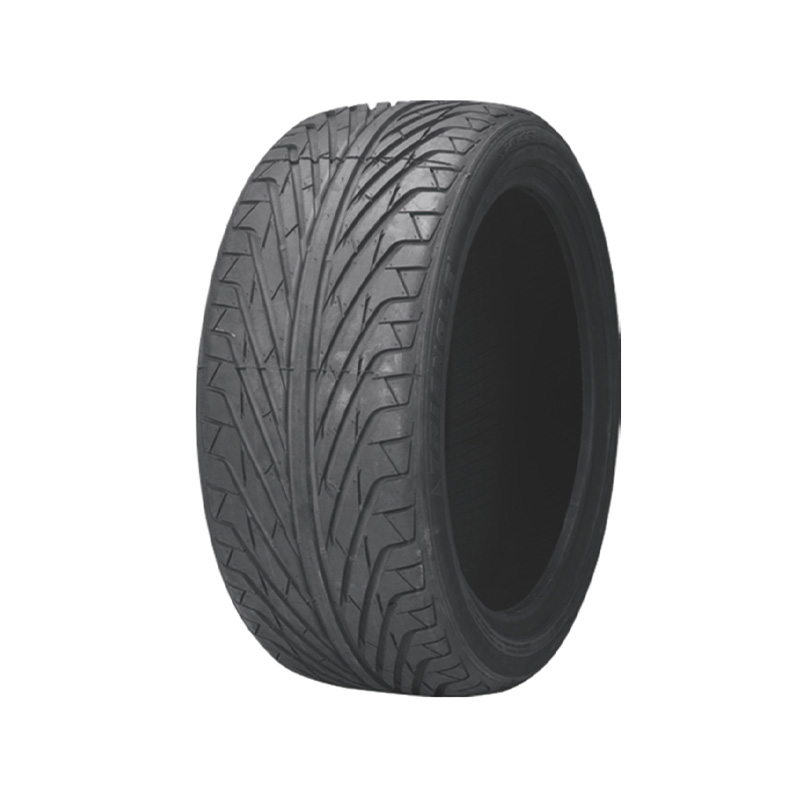
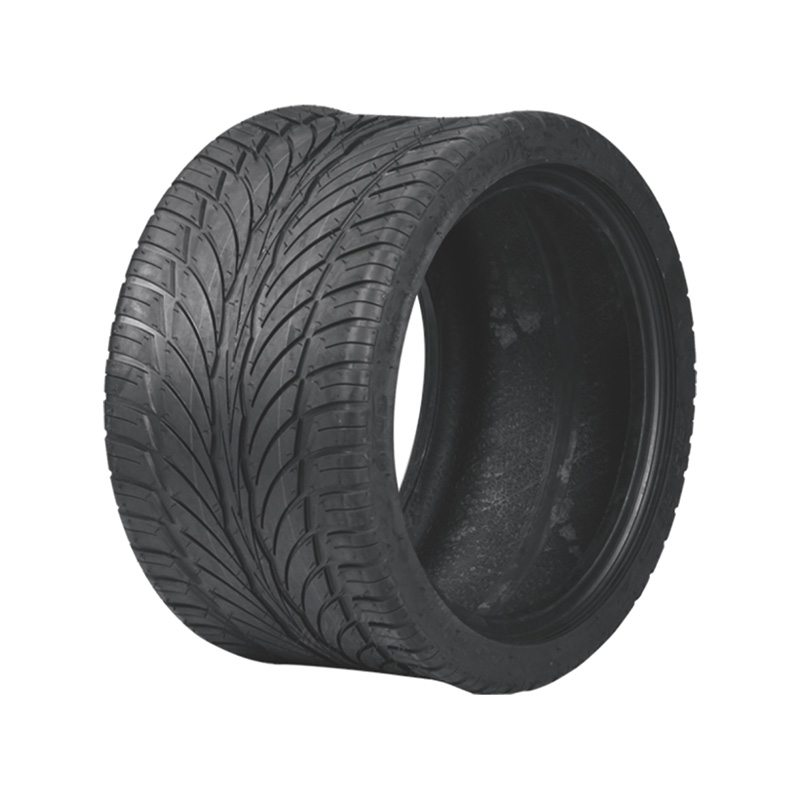
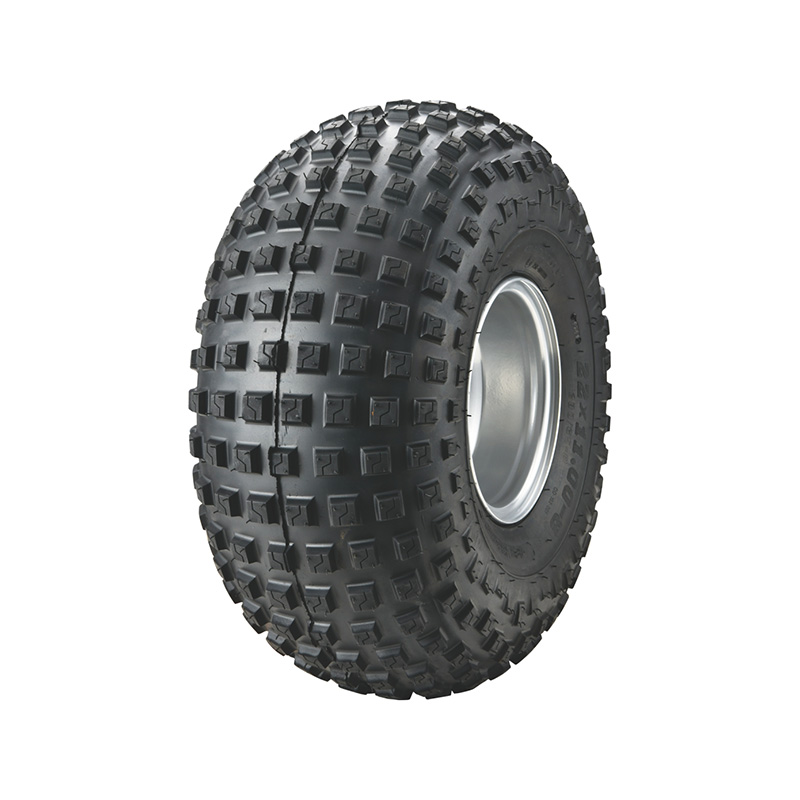
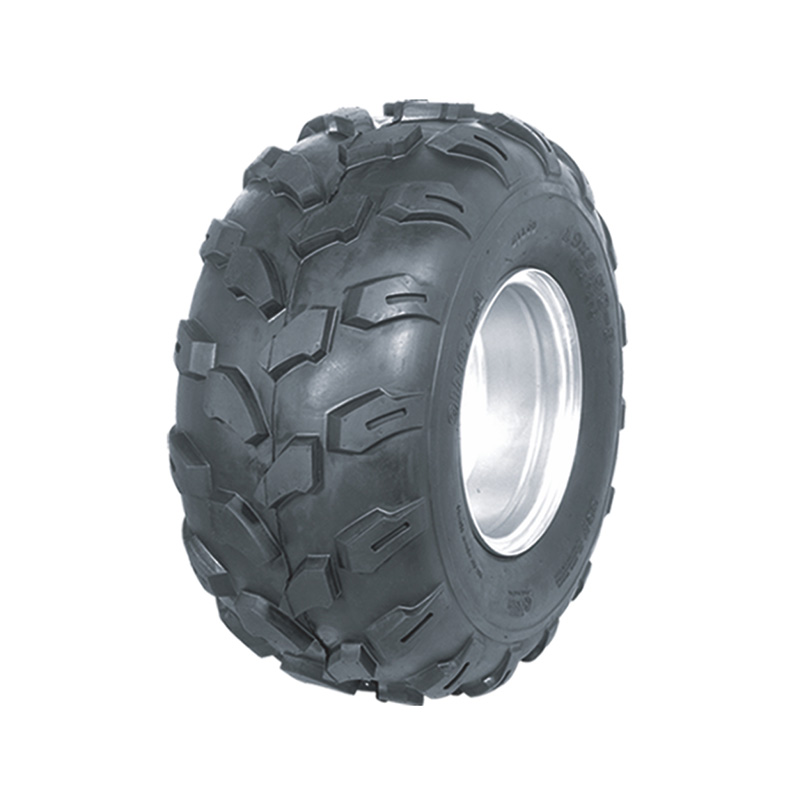
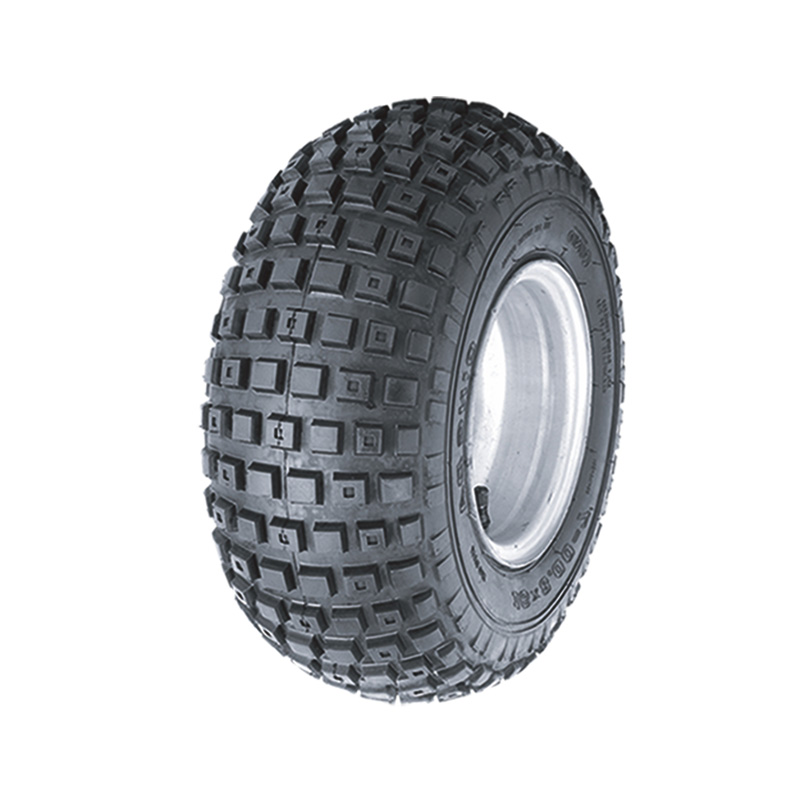
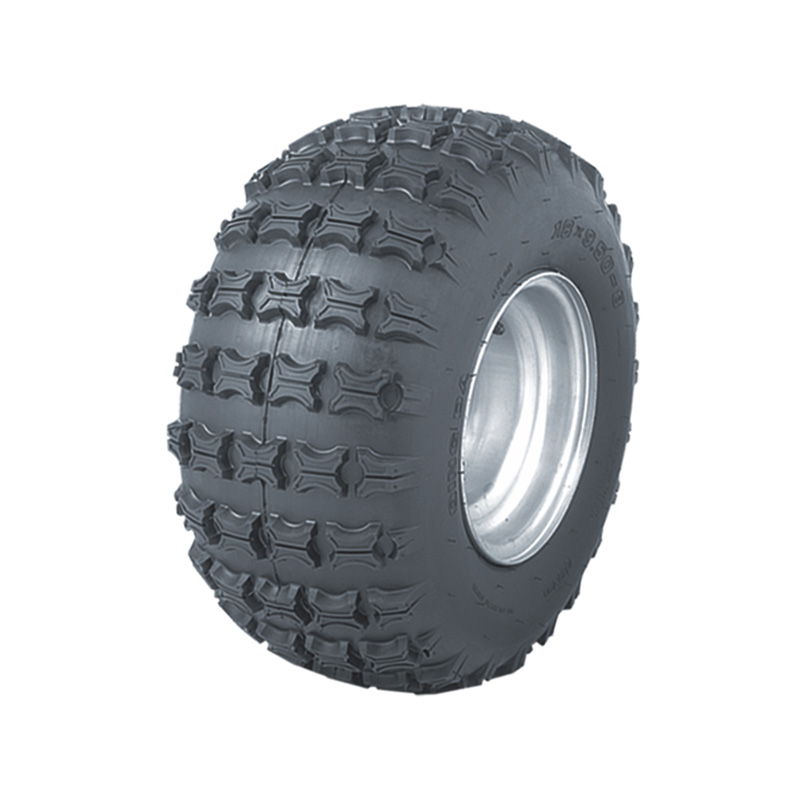
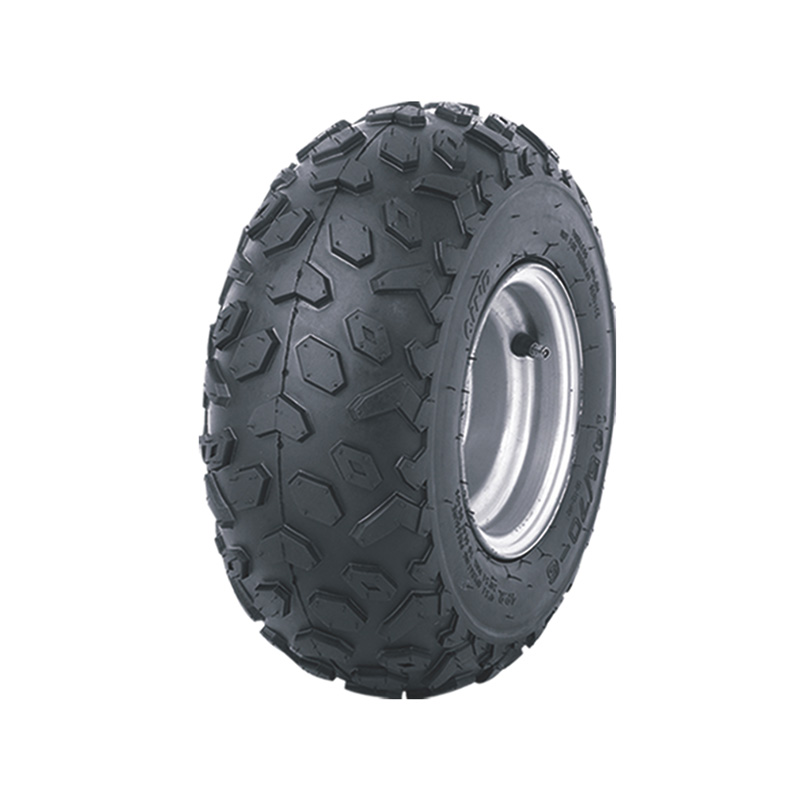
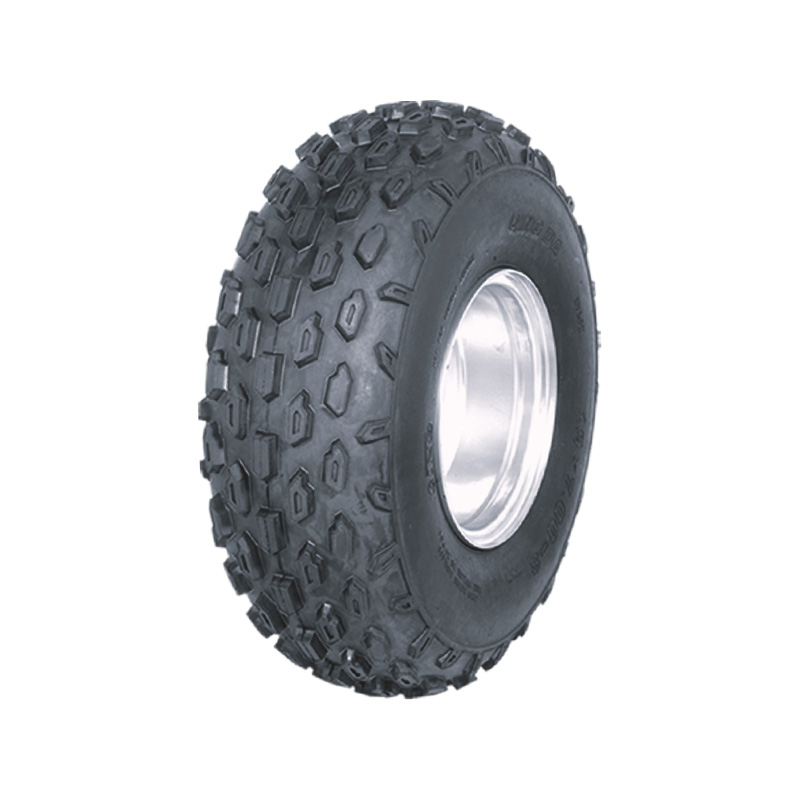
ATV tires do a lot more work than people tend to notice until something goes wrong. Whether a rider is navigating deep mud, loose sand, rocky trails, or hard-packed dirt, the tires are what determine how much grip and control the machine actually has. Because ATVs are used across such a wide range of terrain and purposes, tire design has branched out into several distinct categories, each built around a different set of demands.
Tread pattern is arguably the single biggest factor separating one ATV tire from another. Mud tires typically feature deep, widely spaced lugs designed to clear debris quickly and maintain traction even when the tire is partially submerged in soft ground. Sand tires, by contrast, often use a paddle-style tread that pushes against loose sand rather than digging into it, since sand behaves very differently from mud or dirt underfoot.
All-terrain tires split the difference, offering a tread pattern that performs reasonably well across a mix of surfaces without being specialized for any single condition. Riders who move between different terrain types throughout a season often gravitate toward all-terrain options simply because switching tires for every trail change isn't practical. Specialized tires tend to reward riders who consistently ride the same type of terrain, where the tradeoff in versatility is worth the improved grip in that specific environment.
Beyond tread, the internal construction of an ATV tire plays a major role in how it holds up under stress. Ply rating refers to the strength and durability of the tire's internal structure, with higher ply ratings generally indicating a tire built to resist punctures and impacts from rocks, roots, or other trail debris. Tires used for utility or work purposes, such as hauling equipment or navigating rougher terrain, often carry higher ply ratings than tires designed primarily for recreational trail riding.
Sidewall construction matters too, particularly for riders who spend time on rocky or uneven ground where the sidewall might make contact with obstacles. A reinforced sidewall reduces the likelihood of cuts or punctures in situations where the tire is flexing against sharp edges, which is a common scenario in technical rock-crawling or heavily wooded trail conditions.
ATV tire sizing affects more than just fitment. Larger diameter tires generally provide better ground clearance and can roll over obstacles more easily, which matters on trails with rocks, logs, or uneven terrain. Tire width also plays a role, with wider tires offering a larger contact patch that can improve flotation on soft surfaces like sand or mud, while narrower tires may dig in more effectively on firmer ground.
Matching tire size to both the machine and the intended riding style is something many riders adjust over time as they get a better sense of how their ATV handles different terrain. A few sizing factors tend to come up repeatedly when riders are comparing options:
Getting these details aligned with the specific ATV model helps avoid handling issues that can arise when tires are mismatched to the machine's suspension geometry or intended use.
What's the difference between mud tires and all-terrain ATV tires?
Mud tires use deep, widely spaced lugs to clear debris and maintain grip in soft conditions, while all-terrain tires offer a more balanced tread suited to a mix of surfaces.
Does ply rating affect how an ATV tire performs on rocky trails?
Yes, higher ply ratings generally provide more resistance to punctures and impacts, which matters on terrain with rocks, roots, or other sharp debris.
Can ATV tires be customized for specific dealer or distributor needs?
Many suppliers offer adjustments to tread pattern, sizing options, and branding to help distributors and dealerships match their product lines to specific customer demands.
Have any question ?