Scooter tires generally split into two construction types, and the choice shapes almost everything else about how the tire performs.
Solid tires are built from dense rubber or foam compounds with no air chamber at all, which means they can't go flat. Buyers sourcing for shared fleet operators often lean toward solid tires specifically because punctures are a constant headache in high-mileage public use, and eliminating that failure point cuts down on service calls.
Pneumatic tires use an air-filled inner tube or tubeless design, offering a softer ride and better shock absorption over rough pavement or potholes. Buyers supplying personal or commuter scooters tend to favor pneumatic options since ride comfort matters more to individual owners than it does to a fleet operator managing hundreds of units.
The tradeoff is fairly direct: solid tires reduce maintenance calls but ride harsher, while pneumatic tires ride smoother but introduce the possibility of flats. Sourcing teams building out a parts catalog usually stock both, since fleet operators and individual retail buyers tend to land on opposite sides of this tradeoff.
Getting tire diameter right sounds like the simplest part of sourcing scooter tires, but it's also where a fair number of ordering mistakes happen. Scooter wheel sizes vary noticeably between models — smaller diameters common on compact folding scooters, larger ones on scooters built for higher speeds or longer commutes. A tire that's even slightly off in diameter won't seat properly on the rim, which makes precise size matching a non-negotiable part of any bulk order.
Buyers sourcing replacement tires for multiple scooter brands often request a cross-reference guide mapping tire diameters against common scooter models, since retail customers and repair shops rarely know the exact tire specification off the top of their head — they know the scooter brand and model, and expect the supplier to bridge that gap.
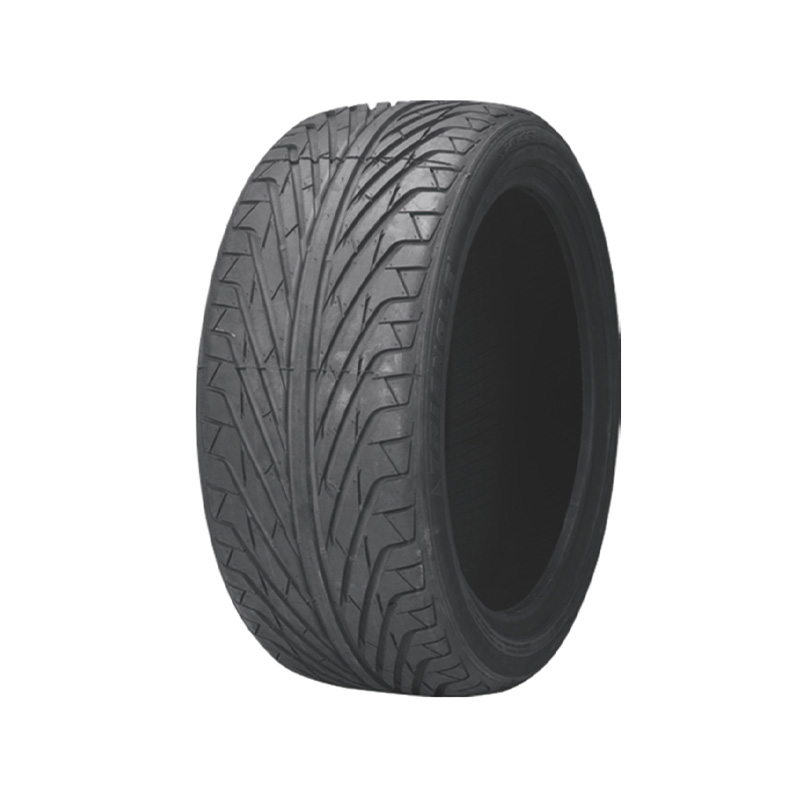
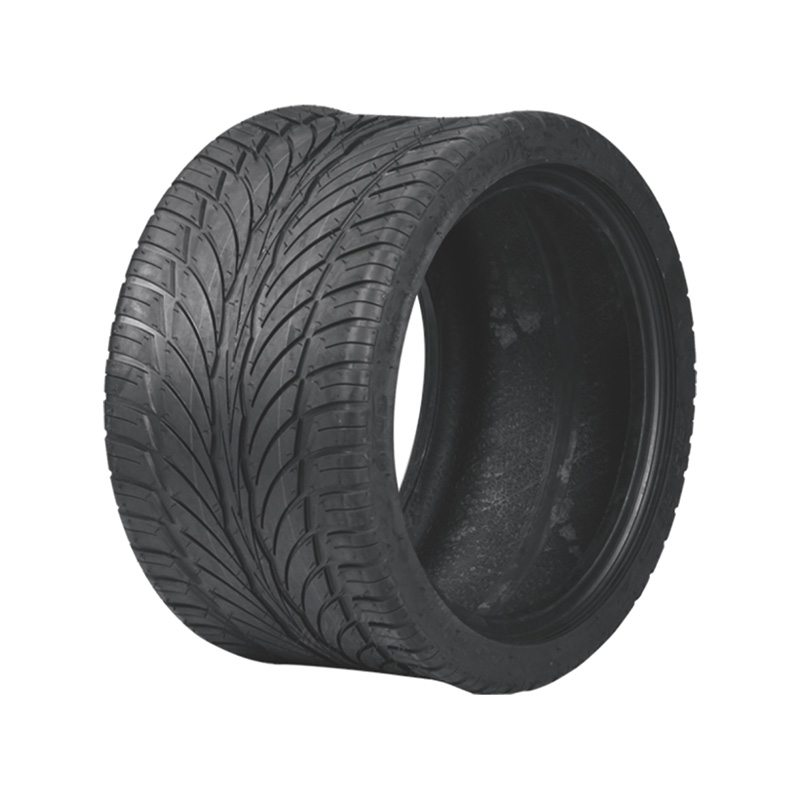
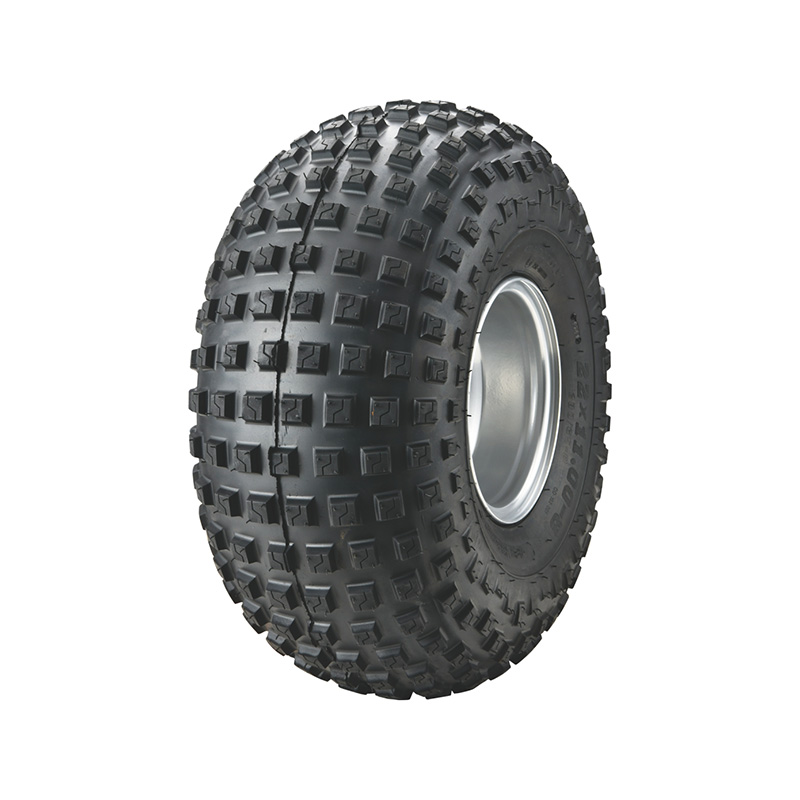
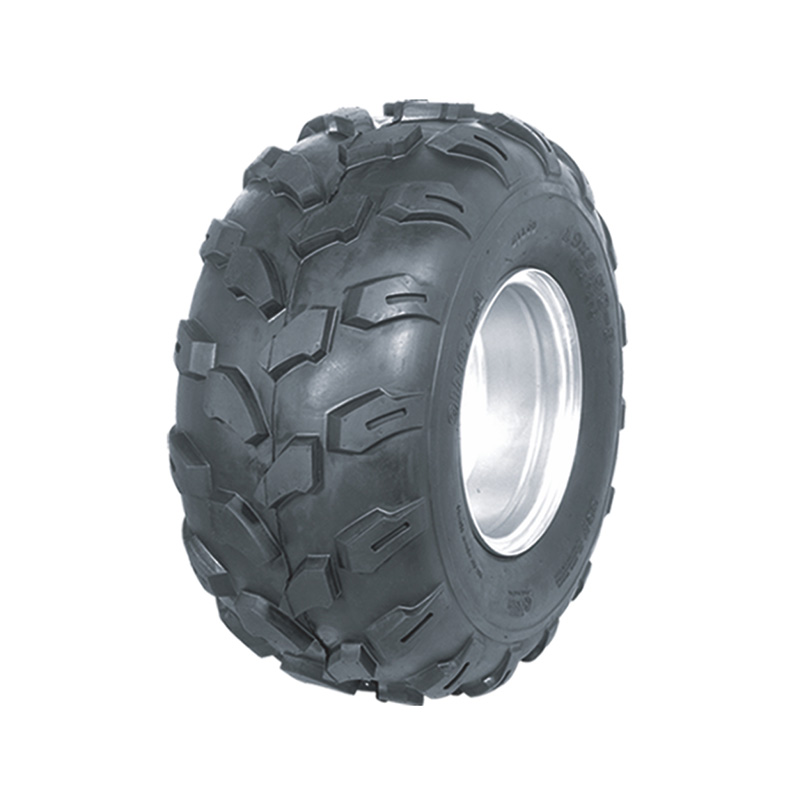
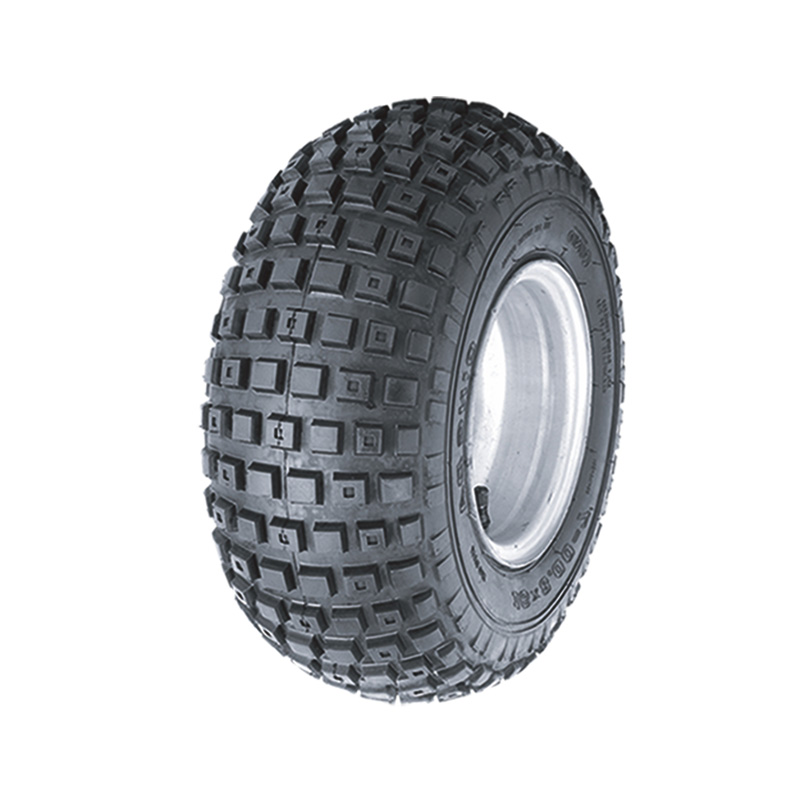
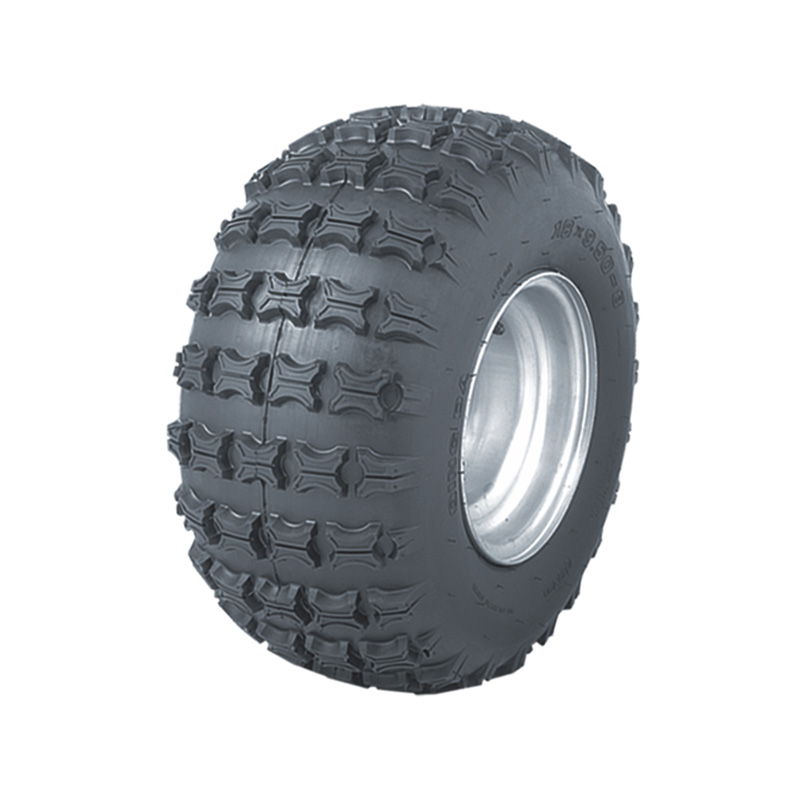
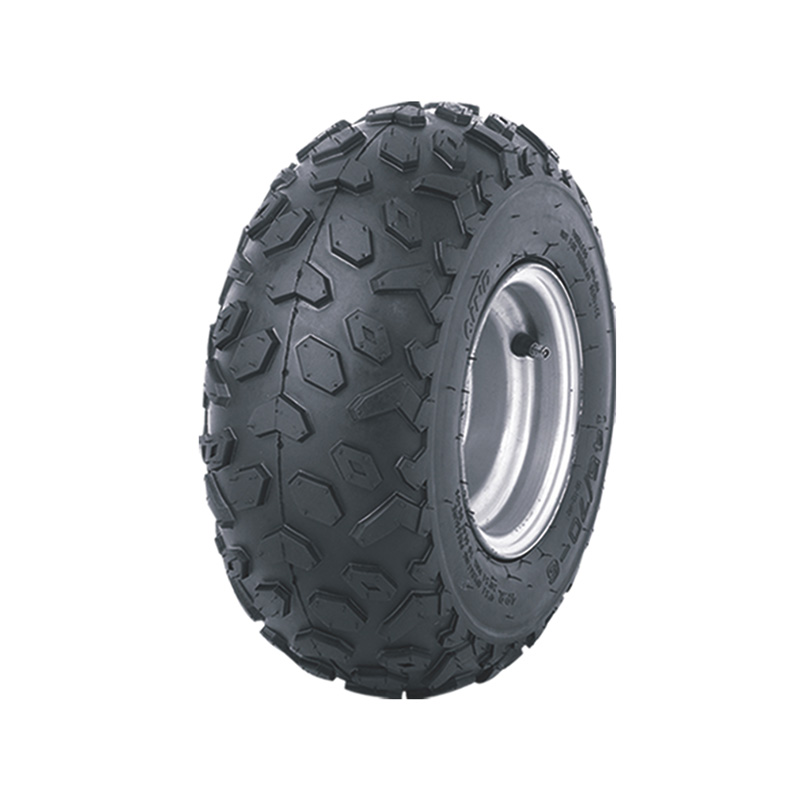
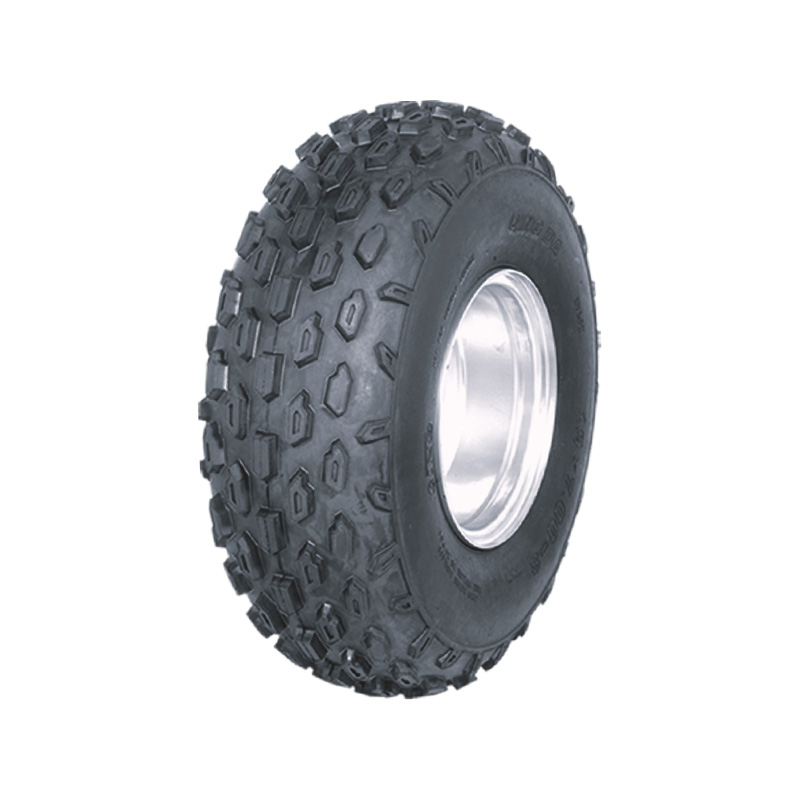
Tread pattern affects how a scooter tire grips different surfaces, and this becomes a bigger conversation than people expect once you get into specifics. A smoother tread reduces rolling resistance, which matters for buyers targeting speed or battery efficiency, since less resistance means the scooter's motor works less to maintain a given speed. A more aggressive tread pattern, with deeper grooves, holds better on wet pavement or uneven surfaces but tends to wear down a bit faster and adds slightly more rolling resistance.
A few things buyers ask about tread specifically:
Buyers supplying fleet operators in wetter climates often prioritize scooter tires with tread patterns built for grip, even accepting the tradeoff of faster wear that comes with it. A rider losing traction on wet pavement tends to create a bigger liability concern than a tire needing replacement a bit sooner than expected, so the tradeoff usually feels worth it from a fleet management standpoint.
Have any question ?