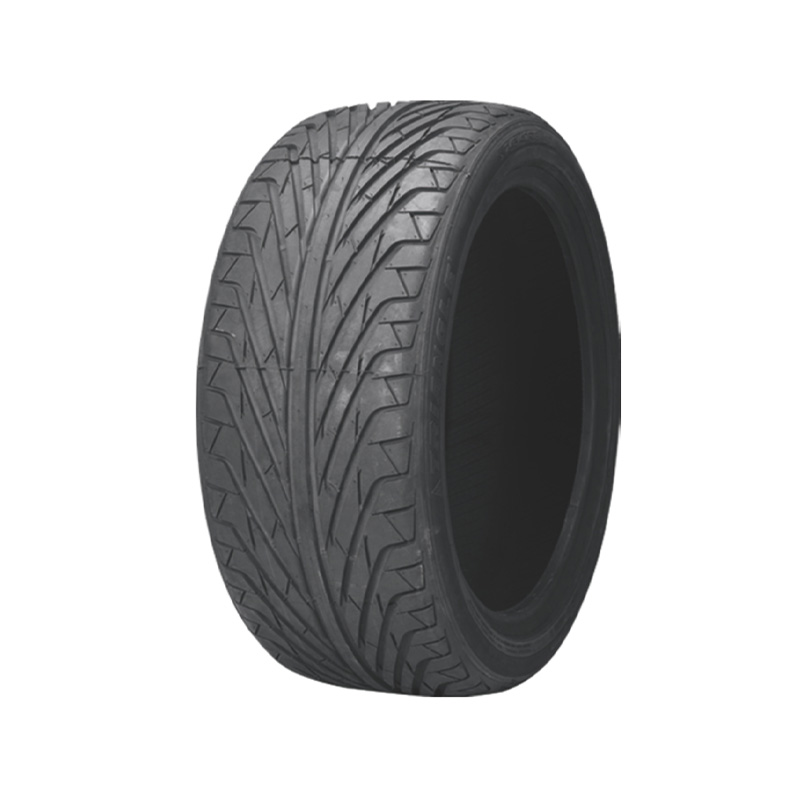
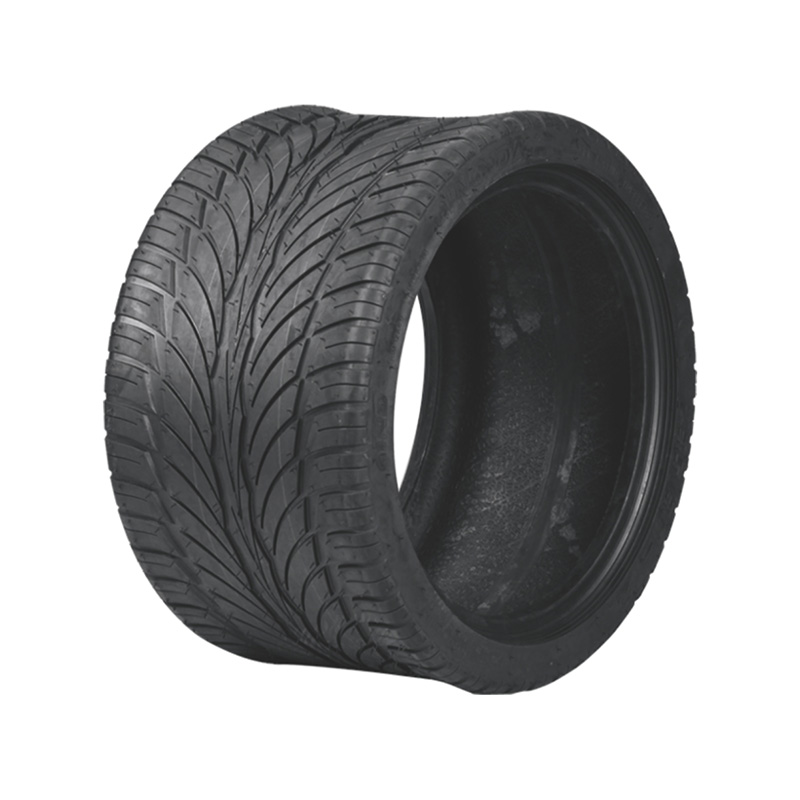
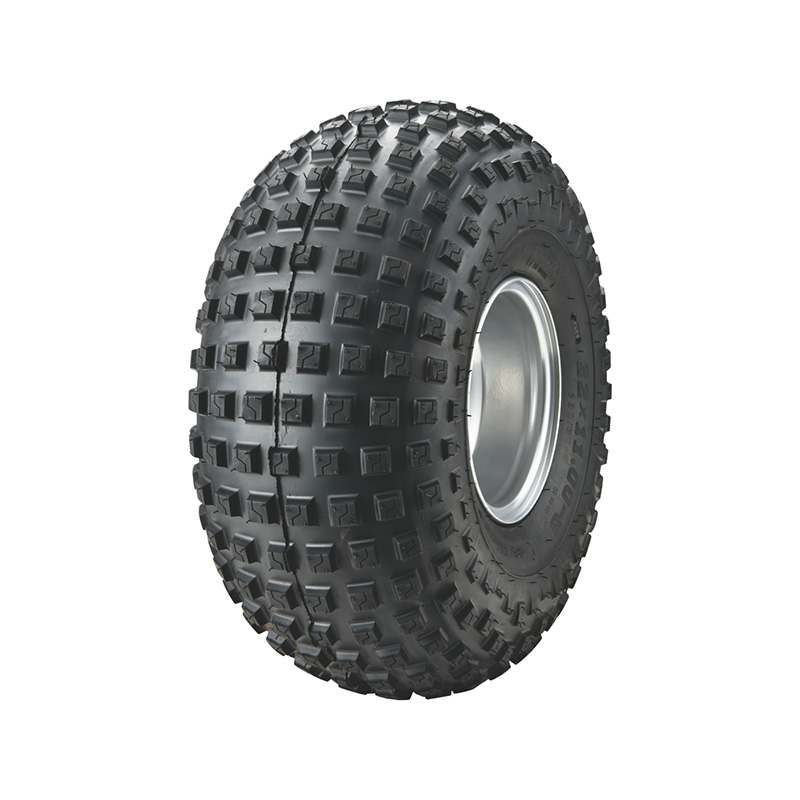
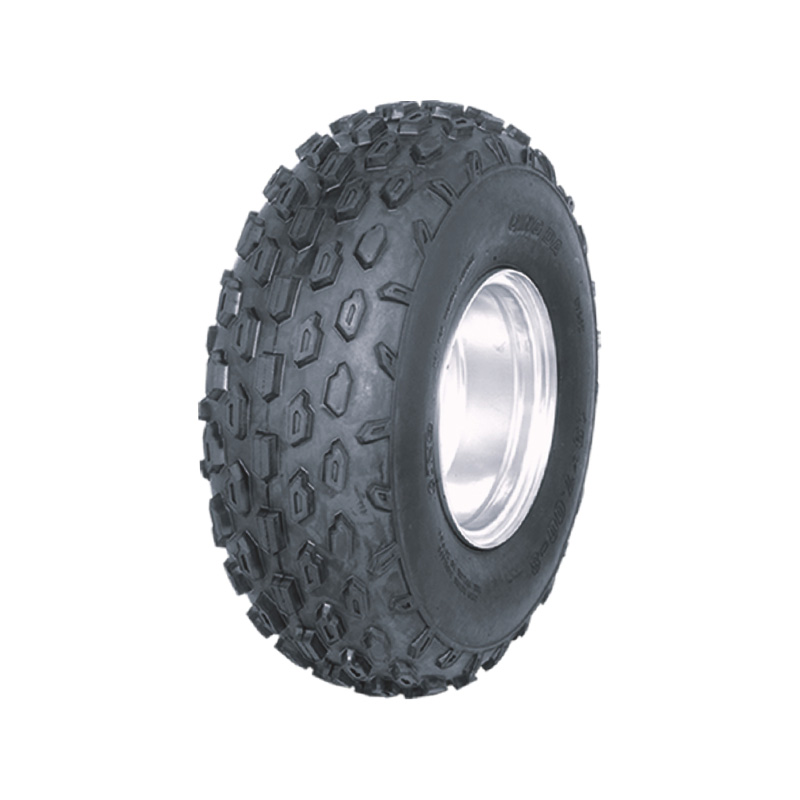
Lawn mowing equipment operates across different types of outdoor surfaces, from flat residential lawns to uneven commercial grounds. During operation, tyres influence how the machine moves, how its weight is distributed, and how effectively it maintains contact with the ground. Lawn Mower Tyres are available in different rubber compounds, tread patterns, and structural designs. Their configurations are generally developed around equipment weight, operating conditions, and the type of ground encountered during mowing.
Rubber is the primary material used in many lawn mower tyres. Its flexibility allows the tyre to adapt to minor changes in ground conditions while supporting the weight of the equipment. Different rubber formulations can influence flexibility, surface grip, resistance to abrasion, and overall structural behavior.
Natural rubber and synthetic rubber are commonly used in tyre manufacturing. Natural rubber contributes elasticity and flexibility, whereas synthetic rubber can be formulated to provide particular physical properties. Manufacturers may combine different rubber materials to achieve a compound suited to specific equipment applications.
The sidewall and tread sections also have different functional requirements. The tread comes into direct contact with the ground, while the sidewall accommodates deformation during movement. Their material composition and thickness can therefore influence the overall performance of Lawn Mower Tyres.
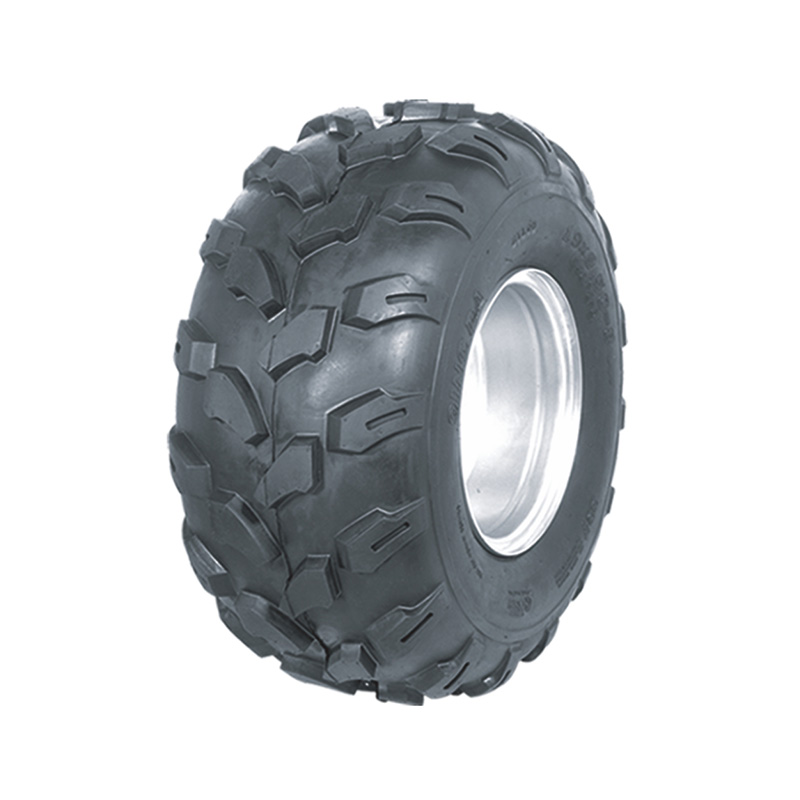
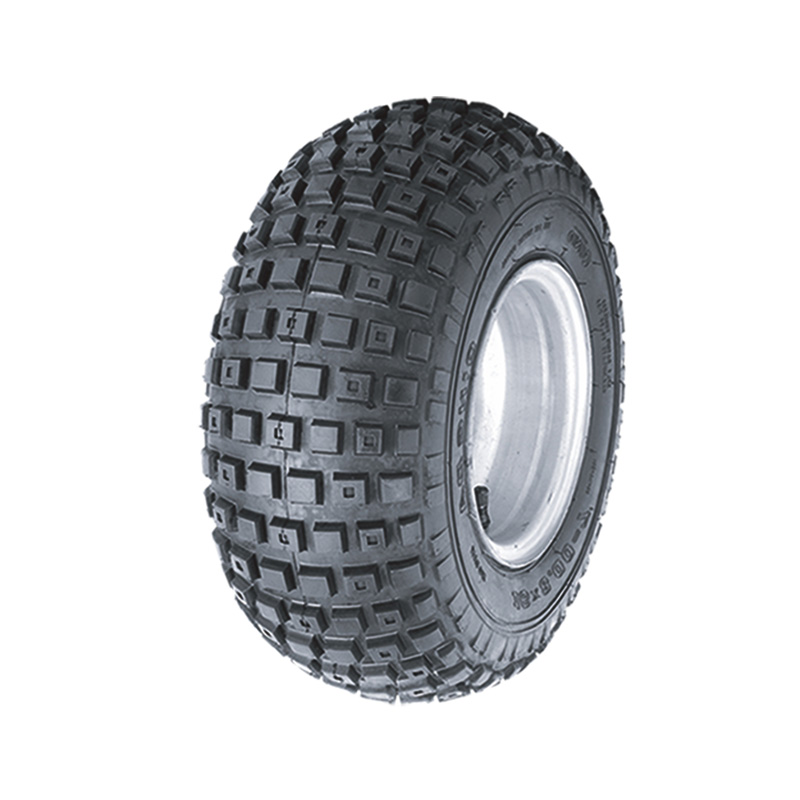
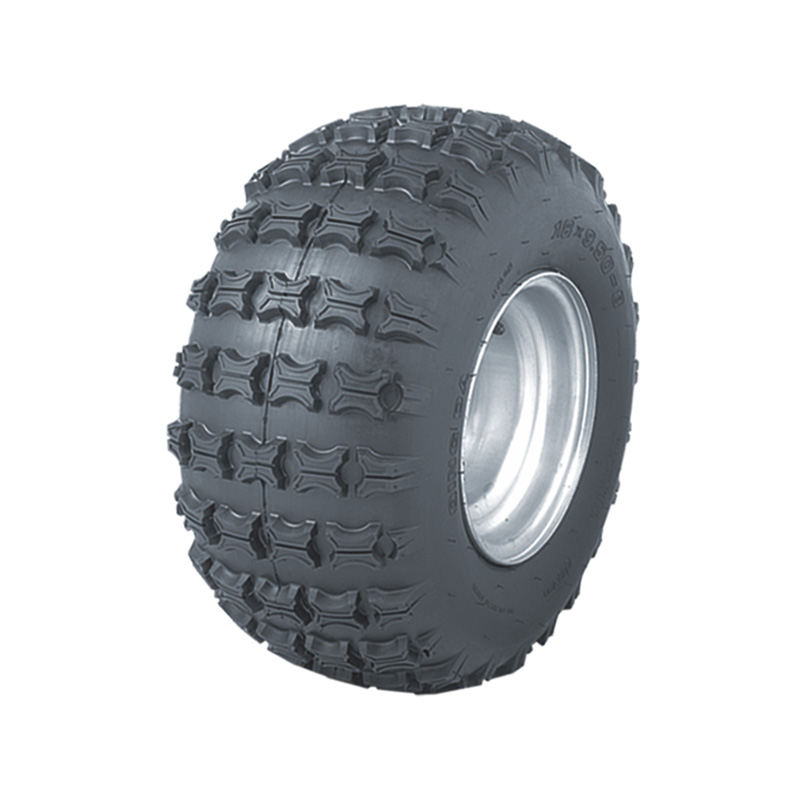
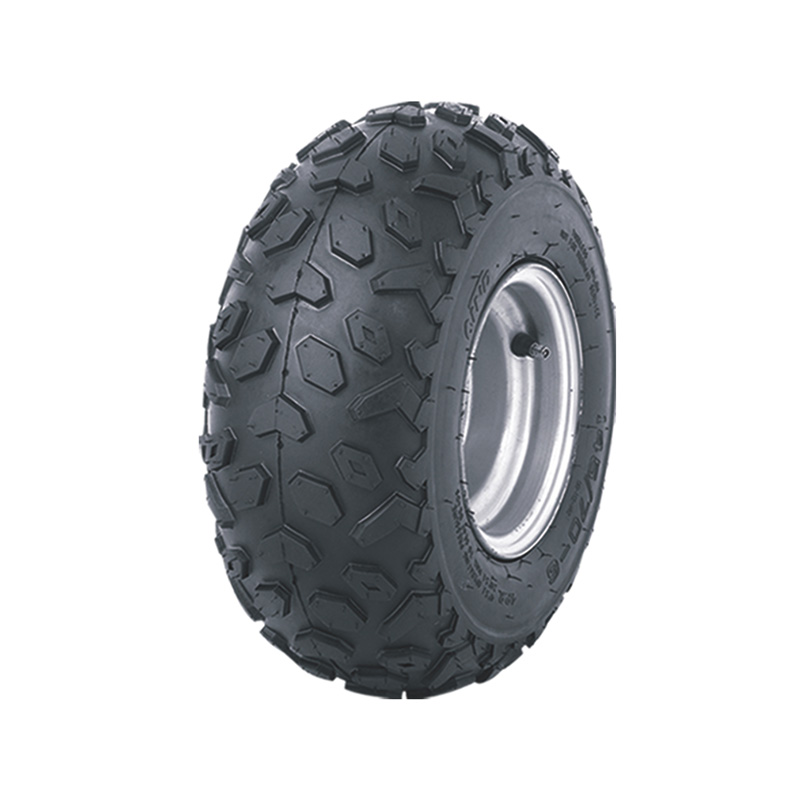
Tread design is another important feature in lawn mower tyre production. Different patterns are developed to match the surfaces and working conditions encountered by mowing equipment.
Common tread configurations include:
The selection of tread patterns depends on the machine's design and intended application. Residential lawn tractors may use turf-oriented patterns, whereas commercial mowing equipment operating on mixed terrain may require a different tread arrangement.
For equipment manufacturers, tread geometry is an important part of matching Lawn Mower Tyres to the machine's working requirements.
Tyre manufacturing involves several stages that determine the final product structure. Rubber compounding is generally the starting point, where raw rubber and other formulation ingredients are mixed to create a workable material.
After compounding, the rubber is processed into components such as tread sections and sidewall layers. These components are assembled according to the tyre's structural design. Depending on the product type, manufacturers may use different construction methods for pneumatic and solid tyres.
Moulding is an important stage in shaping the tyre. Rubber materials are placed into a mould that defines the external dimensions and tread pattern. Heat and pressure are applied during vulcanization, allowing the rubber to develop its intended physical structure.
Mould design also affects the appearance of the tread grooves, sidewall markings, and overall tyre profile. Different mould configurations allow manufacturers to produce Lawn Mower Tyres for various wheel sizes and equipment designs.
Lawn mowing machines use different tyre structures depending on their operating requirements.
Pneumatic tyres contain compressed air and provide cushioning when equipment travels over uneven surfaces. Their flexible structure helps absorb some impact from small bumps and ground irregularities.
Solid tyres use a non-pneumatic rubber structure. They do not rely on internal air pressure and are used in certain compact or specialized mowing equipment. Their construction differs from pneumatic products, particularly in terms of internal structure and material distribution.
Both types have specific application requirements. Equipment manufacturers need to consider machine weight, wheel configuration, ground conditions, and operating patterns when selecting a suitable structure.
Rubber composition, tread geometry, internal structure, and manufacturing methods all contribute to the functional characteristics of lawn mower tyres. From residential lawn tractors to commercial landscaping equipment, different mowing applications call for different tyre configurations. For equipment manufacturers and international distributors, understanding these product features provides a practical foundation for developing suitable product ranges and matching tyre designs with specific machinery requirements.
Have any question ?