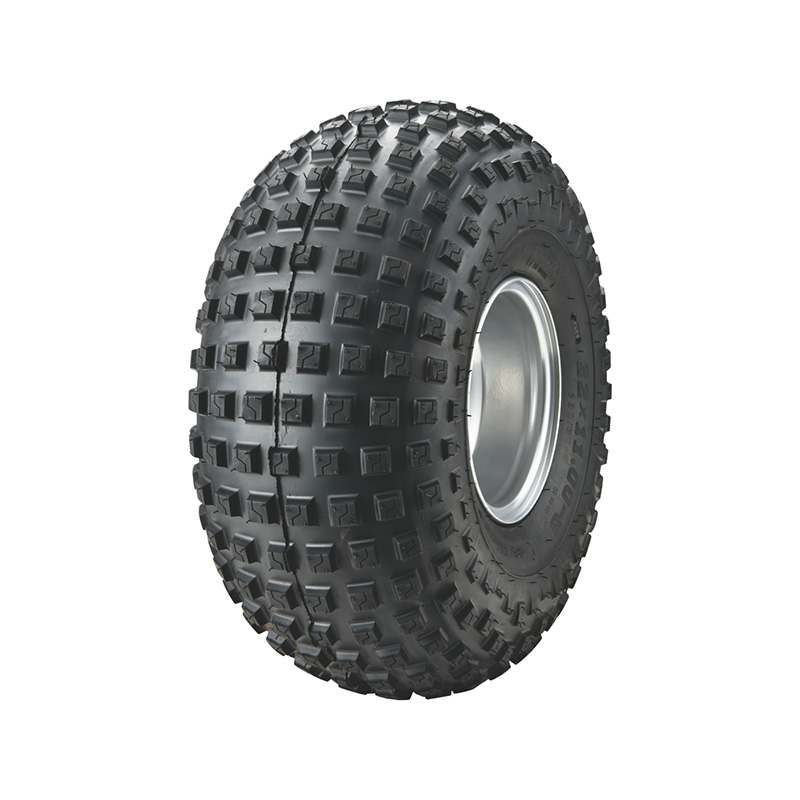
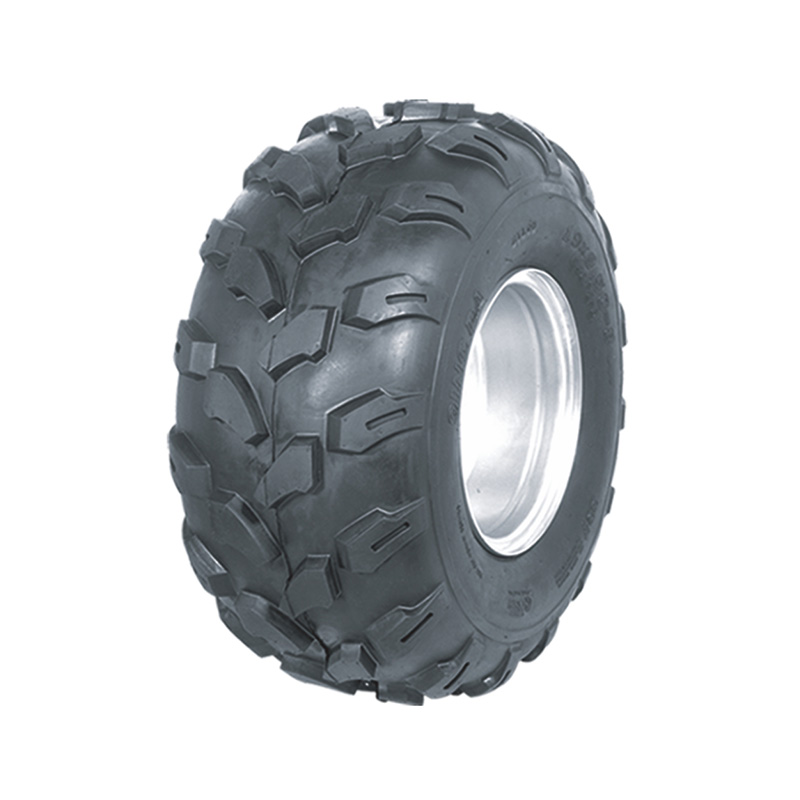
Passenger tires and agriculture tires share a family tree, but the branches diverge early. The defining feature of an agricultural tire is the sheer size of its tread elements—lugs that extend radially outward far beyond what a highway tire would tolerate. That geometry demands a building method with room to expand.
Many agricultural tire lines rely on a two-stage building process rather than a single-drum approach. The carcass is formed on a first-stage drum with a larger diameter, then transferred to a second-stage drum for shaping and tread application. The reason is practical: agricultural tire carcasses undergo a high degree of expansion during shaping, and a two-stage method preserves more body ply cords in the finished product. For a buyer auditing a factory, the presence of two-stage building equipment is a quiet signal that the plant understands the structural demands of agriculture tires rather than treating them as oversized car tires.
The rubber compound in an agricultural tire must survive two opposing environments. In the field, it faces cut-and-chip conditions, stalk residue, and constant flexing at low inflation pressures. On the road—and many tractors spend meaningful hours on pavement—it must resist heat buildup and tread scrubbing.
Suppliers that control their own compound mixing typically adjust carbon black grades and natural rubber ratios depending on the target application. A tractor tire headed for row-crop work in soft soil leans toward a compound tuned for traction and cut resistance. A flotation tire for a grain cart prioritizes heat dissipation and sidewall flex. When evaluating a manufacturer, ask whether compound formulation happens in-house or is outsourced. The answer shapes how quickly a factory can respond to a custom tread specification without waiting on an external mixer.
In many agricultural tire designs, lugs are formed separately from the tread base and then joined through a curing process using a cushion gum layer that bonds the lug to the cured rubber component. This is not a trivial detail for buyers. Lug geometry—angle, height, overlap—determines self-cleaning behavior in wet soil and wear evenness on the road.
A modern R-1W tread, for instance, uses a lug angle designed to push soil out of the footprint while maintaining a contact patch that distributes load without concentrating stress at the shoulders. Suppliers with in-house mold design capability can iterate on lug profiles for specific soil conditions rather than forcing a buyer to choose from a static catalog. That flexibility matters for OEMs and distributors serving distinct geographic markets.
Curing is where a factory's discipline shows. Agricultural tires carry thick tread sections and massive lugs, which means heat penetration during vulcanization is uneven by nature. A press operator who rushes the cycle or runs a poorly calibrated mold will produce tires with variable rubber properties—some zones undercured, others brittle. The buyer may not see the difference in a warehouse inspection, but the farmer will see it at 800 hours.
During a factory audit, pay attention to press utilization rates and mold maintenance schedules. A plant running at reasonable capacity with documented mold cleaning intervals is more likely to deliver batch-to-batch consistency across repeat orders. Capacity utilization above a certain threshold is not automatically a red flag, but it does raise a question: where does maintenance fit into the production calendar?
Have any question ?