The defining trait of Snowplow Tires is rubber that stays flexible when temperatures drop. Standard compounds turn stiff in the cold, and a stiff tread block slides instead of biting. Winter-oriented compounds lean on natural rubber blends and silica fillers that keep the contact patch pliable, letting tiny tread elements conform to ice texture rather than skating across it.
Heat management runs in the opposite direction. Plow trucks run slow and heavy for hours, which builds heat despite the cold air, and frequent curb contact punishes the shoulder area. Compound formulators balance these two demands—cold flexibility and slow-speed heat resistance—in a single recipe. Dual-compound designs push the cold-friendly rubber toward the tread surface and tougher rubber into the base layer.
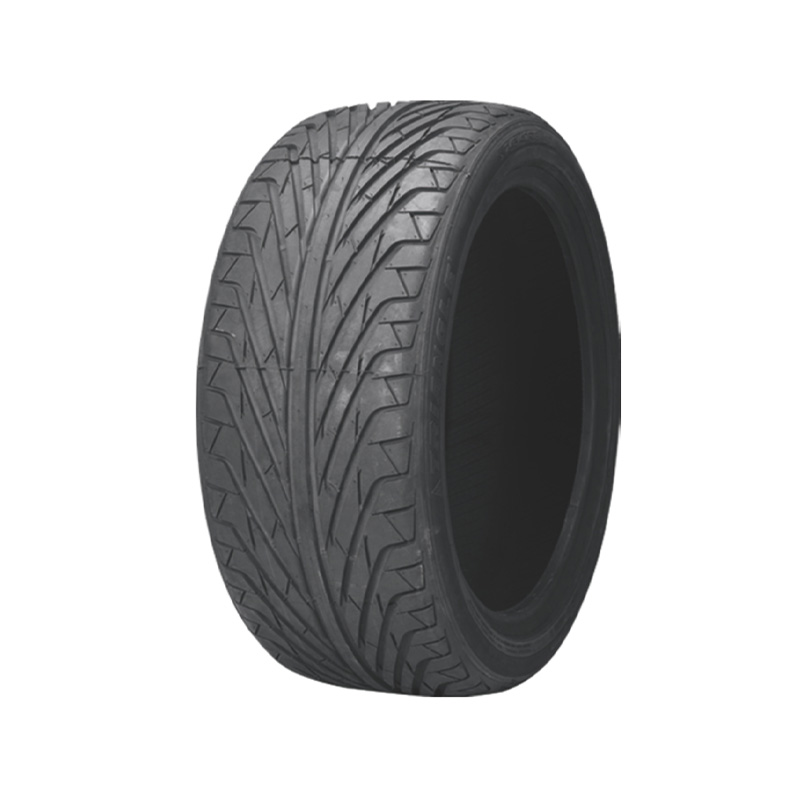
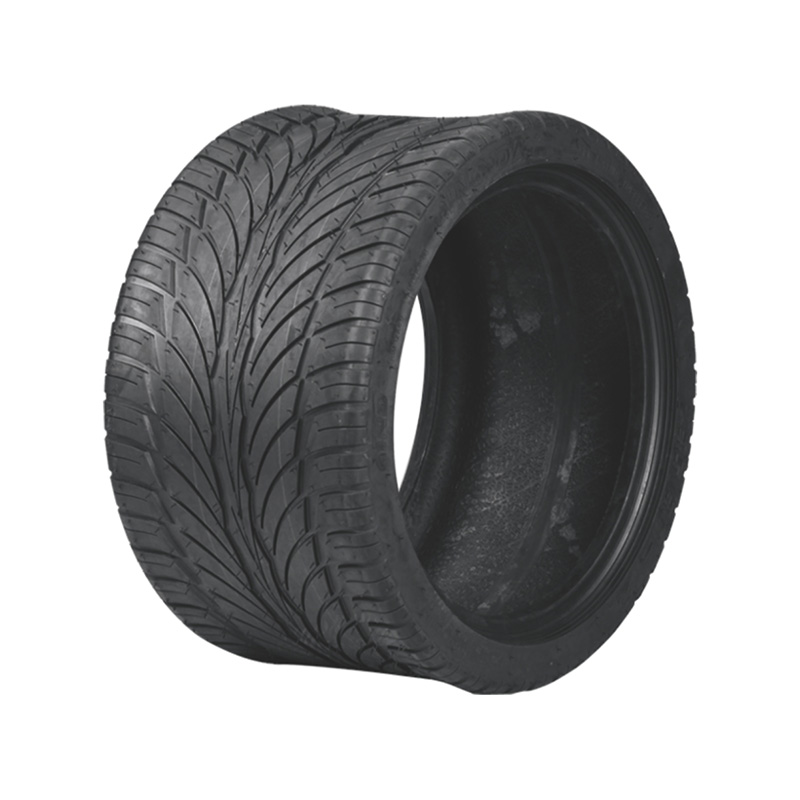
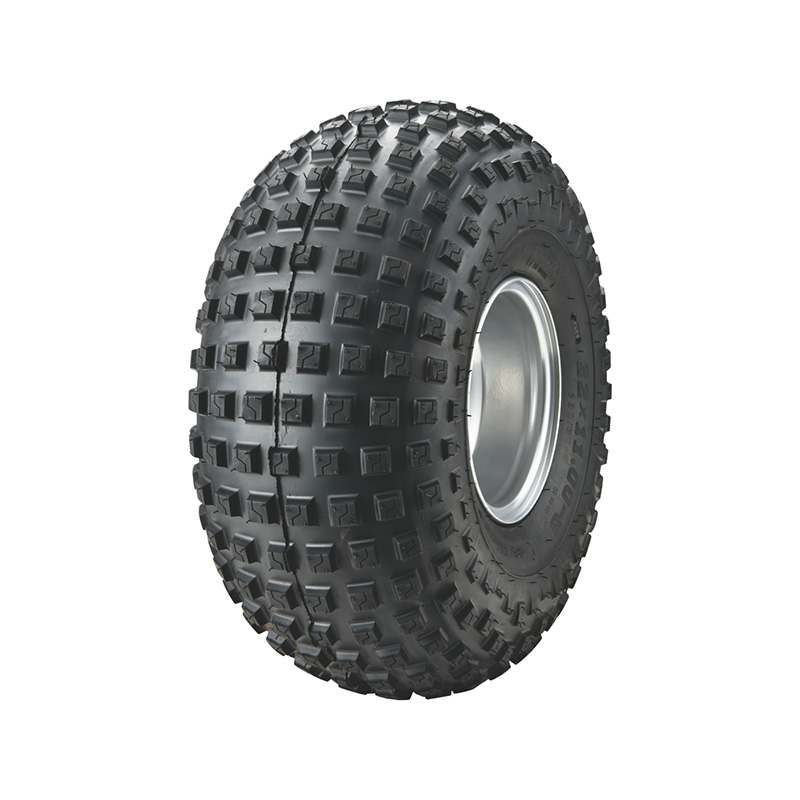
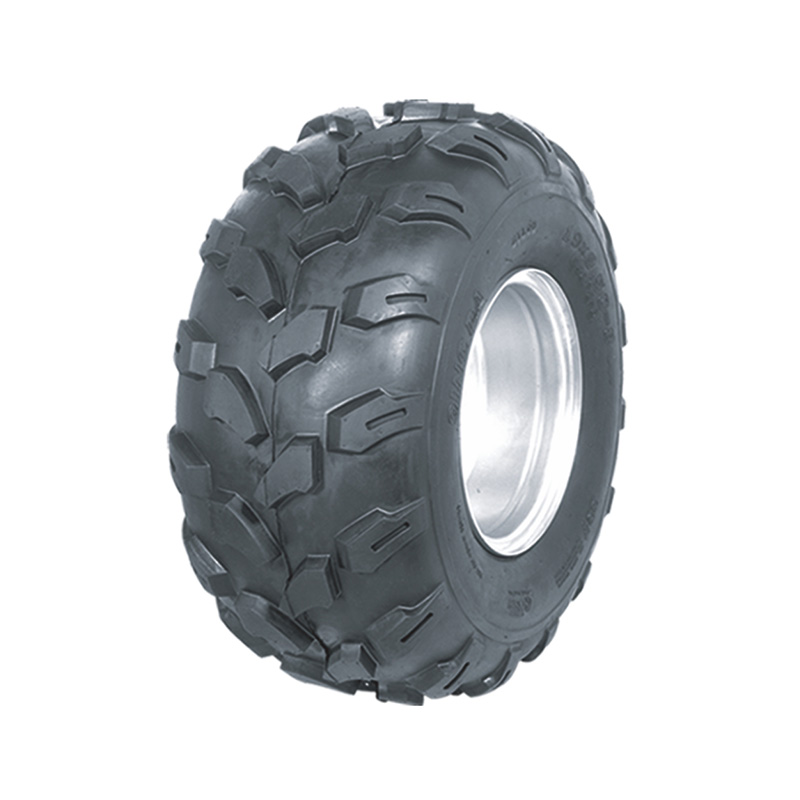
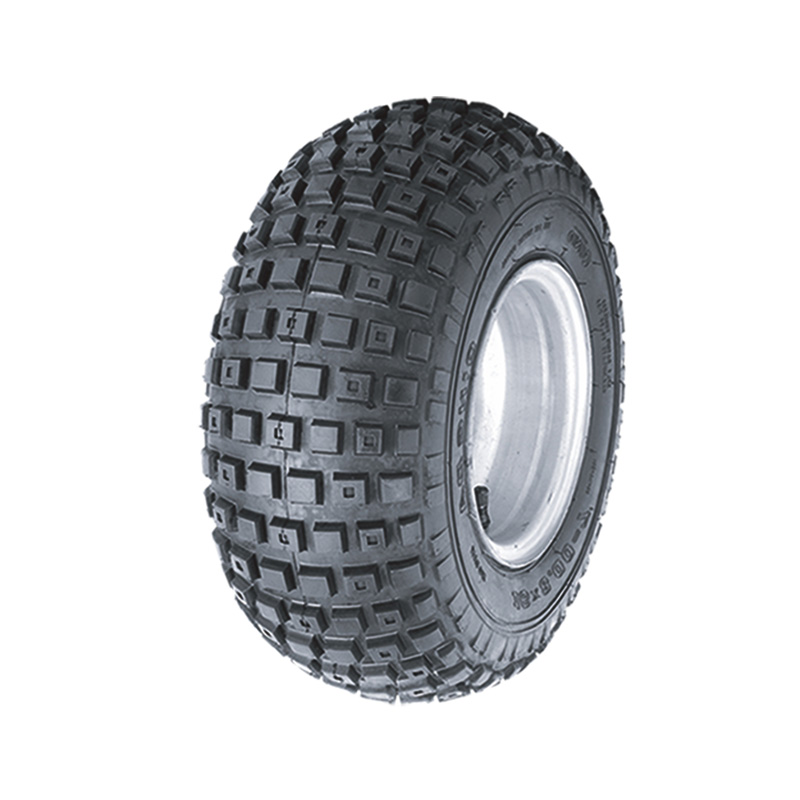
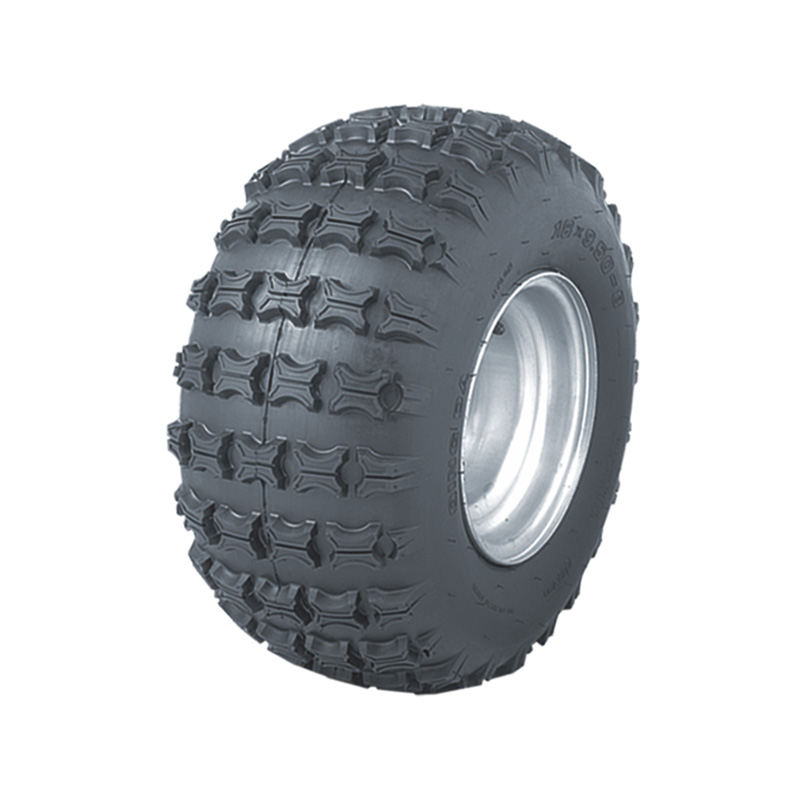
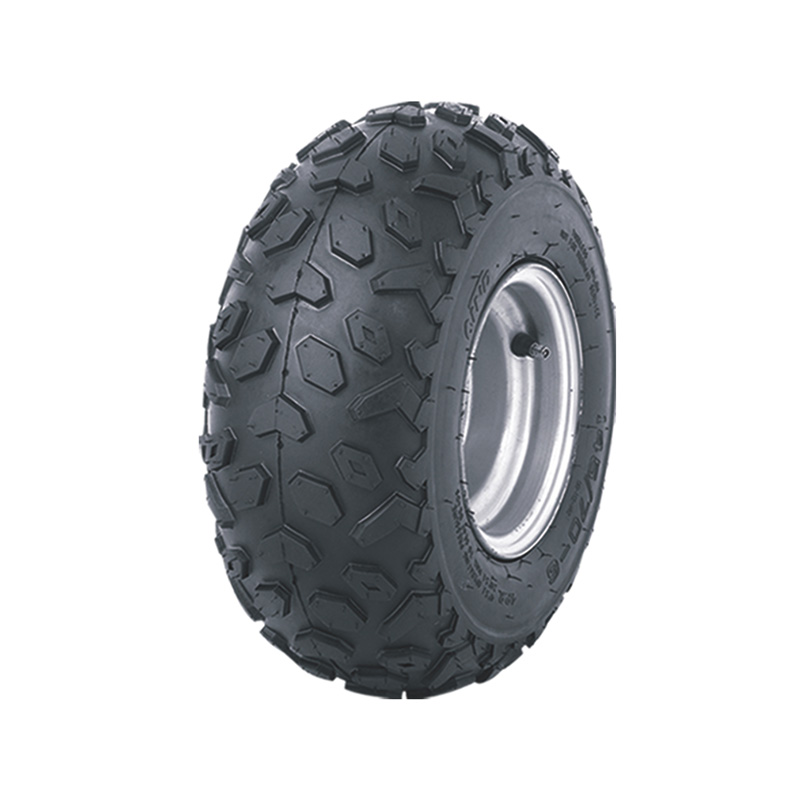
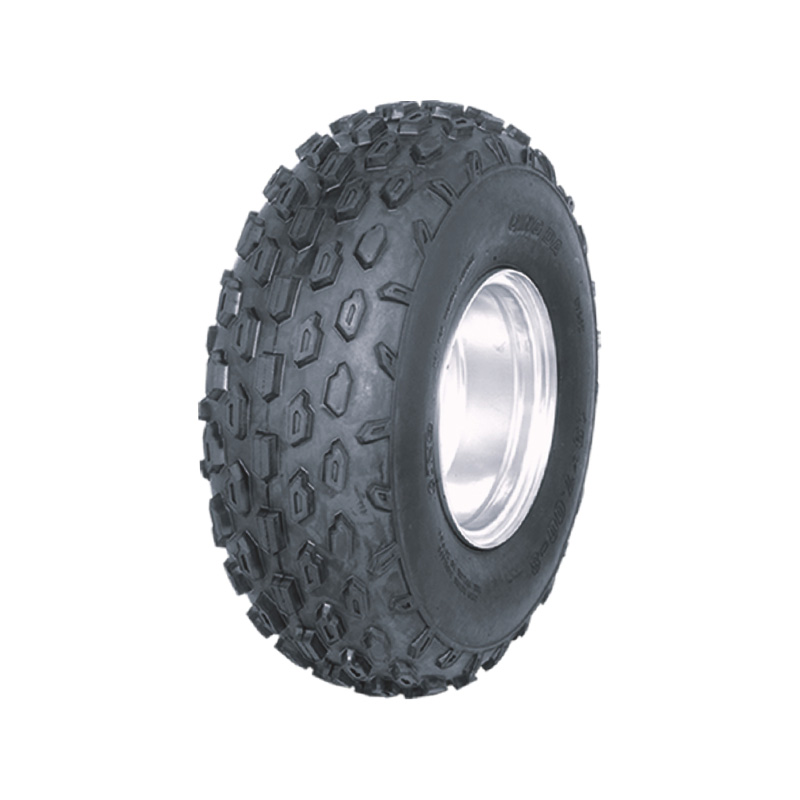
Tread design earns its keep on plow trucks through two features working together: blocky lugs and dense siping. Large, staggered blocks dig through loose snow and slush, while open shoulders eject packed material before it bridges the grooves. The pattern looks aggressive because the job is aggressive.
Siping does the quiet work on bare ice. Thousands of thin cuts across each block create extra biting edges that grip frozen pavement as the tire rolls. Some designs mold sipes into the block; others add them mechanically after curing. Either way, the effect is the same: the tire multiplies its contact points precisely when the surface offers the least friction.
A plow truck is a front-heavy machine. With the blade raised, several hundred kilograms sit far ahead of the front axle, and Snowplow Tires must carry that bias mile after mile. Fleets typically specify load range E or F ratings, with reinforced casings that hold shape under sustained load without growing squirmy at highway speeds between routes.
Sidewalls take a separate beating. Operators rub against curbs constantly while tracing road edges, and a standard sidewall bruises quickly under that treatment. Plow-oriented tires add extra plies or thicker gauge rubber in the shoulder and sidewall zones. Some designs include a rim protector ridge that takes the scrape before the wheel itself does.
Specification continues past the tire itself. Ballast over the rear axle restores traction balance once the plow lifts weight off the back, and operators experiment with ballast placement as much as with tire choice. Chains remain common on steep municipal routes and on rear axles of two-wheel-drive units, adding mechanical bite that no tread pattern can match on glare ice.
Pressure settings interact with everything above. Slightly lower pressures in deep cold help the contact patch spread, but underinflation on a loaded plow truck builds dangerous heat in the casing. Fleets that log casing temperatures and tread depth through the season arrive at settings that fit their specific routes, loads, and road speeds.
Snowplow Tires earn their keep through a triangle of traits: cold-flexible compound, lug-and-sipe tread geometry, and reinforced casings rated for front-heavy loads. Change one corner of that triangle and the tire behaves like a different product entirely, which is why experienced fleet managers treat specification as a yearly review rather than a habit.
Have any question ?