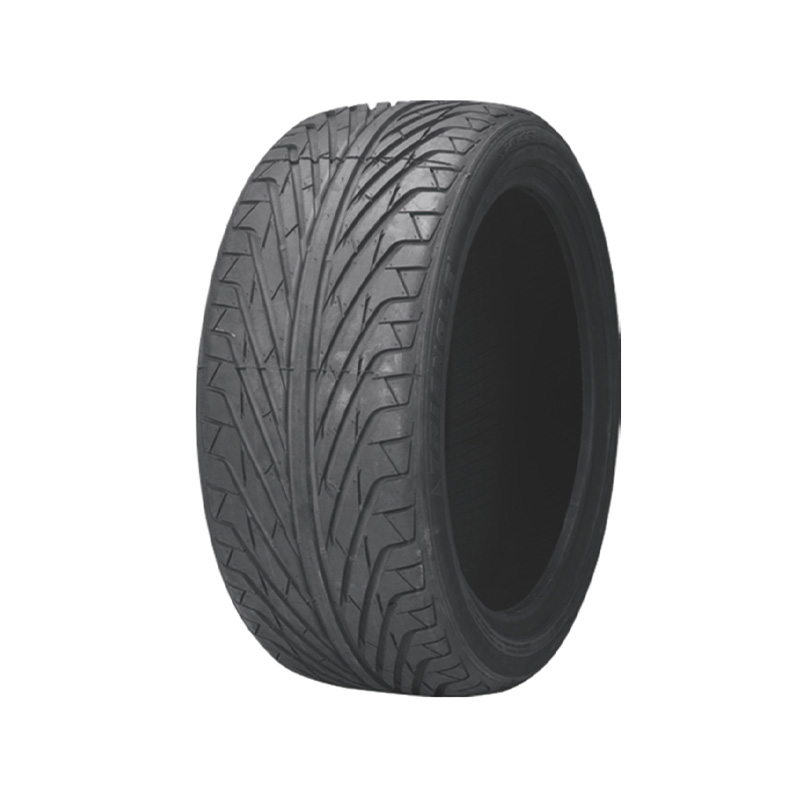
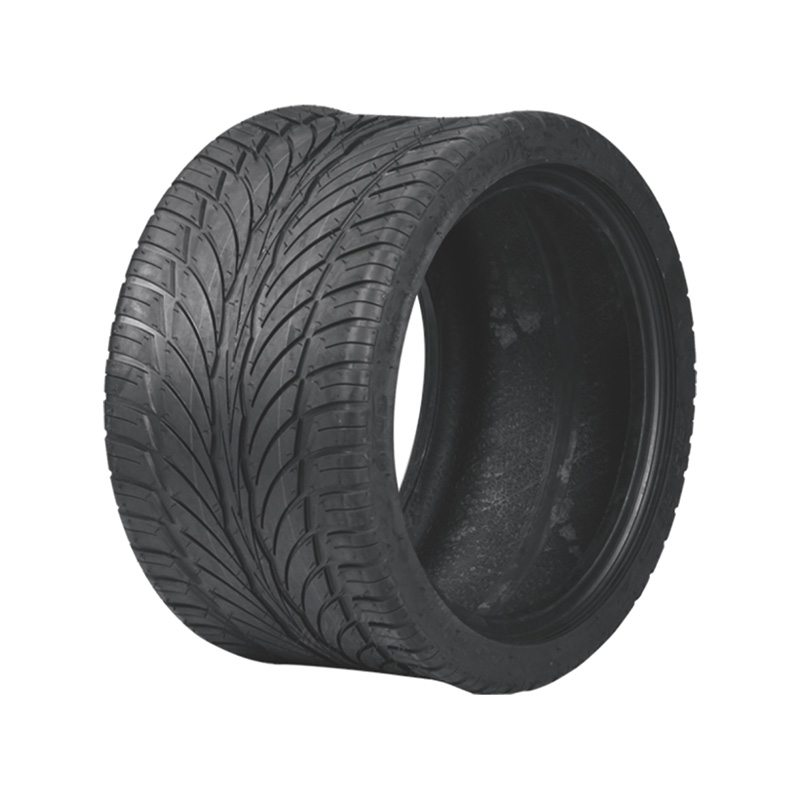
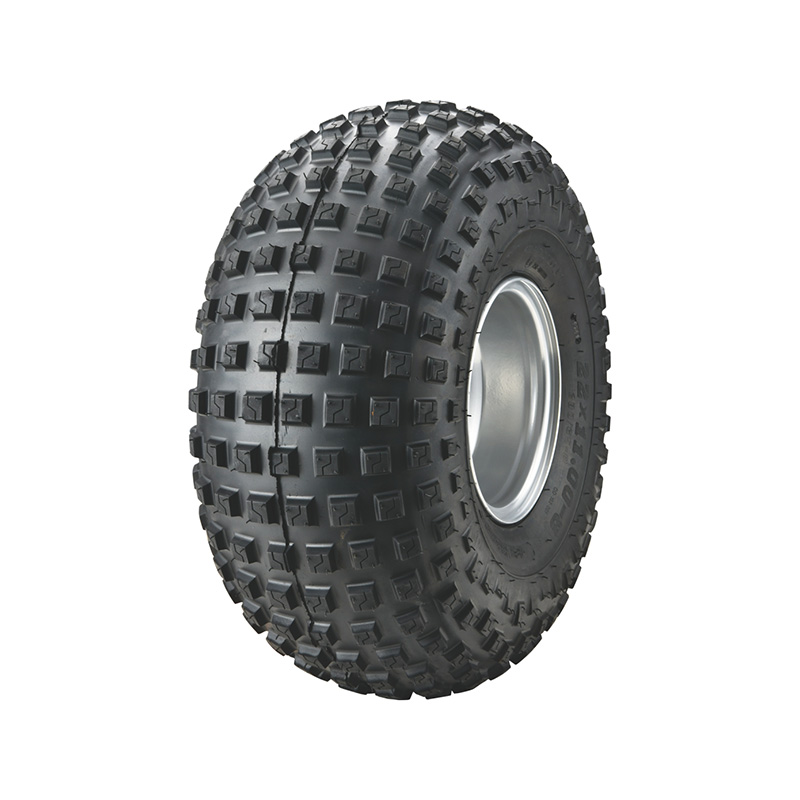
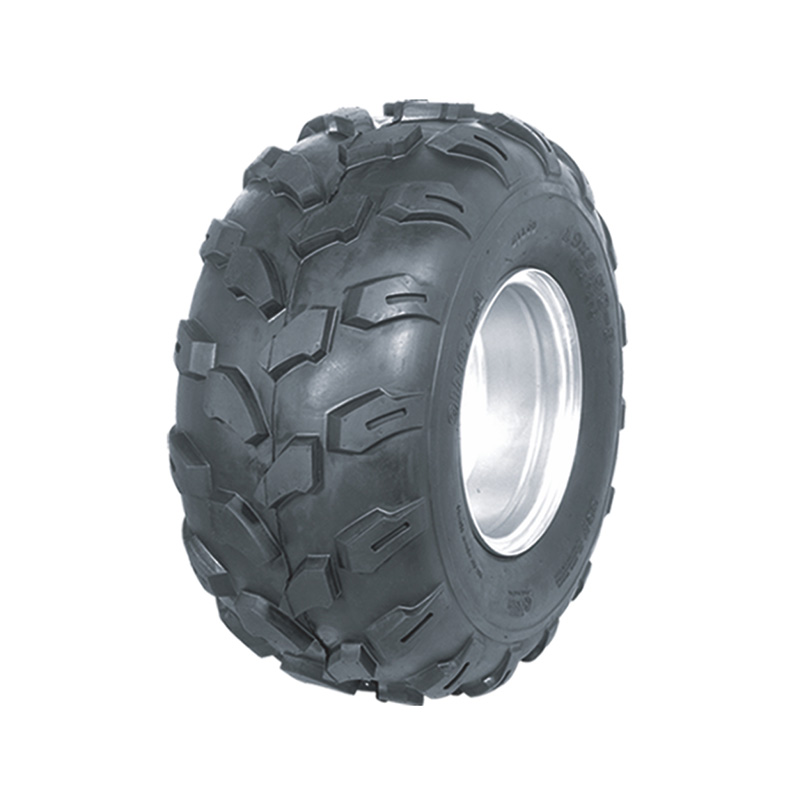
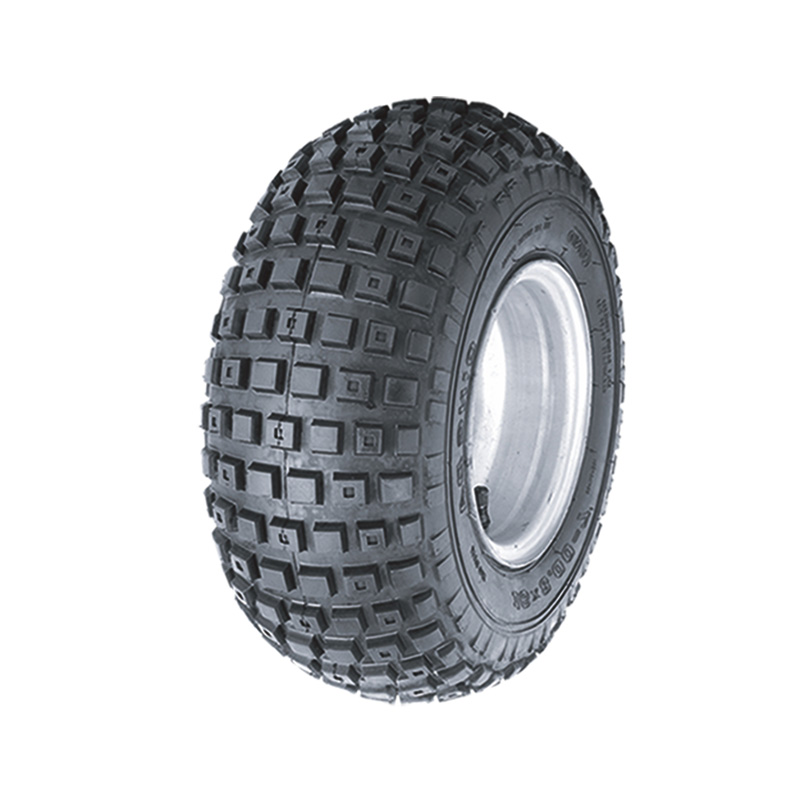
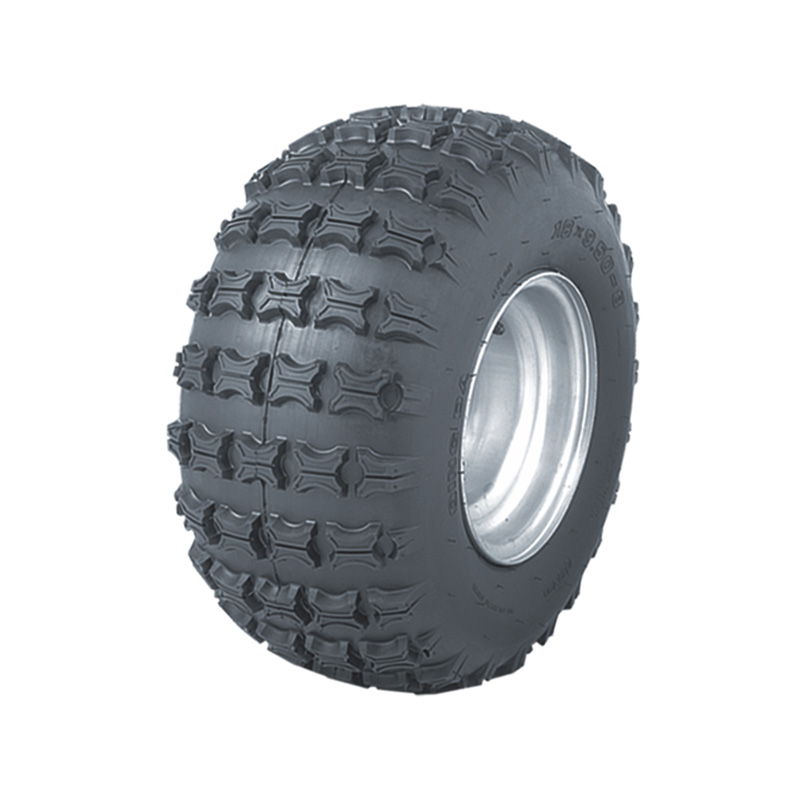
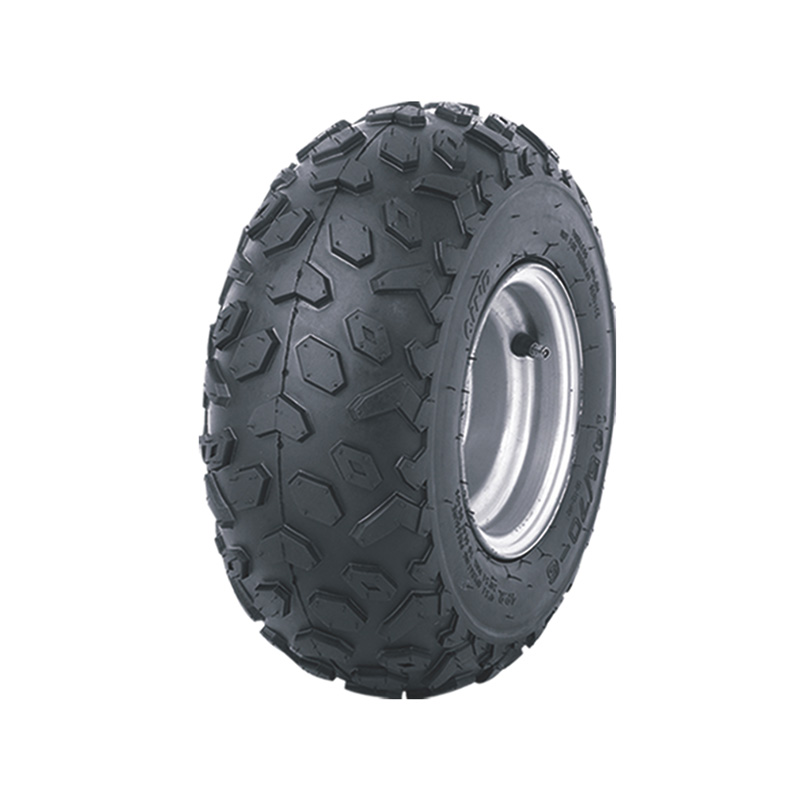
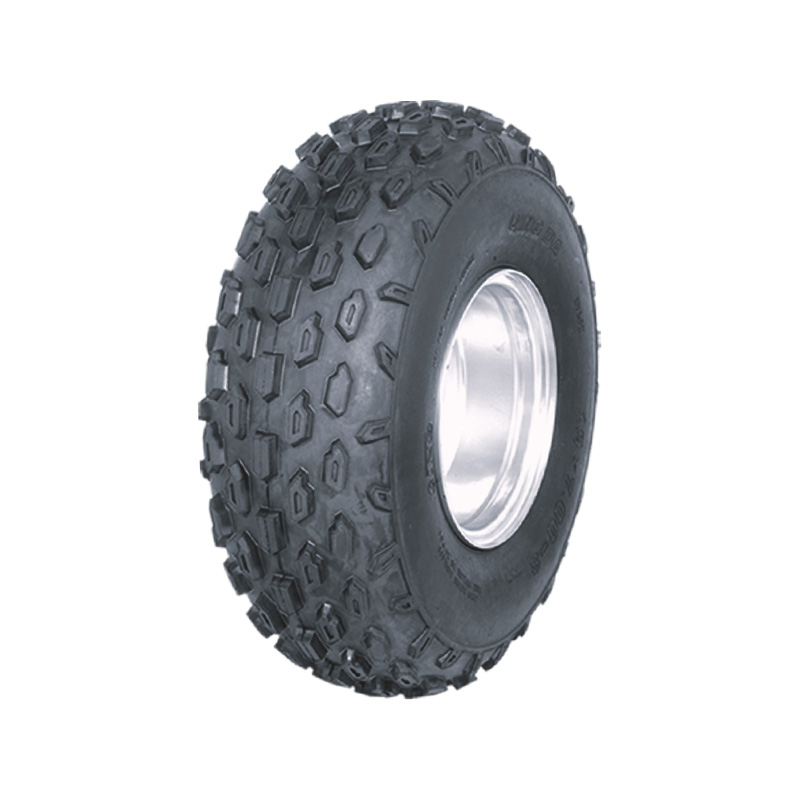
Trailer tires play a practical role in moving everything from boats and RVs to construction equipment and everyday cargo. Unlike regular car tires, these specialized products focus on supporting weight while the vehicle sits still or travels at moderate speeds. Drivers and owners who work with trailers often notice that the right set of trailer tires makes a clear difference in how smoothly a load travels from one place to another.
The design of trailer tires centers on load capacity rather than high-speed handling or sharp cornering. Many feature a stiffer sidewall that helps resist sway when a trailer is fully loaded. The tread patterns tend to be simpler, with an emphasis on even wear and steady contact with the road surface. Because trailers do not drive themselves, the tires do not need the same complex compounds found in passenger-car rubber. Instead, they prioritize durability under constant pressure from heavy items stacked inside the trailer bed.
People who tow regularly often choose trailer tires with a higher ply rating. This construction adds strength so the tire can carry substantial weight without excessive flexing. The result is a more stable ride, especially on highways where crosswinds or uneven pavement can affect balance. In short, trailer tires are built for the job of carrying rather than accelerating or braking hard.
Selecting trailer tires starts with matching the size marked on the trailer’s data plate. The correct diameter and width ensure the tire fits the wheel well and maintains proper ground clearance. Load range is another practical detail. Higher load ranges indicate greater capacity, which matters when the trailer will carry dense materials such as gravel, water tanks, or machinery.
Speed rating also plays a part. Most trailer tires are rated for moderate highway speeds rather than the higher limits of passenger vehicles. Matching the rating to the typical travel pace keeps the tires operating within their designed range. Tread design is usually straightforward, with grooves that channel water away while providing enough grip on wet pavement.
Owners often look at the overall weight of the loaded trailer and divide it by the number of tires. This simple calculation shows whether the chosen trailer tires can share the burden evenly. Proper matching reduces strain on individual tires and supports a more balanced tow.
When trailer tires suit the load and the travel style, several everyday advantages appear. The trailer tracks more steadily behind the tow vehicle, which can make long trips feel less tiring. Heat generation stays lower because the sidewalls flex less under weight. Wear patterns remain more even, so the tires last through many seasons of use.
In addition, the right trailer tires help maintain consistent air pressure. Fluctuations are less likely when the tire construction matches the demands of the load. Drivers notice smoother starts and stops, especially when the trailer is fully packed. These practical gains add up over time and make towing a more predictable activity.
Consider a family preparing for a weekend at the lake. Their boat trailer sits loaded with the vessel, life jackets, and coolers. A set of trailer tires sized for the combined weight keeps the setup level as they pull onto the highway. Another example involves a landscaping crew moving mulch and tools across town. Their utility trailer depends on trailer tires that resist punctures from debris on job sites while still rolling smoothly on paved roads.
Even smaller trailers used for motorcycle transport or small equipment benefit from the same principles. The tires support the weight without excessive bounce, and the stiffer construction helps the trailer stay aligned behind the towing vehicle. In each situation, trailer tires serve as the quiet foundation that lets the rest of the journey proceed without extra concern.
Have any question ?