Kids' bicycles may look simple, but their tyres have an important role in how the bike feels on different surfaces. Kids Bike Tyres are designed around smaller wheels, lighter bicycle frames, and the riding habits of younger cyclists. Their size, tread pattern, rubber compound, and casing structure can all influence stability, rolling behavior, and contact with the ground.
Wheel size is one of the factors considered when producing Kids Bike Tyres. Children's bicycles are available in several wheel sizes, so tyres need to match the rim and bicycle frame correctly.
Smaller tyres are commonly used on compact children's bikes, while larger sizes appear on bicycles designed for older kids. A suitable tyre size gives the wheel enough contact with the riding surface without adding unnecessary weight to the bicycle.
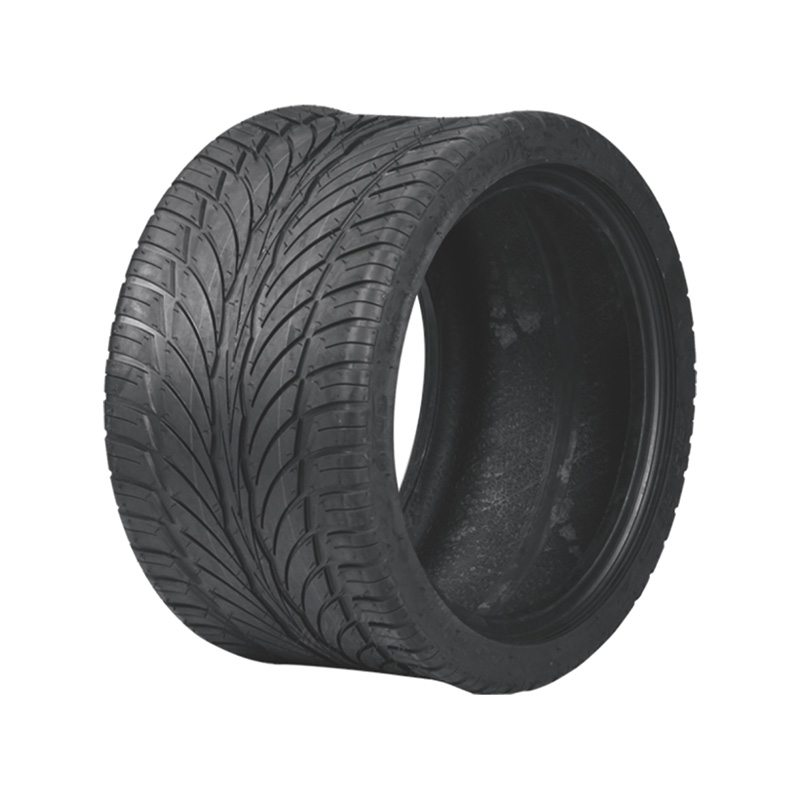
Manufacturers also consider tyre width during development. A wider tyre creates a broader contact area, while a narrower design can provide a different rolling feel. The choice depends on the bicycle type and its intended riding surface.
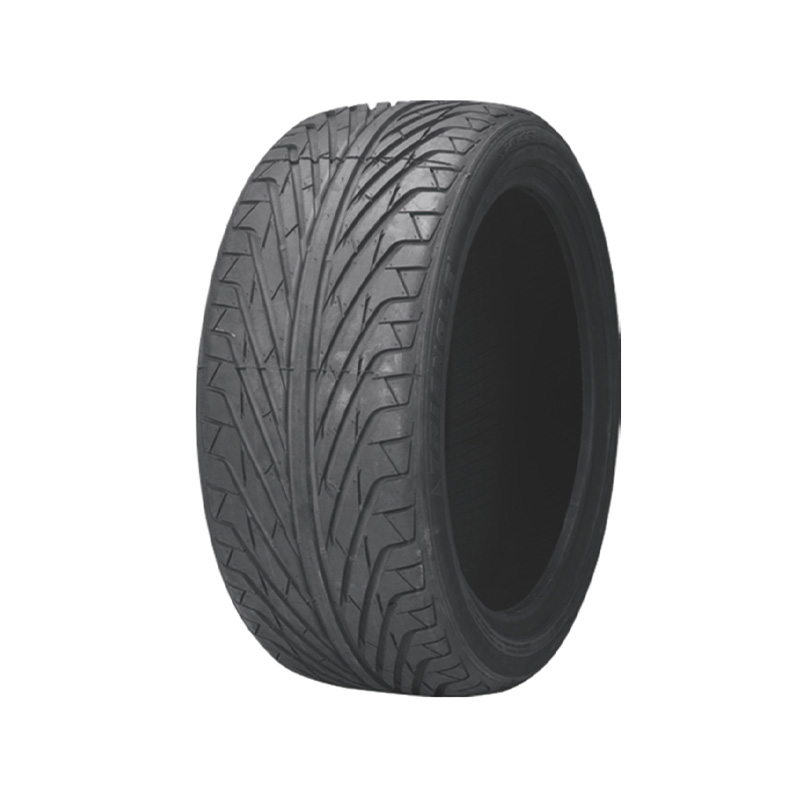
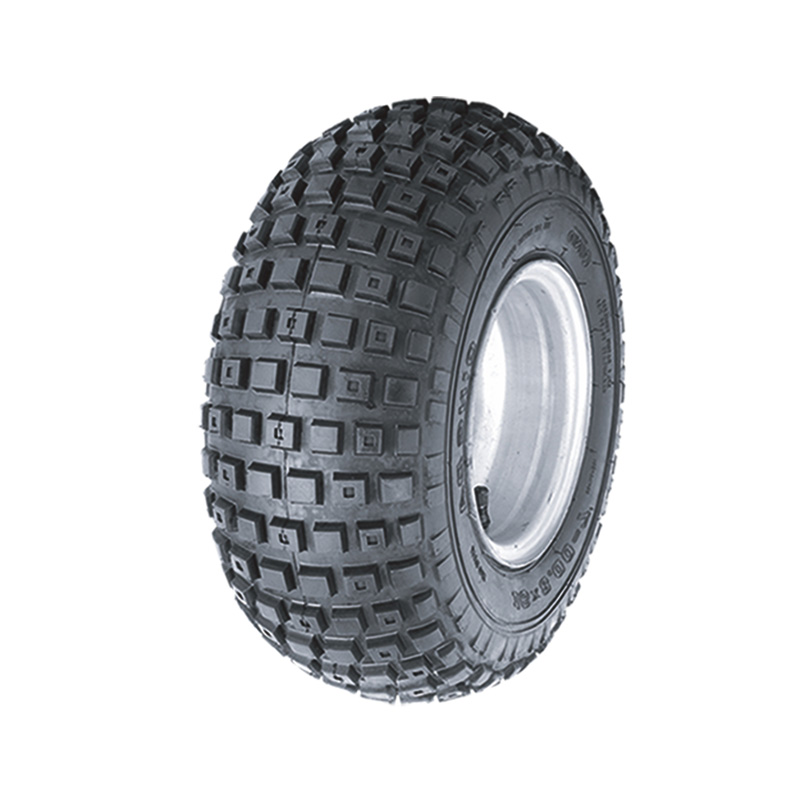
The tread is another visible difference between different Kids Bike Tyres. Smooth or lightly patterned tyres are commonly associated with paved paths, sidewalks, and neighborhood streets. Their tread surface provides a relatively continuous contact area during regular riding.
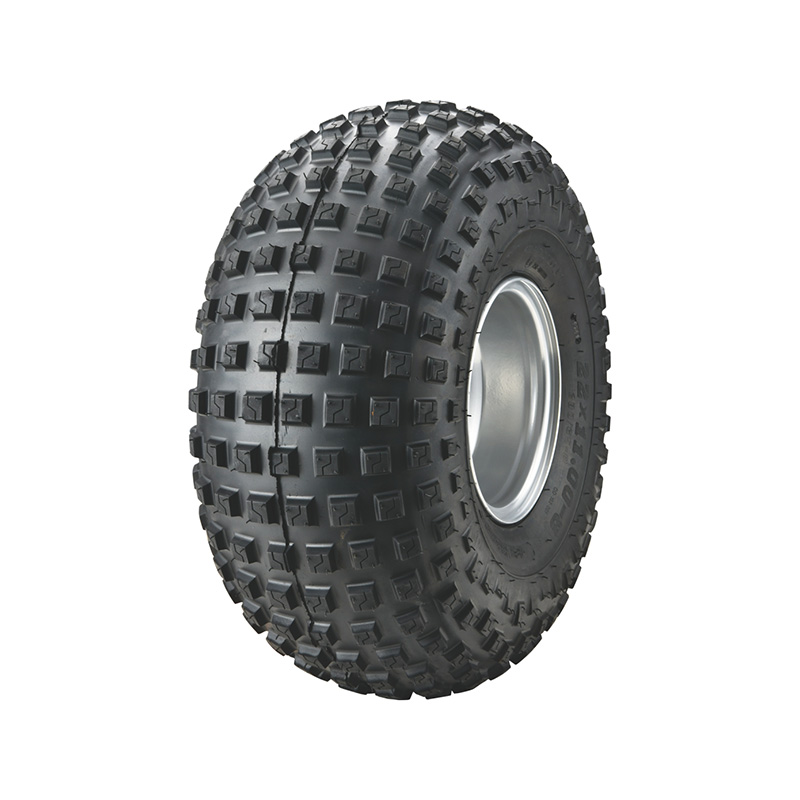
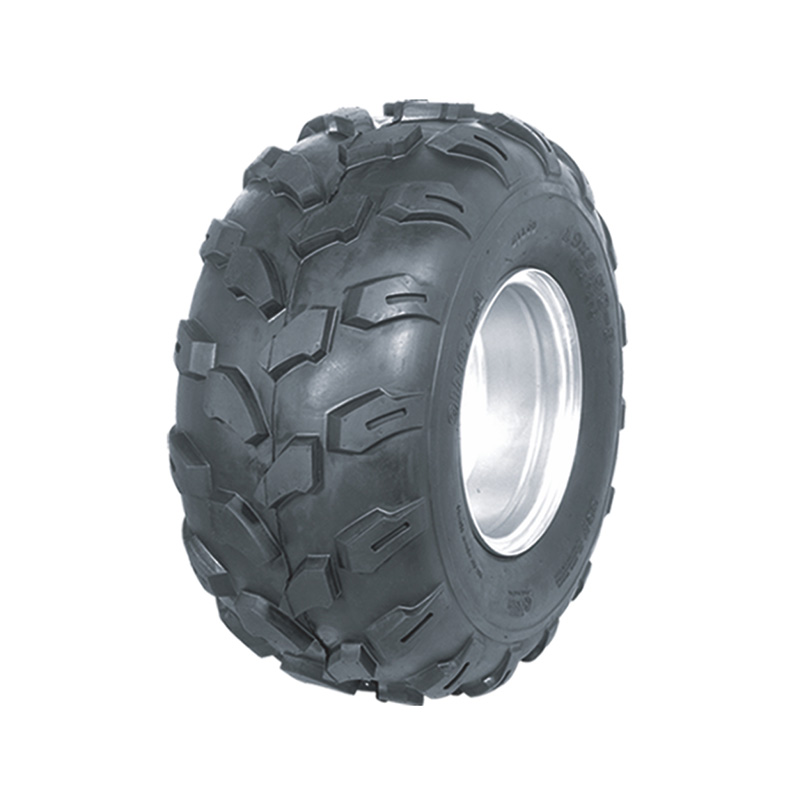
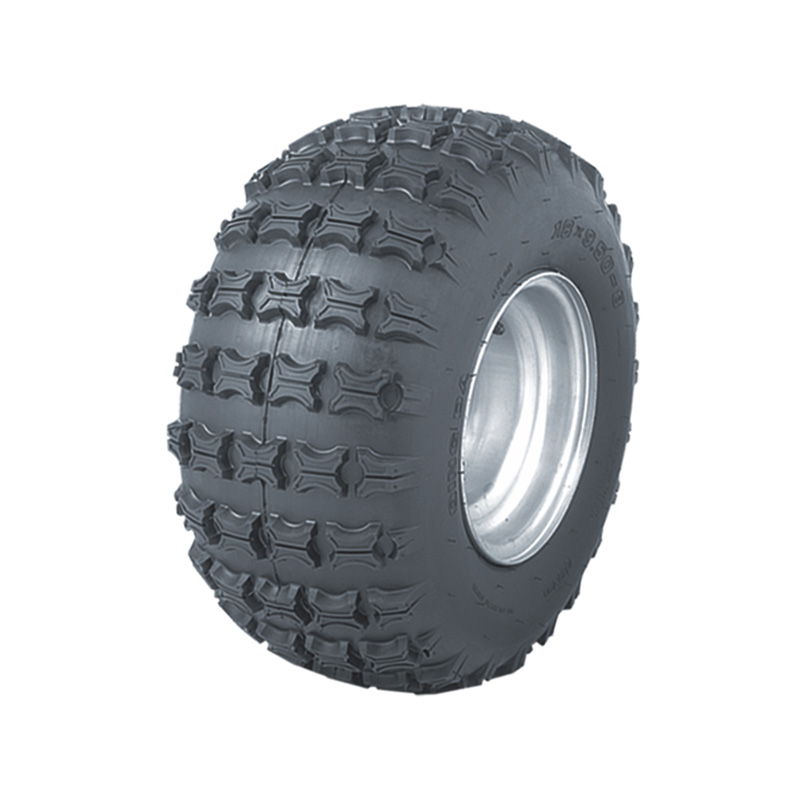
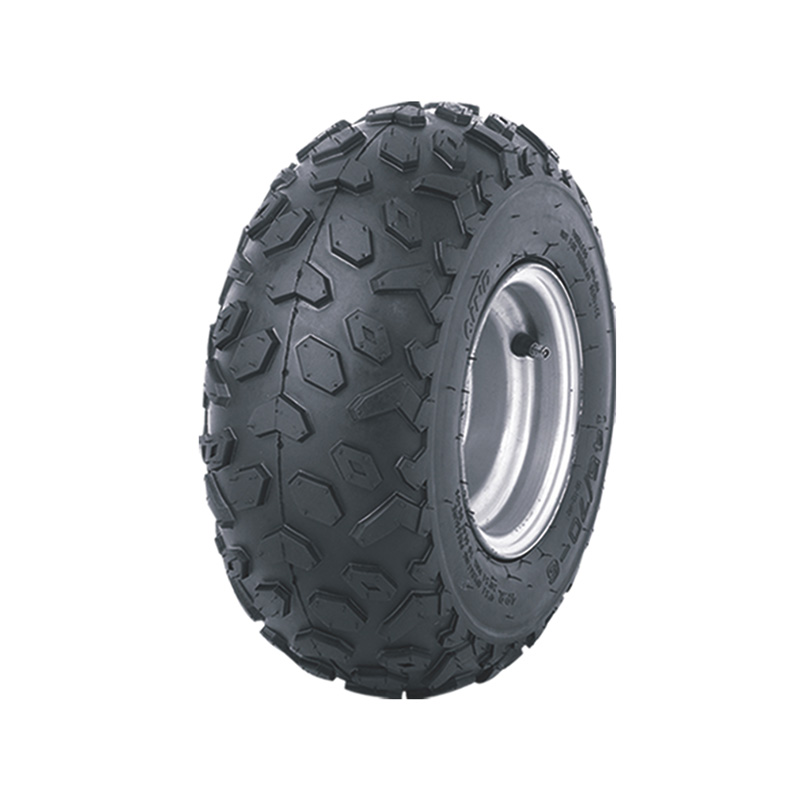
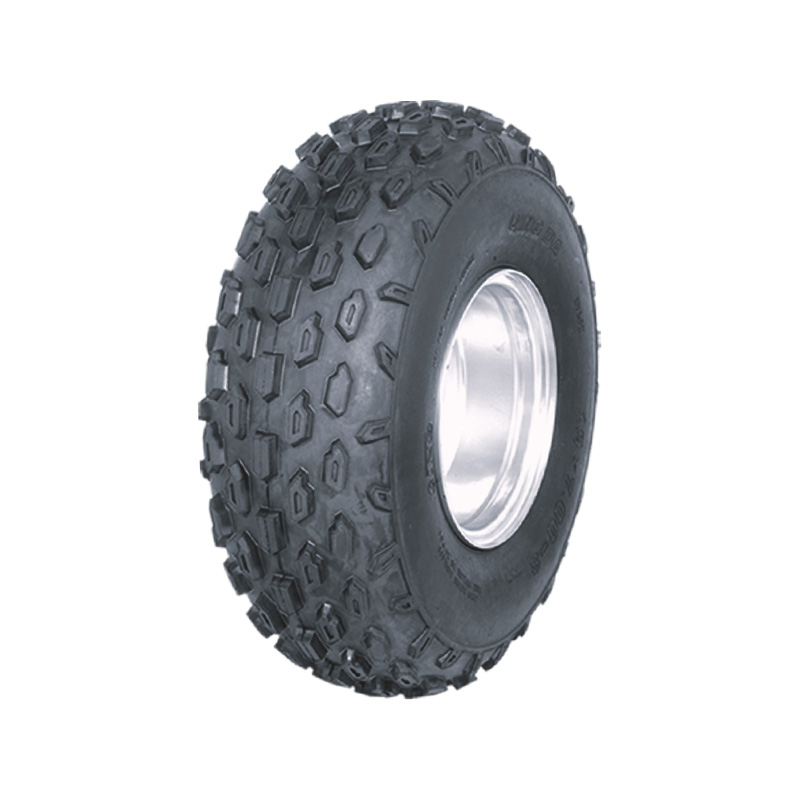
Other children's bicycles use tyres with more noticeable grooves and blocks. These patterns can provide additional interaction with loose surfaces such as compact dirt or playground paths.
Tread geometry is carefully formed during the molding process. Groove spacing, block shape, shoulder design, and center contact area all affect how the tyre interacts with the ground.
Rubber formulation is an important part of Kids Bike Tyres production. Manufacturers can adjust the compound according to the intended riding environment and tyre structure.
A flexible rubber compound can help the tyre conform to small changes in the riding surface. A firmer compound can create a different rolling response and tread feel. The balance between these characteristics becomes particularly relevant for smaller bicycle wheels.
During manufacturing, raw rubber and other compound ingredients are mixed before the material moves into forming and molding processes. Controlled heat and pressure then help create the final tyre shape.
Because children's bicycles are smaller than adult bicycles, tyre weight can have a noticeable effect on the overall bicycle feel. Kids Bike Tyres therefore often use compact casing structures suited to smaller rims.
The casing provides the basic framework beneath the tread. Depending on the tyre design, manufacturers may adjust the casing layers, sidewall structure, and reinforcement arrangement.
Sidewall design also affects the visual appearance of the tyre. Some products feature simple black sidewalls, while others use colored details that match the bicycle frame or overall design.
Kids Bike Tyres are not limited to one type of bicycle. They can appear on balance bikes, small city bicycles, children's mountain bikes, BMX-style bicycles, and recreational models.
A bicycle intended for paved surfaces may use a relatively smooth tread. A bike designed for mixed paths may use deeper grooves and a more pronounced tread pattern.
This application-based approach gives manufacturers room to develop different tyre structures for different riding conditions instead of relying on a single universal pattern.
Modern Kids Bike Tyres production combines rubber formulation, casing construction, tread molding, and dimensional control. Even small tyres require consistent shaping because the tyre must fit closely against a specific rim.
Mold design also plays an important role. The mold determines the tread geometry and overall profile of the tyre. Small changes in groove depth or shoulder shape can create a different appearance and riding response.
Have any question ?