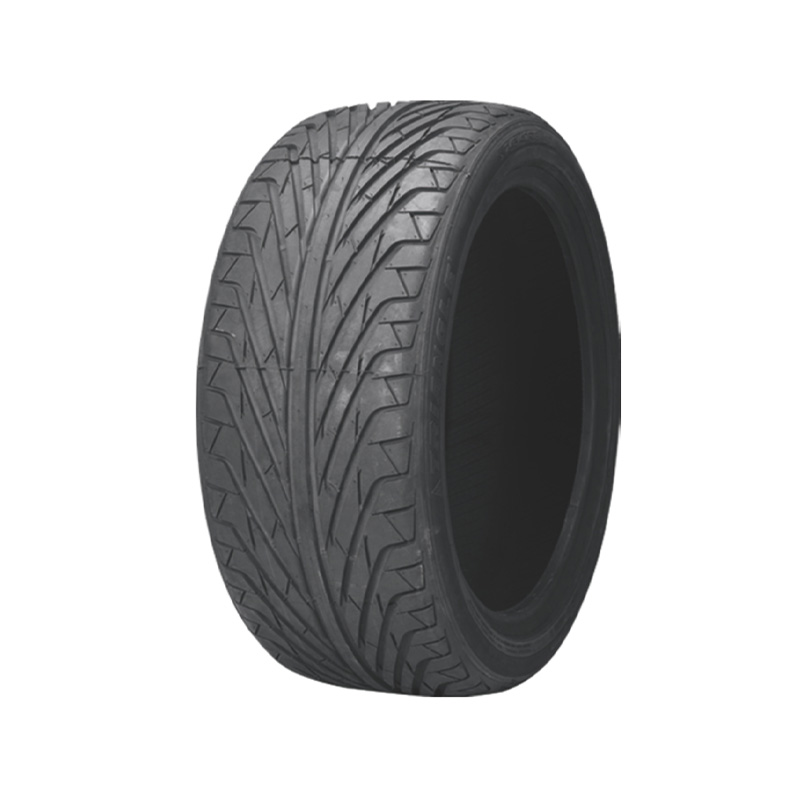
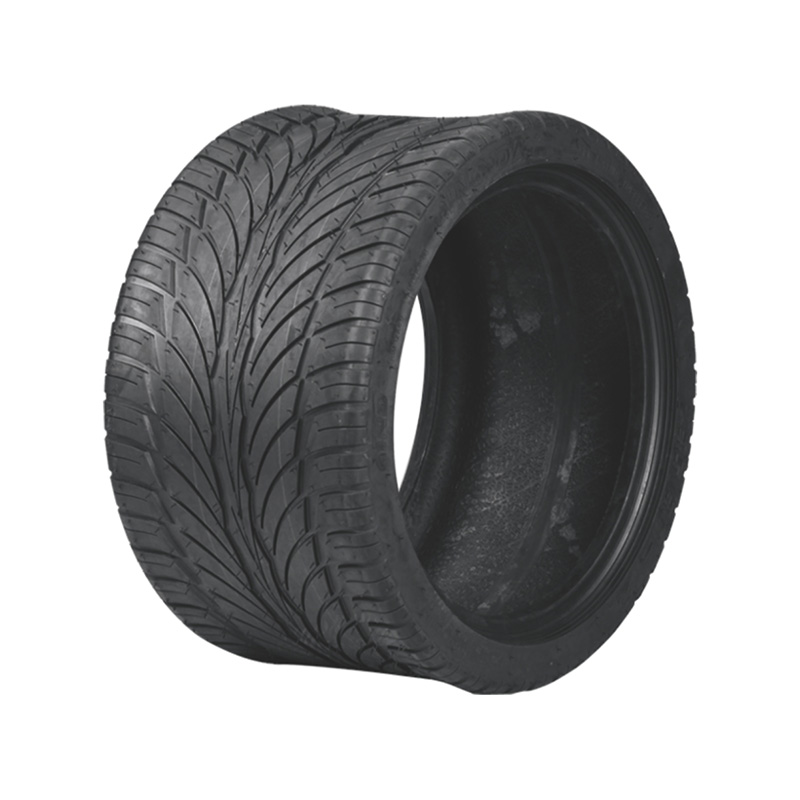
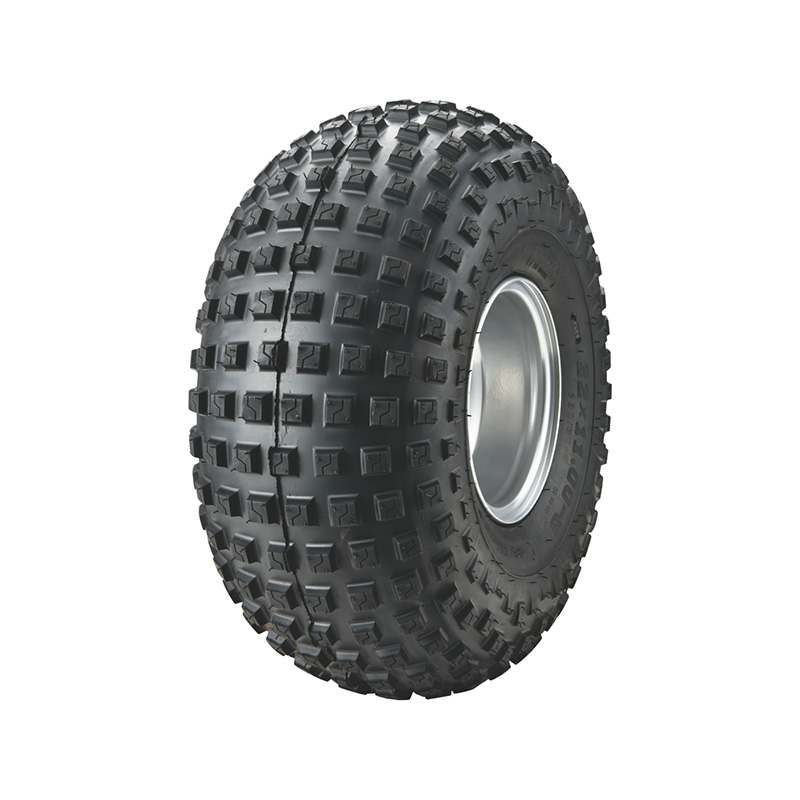
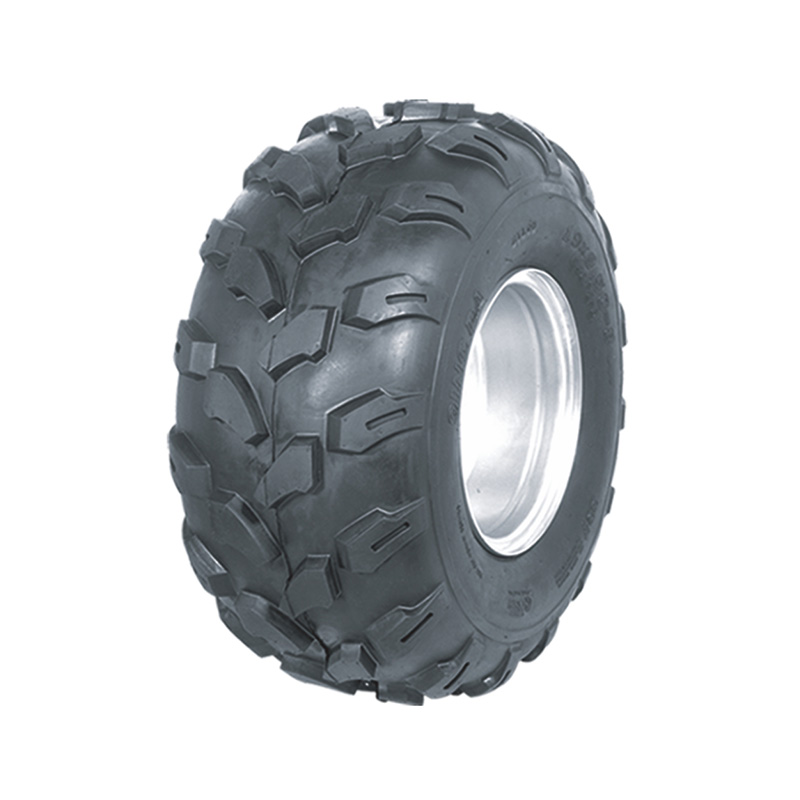
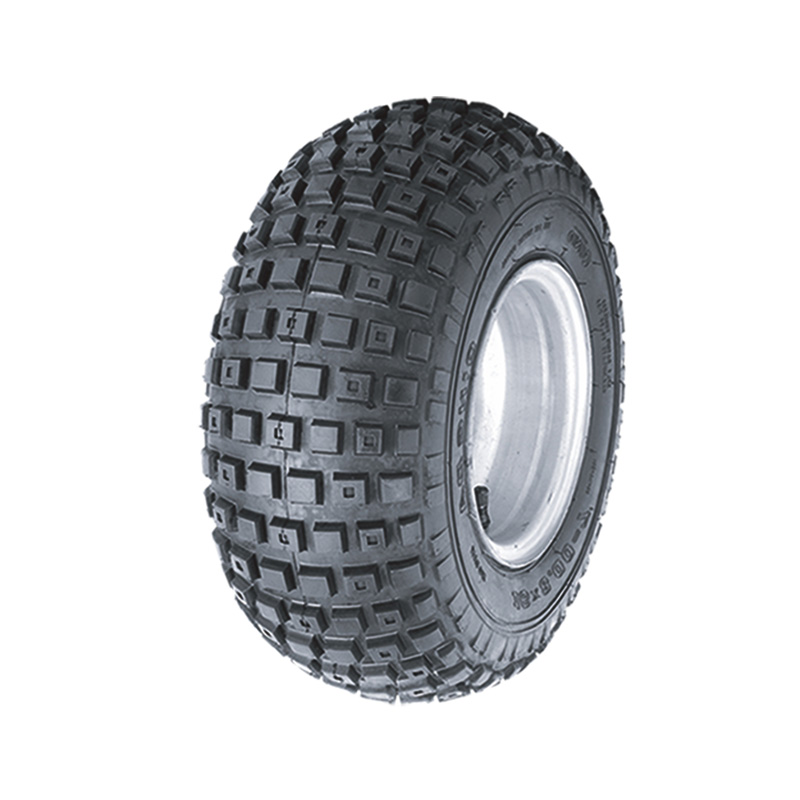
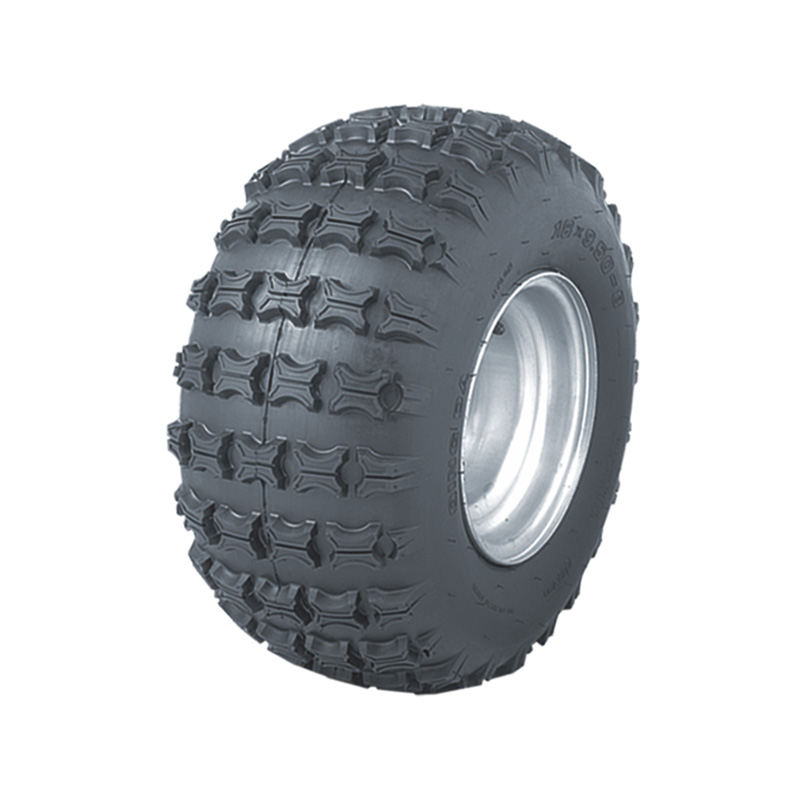
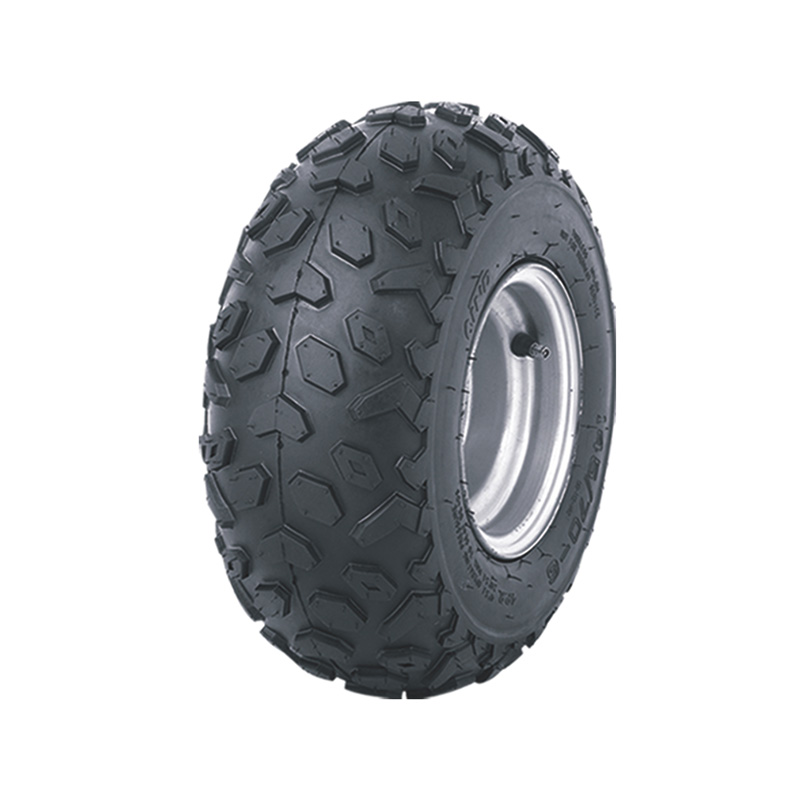
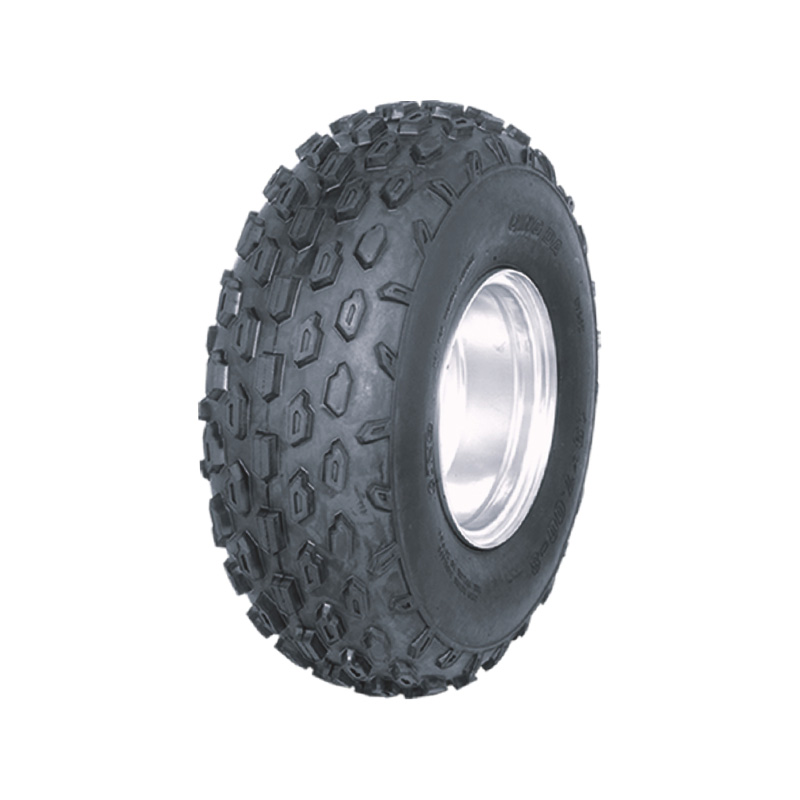
The structural fork in the road for utility vehicle tyres is bias versus radial construction. Bias-built utility tires remain common in work applications because they tolerate heavy loads at low speeds and resist sidewall damage from sharp obstacles. The trade-off is heat buildup and a firmer ride on hard surfaces.
Radial construction, by contrast, allows the sidewall to flex independently of the tread. For utility vehicles that spend meaningful hours on asphalt or concrete—municipal carts, campus security units, resort maintenance fleets—a radial carcass can reduce rolling resistance and improve tread wear consistency. The production implication is straightforward: radial utility vehicle tyres demand different building drums, different shaping profiles, and tighter dimensional tolerances during curing. A factory running both constructions needs clear separation on the floor, not just a changeover checklist.
The rubber compound in utility vehicle tyres faces a split personality problem. On a gravel service road, the tread needs to resist chipping and chunking. On a paved stretch, the same compound needs to avoid excessive heat generation that can degrade the casing.
Compound formulators adjust carbon black structure and polymer blends to shift this balance. A compound tuned for rock and gravel tends toward higher hardness and better tear strength. A compound intended for mixed pavement use leans toward lower hysteresis to keep operating temperatures in check. Neither choice is universally superior—the application defines the target.
For buyers sourcing across multiple markets, compound consistency between batches matters as much as the initial formulation. A factory that mixes its own compound has tighter control over batch-to-batch variation than one that buys finished rubber from an external supplier. This is a question worth asking directly during supplier qualification.
The mold is where tread geometry becomes physical. For utility vehicle tyres used in work environments, two features show up repeatedly in effective designs: open shoulder voids for self-cleaning and a center rib or solid center element for road stability.
Open shoulder voids allow mud and debris to eject as the tire rotates rather than packing into the tread and reducing grip. A solid center element, meanwhile, reduces road noise and resists wear on hard surfaces—a practical concern for municipal or campus fleets that run primarily on pavement but encounter grass and gravel daily. The mold design must accommodate both features without creating thin sections that wear unevenly.
A supplier with in-house mold capability can adjust tread depth and lug geometry for specific fleet profiles. A supplier sourcing molds externally offers whatever is in the catalog. For buyers building a private-label range or serving a distinct operating environment, the difference is material.
Vulcanization is a time-and-temperature equation, and utility vehicle tire casings are thick enough that heat penetration is uneven. A press cycle that runs short leaves the inner casing undercured; one that runs long makes the rubber brittle. Both outcomes are invisible at the warehouse dock but visible at 600 operating hours.
Traceability links the finished tire back to a cure cycle. Batch codes stamped on the bead area should map to press records, compound lot numbers, and building shift data. A factory that can produce this mapping on request is operating with a level of discipline that supports repeat orders. One that cannot is asking the buyer to absorb the risk of process drift.
Have any question ?