Electric bicycles place different demands on tire design compared with conventional bicycles. A motor adds driving force, the battery increases the overall vehicle weight, and riders may use the same bicycle on city streets, cycle paths, gravel roads, or mixed terrain. These conditions make tire construction an important part of electric bicycle manufacturing.
For bicycle brands and component distributors, Electric Bicycle Tires are not simply standard bicycle tires fitted to a motorized frame. Their dimensions, rubber compounds, tread patterns, and internal structures need to match the intended vehicle type and riding conditions.
The additional weight of an electric bicycle affects how the tire contacts the road. Motor assistance also changes acceleration characteristics, particularly during starts and uphill riding.
Tire designers need to consider several factors:
These factors explain why Electric Bicycle Tires are developed in different configurations rather than following one universal design.
Rubber is a central material in tire manufacturing. Different compound formulations influence grip, flexibility, abrasion characteristics, and rolling behavior.
Natural rubber and synthetic rubber can be combined according to the intended application. Carbon black and silica are commonly used as reinforcing materials in tire compounds, helping adjust their physical characteristics.
A city e-bike tire may use a relatively smooth center tread to support regular road contact and efficient rolling. A tire intended for gravel or mixed surfaces may feature more pronounced tread blocks to provide traction on loose ground.
Compound selection also needs to consider the relationship between hardness and flexibility. A softer formulation may provide greater surface contact, whereas a firmer formulation can produce different rolling and wear characteristics.
For manufacturers developing Electric Bicycle Tires, the compound should be matched to the tread design and the expected riding environment.
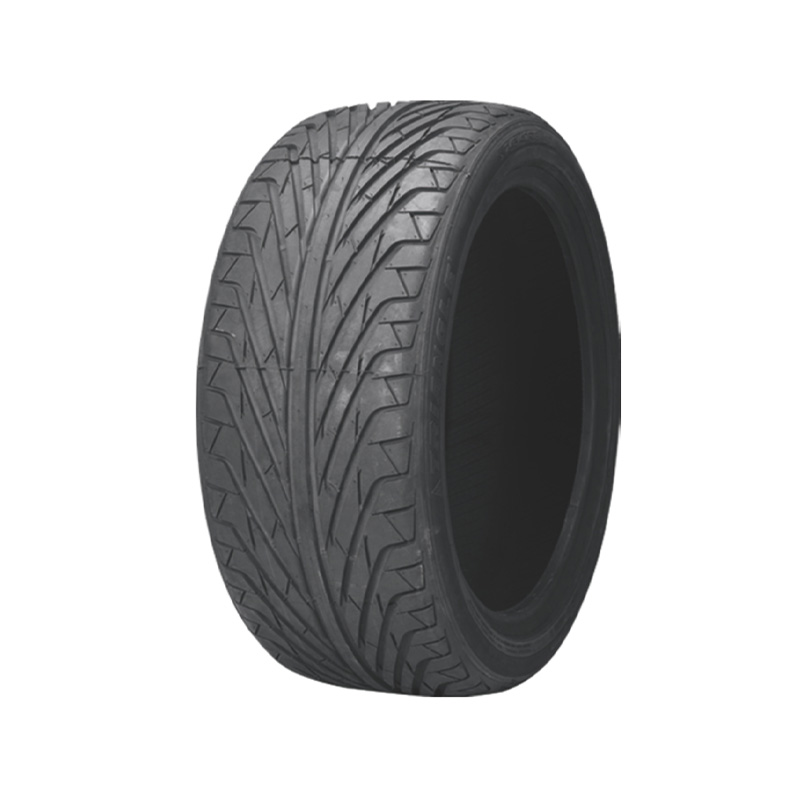
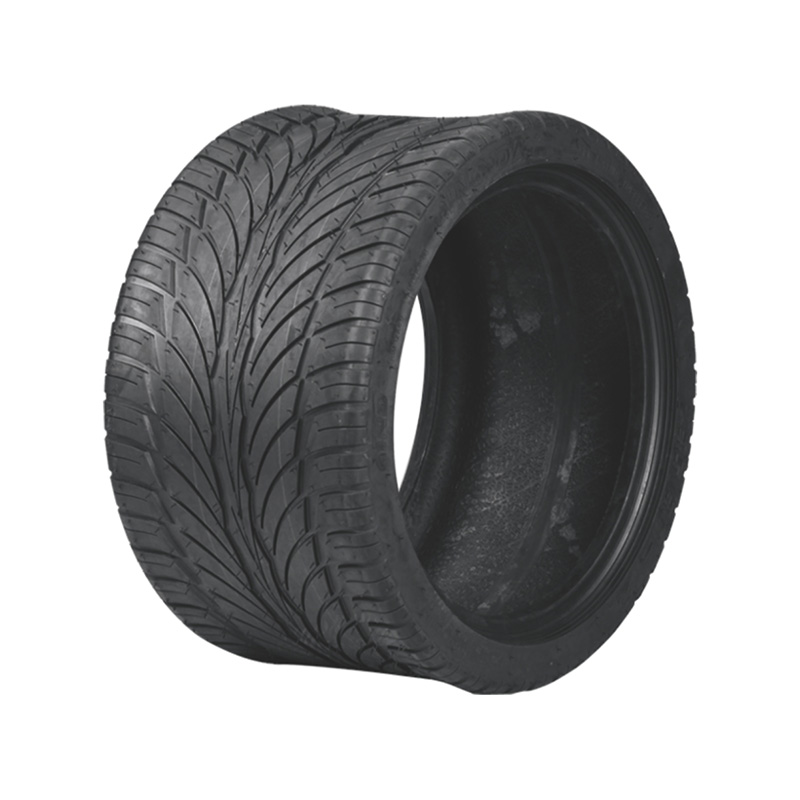
Tread design is closely connected to the type of bicycle and its intended use. Urban electric bicycles often use relatively continuous center patterns, sometimes combined with shallow grooves or textured shoulder areas.
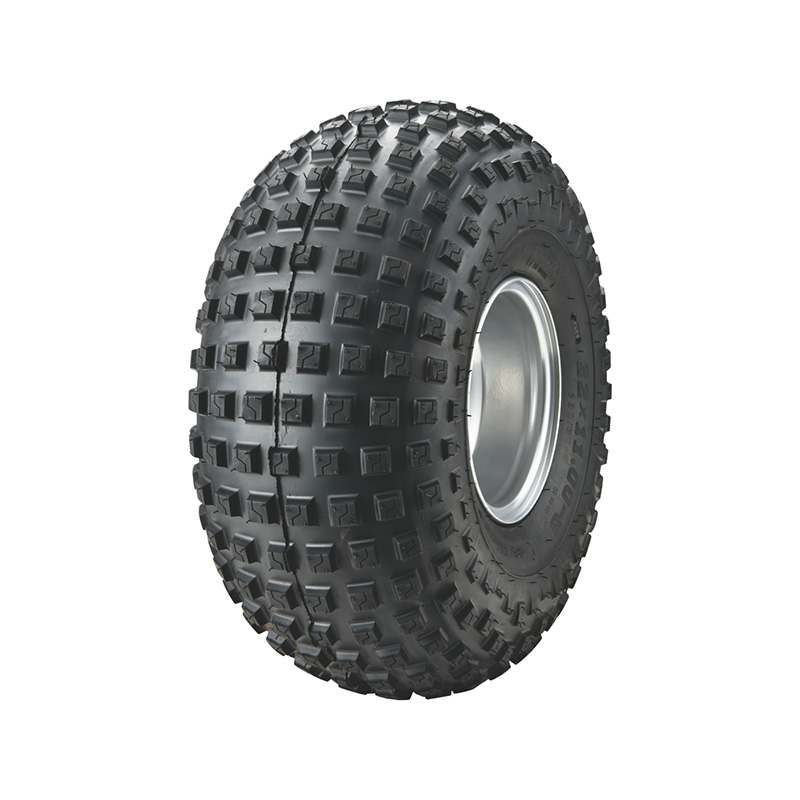
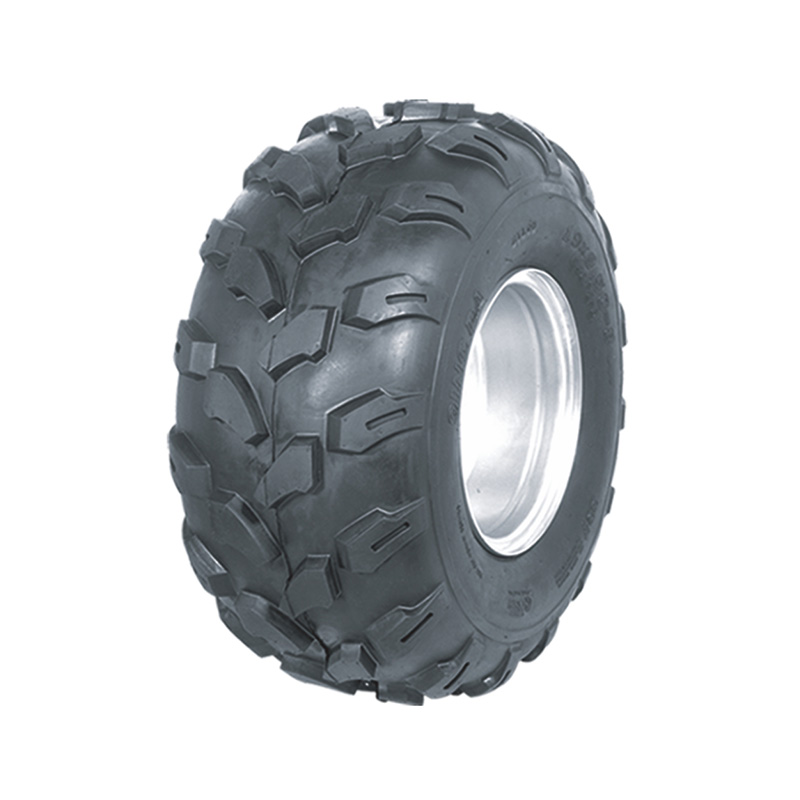
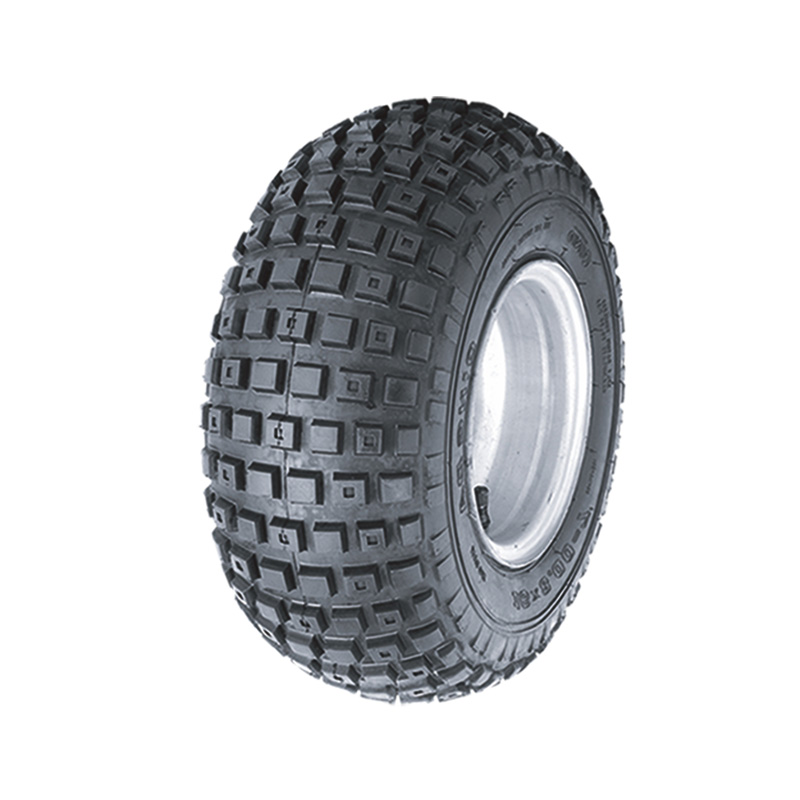
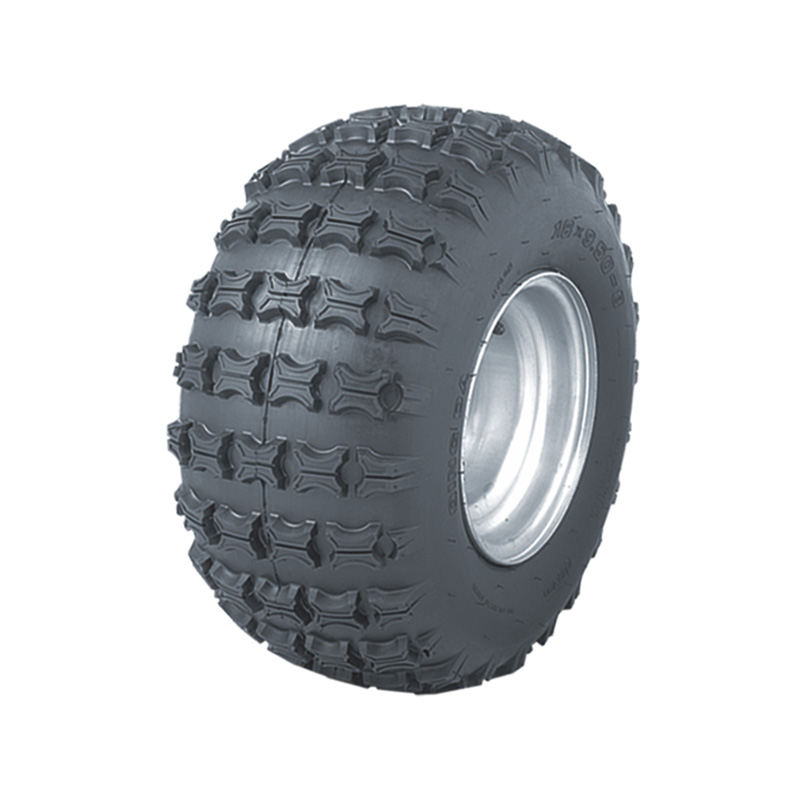
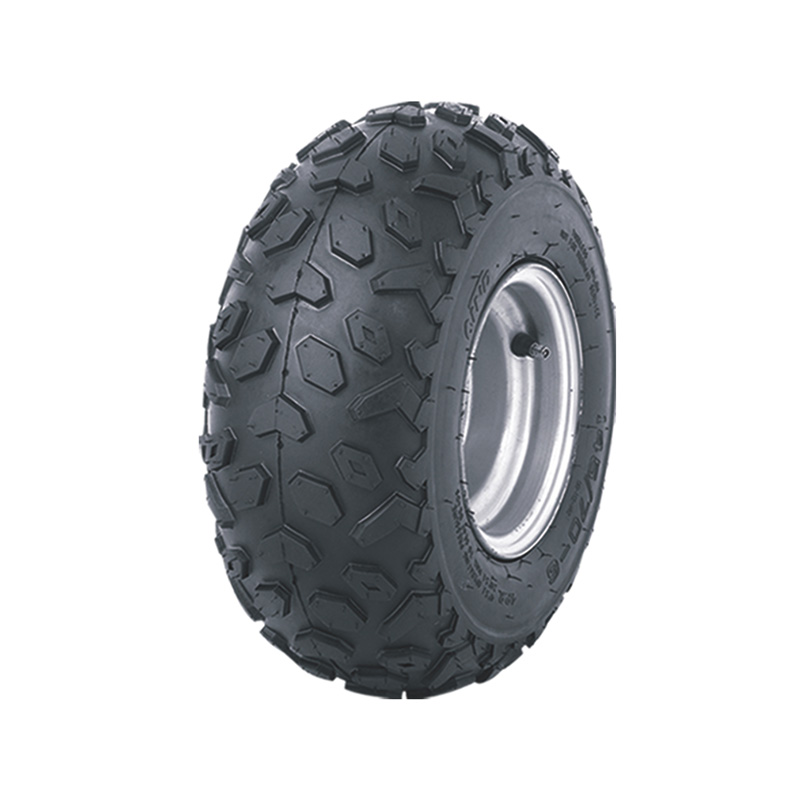
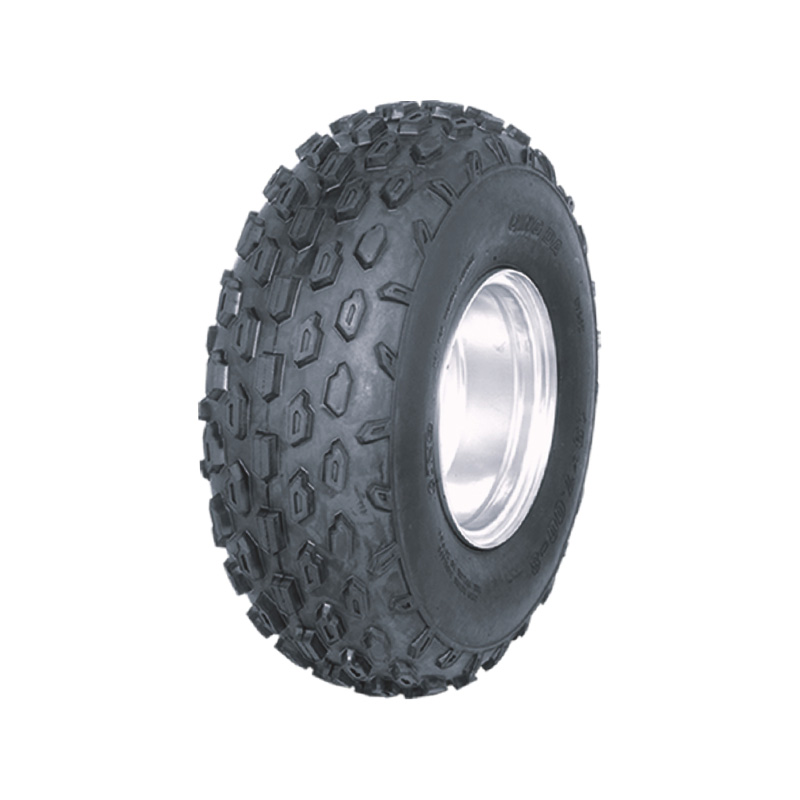
Mountain e-bikes require a different approach. Wider spacing between tread blocks can help the tire engage with loose soil, gravel, and uneven surfaces. Some models also use reinforced sidewall structures to suit rougher riding conditions.
Common tire applications include:
| E-bike category | Typical tread characteristics |
| Urban commuting | Smooth or lightly grooved center tread |
| Trekking e-bikes | Mixed tread for paved and unpaved roads |
| Mountain e-bikes | Deeper blocks and wider tread spacing |
| Cargo e-bikes | Designs suited to heavier vehicle loads |
This variation gives bicycle manufacturers room to develop product ranges for different markets and vehicle platforms.
A tire's external tread is only one part of its construction. The casing provides the underlying structure, while the bead helps secure the tire to the wheel rim.
Casing construction may involve woven textile materials such as nylon or polyester. Different fabric densities and layer arrangements affect flexibility and structural behavior.
The sidewall connects the tread area with the bead. Its construction influences how the tire responds to cornering forces and changes in road conditions. Bead design also needs to correspond to the wheel rim and tire installation requirements.
When developing Electric Bicycle Tires, manufacturers need to consider how these internal components work together rather than treating the tread as an independent feature.
Have any question ?