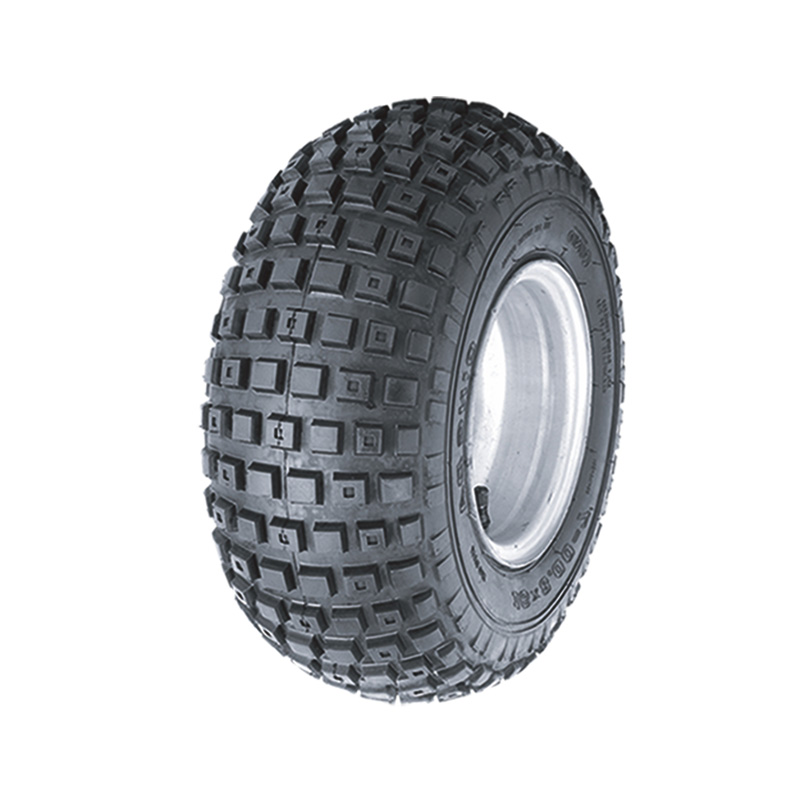
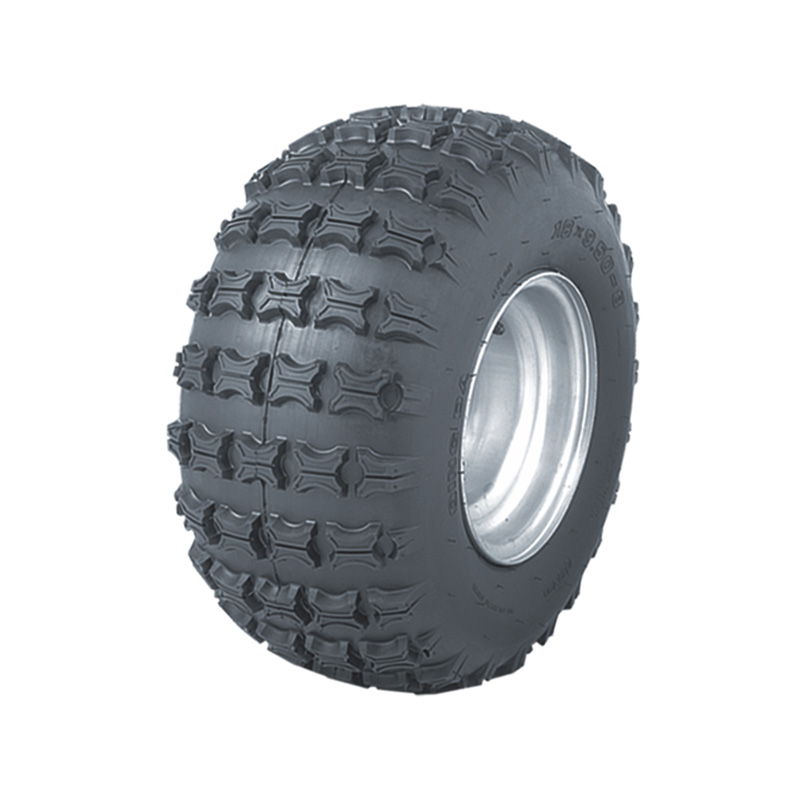
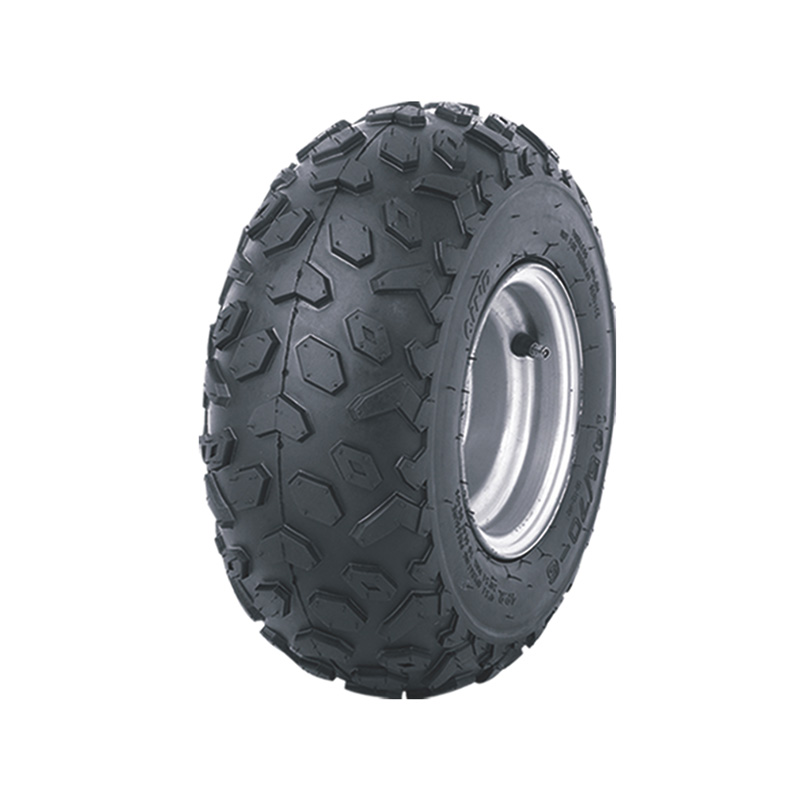
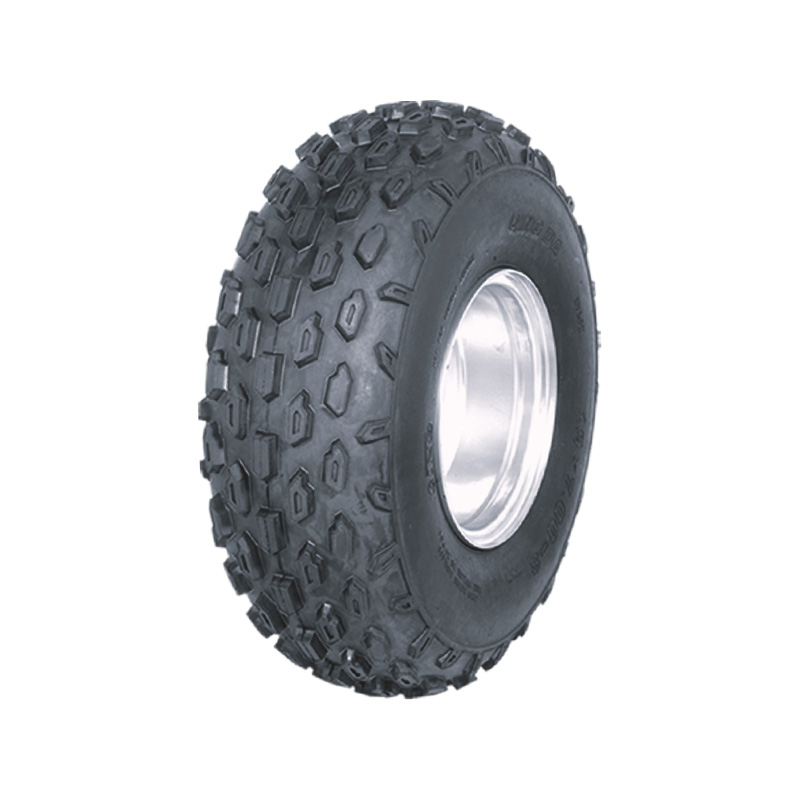
Golf tyres play a key role in keeping golf carts moving across different areas on and around courses. These specialised tyres help vehicles maintain steady contact with grass and paths while supporting everyday operations in communities and resorts. Many users notice how the design contributes to a quieter drive and consistent handling during short trips.
Operators at golf facilities often rely on carts for transporting players and equipment over varied ground. Golf tyres come in forms that address these needs through their tread patterns and construction. A common approach involves wide contact areas that distribute weight evenly, which can limit deep marks on soft surfaces. This setup supports steady movement without drawing much attention to the ride itself.
In practice, these tyres appear on electric and fuel-powered carts used for regular rounds. Their structure typically includes compounds that allow flexibility over grass while providing enough hold on firmer paths. Drivers report that such features contribute to predictable turns and stops, especially in areas with slight inclines or damp conditions after rain.
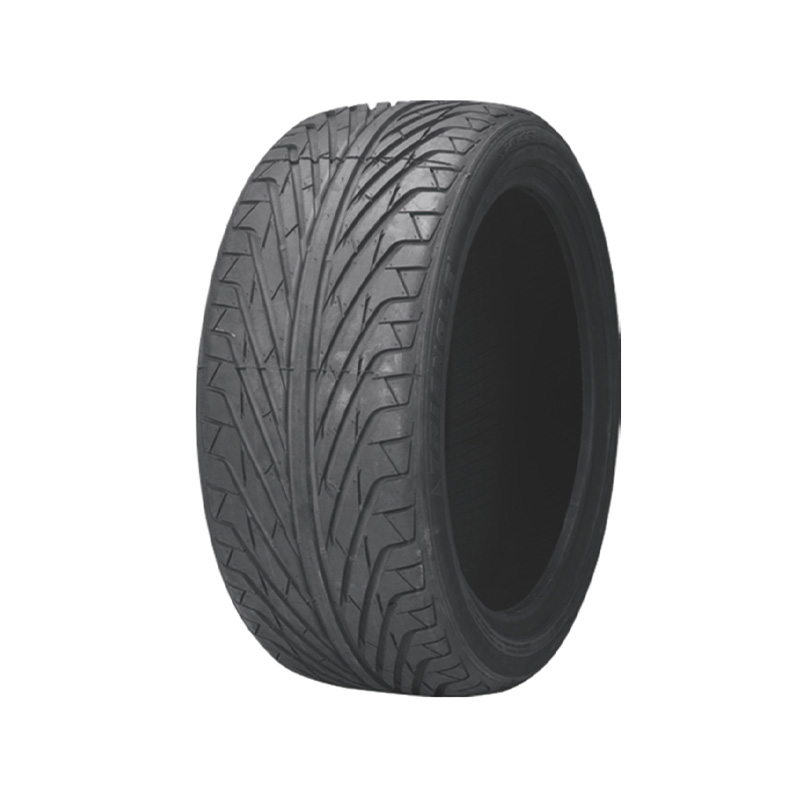
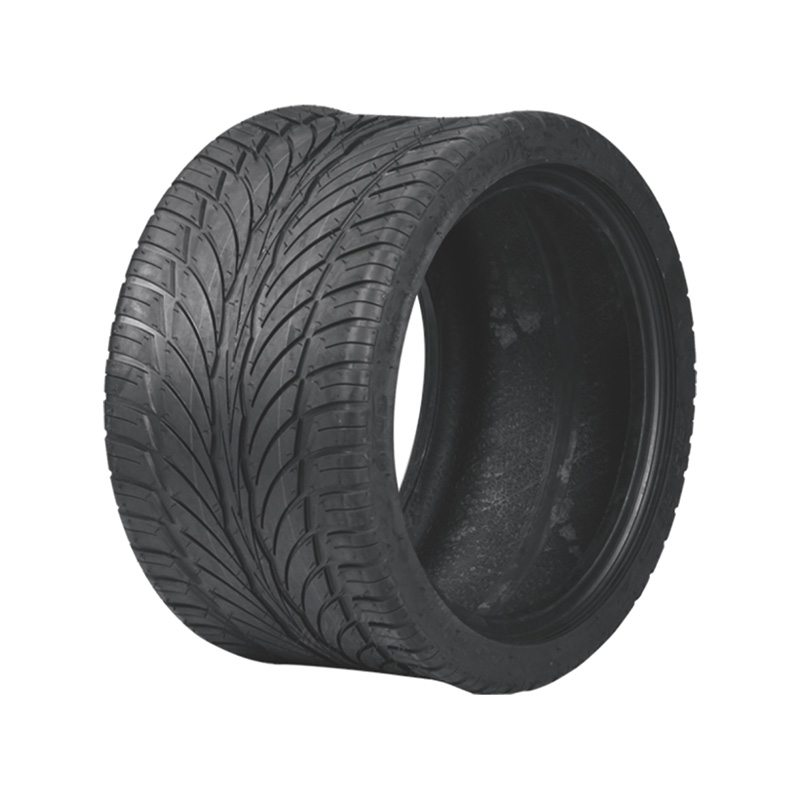
Several aspects define how golf tyres interact with the ground. Tread patterns range from smoother profiles for lawn areas to those with added edges for mixed terrain. The smoother styles spread pressure across a larger footprint, helping carts glide without disrupting vegetation. In contrast, patterns with moderate grooves offer additional bite when surfaces change from grass to gravel or light dirt.
Ply ratings provide another layer of variation. Lower ply options often suit standard flat routes, while higher ones bring added thickness for routes that include rougher sections. This choice influences how the tyre responds to loads and minor impacts during use. Radial constructions, where available, can deliver a different flex compared to bias-ply versions, affecting overall stability and heat buildup over repeated short drives.
Here is a simple comparison of common tyre categories often seen in golf cart applications:
| Type | Typical Tread Feature | Common Surface Focus | Ride Characteristic |
| Turf/Street | Wide, shallow pattern | Grass and paved paths | Even weight distribution |
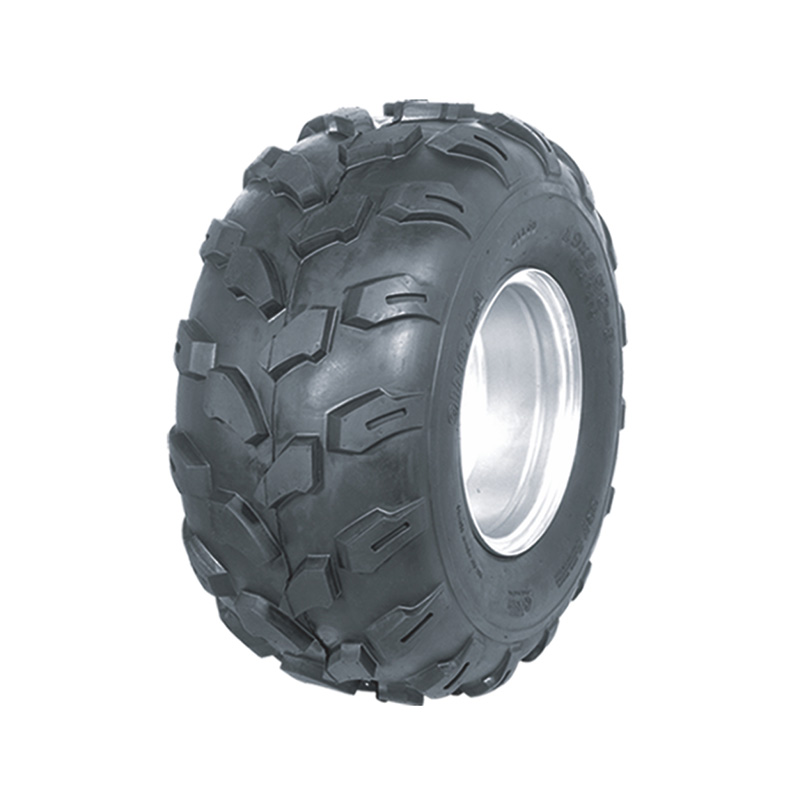
| All-Terrain | Moderate grooves and edges | Mixed grass, gravel, dirt | Balanced grip |
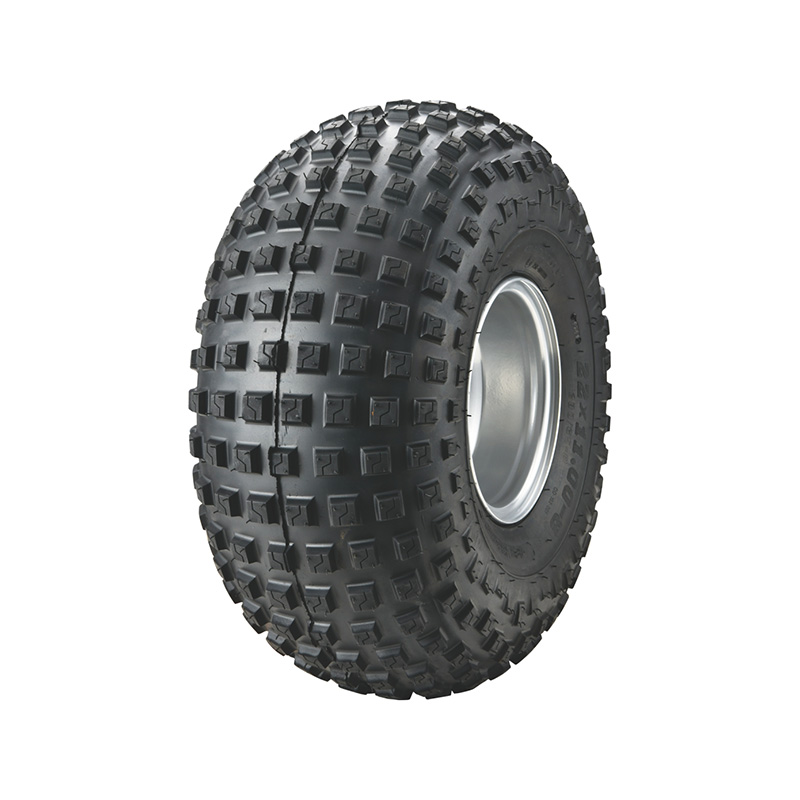
| Off-Road | Deeper, aggressive blocks | Rougher or uneven areas | Added traction on loose ground |
This table highlights general differences without suggesting one option over another. Actual selection depends on the specific routes and cart models in use.
Golf courses represent the primary setting, where carts travel between holes and service buildings. Tyres designed with lawn consideration in mind help maintain the appearance of fairways and roughs by reducing compaction in high-traffic zones. Communities with internal paths also adopt these tyres for resident carts, where quiet operation adds to the overall atmosphere during daily commutes.
Resort settings expand the picture further. Shuttle-style carts move guests around properties that include gardens, parking areas, and light trails. The tyres’ ability to handle occasional transitions between surfaces keeps operations flowing without frequent interruptions. Industrial sites, such as warehouses or campuses, sometimes use similar carts indoors or on controlled outdoor routes, where non-marking compounds prevent residue on floors.
Users in these varied spots often mention that consistent tyre pressure and proper sizing contribute to smoother handling across seasons. Matching tyre dimensions to wheel setups ensures clearance and load support remain appropriate for the vehicle’s configuration.
Have any question ?