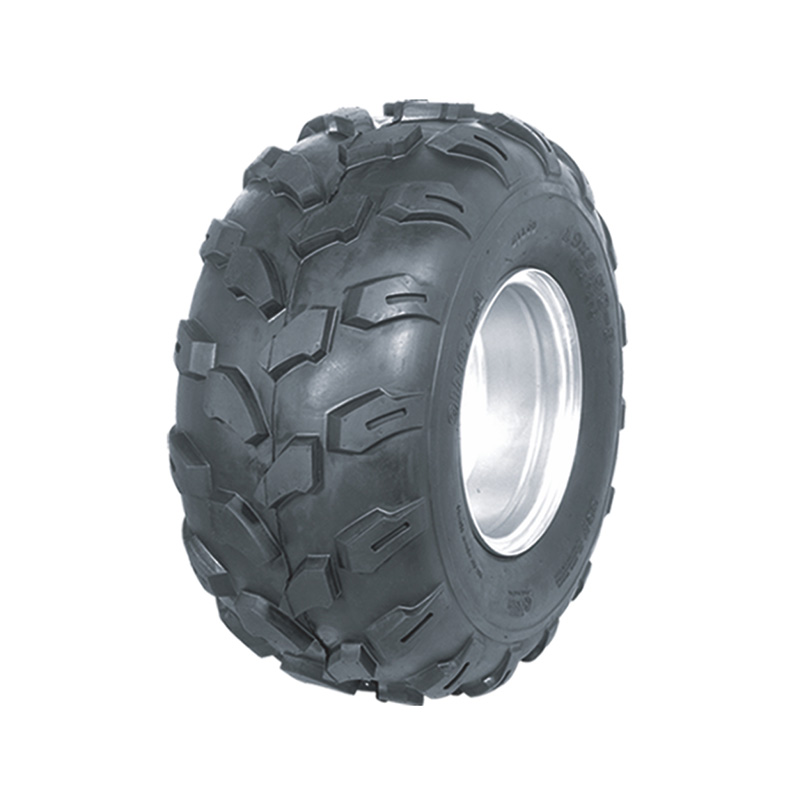
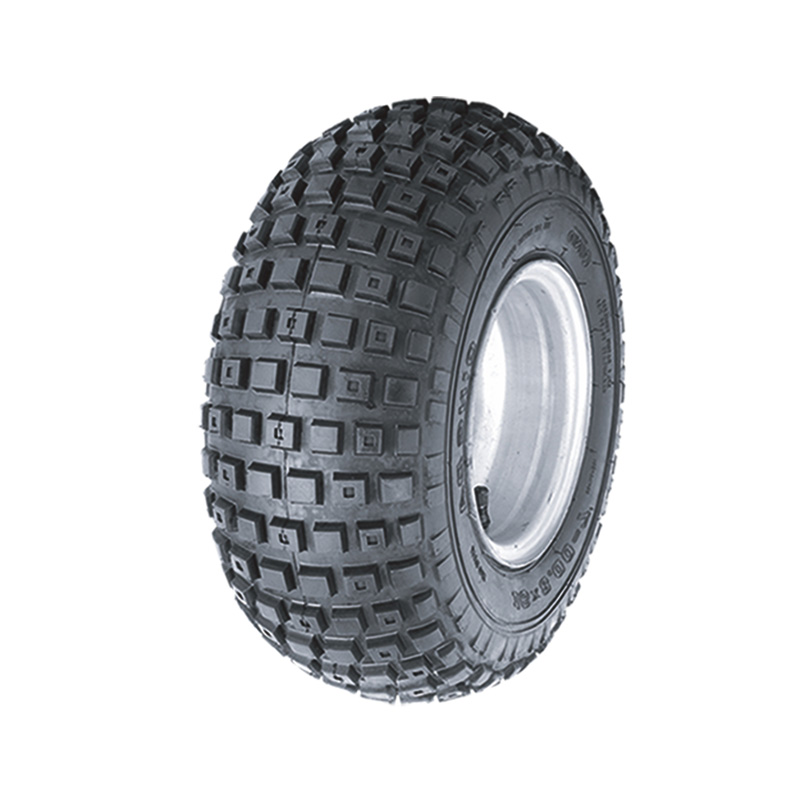
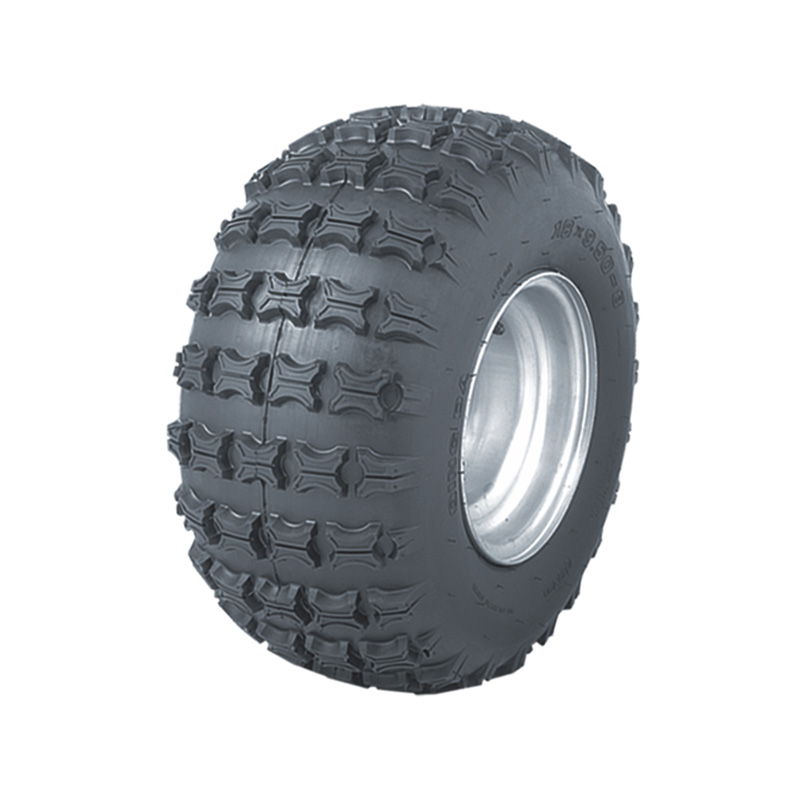
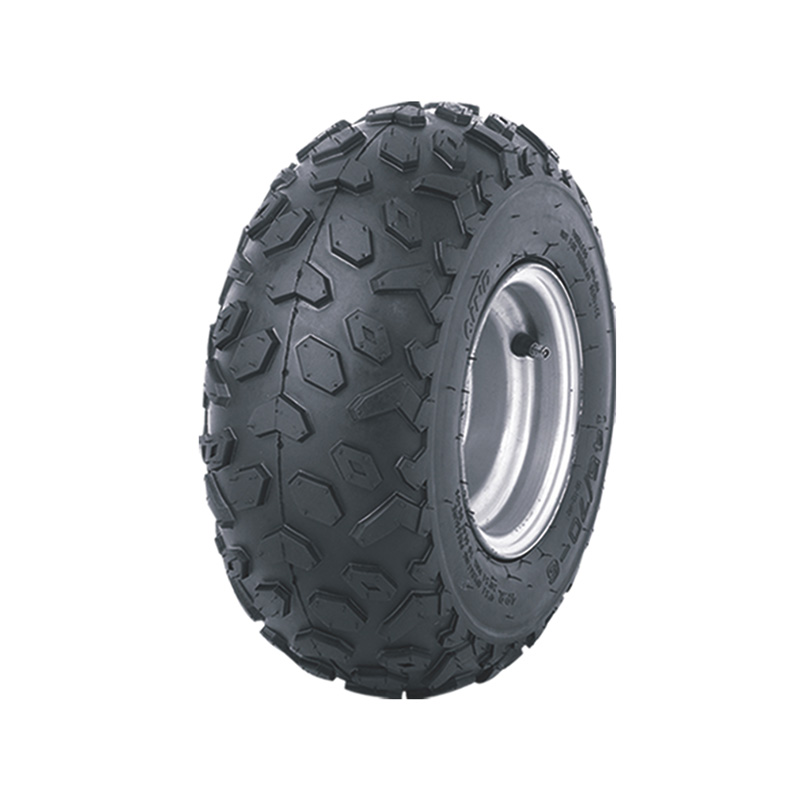
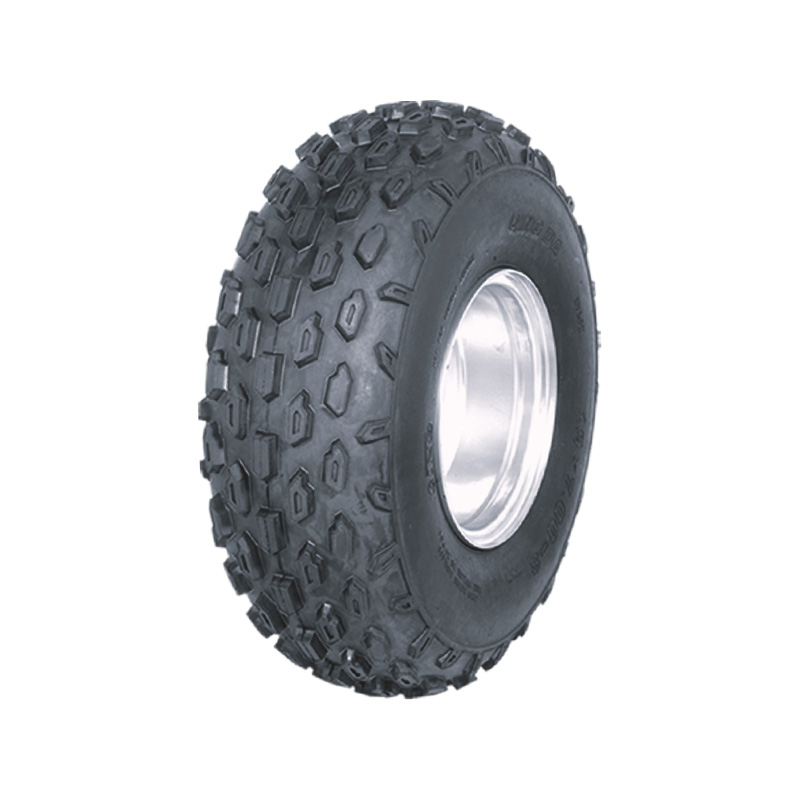
Tire technology has developed into a broad product category covering bicycles, motorcycles, agricultural equipment, carts, trailers, and various utility vehicles. Despite changes in tire design, Inner Tubes remain an important component in many wheel systems.
An inner tube is an inflatable rubber component positioned inside a compatible tire. It holds compressed air and creates the pressure needed for the tire to maintain its shape. The design may look simple, but factors such as material, diameter, valve type, wall thickness, and application all influence the finished product.
Natural rubber and synthetic rubber compounds are commonly used in tube production. Different formulations can provide different combinations of flexibility, elasticity, and resistance to repeated deformation.
During Inner Tubes production, manufacturers mix selected rubber materials before forming them into tube structures. The compound formulation can vary according to the intended application.
A tube designed for a bicycle may require different material characteristics from one used in a utility vehicle. Temperature, load conditions, wheel size, and operating environment can all influence material selection.
Size is one of the factors considered when selecting an inner tube. Tubes are generally identified according to tire diameter and width ranges.
A tube needs to expand inside the tire without becoming excessively stretched. It also needs enough flexibility to follow the shape of the tire during inflation.
Manufacturers of Inner Tubes therefore produce various sizes for different wheels. Common applications include bicycles, motorcycles, agricultural machinery, wheelbarrows, trailers, and other equipment.
The valve is another important component of an inner tube. It provides the connection between the air chamber and an external inflation device.
Different applications may use different valve structures. Bicycle tubes can use several valve types depending on wheel design, while larger vehicle and equipment tubes may use other configurations.
The valve position and angle also matter because the component needs to pass through the opening in the wheel rim.
For Inner Tubes, manufacturers need to ensure that the valve is properly integrated into the rubber body during production.
Tube production generally involves several stages. Rubber material is prepared and formed into a tube shape before being joined and vulcanized.
Vulcanization uses controlled heat and pressure to develop the final rubber structure. This process influences elasticity, dimensional stability, and the physical characteristics of the tube.
After vulcanization, manufacturers can conduct dimensional checks and inflation tests to identify visible defects or inconsistencies.
The production of Inner Tubes requires coordination between rubber formulation, tube forming, valve installation, and vulcanization.
Bicycles remain a familiar application for inner tubes, but the product category extends much further. Motorcycles, scooters, agricultural machines, hand carts, trailers, lawn equipment, and various industrial vehicles can also use tube-type tire systems.
Each application can require a different combination of size, rubber compound, valve configuration, and tube thickness.
For example, bicycle tubes are designed around lightweight wheels and relatively small tire dimensions. Agricultural tubes can have much larger diameters and wider cross-sections.
Selecting a suitable tube requires attention to tire markings and wheel dimensions. Buyers may also need to consider valve type and the intended application.
A tube with the correct diameter but unsuitable width may not fit the tire properly. Similarly, the correct tube size may still require a particular valve configuration to match the rim.
Manufacturers producing Inner Tubes often organize their product ranges according to tire sizes and applications, making it easier for distributors and equipment suppliers to identify suitable specifications.
Have any question ?