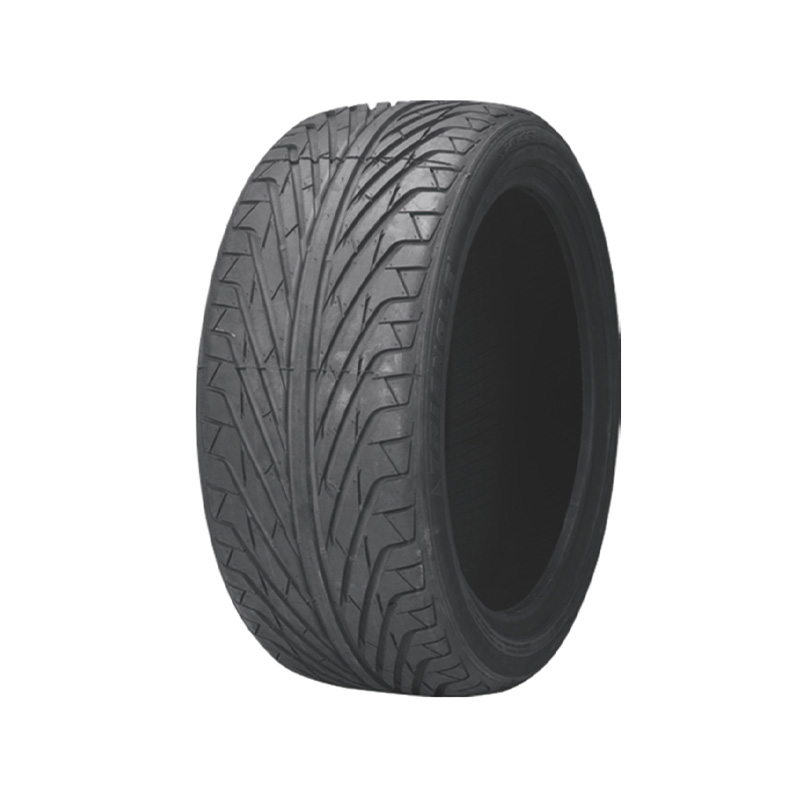
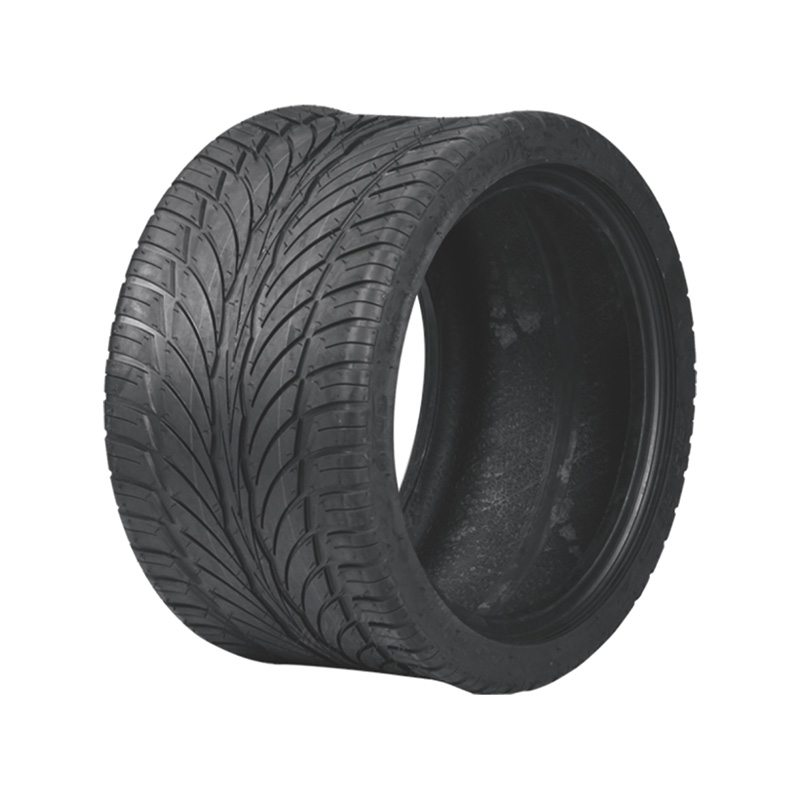
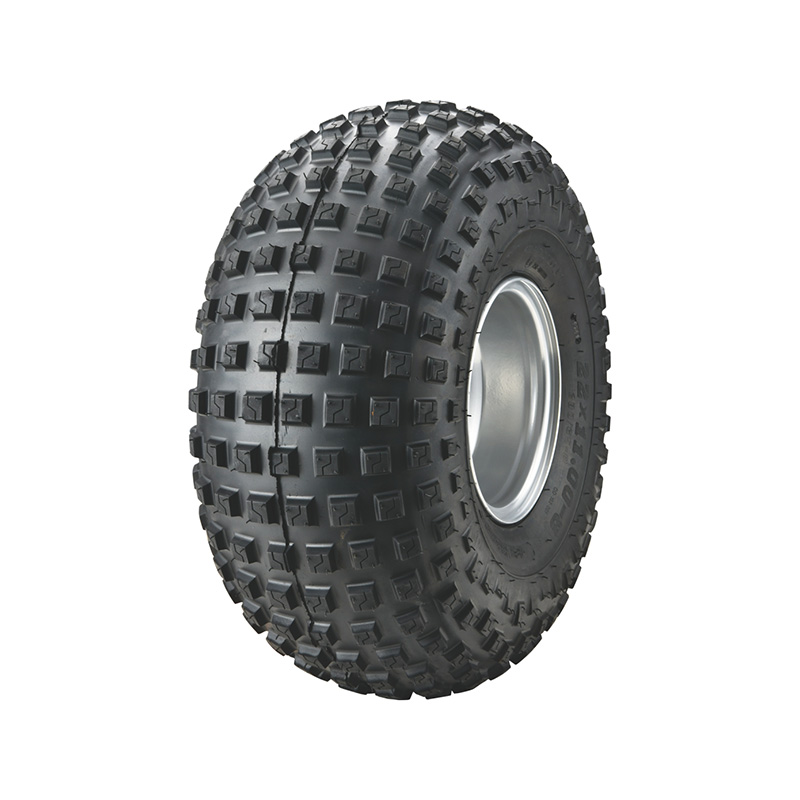
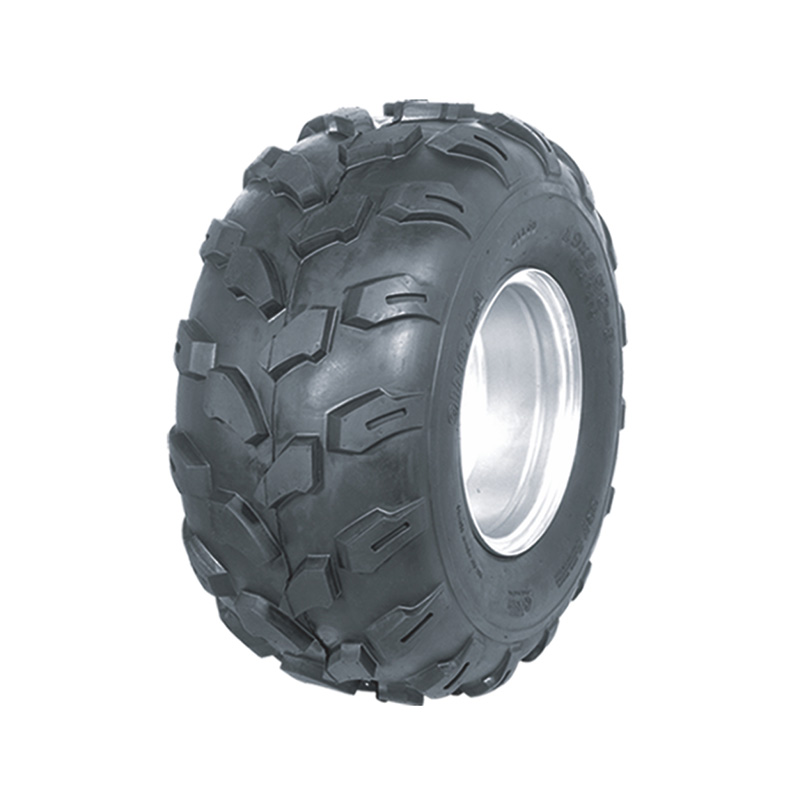
Nobody thinks much about trailer tires until one blows out on the highway shoulder with a boat, camper, or load of equipment sitting behind them. That's part of what makes this category tricky to source well — the demands placed on a trailer tire differ enough from a regular passenger or truck tire that treating them as interchangeable tends to end badly. Sidewall strength, heat tolerance, and load capacity all get engineered differently for a tire that's towed rather than driven, and buyers stocking this segment need to understand those differences before filling a purchase order.
A passenger tire flexes and grips through corners because the driver is steering it. Trailer tires don't turn on their own — the trailer follows wherever the tow vehicle points — so engineers prioritize sidewall stiffness over the kind of flexible give that helps a car tire hug a curve. Stiffer sidewalls resist the side-to-side sway that develops when a trailer gets pushed by crosswinds or passing trucks, keeping the load tracking straighter behind the vehicle pulling it. This is one reason a standard passenger tire mounted on a trailer axle tends to develop a wobble or sway pattern that a properly built trailer tire avoids by design.
Trailer tires spend long stretches at sustained highway speed carrying static, unchanging loads, and that combination generates heat differently than a passenger tire experiences under normal stop-and-go driving. Rubber compounds used in trailer tires are formulated to manage that steady heat buildup rather than the shorter bursts of heat a car tire deals with during acceleration and braking. Underinflation makes this worse quickly — a trailer tire running even a few pounds under its rated pressure flexes more with each rotation, and that extra flexing generates heat that compounds mile after mile until the tire fails from the inside rather than from visible tread wear.
Every trailer tire carries a load range letter — B, C, D, and so on — that corresponds to how much weight it can carry at a specified inflation pressure. Mismatching this number is one of the more common sourcing mistakes buyers make, often by assuming a tire's physical size alone determines its capacity. Two trailer tires can share identical dimensions and still carry very different weight ratings depending on internal ply construction. Distributors filling orders for trailer manufacturers or axle assemblers need the load range to match the axle's rated capacity exactly, since undersizing here creates a safety problem that shows up later on the road rather than in a warehouse inspection.
A landscaping company running a utility trailer daily has different tire needs than someone who tows a camper twice a year. Frequent, high-mileage use points toward radial construction and a slightly higher load range for margin, while occasional seasonal towing can often work with a lighter-duty bias-ply option at a lower cost. Buyers filling out product lines for retail or fleet customers do well to ask about typical use patterns before defaulting to whatever trailer tire size matches the rim — the axle weight, trip frequency, and typical speed all shape which construction and rating actually fits the job.
Have any question ?