Cold weather changes how vehicles interact with the road. When temperatures drop and snow begins to fall, regular tyres can lose grip. Snow Tyres address this change with specific design features that improve contact on frozen or snow-covered surfaces. These tyres appear on cars, SUVs, and light trucks during the colder months in regions that see regular winter conditions.
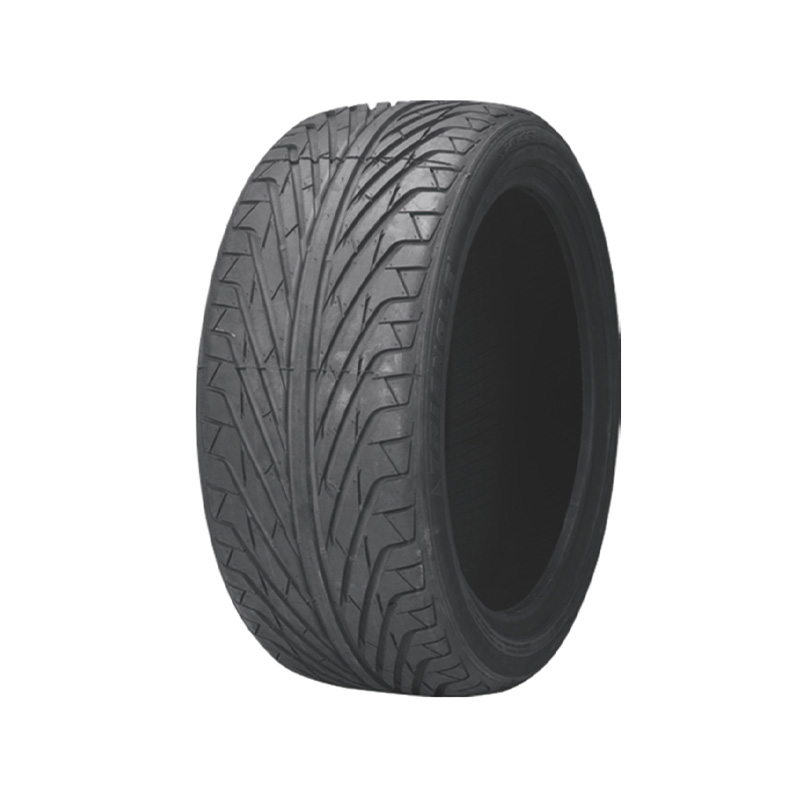
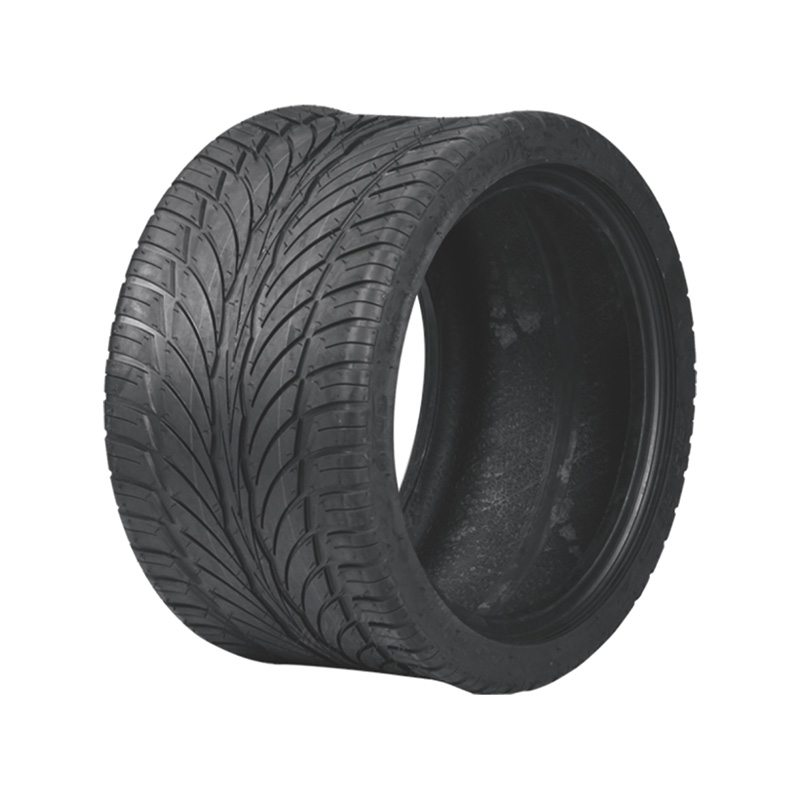
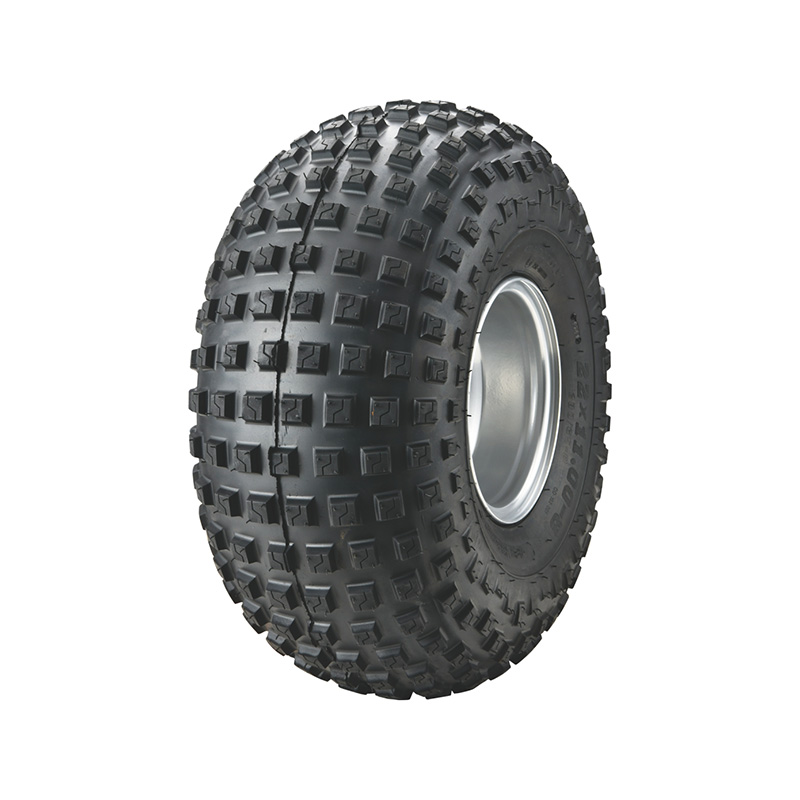
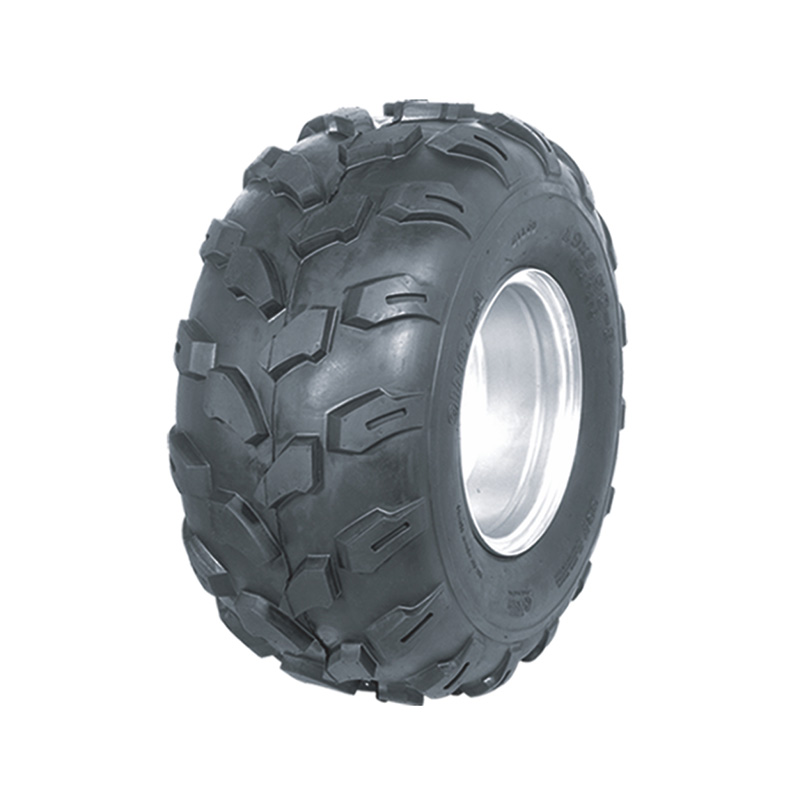
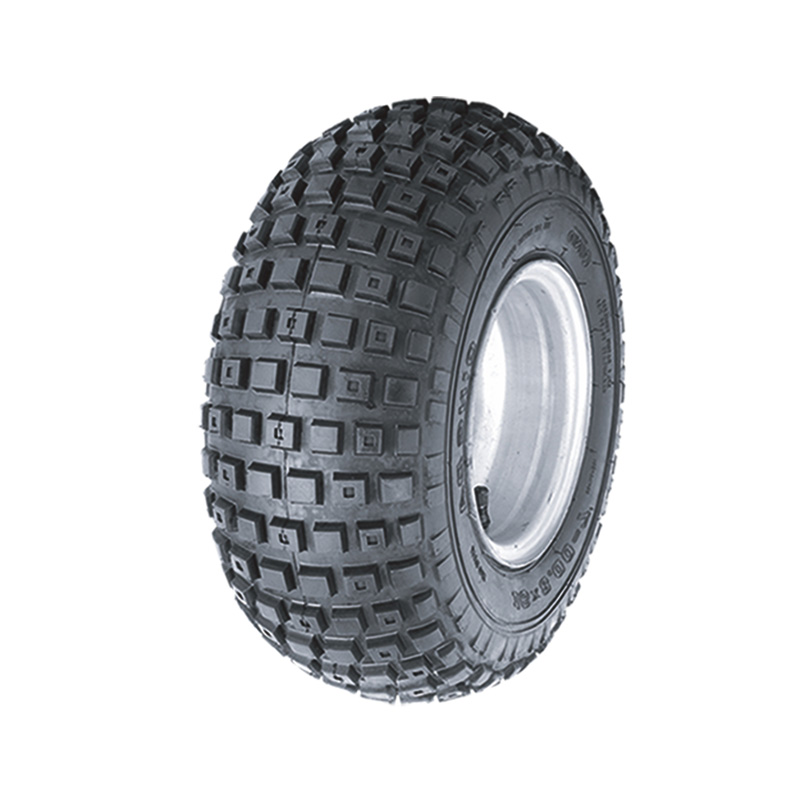
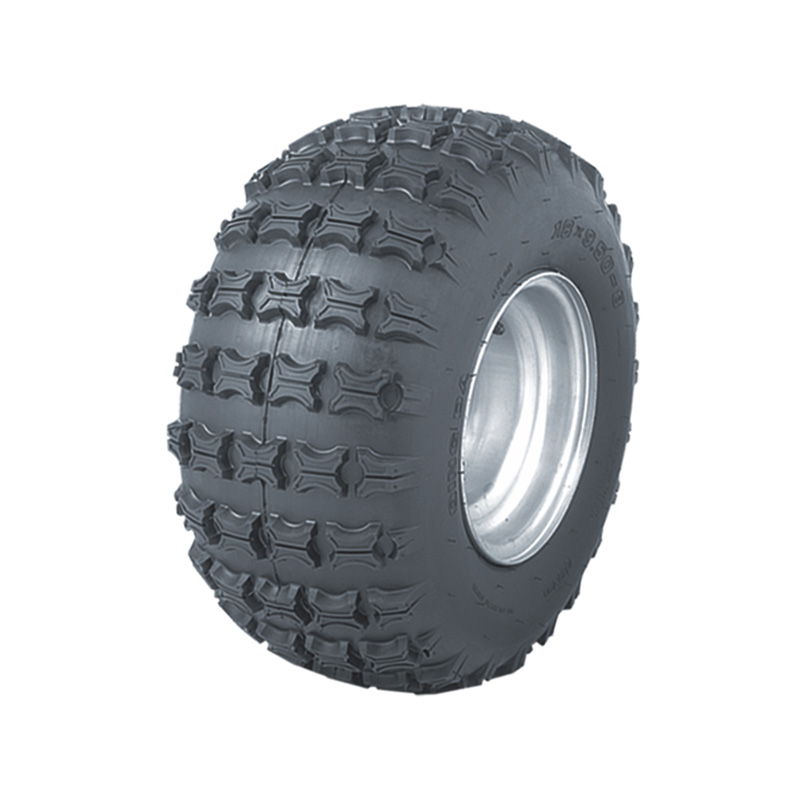
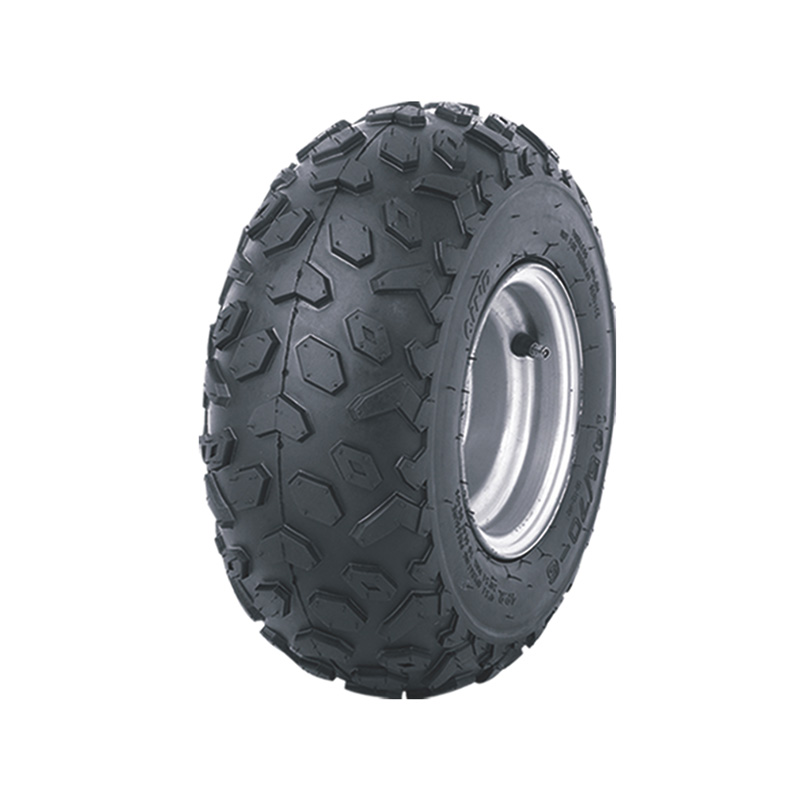
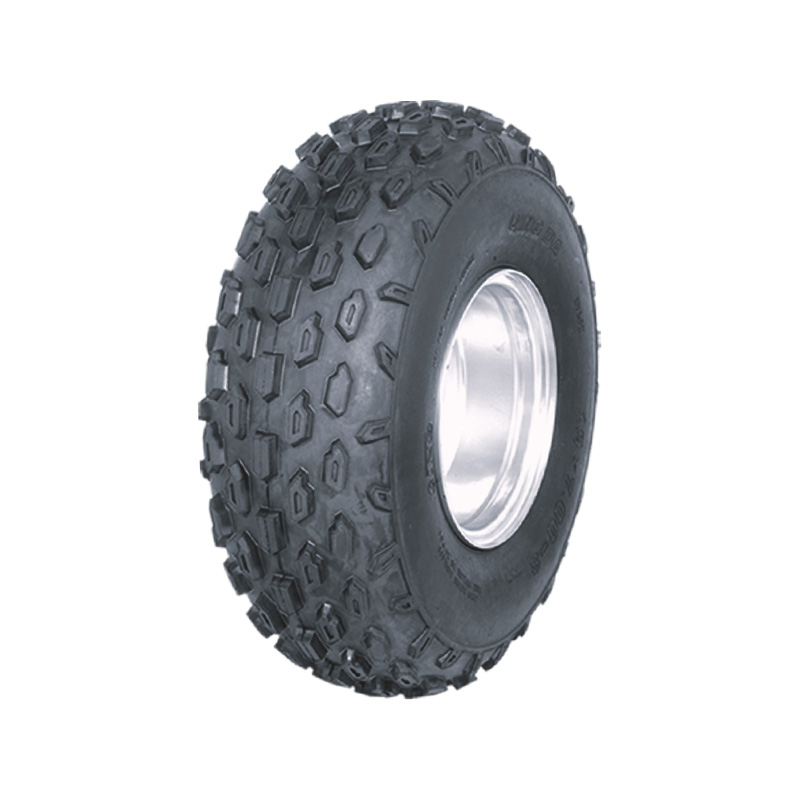
The surface of Snow Tyres carries deeper grooves and more biting edges than standard all-season designs. These channels push snow and slush outward while the remaining rubber edges dig into the packed layer beneath. Small cuts in the tread blocks, known as sipes, flex and create additional contact points on ice. The pattern stays open enough to shed snow so the tyre does not pack solid and lose traction.
On light snow the grooves act like small paddles, helping the vehicle move forward without spinning. On harder packed snow the edges bite and hold the line through corners. Drivers often notice that acceleration feels more controlled and that stopping distances shorten compared with warmer-weather rubber under the same conditions.
Temperature affects the stiffness of tyre compounds. Ordinary rubber hardens as the mercury falls, reducing the ability to conform to the road. The mixture used in Snow Tyres remains softer in cold air. This flexibility lets the tread blocks press into small irregularities on ice or hard-packed snow, increasing the area of contact.
The softer feel also helps the tyre absorb minor road vibrations that become more noticeable on frozen surfaces. The result is a steadier ride and more predictable steering response when the road is white or glazed.
Drivers who fit Snow Tyres often report that hill starts feel less stressful. The extra grip reduces the chance of spinning in place on an incline. Cornering on snow-covered streets becomes more progressive; the vehicle tends to follow the intended path rather than sliding wide. In deep, fresh snow the deeper tread helps the car keep moving instead of ploughing to a stop.
On clear but cold pavement the softer compound still provides solid contact. The ride may feel a little quieter or smoother than with summer rubber in the same temperatures. Braking remains more linear, giving the driver clearer feedback through the pedal.
Vehicle weight and drive type influence how the tyres perform. Heavier SUVs benefit from the added traction because their mass can otherwise push regular tyres into sliding. Front-wheel-drive cars gain better pull through the snow, while rear-wheel-drive models see improved stability under acceleration. All-wheel-drive systems work with the tyres rather than replacing the need for proper winter rubber.
Load rating and size must match the vehicle’s original specifications so that handling and speedometer accuracy stay consistent. Many drivers keep a second set of wheels already mounted with the winter rubber, making the seasonal change a simple wheel swap.
Snow Tyres give drivers a practical way to maintain control when snow and ice appear. Through deeper tread patterns, flexible rubber, and purposeful design, they change how a vehicle behaves on cold surfaces. The difference shows up in everyday tasks such as pulling away from a stop, climbing a gentle slope, or navigating a snow-dusted intersection. For anyone who drives through regular winter weather, these tyres form a clear and useful part of the seasonal toolkit.
Have any question ?