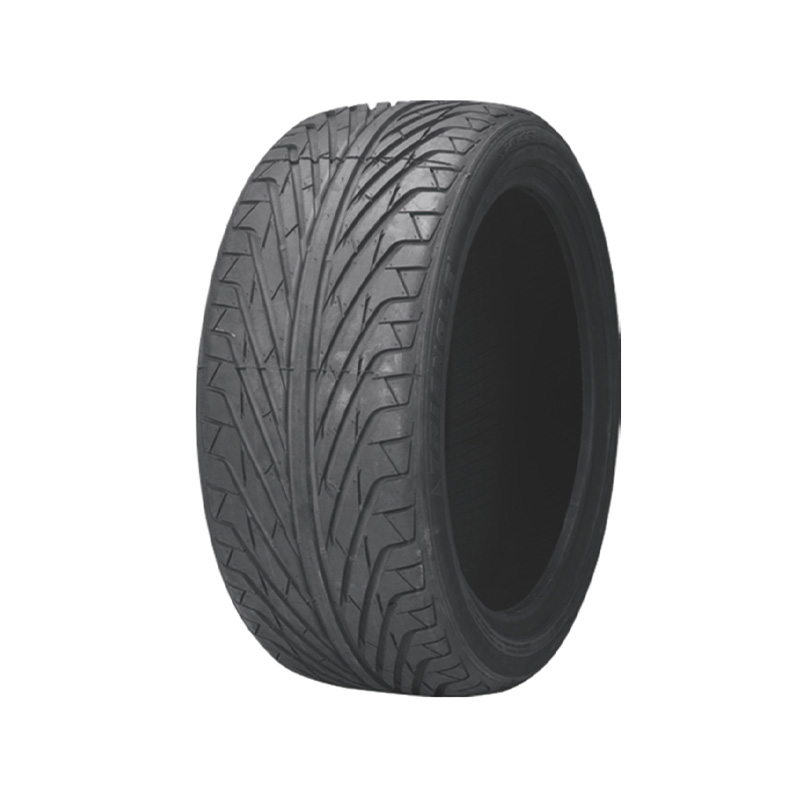
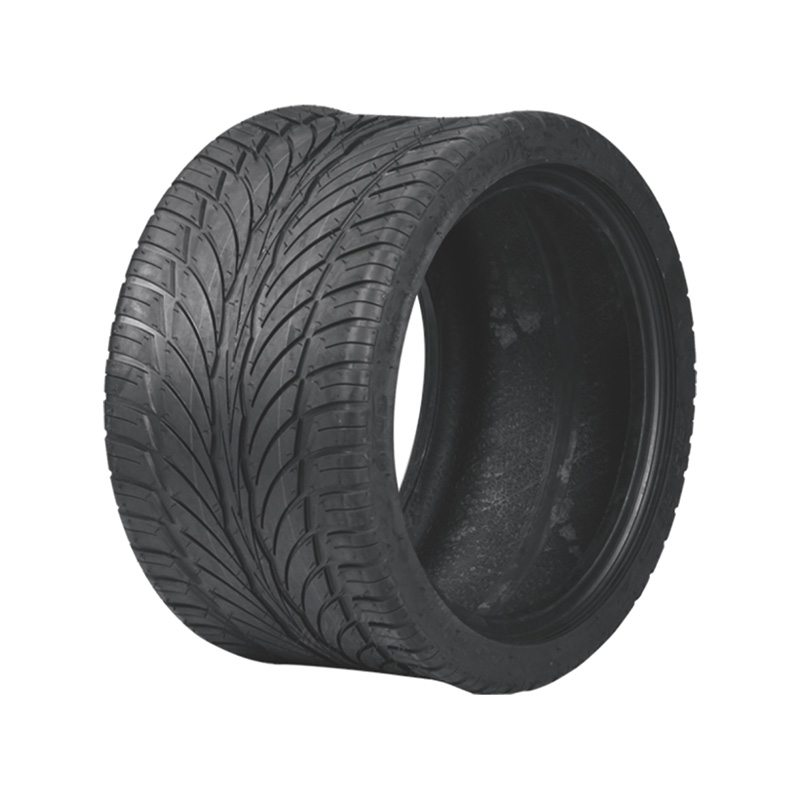
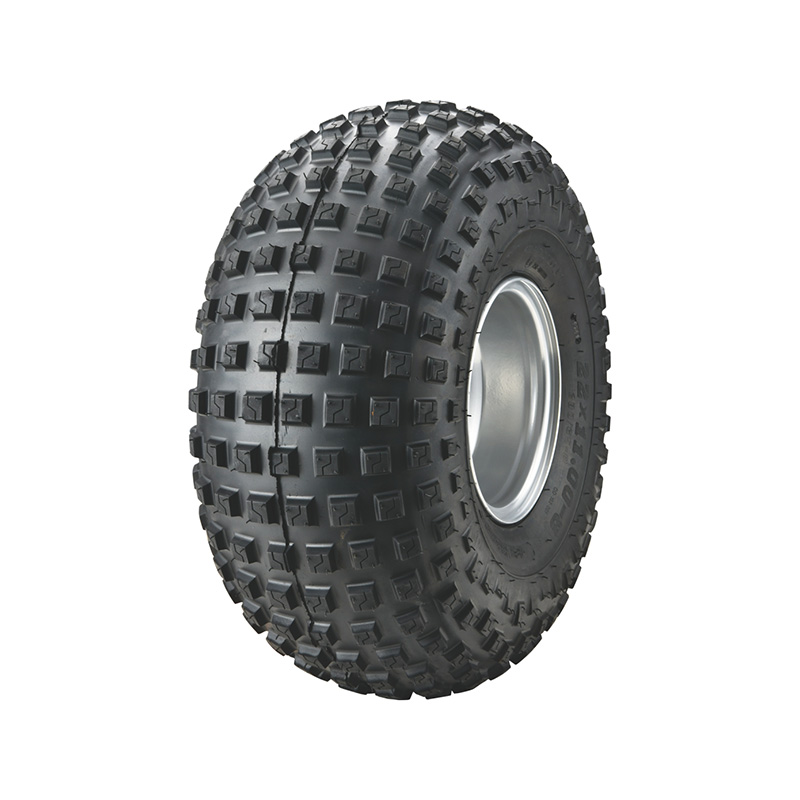
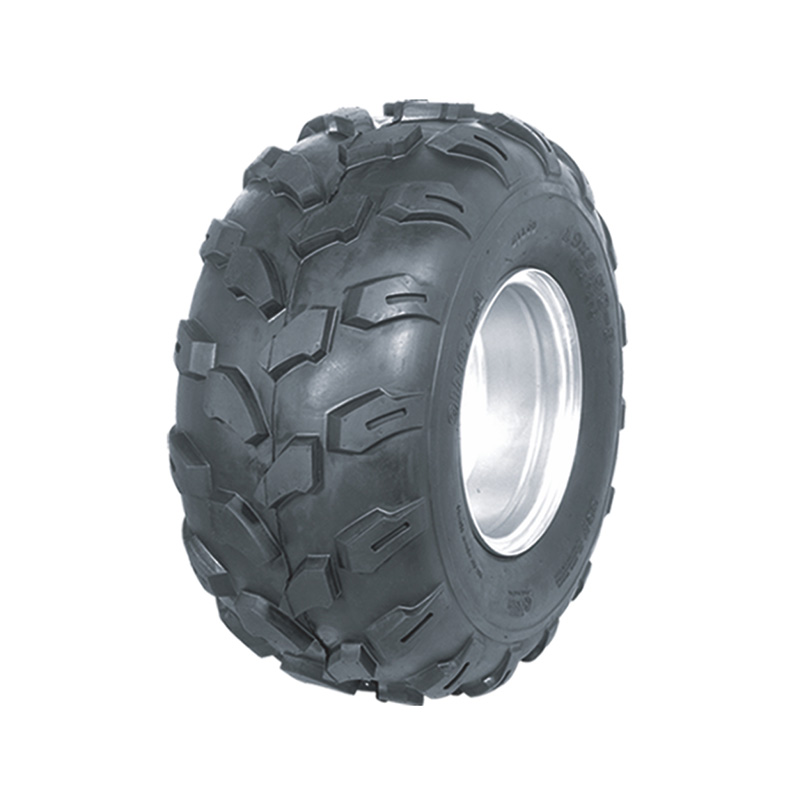
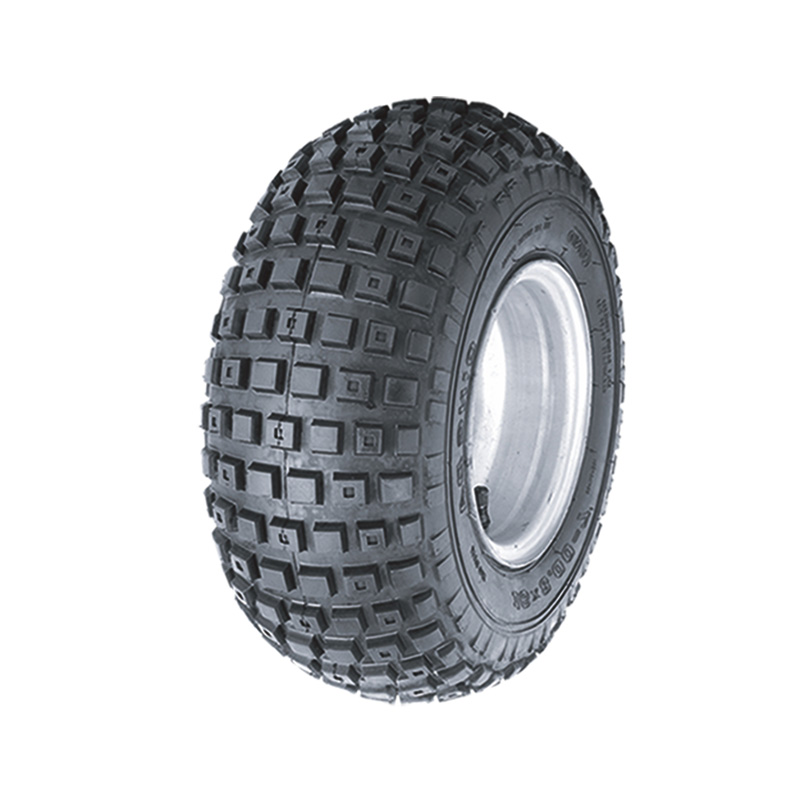
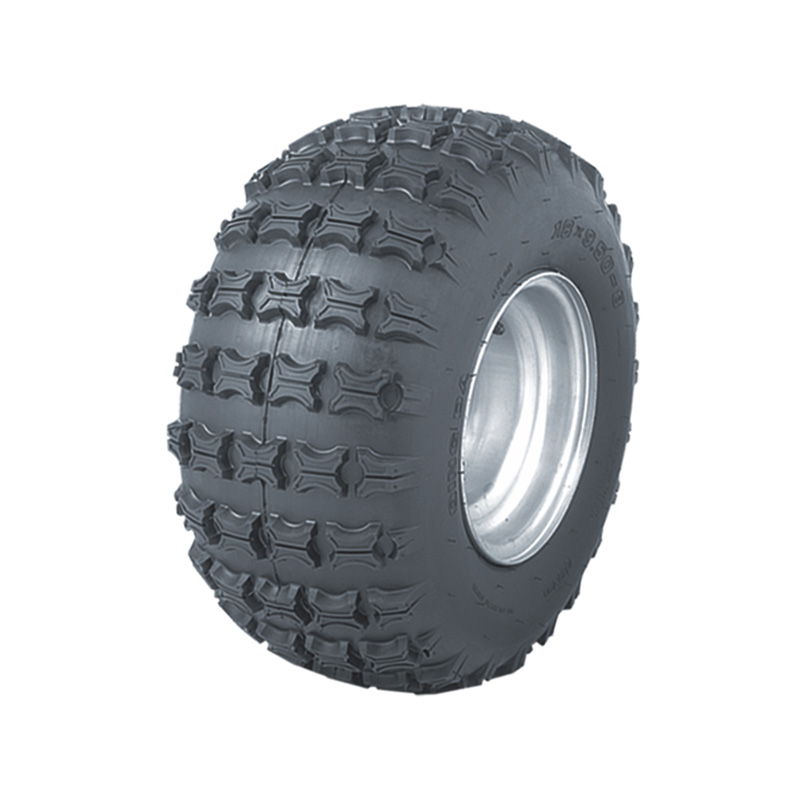
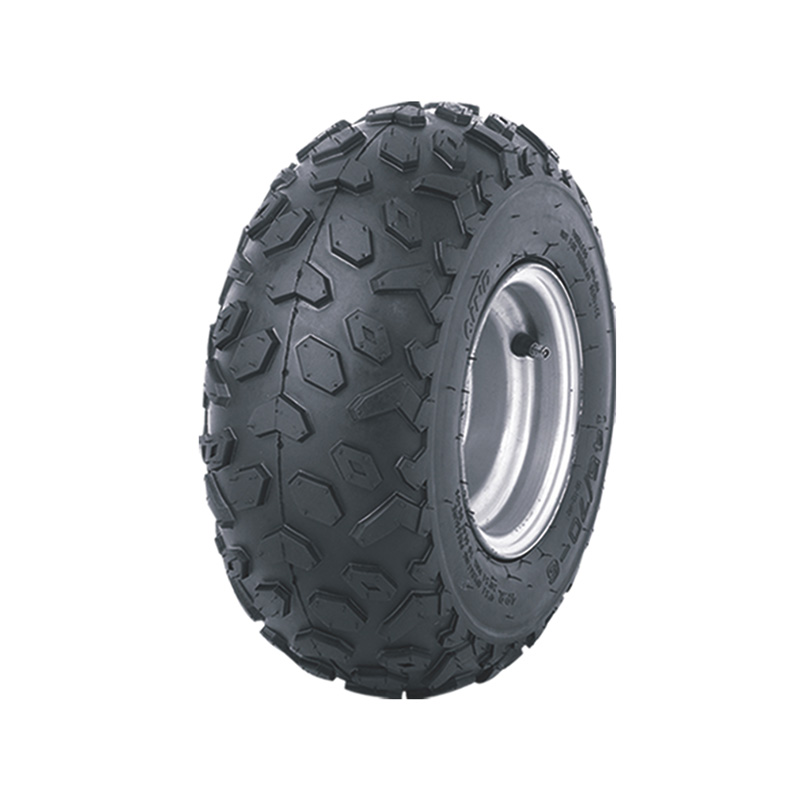
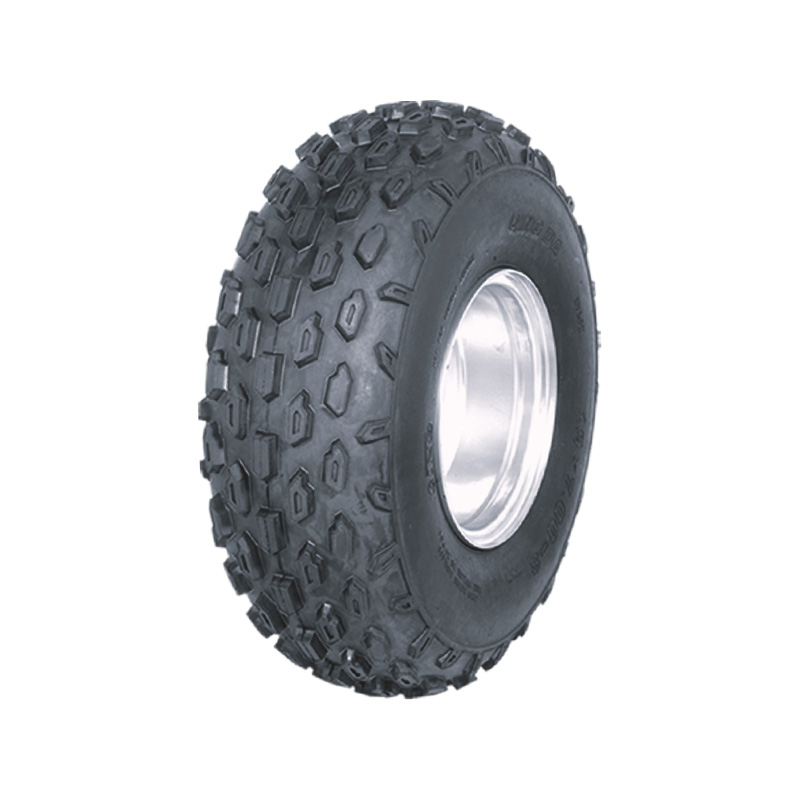
Scooter tires appear in a few main forms. Air-filled versions, often called pneumatic, provide a softer response to bumps and cracks in the road. The air inside allows the tire to flex slightly, which helps absorb small shocks before they reach the rider. Solid tires, on the other hand, use dense rubber or foam cores. They stay firm and avoid sudden loss of pressure from nails or glass that sometimes appear on sidewalks.
Tread design also plays a clear part. Light patterns work well on smooth asphalt and give a quiet roll. Deeper grooves add grip when the surface turns damp or slightly uneven. Some tires feature a rounded profile that supports easy leaning into corners. Others stay flatter for stable straight-line travel. Matching the style to the usual routes makes a noticeable difference in how the scooter behaves.
The contact between tire and ground determines much of the ride quality. Wider tires spread the rider’s weight and create a more planted feel, especially at lower speeds. Narrower ones respond quicker when the handlebars turn, which suits crowded sidewalks or narrow paths between parked cars. The compound of the rubber affects how the tire grips during acceleration and braking.
When the tire maintains even contact, the scooter tracks more predictably. This steady contact reduces the small wobbles that can appear on rough patches. Riders often sense less vibration through the deck and handlebars. That smoother feedback helps keep attention on the road rather than on constant corrections. Over repeated trips, the right tires contribute to a calmer and more consistent experience.
Size remains the detail to confirm. Diameter and width must fit the scooter’s wheel wells and hubs so the machine rolls freely without rubbing. Load rating matters as well. A tire designed for lighter use may feel different under a heavier rider or when carrying a small bag.
Surface type guides the next decision. Smooth city streets favor tires that roll easily and stay quiet. Areas with occasional gravel or broken pavement benefit from tougher sidewalls and more pronounced tread. Some riders prefer a middle ground that handles both clean asphalt and the occasional rough section without major changes in feel. Trying the scooter on familiar routes quickly shows whether the current tires suit the local conditions.
Suitable tires make short trips feel more natural. The scooter starts and stops with less hesitation, and turns require smaller inputs at the handlebars. On routes that include both flat stretches and mild slopes, capable tires help maintain steady progress. Riders notice the deck stays more level, which reduces the need to shift weight constantly.
Clean edges along curbs and crosswalks become easier to manage. Steady contact with the ground supports precise steering near obstacles. Across many days of use, consistent tire performance helps the whole scooter respond in a familiar way. Simple awareness of the tires before each ride—checking for visible cuts or unusual flat spots—supports reliable movement without extra effort.
Scooter tires may look small, yet they shape the entire character of each ride. From the push-off in the morning to the last stop at night, the right set supports steady balance and a more enjoyable trip. Taking time to notice how the tires meet the road pays off in smoother movement and greater confidence on familiar streets. Whether the scooter is used for quick errands or longer daily routes, attention to the tires helps every journey feel more intentional and controlled.
Have any question ?