Lawn mower tires play a quiet but important part in keeping grass neat and yards looking tidy. These specialized tires differ from the ones found on cars or trucks because they face unique demands. Soft soil, uneven patches, and constant turning put particular stress on them. Knowing more about lawn mower tires helps owners get smoother results and longer service from their equipment.
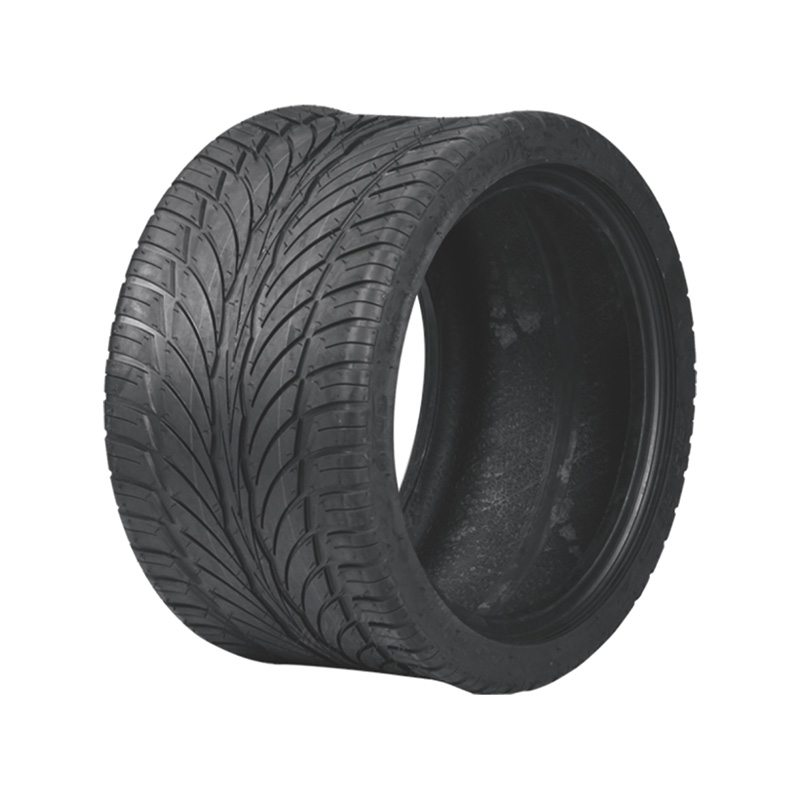
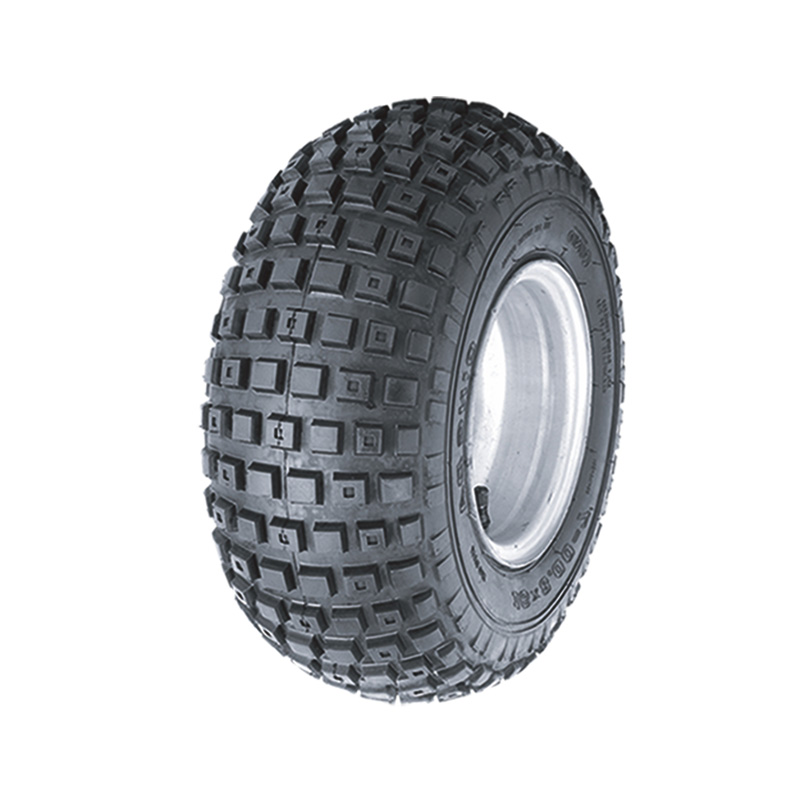
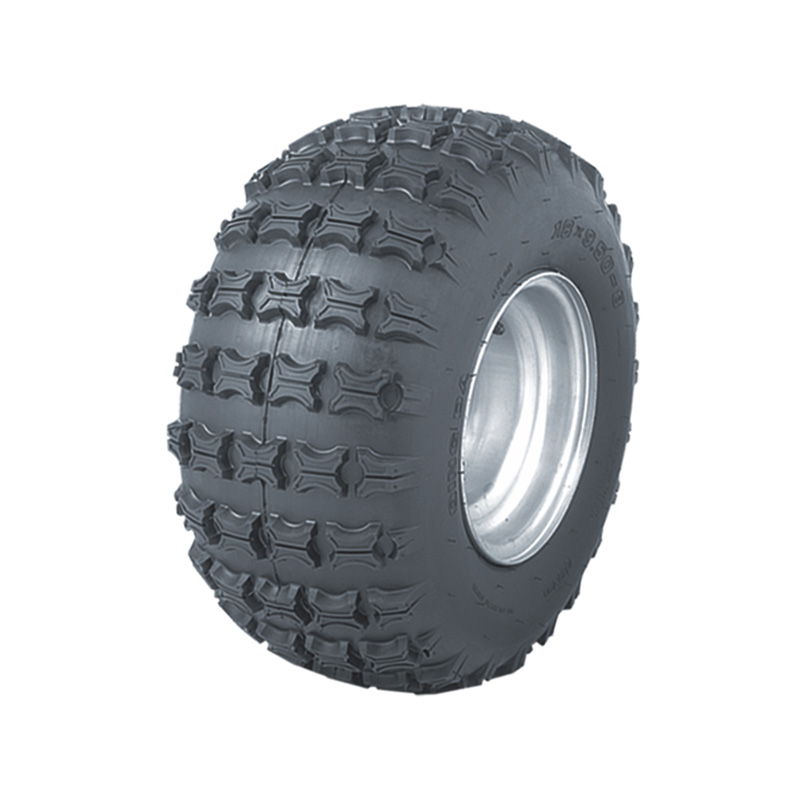
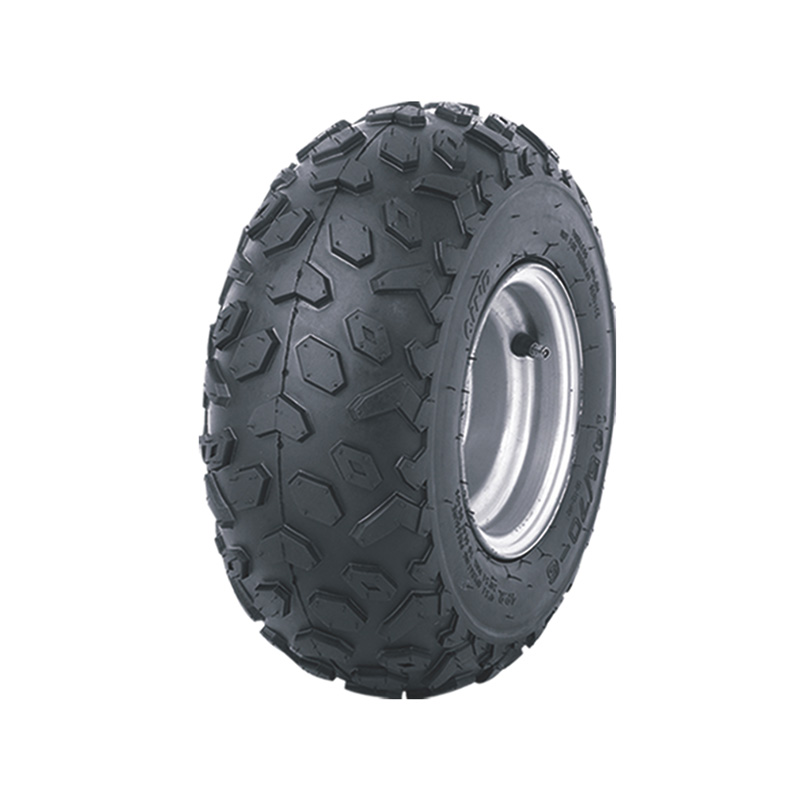
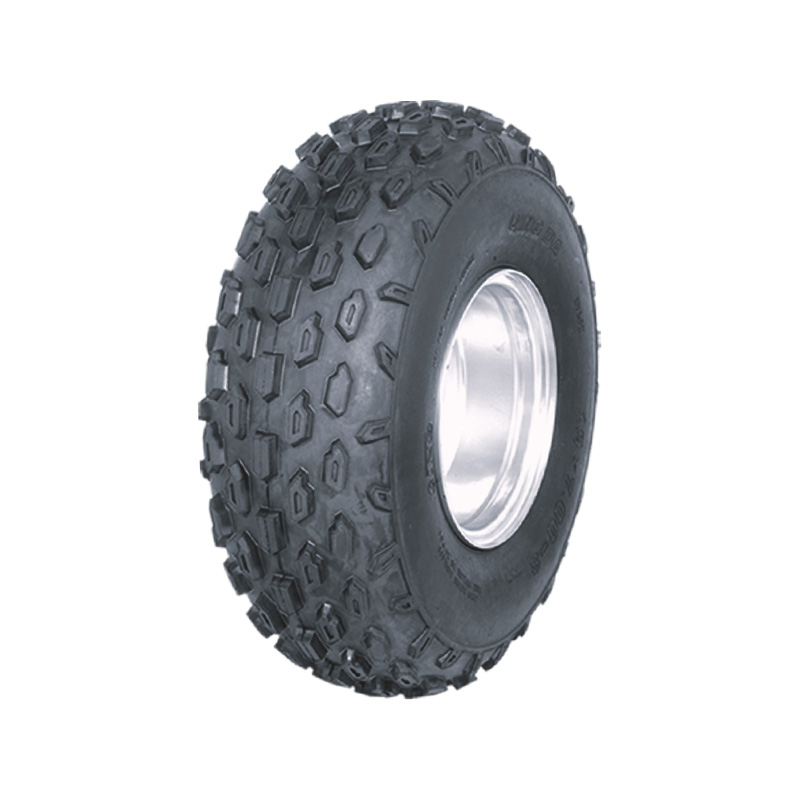
Lawn mower tires come in several common styles. Pneumatic tires hold air and offer a cushioned ride across bumpy ground. They flex slightly under load, which helps the mower stay level. Solid tires, by contrast, contain no air. They resist punctures from sticks or sharp debris that often hide in tall grass. Some models feature turf-friendly designs with rounded shoulders. These reduce the chance of leaving deep marks on delicate lawns.
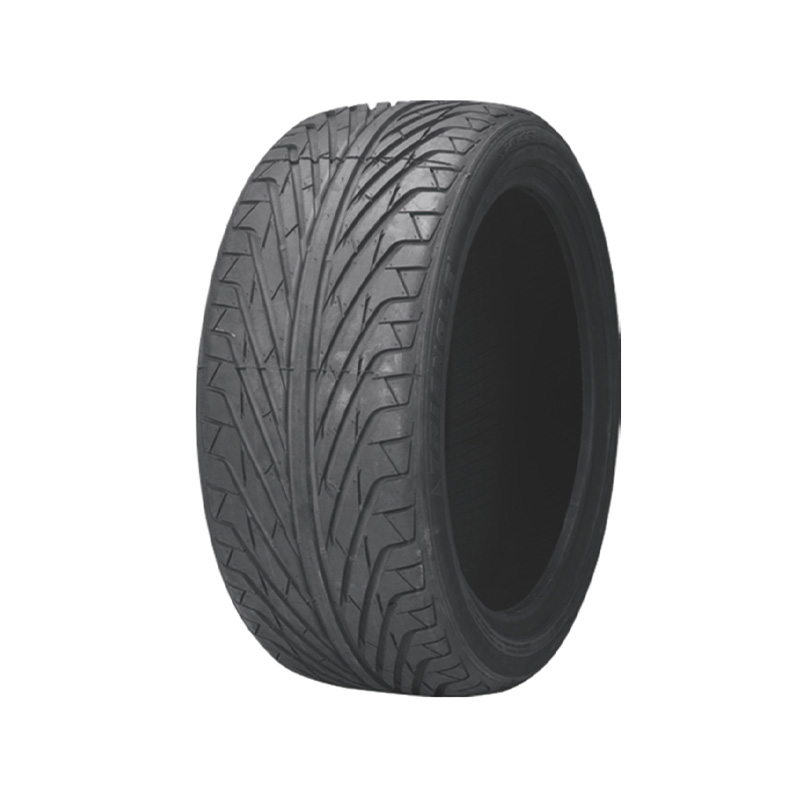
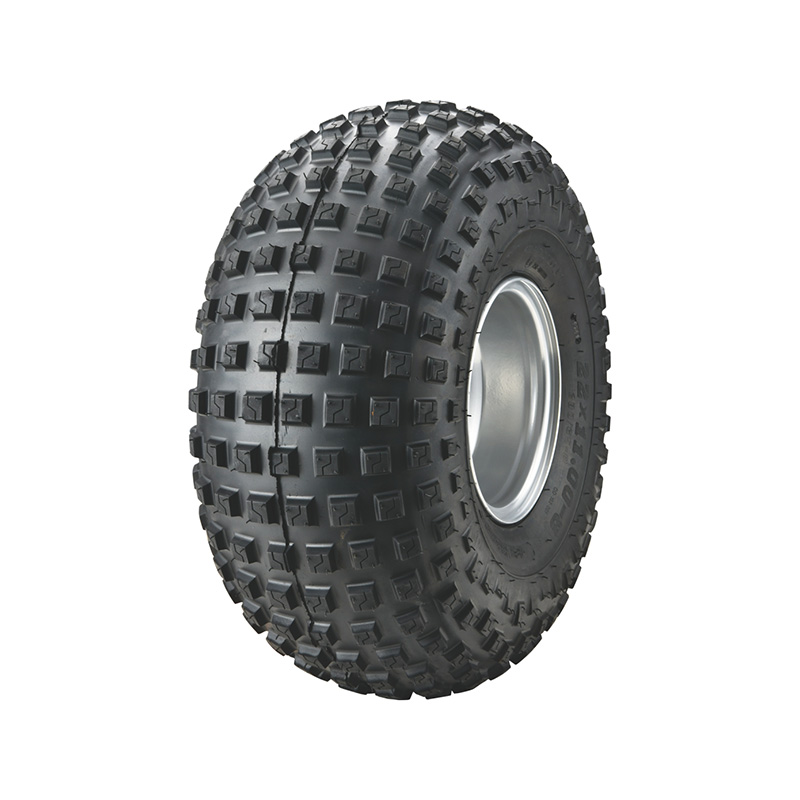
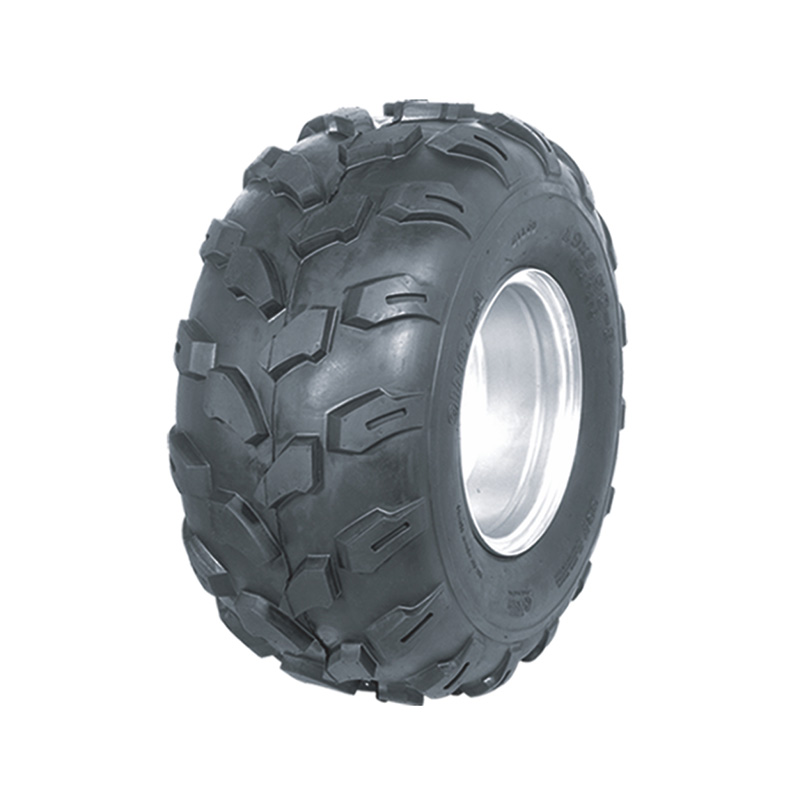
Tread patterns also vary. Smooth or lightly patterned treads suit well-kept residential yards. Deeper treads grip better on slopes or slightly wet soil. The right choice depends on the typical conditions of the area being mowed. Matching the tire type to the ground makes the mower easier to control and reduces strain on the machine.
The tires sit at the point where the machine meets the ground. Their size and shape influence how weight is distributed. Wider tires spread the load and help prevent sinking into soft spots. Narrower ones may turn more sharply in tight spaces around trees or flower beds. Proper inflation on pneumatic versions keeps the contact patch even. This supports consistent cutting height as the mower moves forward.
Traction matters during turns and on mild inclines. Good grip lets the drive system transfer power without unnecessary spinning. When tires maintain steady contact, the cutting deck stays more stable. That stability contributes to an even finish across the lawn. Operators often notice less vibration through the handle when the tires roll smoothly.
Choosing tires starts with checking the size marked on the existing set. Diameter and width must match the mower’s design so clearance and gear ratios stay correct. Load capacity is another factor. Heavier riding mowers need tires rated for greater weight than those used on lighter walk-behind models.
Material quality affects longevity. Rubber compounds that resist cracking under sun exposure and temperature changes tend to last longer in outdoor storage. Some tires include reinforced sidewalls for added strength against impacts. Owners who mow mixed terrain may prefer a balance between flotation and durability. Testing a set on the actual yard reveals how well they handle local conditions.
Well-matched tires make regular mowing sessions more comfortable. Reduced bounce means less fatigue during longer jobs. The mower tracks straighter, which shortens the time spent correcting direction. On properties with both flat areas and gentle rises, capable tires help the machine climb without hesitation.
They also support cleaner edges along sidewalks and driveways. Steady contact allows precise steering near borders. Over many seasons, consistent tire performance protects the mower’s frame and drive components from extra stress. Simple visual checks before each use—looking for cracks, uneven wear, or low pressure—keep everything running as intended.
Lawn mower tires may seem like a small detail, yet they shape the entire mowing experience. From the pass of the season to the last cleanup before winter, the right set supports steady progress and a polished result. Taking a moment to understand their role and match them to the yard pays off in smoother days outdoors. Whether the machine is a compact push model or a larger rider, attention to the tires helps every cut look intentional and every session feel more straightforward.
Have any question ?