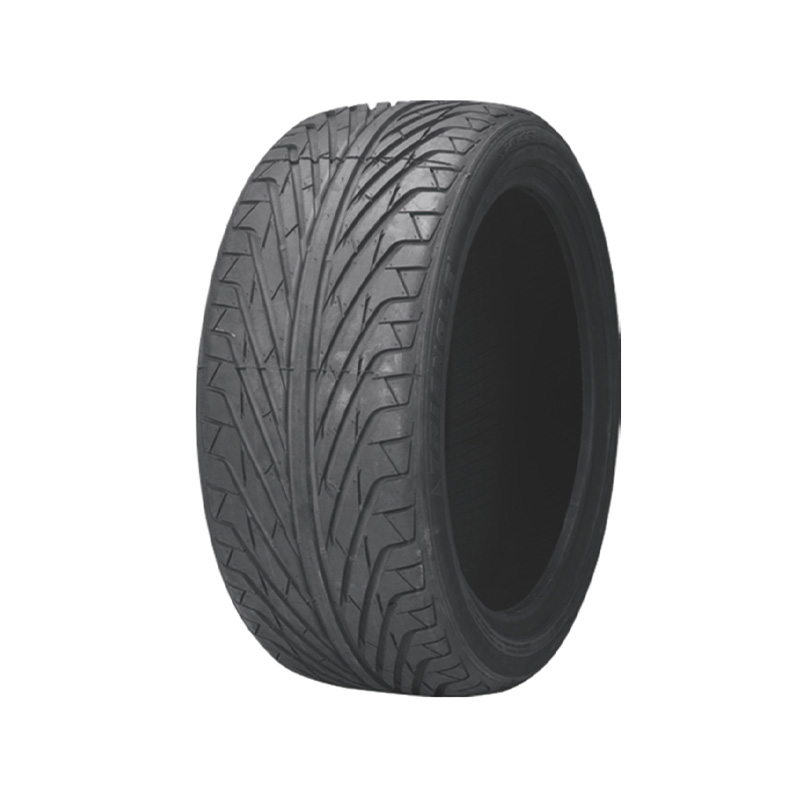
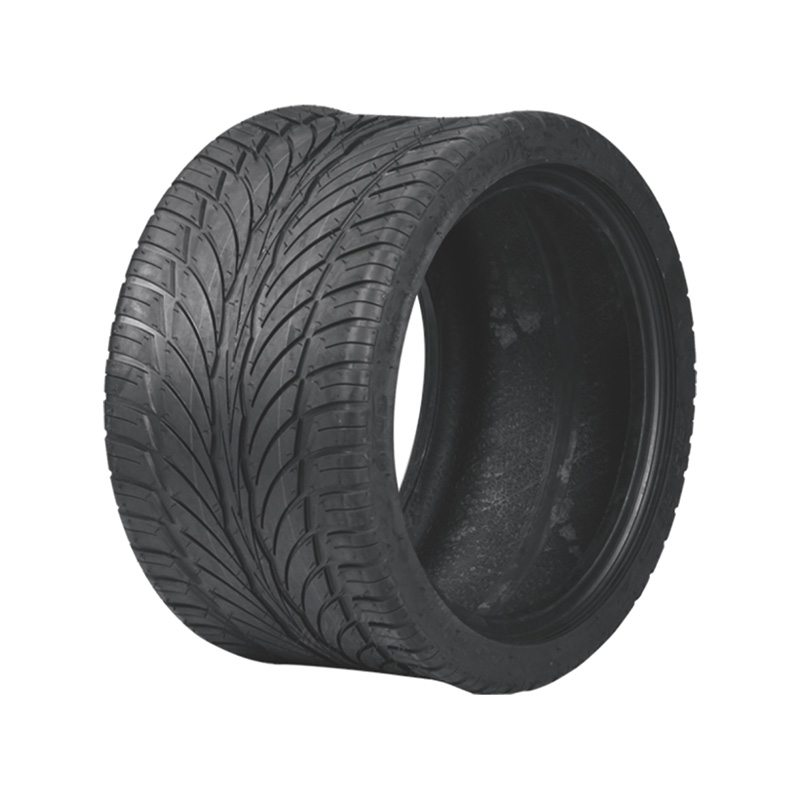
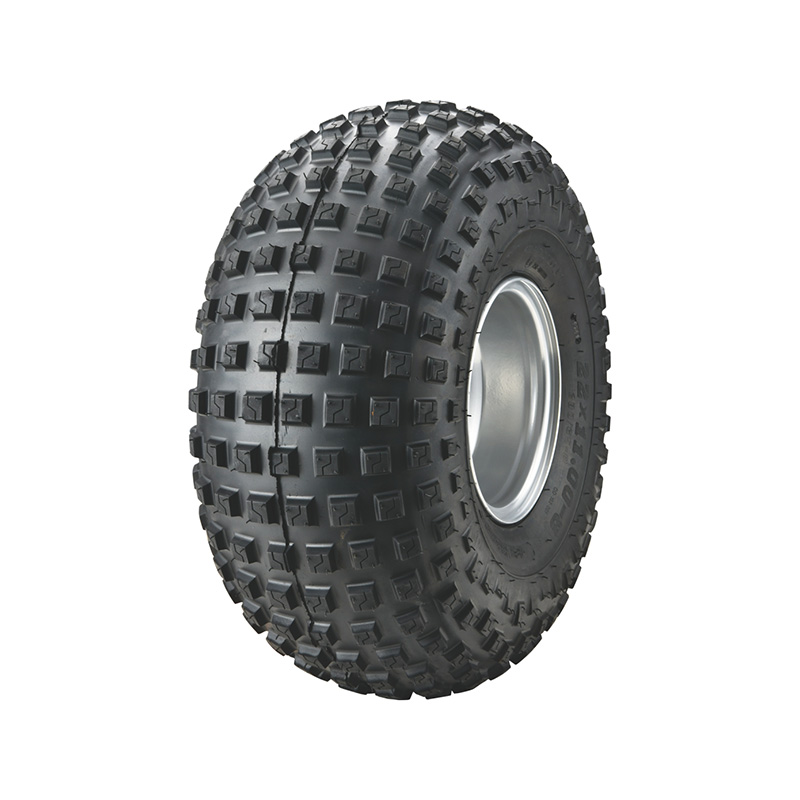
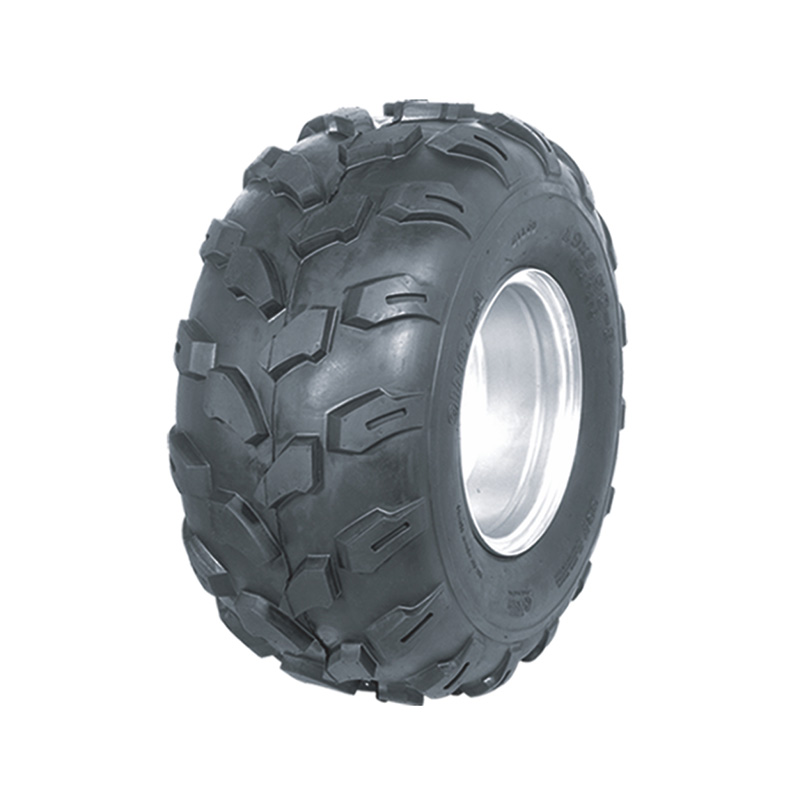
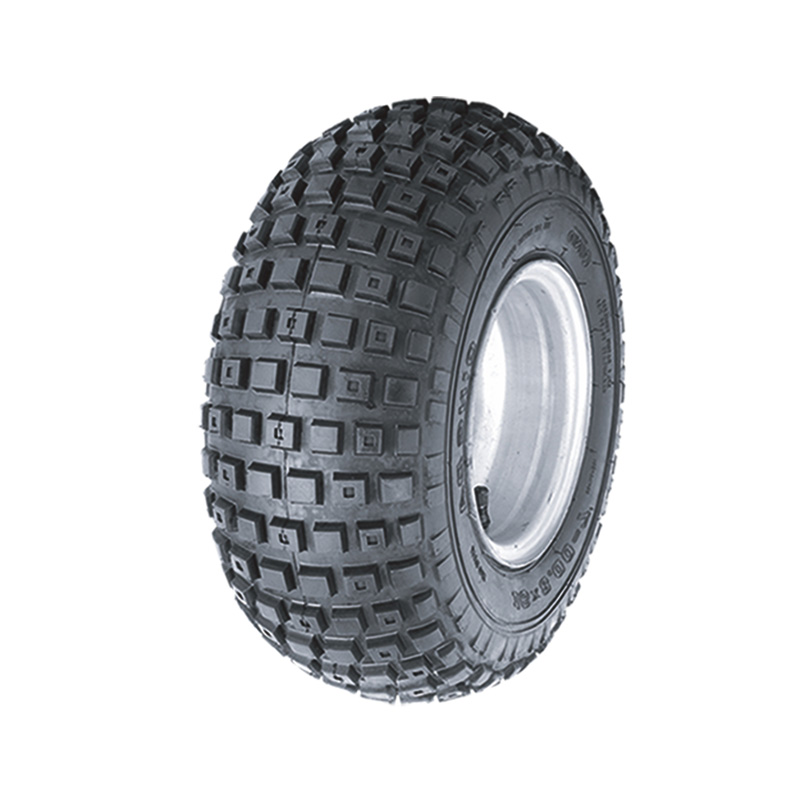
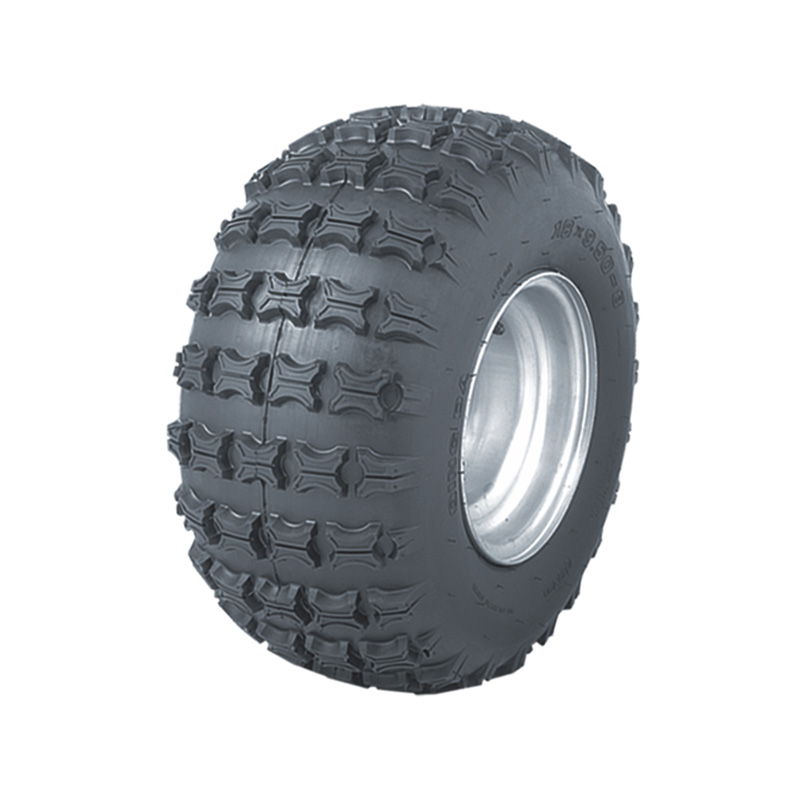
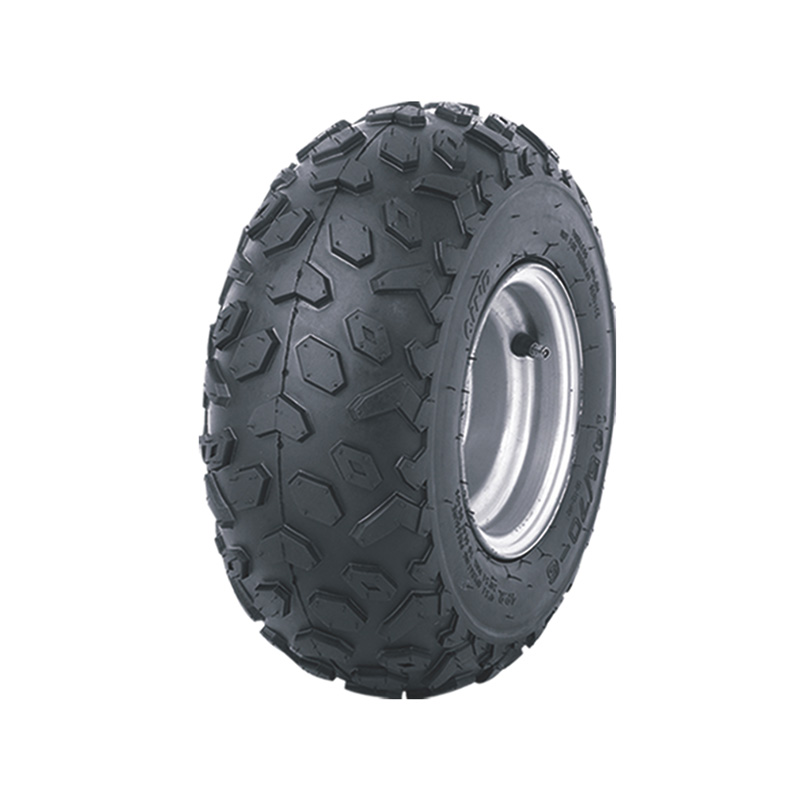
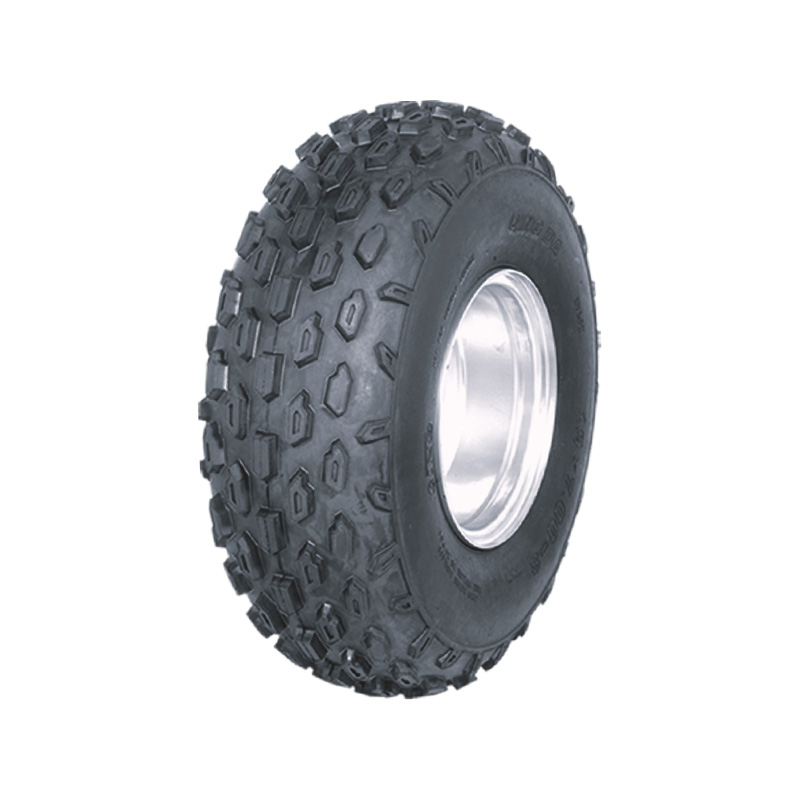
Agriculture tyres usually show deep, open tread patterns. The large lugs dig into soft soil and push the machine forward. Spaces between the lugs allow soil to fall away rather than packing tightly. The sidewalls are often thicker and more flexible than those on highway tyres, helping the tyre flex over ruts and bumps without losing contact.
Some versions are made for dual use, moving both in the field and on short road stretches. Others focus mainly on flotation in wet or loose ground. The overall diameter and width of the tyre affect how the weight of the machine is distributed. Wider tyres create a larger footprint, which helps on soft surfaces.
Here are two groups of characteristics often found in these tyres:
These features work together to keep equipment stable and moving.
When a tractor pulls a plough or cultivator, the rear agriculture tyres provide the main driving force. The lugs bite into the ground while the tyre carcass flexes under the load. On a combine or forage harvester the tyres must support both the machine weight and the collected crop. Trailer tyres roll under varying loads as bins fill and empty.
Steering response depends on the front tyres. Their tread pattern is often less aggressive than the rear ones, giving a balance between grip and the ability to turn cleanly. In wet conditions the open spaces in the tread help shed mud so the tyre can regain contact with firmer ground underneath.
The relationship between tyre size and machine weight is practical. A tyre that is too narrow concentrates the load and can leave deeper tracks. A wider tyre spreads the same weight over more surface, reducing the depth of the mark left in the field.
Different machines call for different sizes and constructions of agriculture tyres. Large tractors use high-volume rear tyres paired with smaller front ones. Self-propelled sprayers often run on tall, narrow tyres that fit between crop rows. Trailers and implements may use simpler, more compact designs that prioritise load capacity.
Mounting positions also matter. Drive tyres sit on powered axles and need strong grip. Free-rolling tyres on trailers focus on carrying weight with low rolling resistance. Some equipment uses dual wheels on each side to further increase the contact area when working in especially soft conditions.
Here are two practical notes that describe common use:
These roles keep the whole system of farm machines coordinated.
Throughout the year agriculture tyres meet changing demands. In spring they roll through freshly prepared ground. In summer they travel between fields under the heat of the day. In autumn they support harvest loads that grow heavier with each pass. The same basic construction adapts to these shifts through the choice of size, tread depth, and overall strength.
Operators become familiar with the feel of the tyres under different conditions. A steady pull through soil, a smooth roll on compacted tracks, and a stable stance when the machine is stationary all depend on the tyres remaining properly matched to the task.
Have any question ?