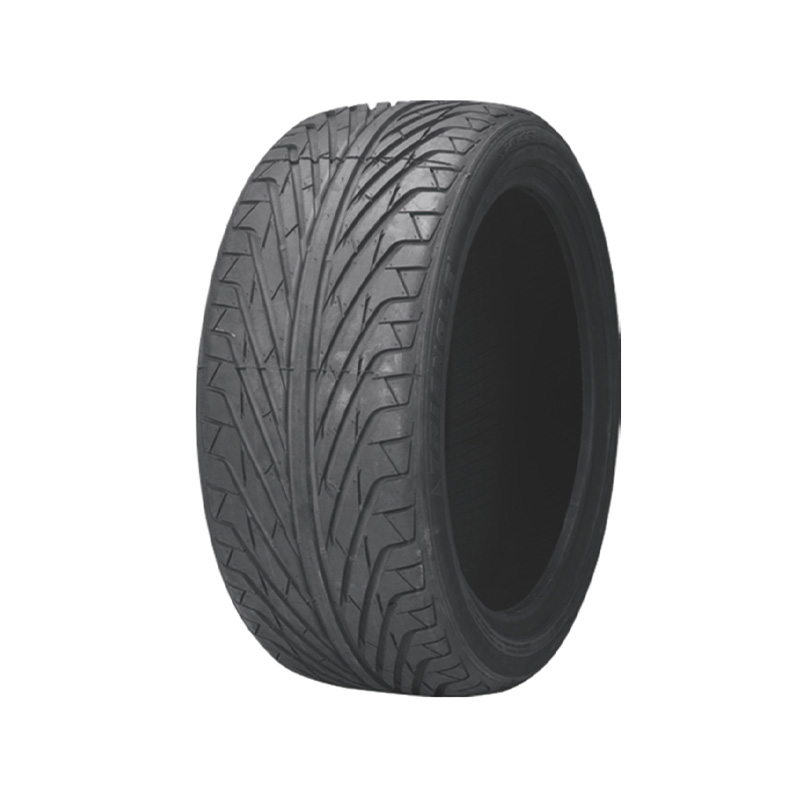
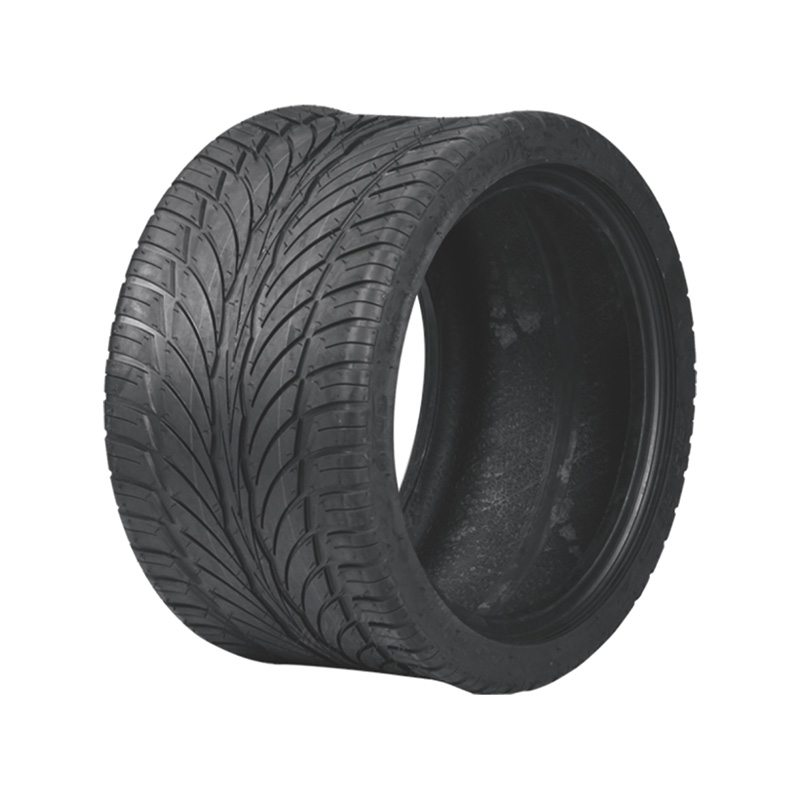
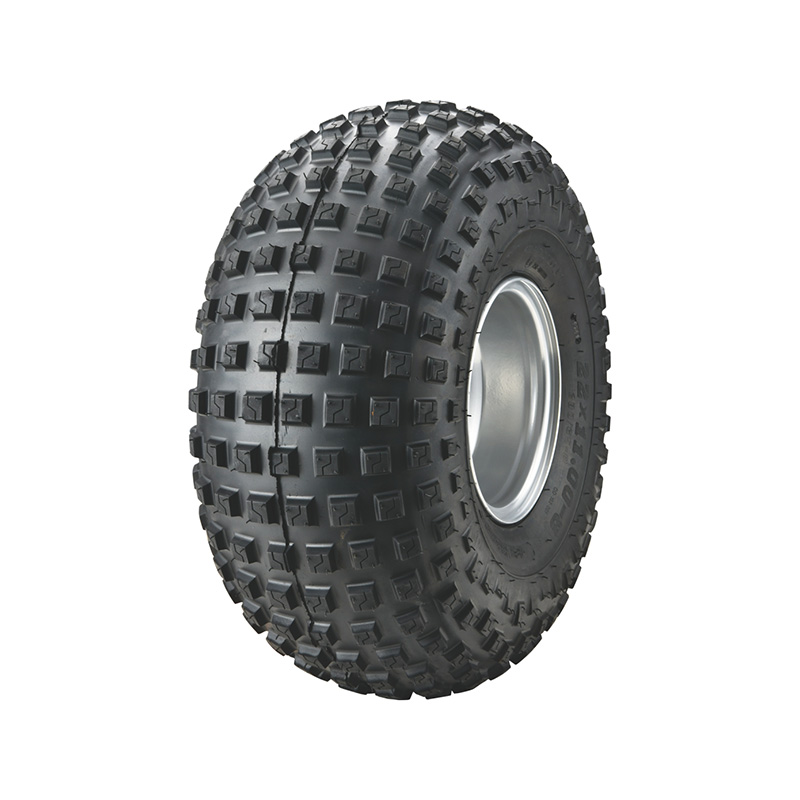
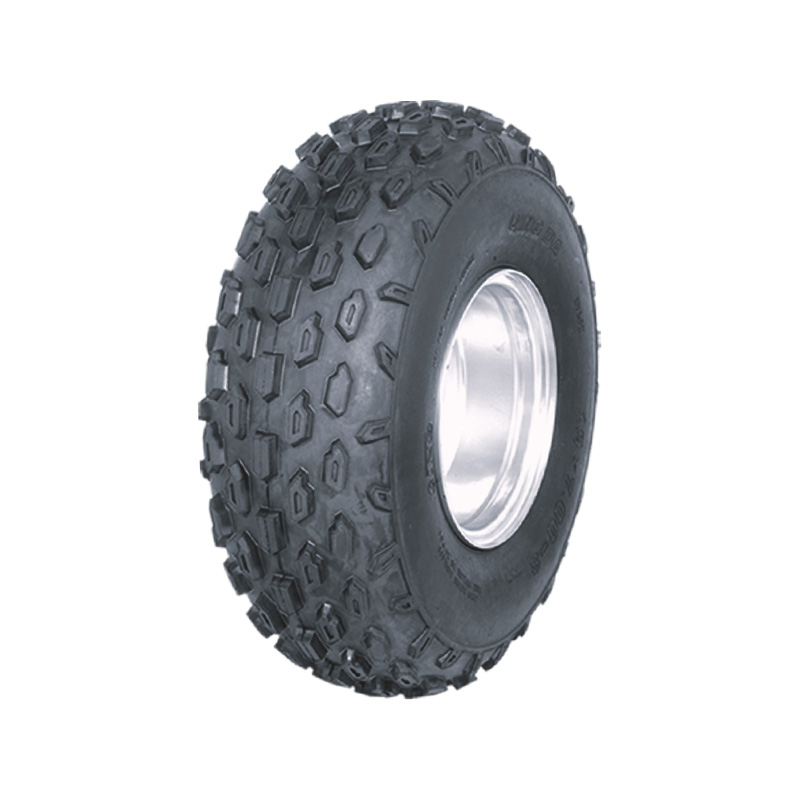
Industrial tyres are designed for machines that carry, move, lift, or transport heavy materials across factories, warehouses, ports, construction areas, and other working sites. Unlike passenger vehicle tyres, they are developed around load support, traction, stability, and resistance to demanding working conditions. Their structure depends heavily on the type of machine and the surface where it operates.
The production of Industrial Tyres starts with rubber compound development. Different applications require different combinations of hardness, flexibility, grip, and resistance to cutting or abrasion.
A forklift working on smooth concrete may use a compound designed for controlled movement and stable contact. Equipment operating outdoors may require a tread compound that handles rough surfaces and sharp debris. For specialized industrial areas, manufacturers can also develop compounds suited to particular temperature or floor conditions.
The compound is mixed before moving into the forming and curing stages. During production, temperature, pressure, and molding conditions influence the final shape and physical characteristics of the tyre.
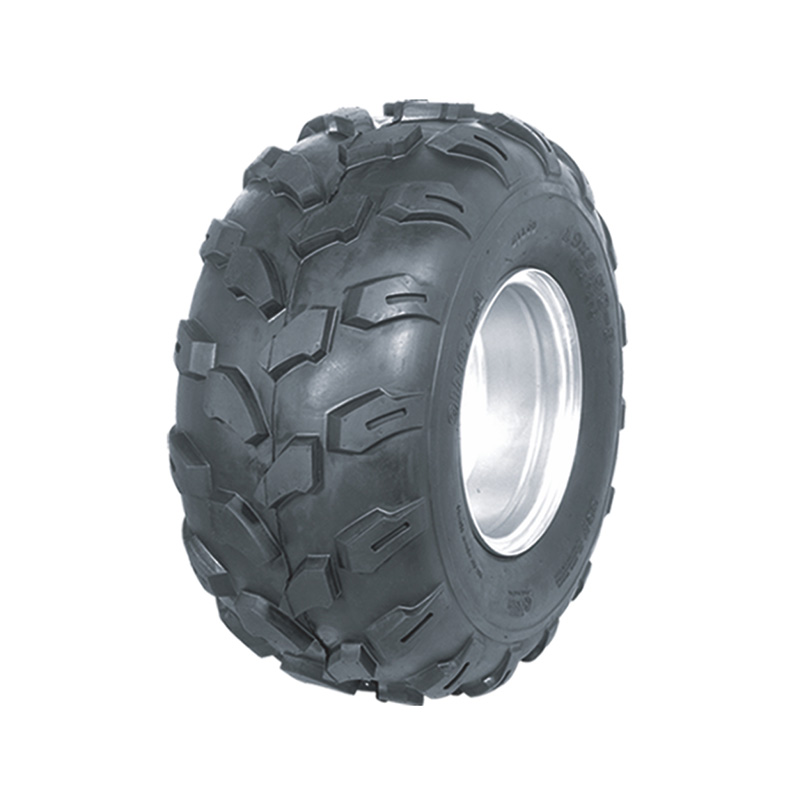
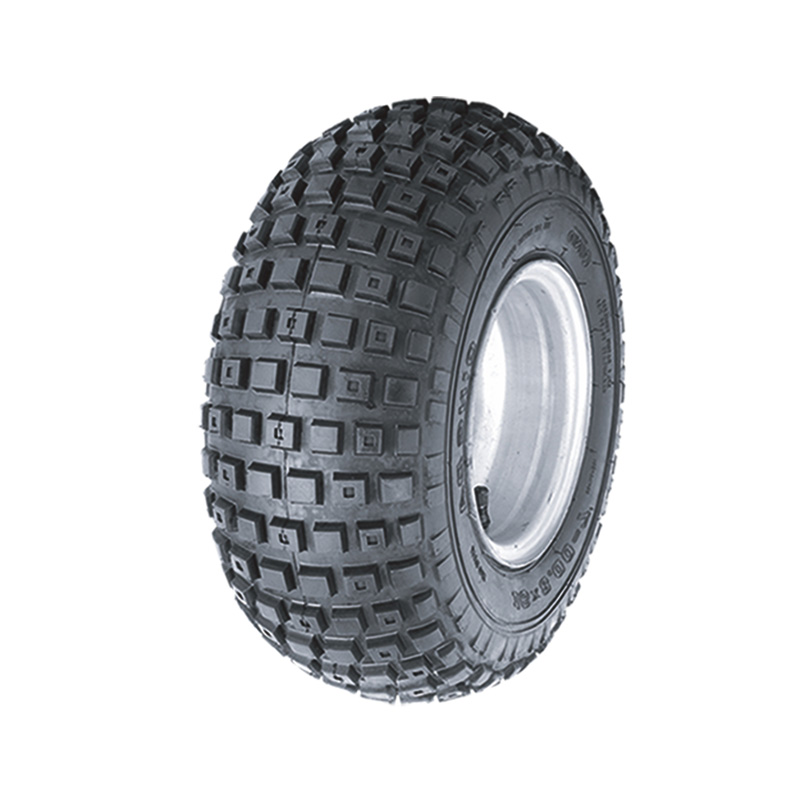
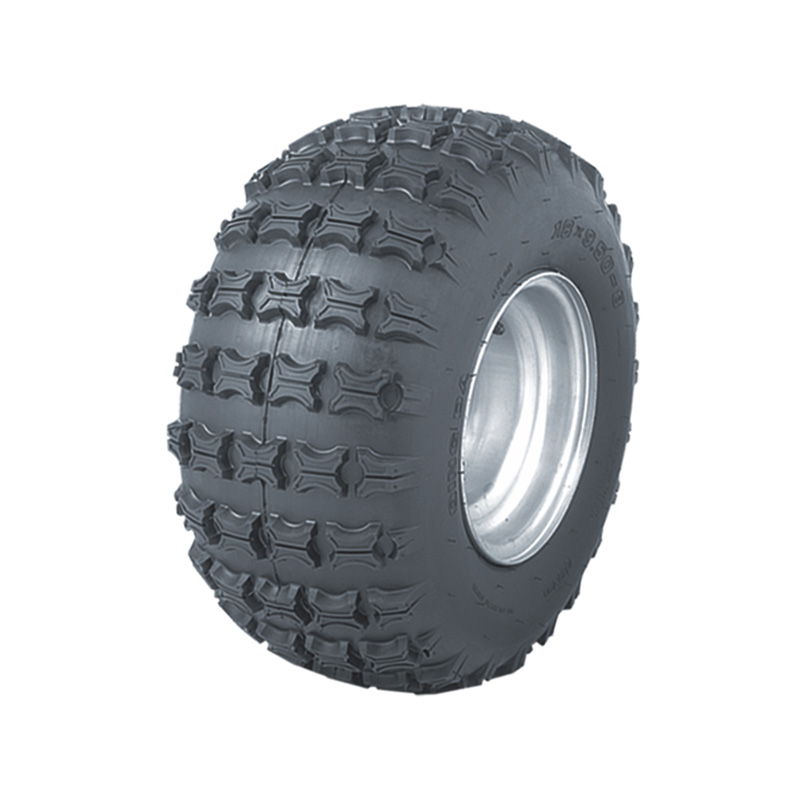
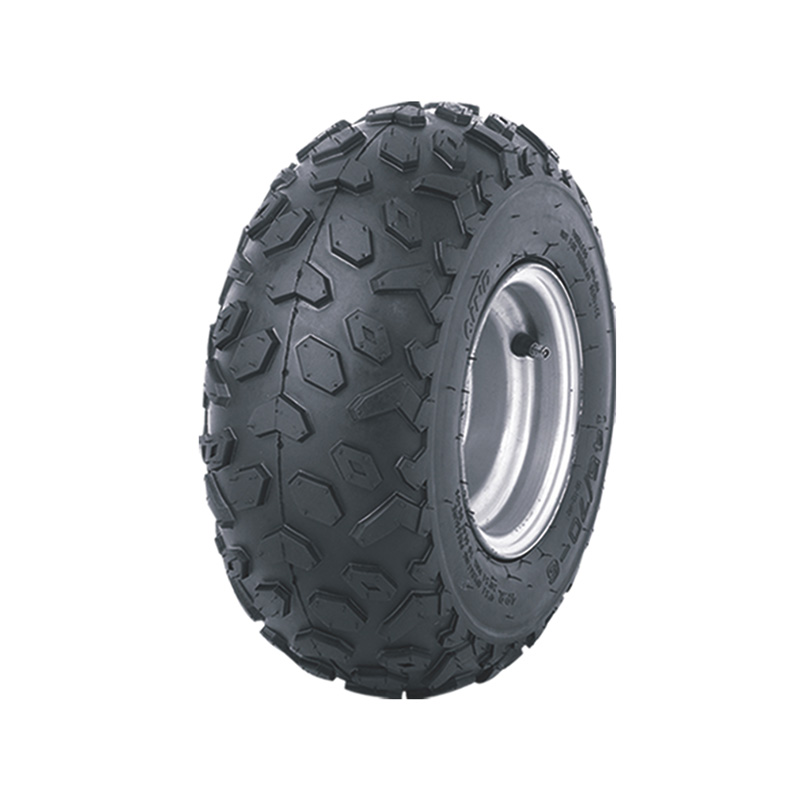
Tread design is another important part of Industrial Tyres manufacturing. A tyre used inside a warehouse does not face the same surface conditions as a loader working on a construction site.
Warehouse tyres often use tread patterns designed for smooth floors and repeated turning. Construction equipment can require deeper patterns that provide additional contact on uneven ground. Port equipment may operate across concrete, asphalt, and other surfaces, creating a different set of traction requirements.
This is why tread geometry is not simply an appearance feature. Groove depth, block arrangement, shoulder shape, and contact area can influence how the tyre interacts with the machine and ground.
Industrial Tyres are available in several structural forms, including solid, pneumatic, cushion, and other specialized designs.
Solid tyres contain dense rubber instead of an air chamber. This construction makes them suitable for forklifts and industrial vehicles working around sharp debris or demanding factory conditions. Cushion tyres are also common on certain indoor material-handling machines, particularly where compact dimensions and smooth floors are involved.
Pneumatic Industrial Tyres contain air and provide a different combination of cushioning and traction. They are commonly used on equipment that travels across uneven outdoor surfaces, where some degree of shock absorption can be useful.
After rubber preparation, the tyre components are shaped and assembled according to the selected construction. Steel elements, rubber layers, tread components, and reinforcement materials can form part of the production process depending on the tyre design.
Molding gives the tyre its final dimensions and tread pattern. Heat and pressure are applied during curing so the rubber develops the required structure. Industrial tyre production therefore combines material formulation, mechanical forming, reinforcement placement, and controlled curing.
For larger tyres, dimensional consistency becomes particularly important because the tyre interacts directly with heavy equipment and substantial loads.
Forklifts remain a major application for Industrial Tyres, especially in warehouses, manufacturing plants, logistics centers, and loading areas. Other applications include pallet trucks, reach trucks, loaders, telehandlers, airport equipment, port machinery, and construction machines.
Each machine creates a different tyre requirement. A compact warehouse vehicle may prioritize maneuverability and floor contact, while a construction machine may need deeper tread and stronger resistance to cuts and impacts.
Have any question ?