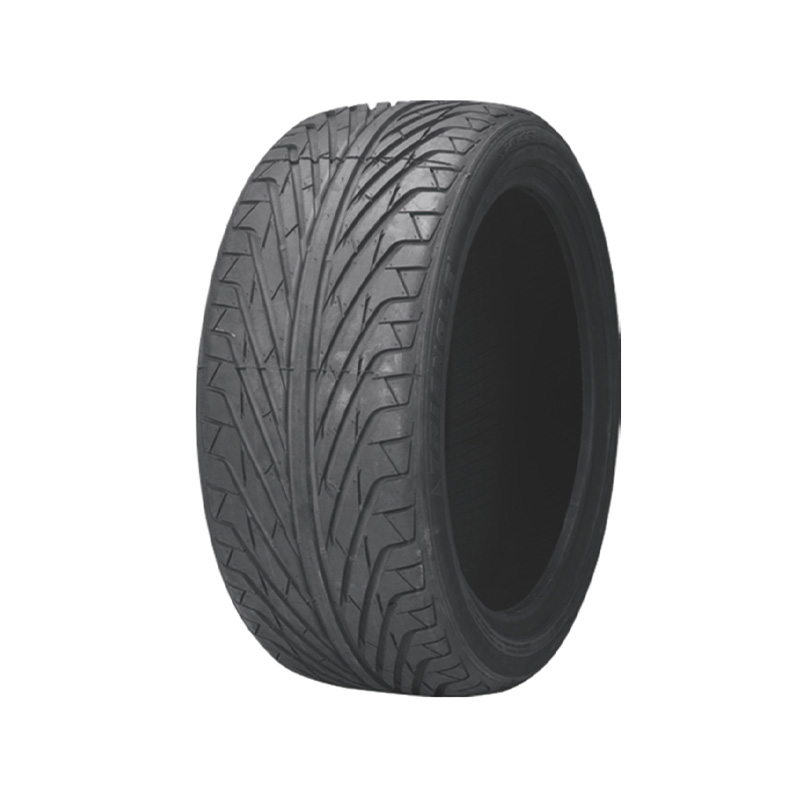
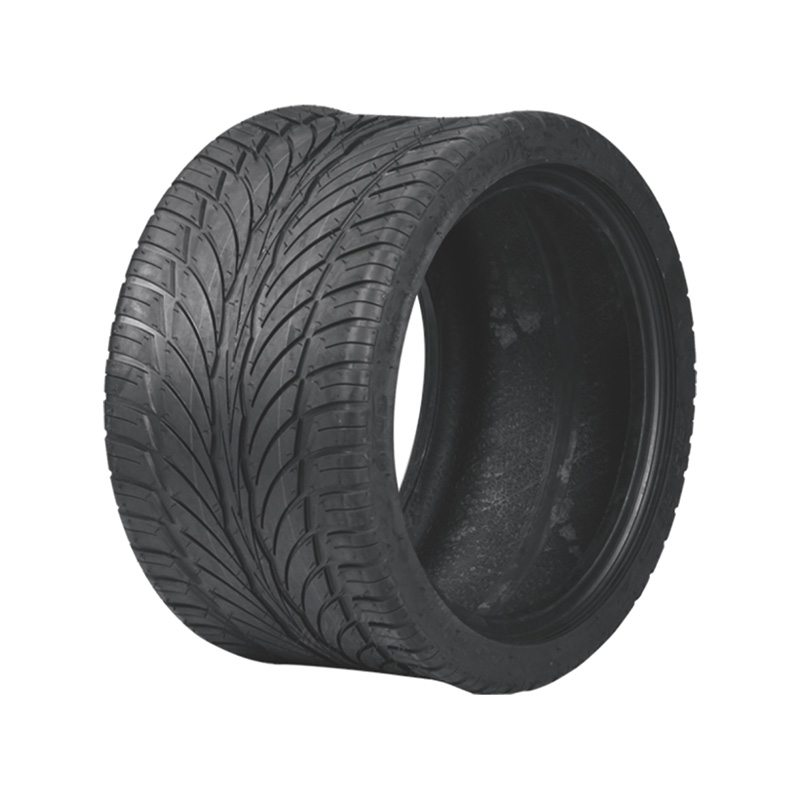
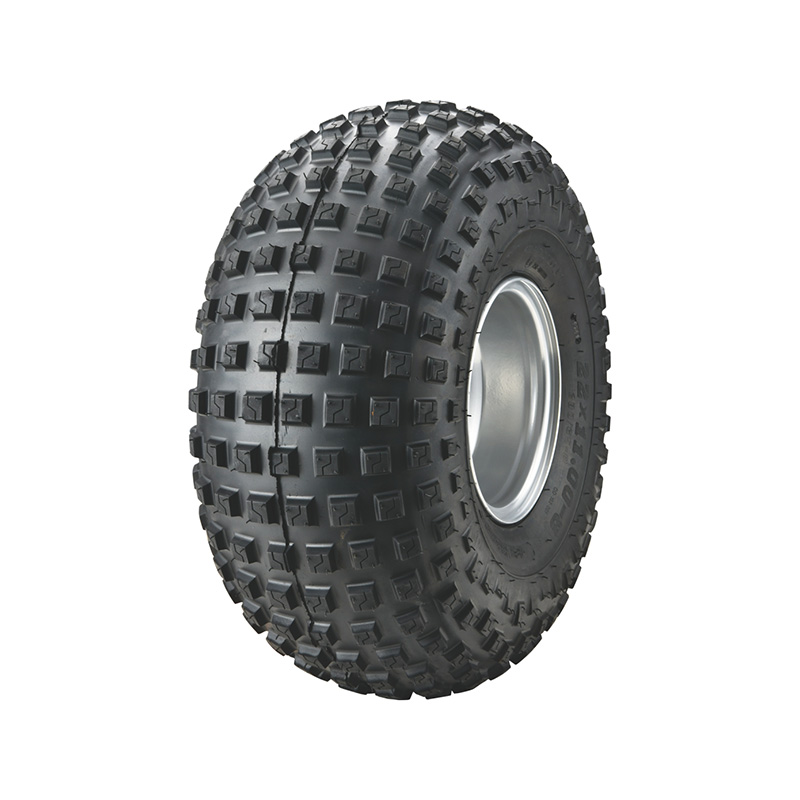
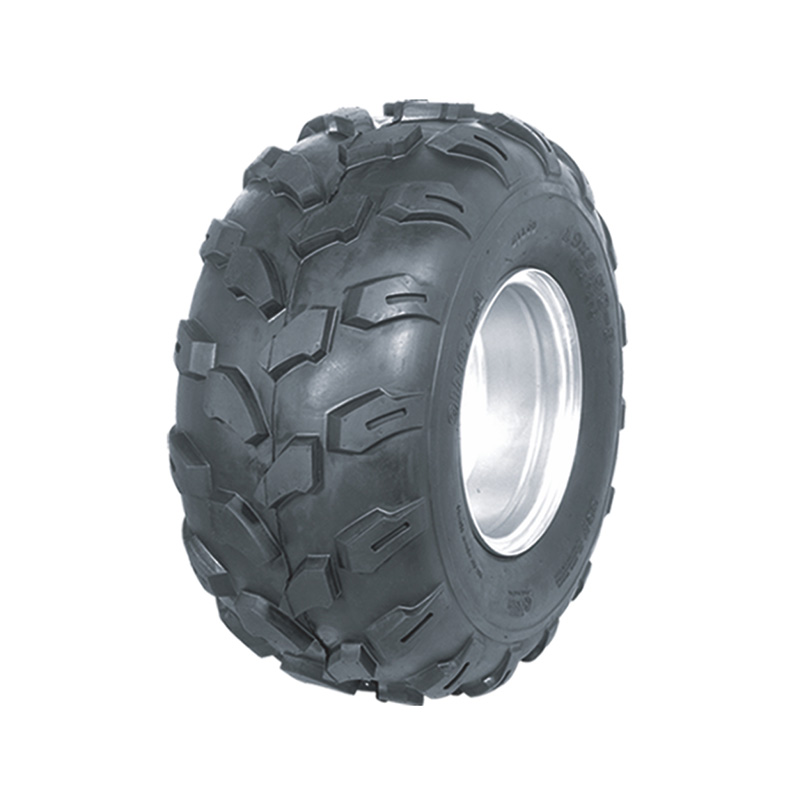
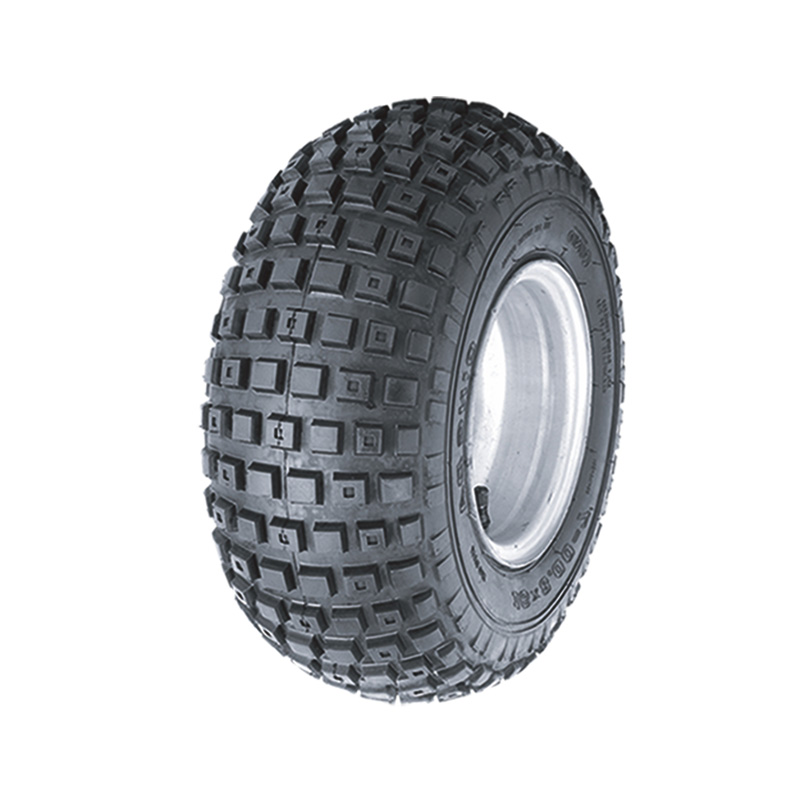
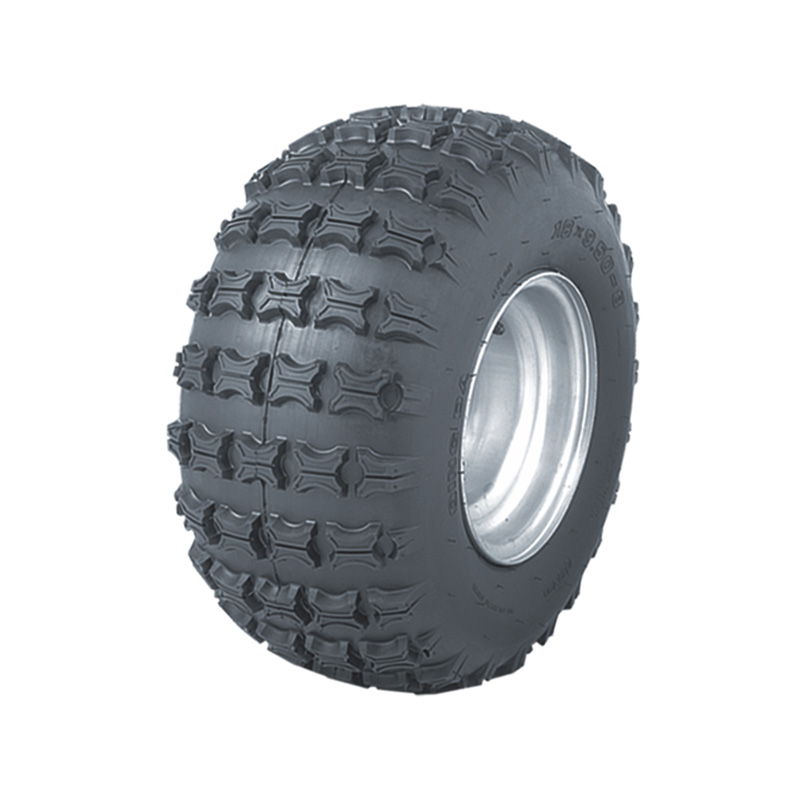
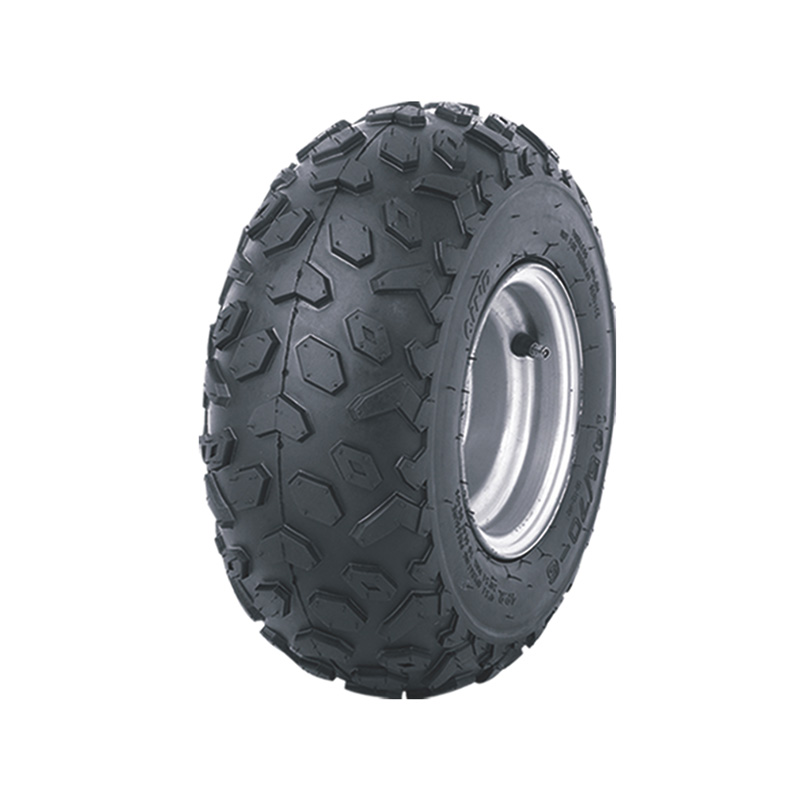
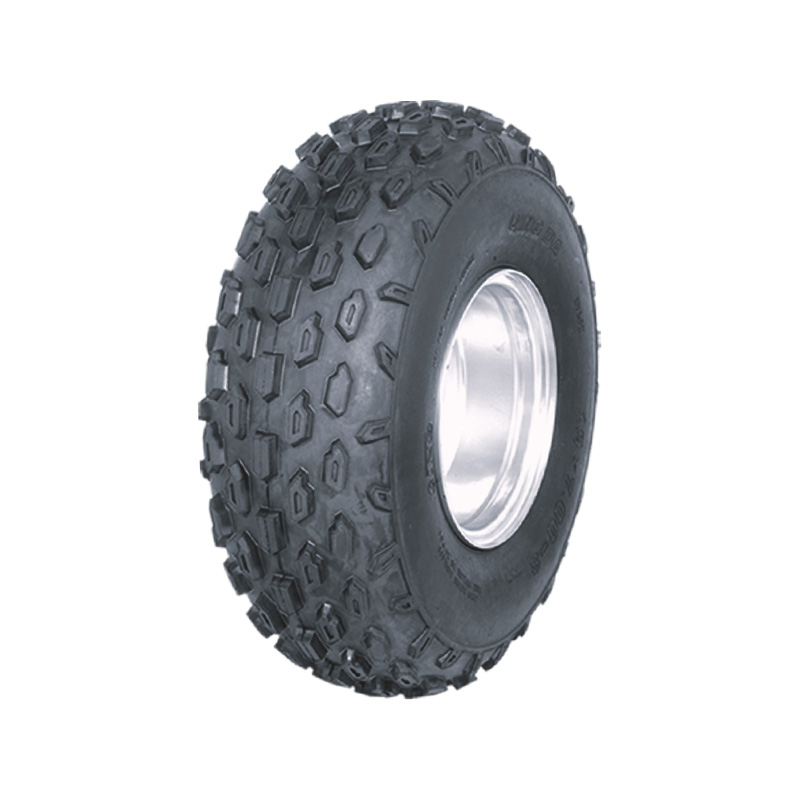
Motorcycle tires form a direct connection between the machine and the surface below. Riders depend on these components for balance during turns, acceleration, and stops across city streets, highways, and occasional trails. The design elements in these tires contribute to how a bike responds in everyday situations.
Motorcycle tires come in forms suited to specific riding patterns. Street-focused versions often feature smoother profiles with grooves that channel water away during damp conditions. These help maintain contact on paved routes where commuters travel regularly between home and work.
Touring styles emphasize even wear across longer distances. Their tread arrangements support steady handling when carrying additional loads from luggage or passengers. Riders on extended trips notice how these tires provide consistent feedback through the bars.
Sport-oriented tires typically include compounds and patterns that respond to quicker inputs. The rounded shoulders allow lean angles in corners, giving riders a sense of connection during twisty sections of road. Off-road variants stand apart with deeper blocks that engage loose ground, helping bikes navigate dirt paths or light trails.
A notable aspect of motorcycle tires involves dedicated designs for each wheel position. Front tires generally carry narrower profiles to aid steering precision and braking. Their curvature supports quick direction changes while keeping the bike stable under load transfer.
Rear tires often present wider contact patches to manage drive force and acceleration. This setup distributes wear in a way that aligns with the power delivery from the engine. Mixing positions can alter the bike's behavior noticeably, so riders pay attention to markings that indicate intended placement.
This list outlines basic distinctions observed in many setups. Actual performance ties to the full vehicle configuration and riding style.
Tread design plays a part in how tires interact with various surfaces. Highway patterns use continuous ribs for reduced noise and even rolling on long stretches. Mixed-use treads incorporate blocks and sipes that provide additional edges when the road turns rough or wet.
In urban environments, tires with frequent grooves handle stops at traffic lights and quick lane shifts. On highways, the same tires contribute to stability at sustained speeds. For those venturing onto unpaved areas, knobbier patterns dig in to maintain forward progress through sand or gravel.
A brief overview of common categories appears below:
| Category | Tread Style | Typical Route Focus | Handling Note |
| Street/Road | Grooved ribs | Paved city and highway | Steady on smooth surfaces |
| Sport | Softer compounds, rounded | Curves and responsive roads | Quick lean feedback |
| Dual Sport | Mixed blocks and grooves | Pavement with occasional dirt | Versatile transition |
| Off-Road | Prominent knobs | Trails and loose terrain | Grip on uneven ground |
Such tables help illustrate general approaches without prescribing specific choices. Selection aligns with the routes a rider encounters regularly.
Size compatibility remains important, with common dimensions ranging across scooter styles to larger adventure bikes. Ply constructions affect sidewall stiffness, which in turn influences how the tire absorbs bumps or holds shape during leans. Tubeless designs simplify repairs on the road compared to versions requiring inner tubes.
Riders often consider seasonal changes, as temperatures affect rubber responsiveness. Warmer conditions may soften the material for better grip, while cooler weather calls for awareness of reduced flexibility. Regular route variety encourages choices that perform across multiple scenarios rather than one narrow focus.
Motorcycle tires continue to support the full spectrum of two-wheeled travel. From daily commutes through urban grids to weekend explorations on winding paths, their designs address the unique demands of leaning vehicles. Riders gain from understanding these elements as they build miles and experiences on their bikes. The ongoing development in tread and construction keeps options open for various preferences and conditions encountered along the way.
Have any question ?