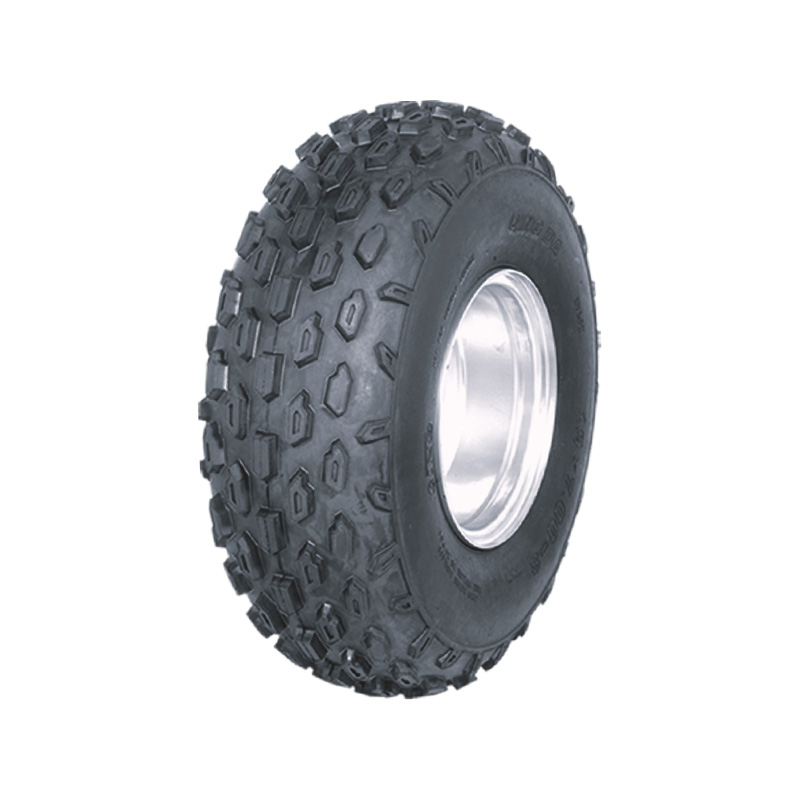
Lawn mower tyres sit at an odd crossroads in the parts world. They're small enough to seem like an afterthought next to engines or blades, yet they carry weight, absorb shock on uneven ground, and determine whether a mower tracks straight or drifts sideways on a slope. For OEM and ODM buyers, this makes tyre selection less about grabbing whatever's on the shelf and more about matching rubber compound, tread depth, and rim compatibility to the exact machine being built.
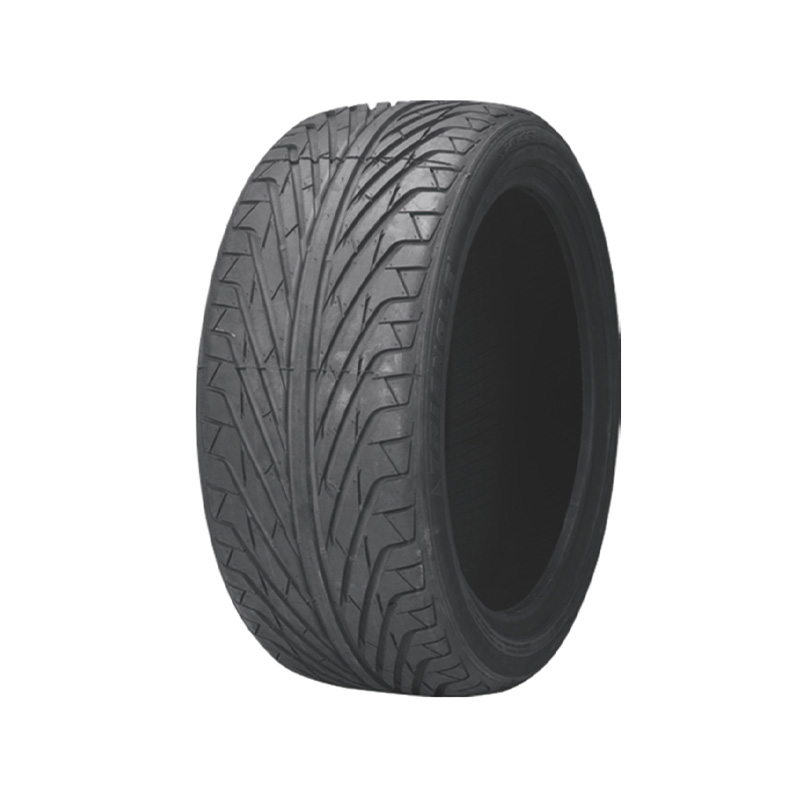
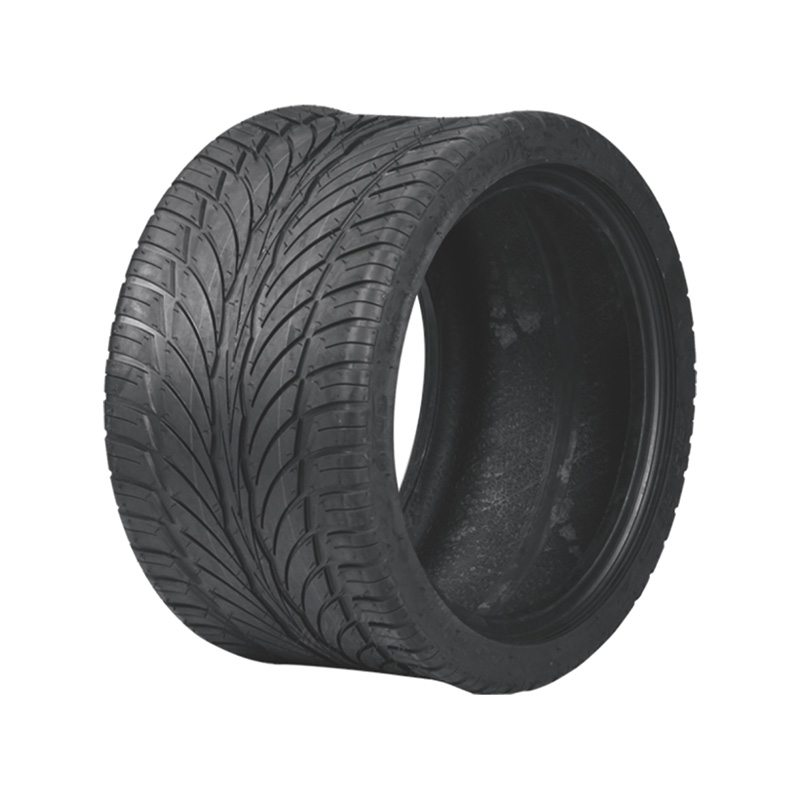
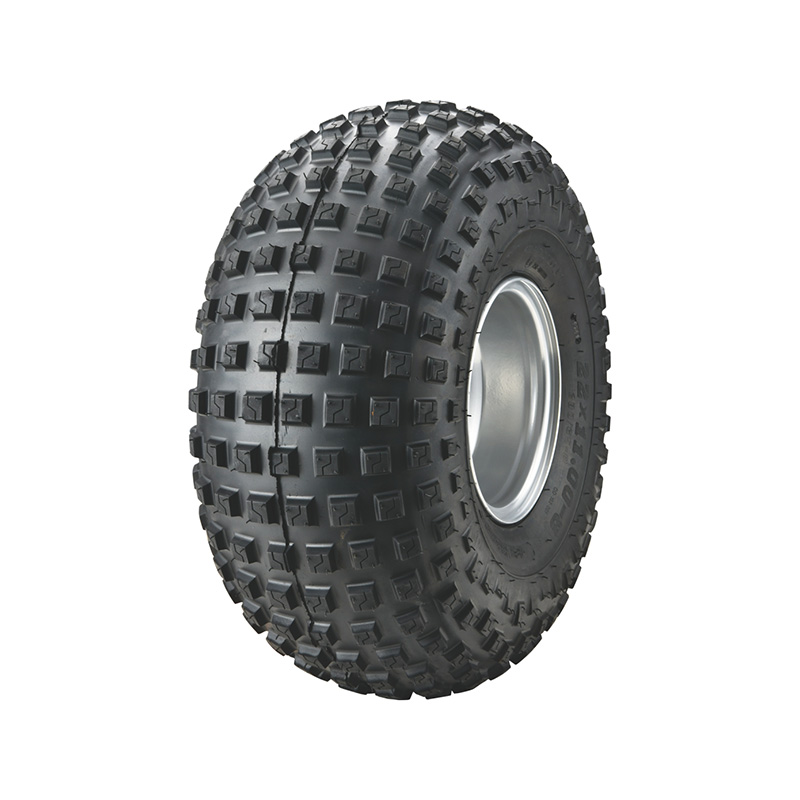
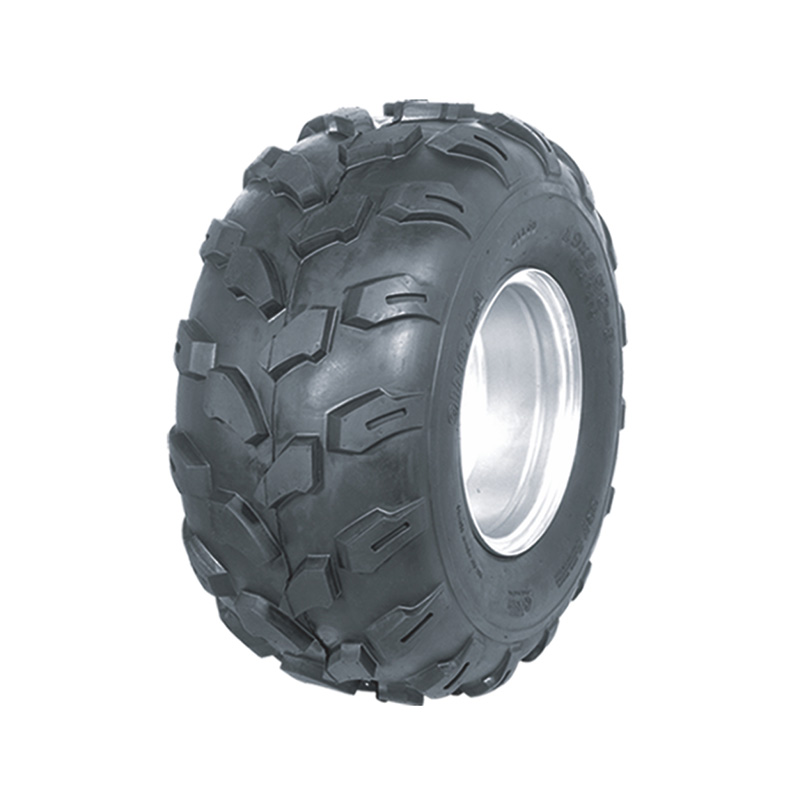
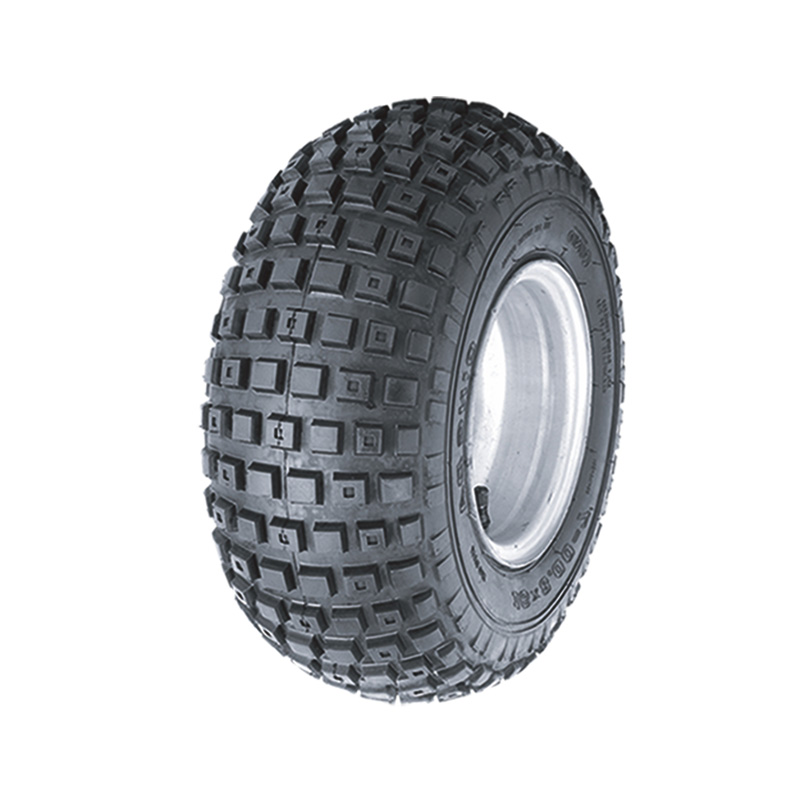
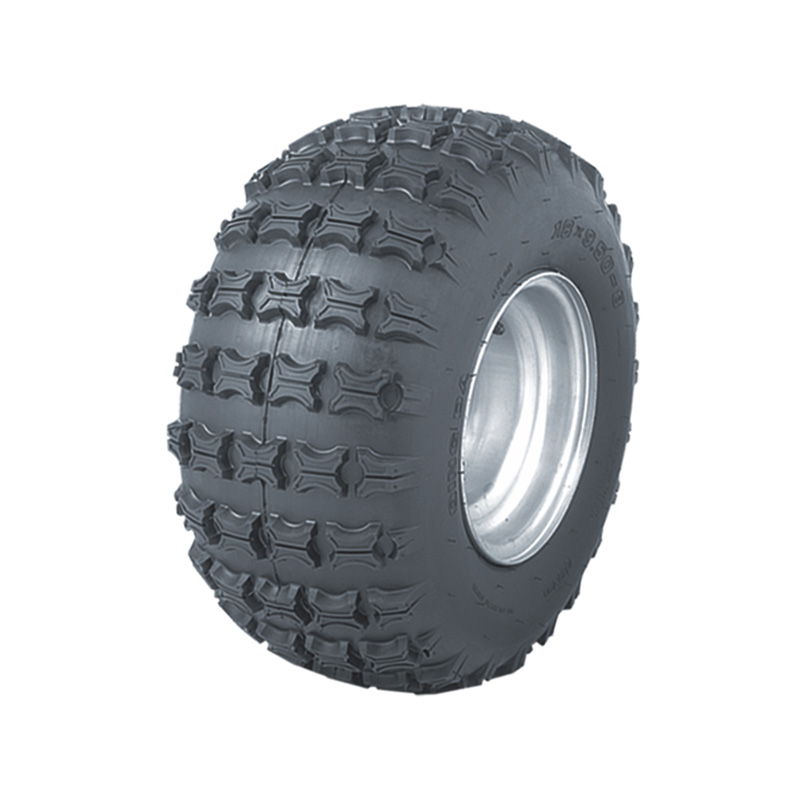
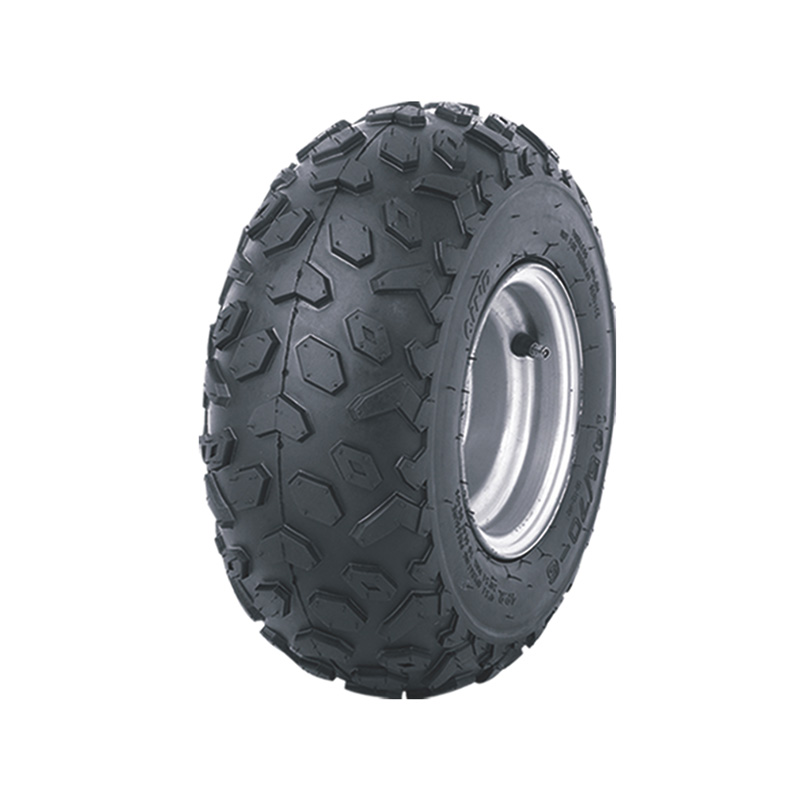
Look closely at a tyre's tread and you're really looking at a design decision. Ribbed patterns, common on front tyres, are built to reduce steering resistance and keep a mower rolling smoothly across flat, mowed lawns. Turf-style treads, with their tighter, shallower lugs, are meant to distribute weight without tearing up grass — a priority for residential and commercial landscaping equipment alike. Then there are aggressive, deep-lug patterns designed for rear-wheel drive tyres that need traction on slopes, damp grass, or loose soil.
A distributor sourcing for multiple mower categories often needs all three types in inventory, sometimes for the same customer. Riding mowers, zero-turn units, and walk-behind models don't share tread requirements, even when their tyre diameters look similar on paper.
Compound matters just as much as tread. Softer rubber compounds grip better on wet or sloped terrain but wear down faster under repeated use. Harder compounds last longer but can lose traction when the ground gets slick. Buyers building specs for commercial-grade mowers — the kind used by landscaping crews running machines for hours at a stretch — tend to lean toward compounds that balance durability with enough flex to absorb vibration.
This is where sample requests become useful conversations rather than formalities. A supplier who can walk a buyer through compound options, rather than just quoting a single spec sheet, tends to build longer-term relationships with OEM clients who value flexibility.
Even experienced buyers occasionally underestimate how much rim compatibility affects the final product. A tyre that fits a rim loosely can shift under load, causing uneven wear or vibration that traces back not to the tyre itself but to a mismatched pairing.
A few sizing factors worth flagging during sourcing conversations:
None of these are dealbreakers on their own, but stacking two or three mismatches tends to surface as customer complaints months after a mower ships.
For wholesale buyers and OEM/ODM clients, lawn mower tyres are a small line item that carries outsized influence on how a finished machine performs. A landscaping company evaluating new equipment will notice if a mower struggles on a slight incline or leaves ruts in wet turf — and that experience often gets traced back to tyre choice, whether the manufacturer intended it or not.
Suppliers who can offer a range of tread styles, compound options, and rim-compatible sizing — and who can speak knowledgeably about how each choice plays out in real mowing conditions — tend to stand out in a category that's easy to overlook. It's a reminder that in equipment manufacturing, some of the consequential decisions happen in parts that rarely get a second glance.
Have any question ?