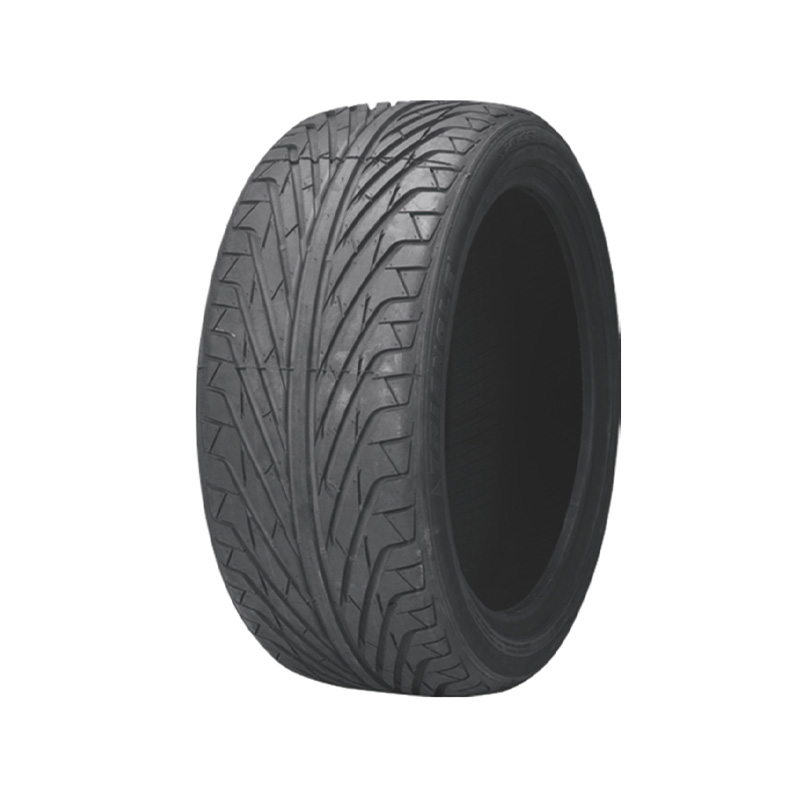
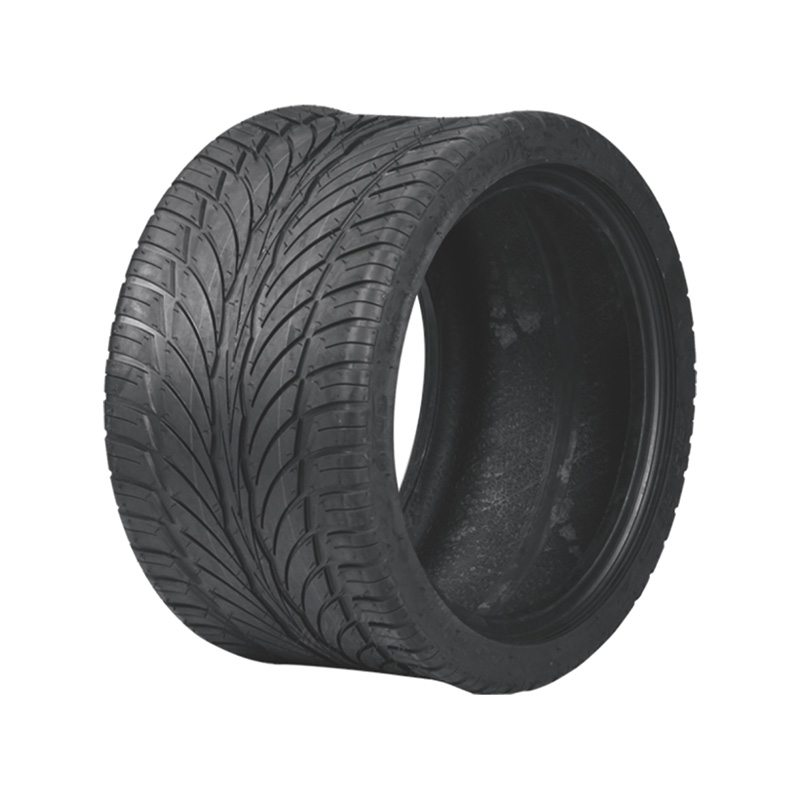
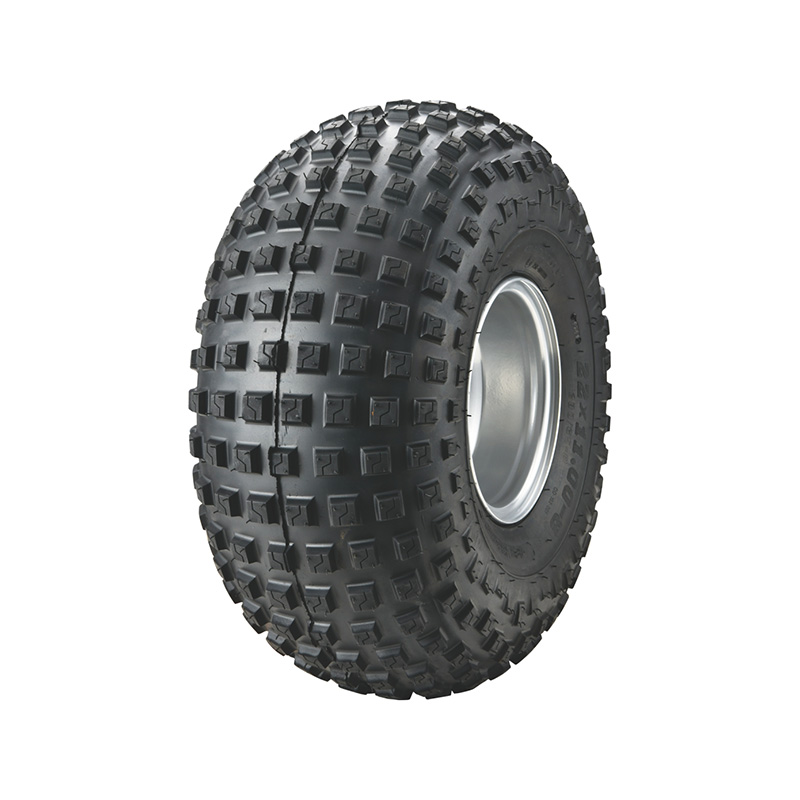
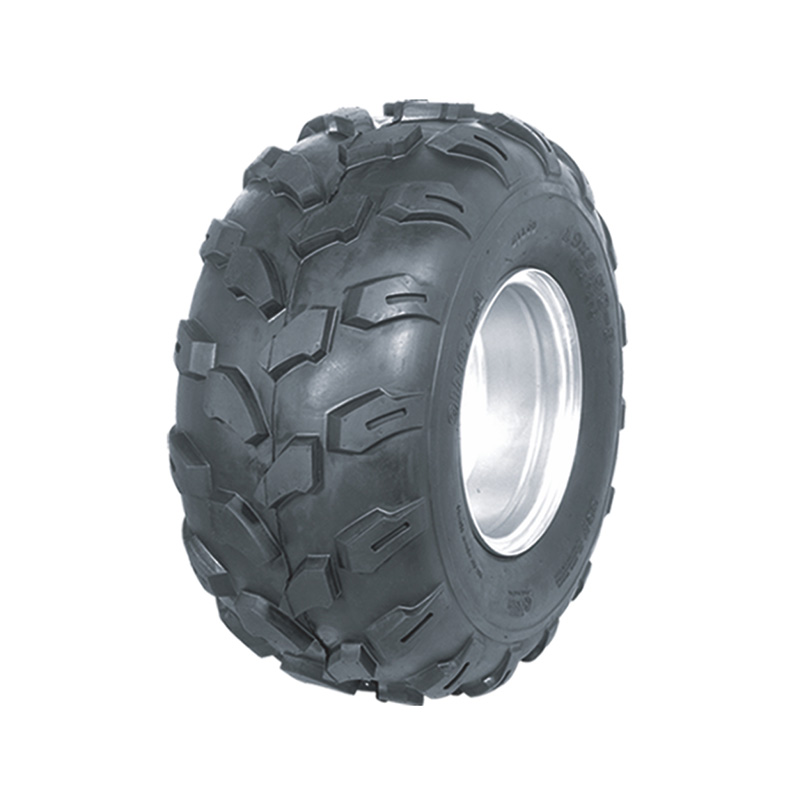
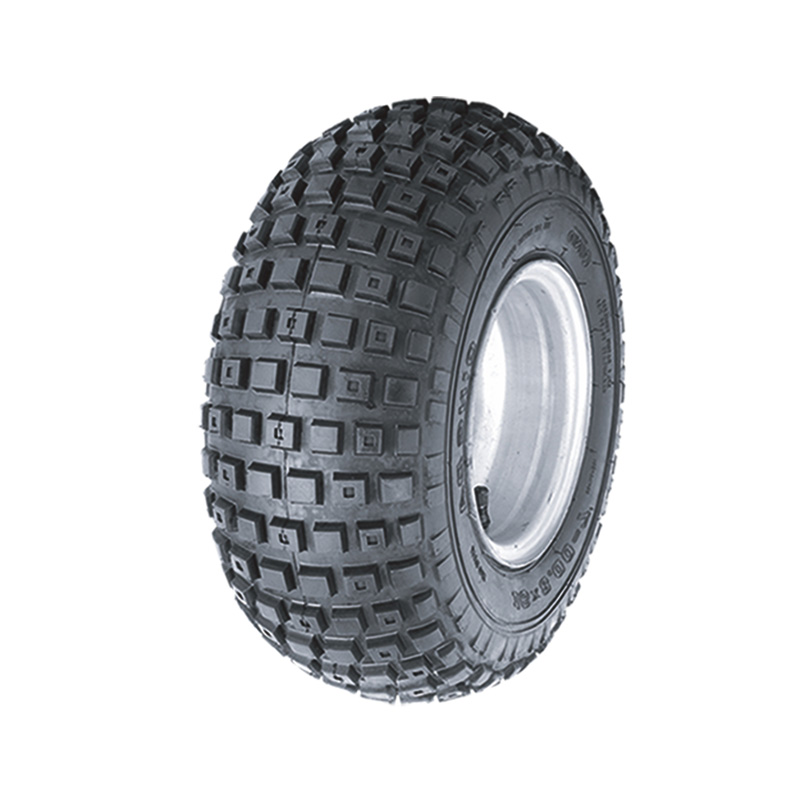
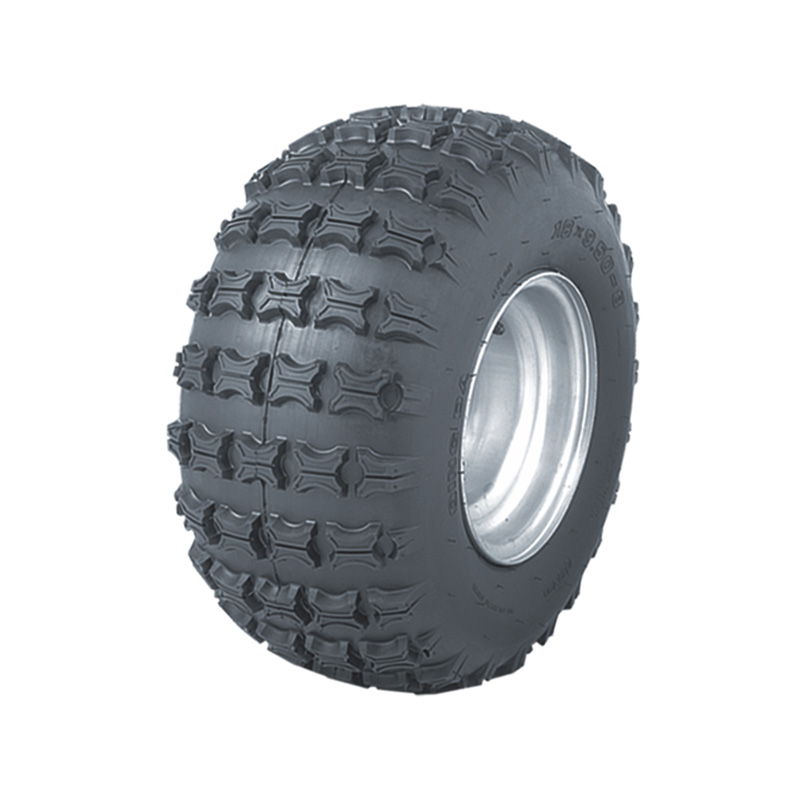
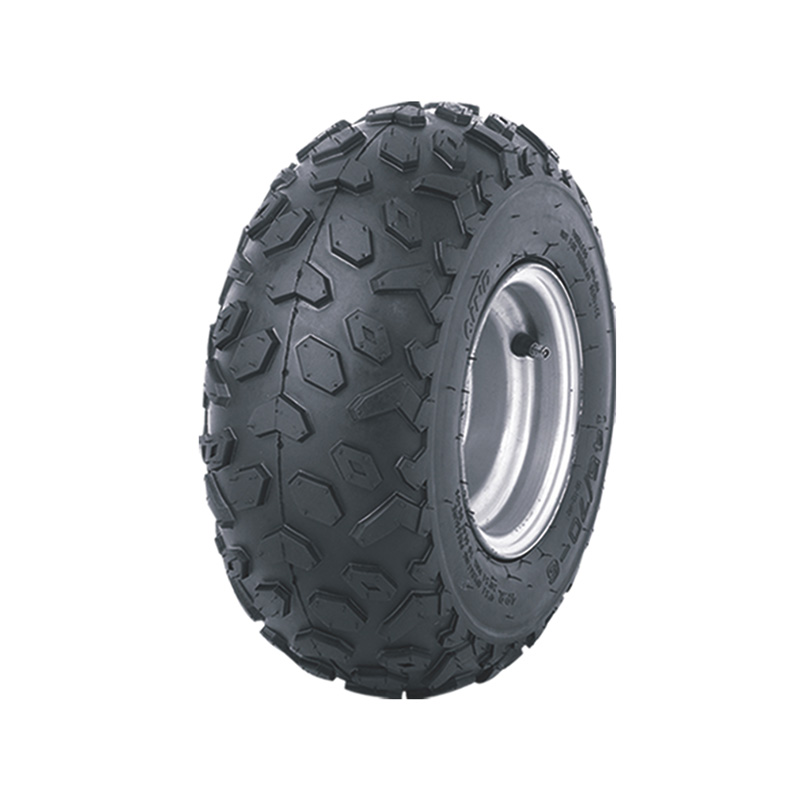
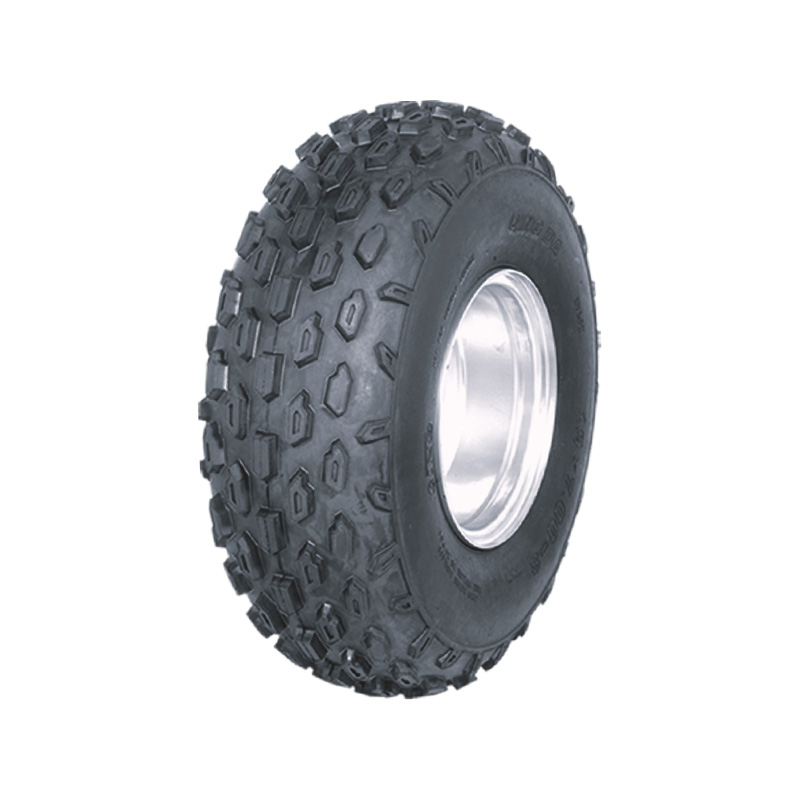
Utility task vehicles, sometimes called UTVs or side-by-sides, get used across farms, construction sites, hunting land, and municipal grounds crews. Because the terrain shifts so often within a single day of use, Utility Vehicle Tyres tend to aim for a balance rather than specializing hard in one direction. A tyre built purely for deep mud might struggle on hard-packed gravel, while one designed for pavement comfort could spin uselessly the moment the ground turns soft.
That balancing act shows up in tread design first. Mid-depth lugs spaced with moderate gaps tend to shed mud reasonably well without sacrificing too much contact area on firmer ground. Sidewall construction matters too, since a utility vehicle often carries cargo or tows equipment, adding load that the tyre needs to support without excessive flex.
Each of these settings puts a slightly different load and terrain profile on the tyre. A construction site might involve sharp debris that risks punctures, while a ranch operation cares more about long-distance comfort and tread longevity across repeated cycles.
Ply rating gives a rough sense of how much weight and stress a tyre can handle before it starts to flex excessively or risk damage. Utility vehicle tyres typically run in a lower ply range than heavy truck tyres, but still need enough structure to support cargo boxes, towed trailers, and the vehicle's own weight without bulging or losing shape under load.
Buyers sourcing tyres for OEM utility vehicle production or aftermarket distribution generally look at load index alongside ply rating, since the two numbers together give a clearer picture of what the tyre can carry safely across a working day. A tyre undersized for its application tends to wear unevenly and lose air pressure faster than one matched properly to the vehicle's typical load.
Picking between these options usually comes down to what percentage of the vehicle's working time happens off pavement. A grounds crew spending of its day on mowed lawns and paved paths doesn't need the same aggressive tread as a hunting vehicle crossing wet forest trails every weekend.
Utility vehicle tyres come matched to a range of rim diameters, generally smaller than what's used on full-size trucks but still varying enough that fitment needs checking against the specific vehicle model. Width also plays into how the tyre performs, since a wider footprint spreads weight over more surface area, which helps on soft ground but can add rolling resistance on firmer terrain.
Buyers developing tyre lines for utility vehicle manufacturers often need to match multiple rim sizes across a single tread pattern, since the same UTV platform frequently ships with different wheel packages depending on the trim level or intended use case.
Have any question ?