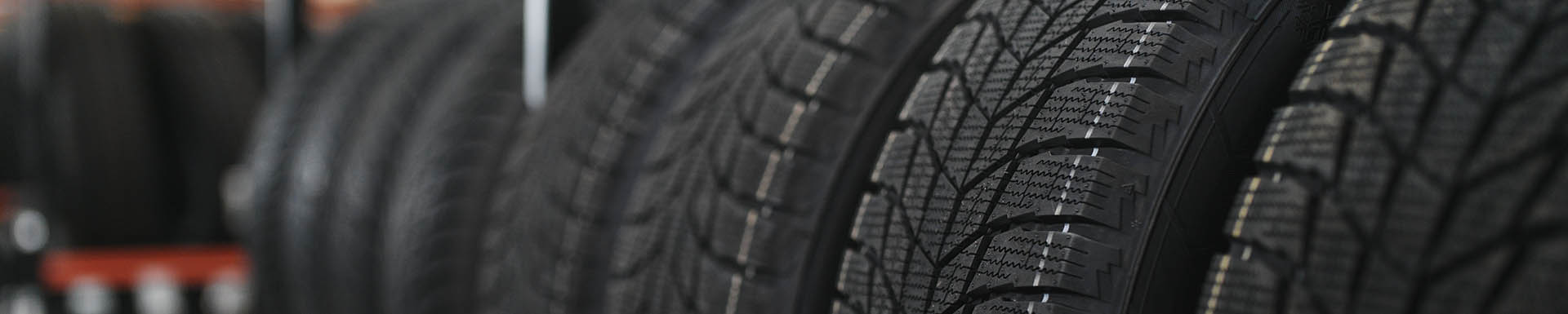
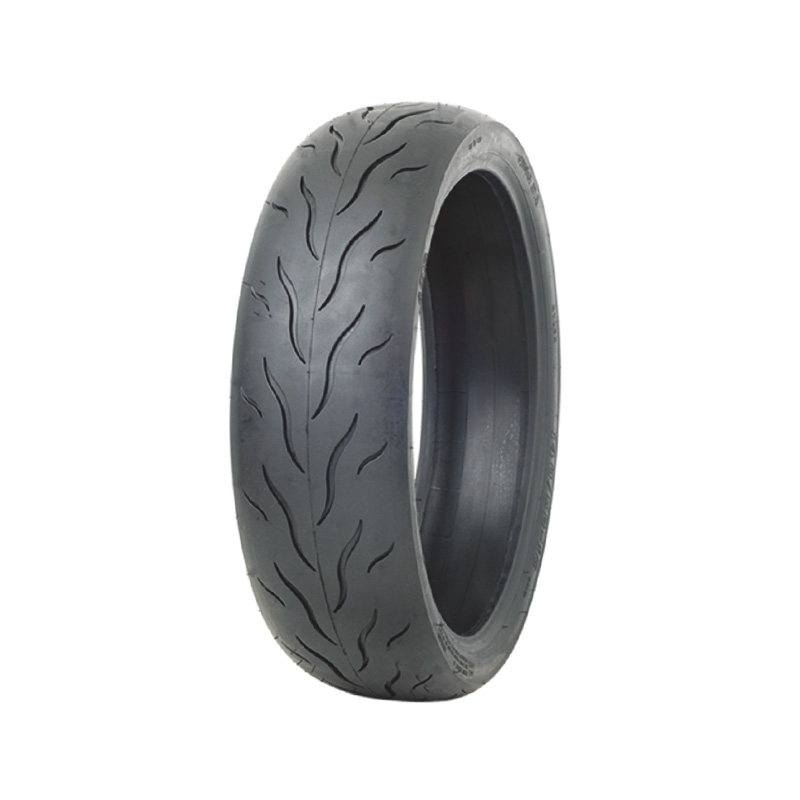
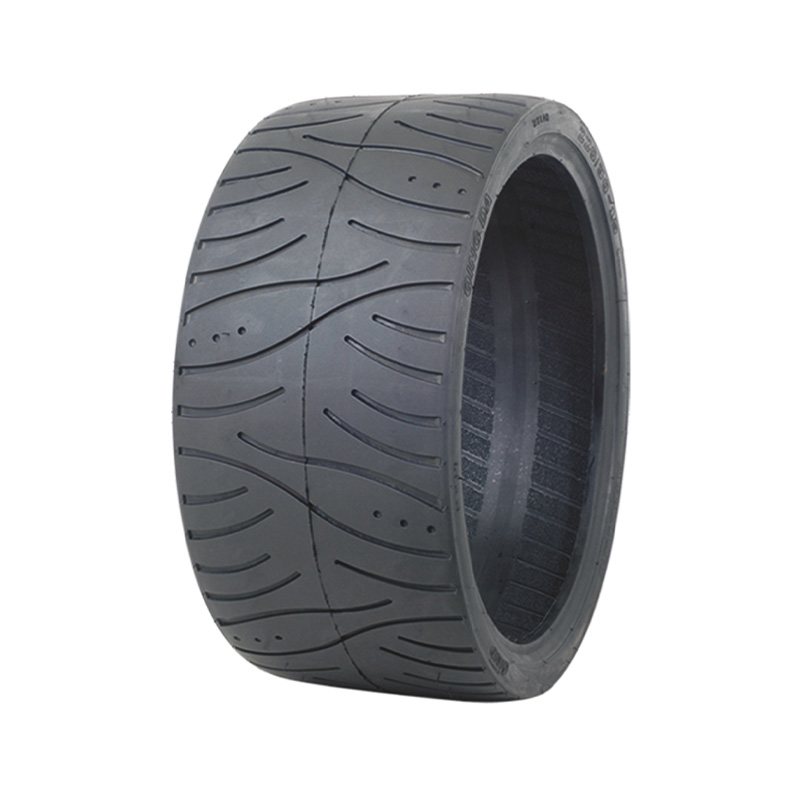
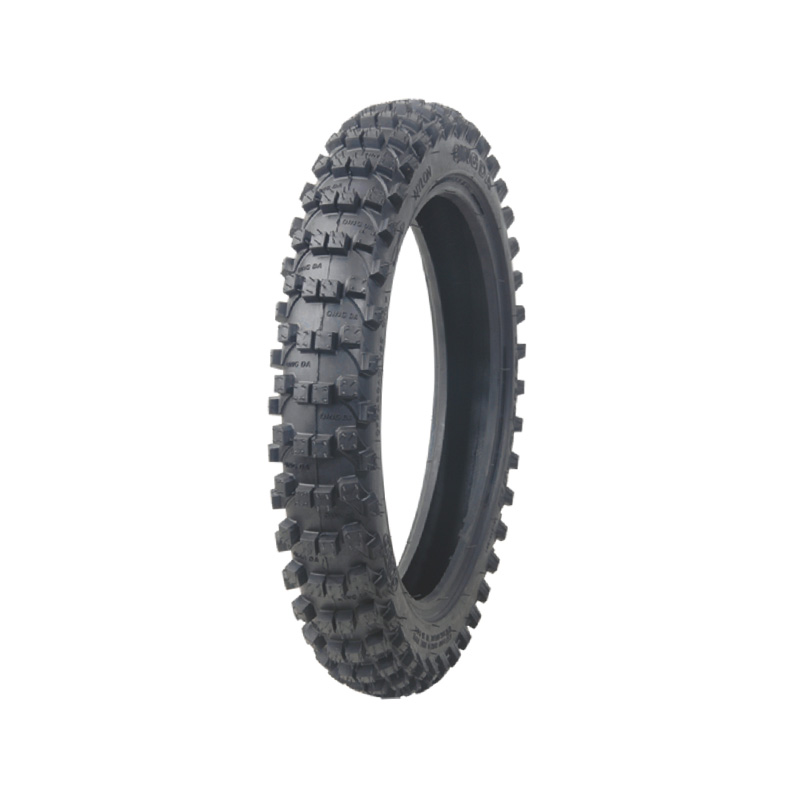
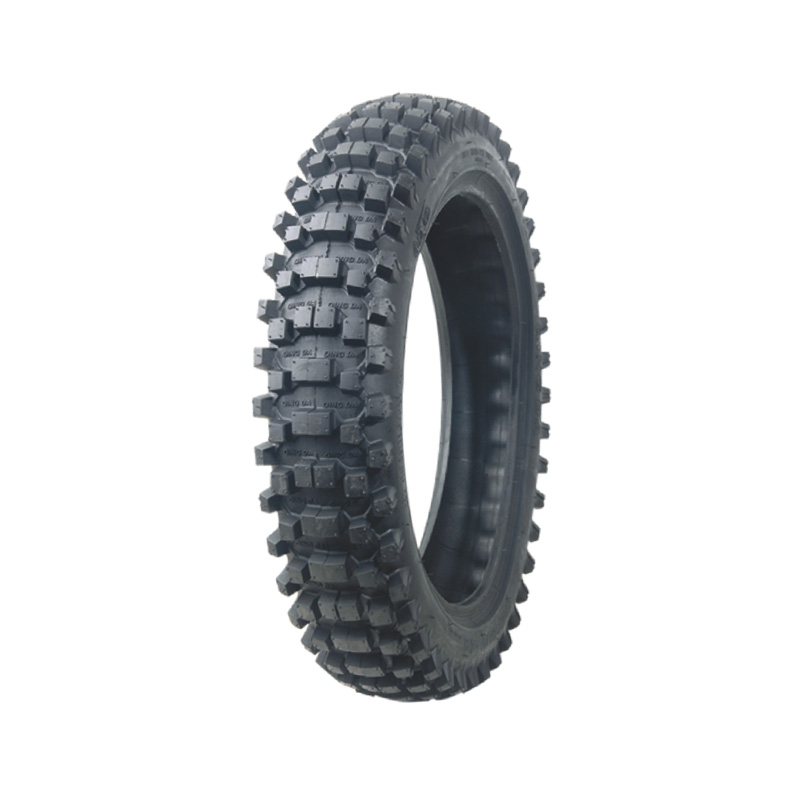
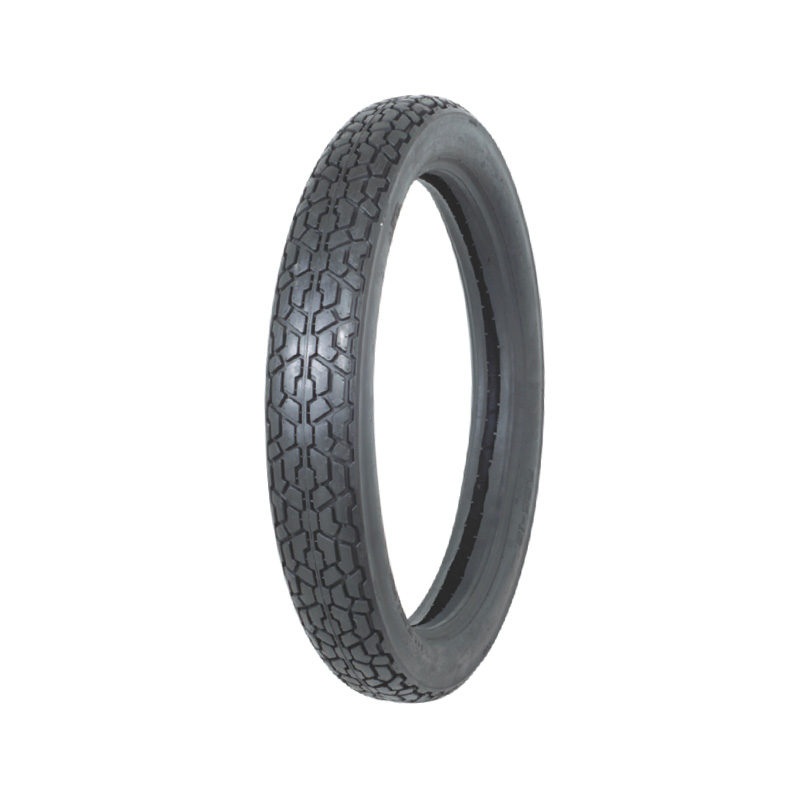
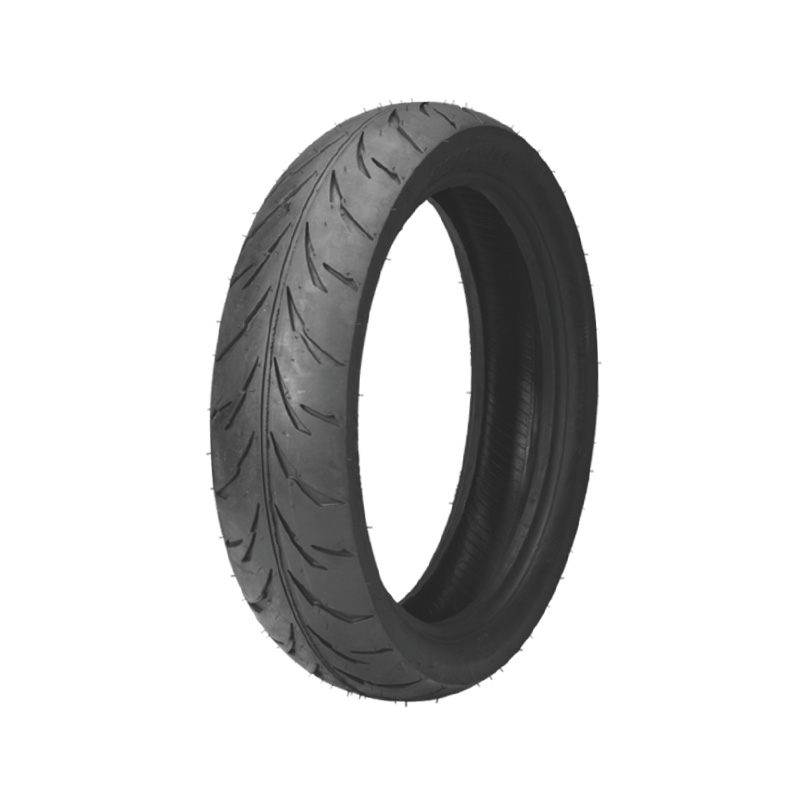
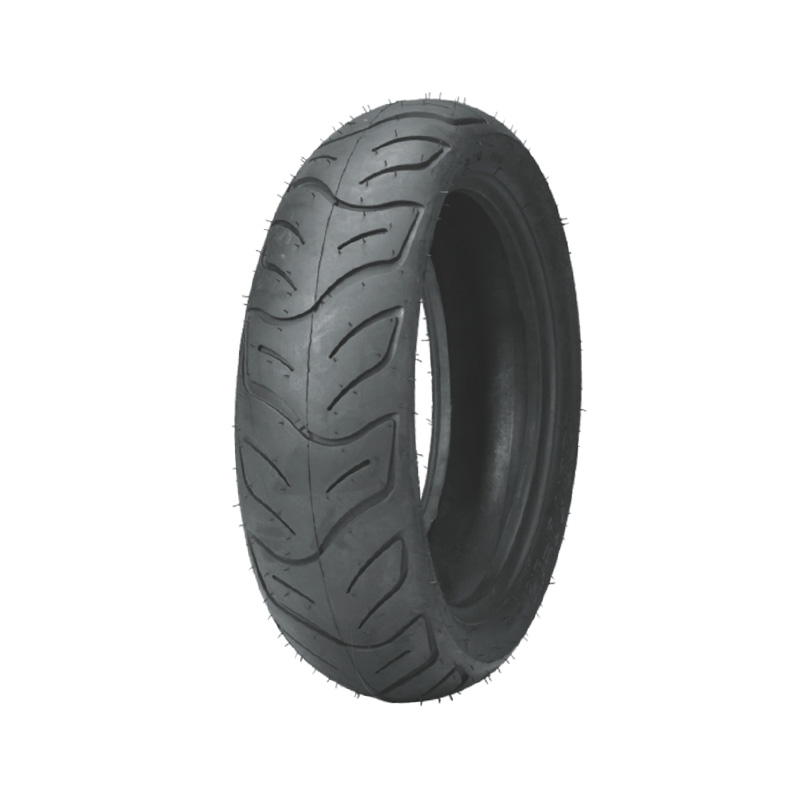
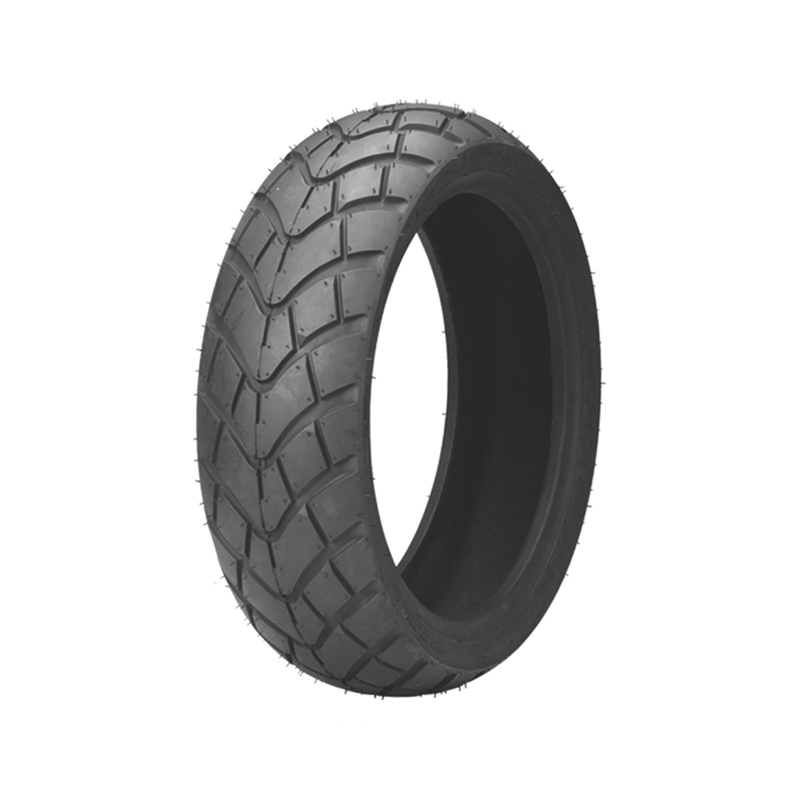
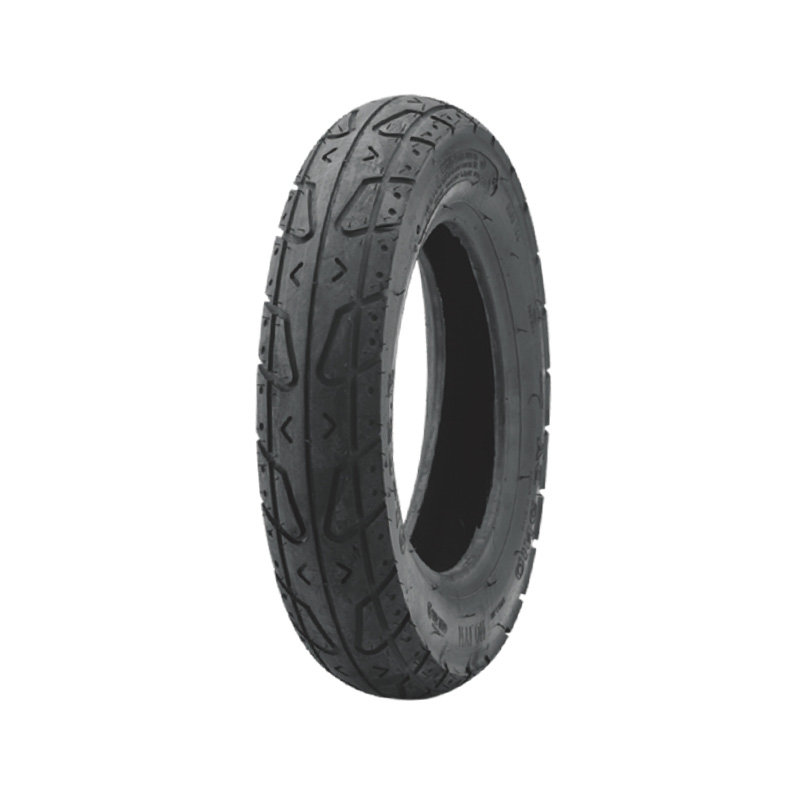
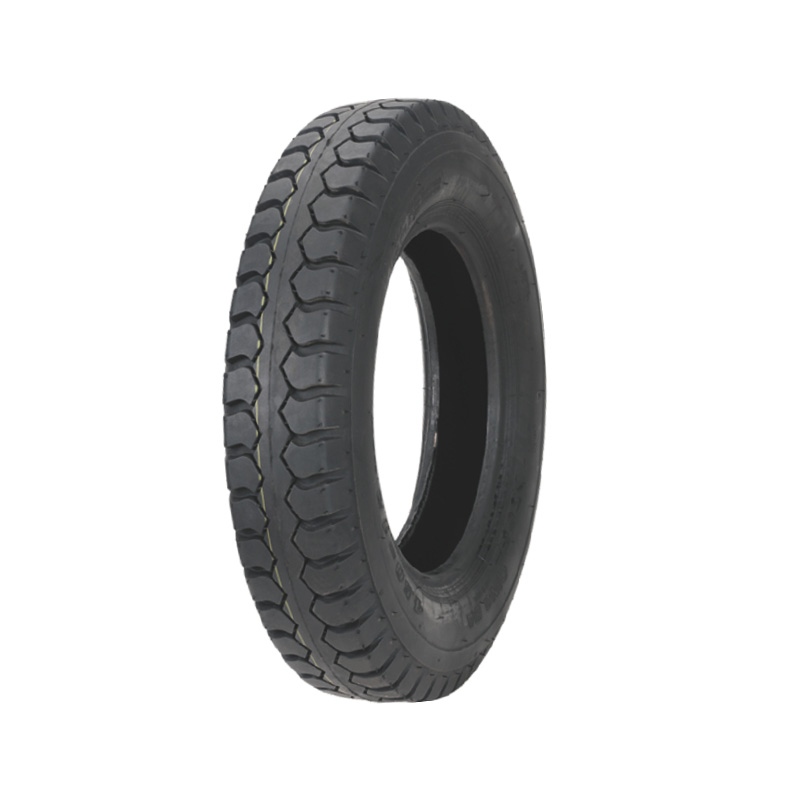
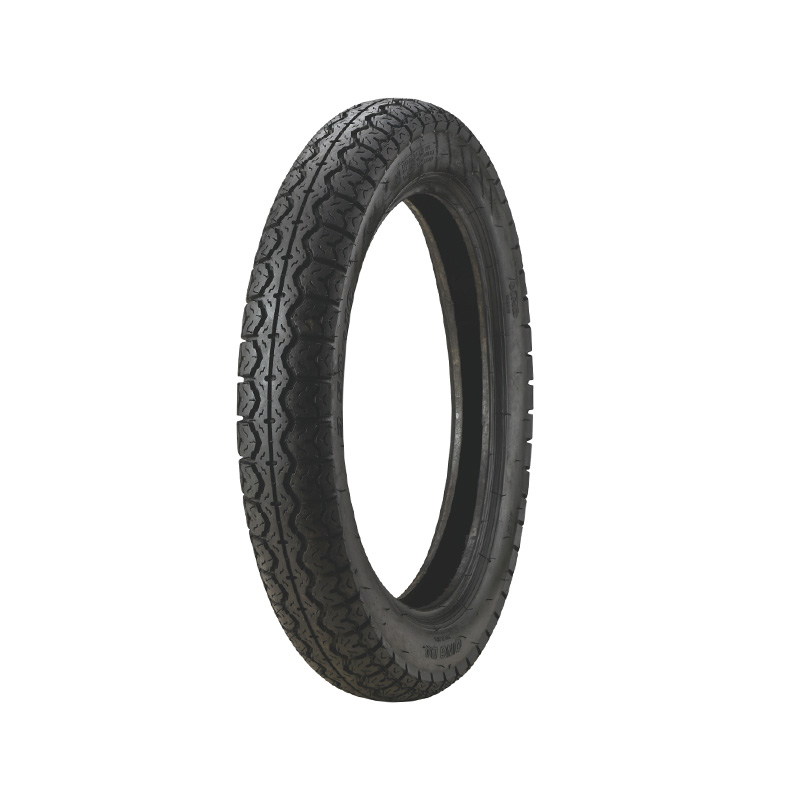
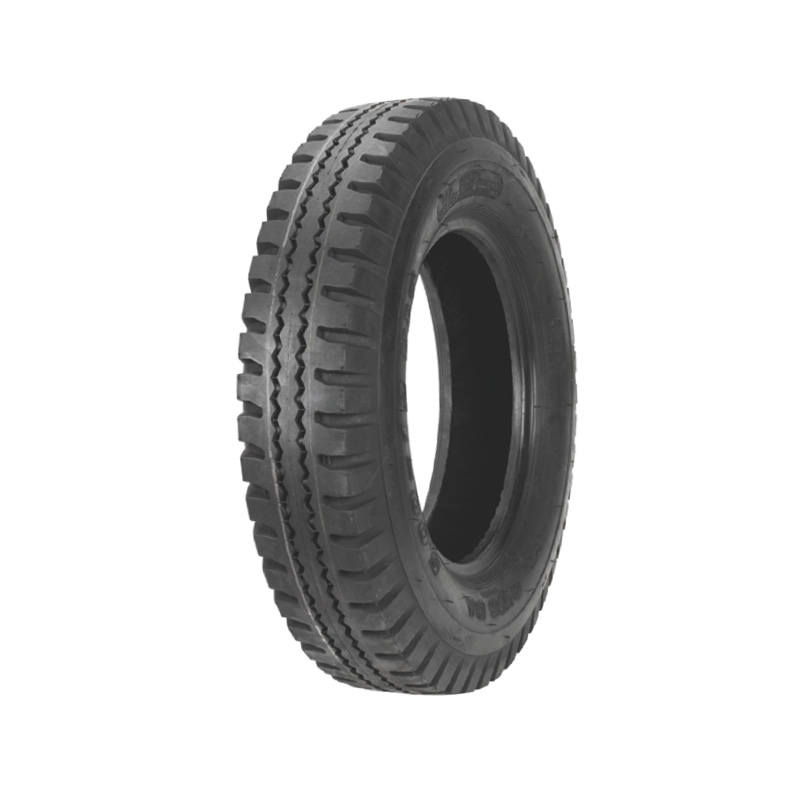
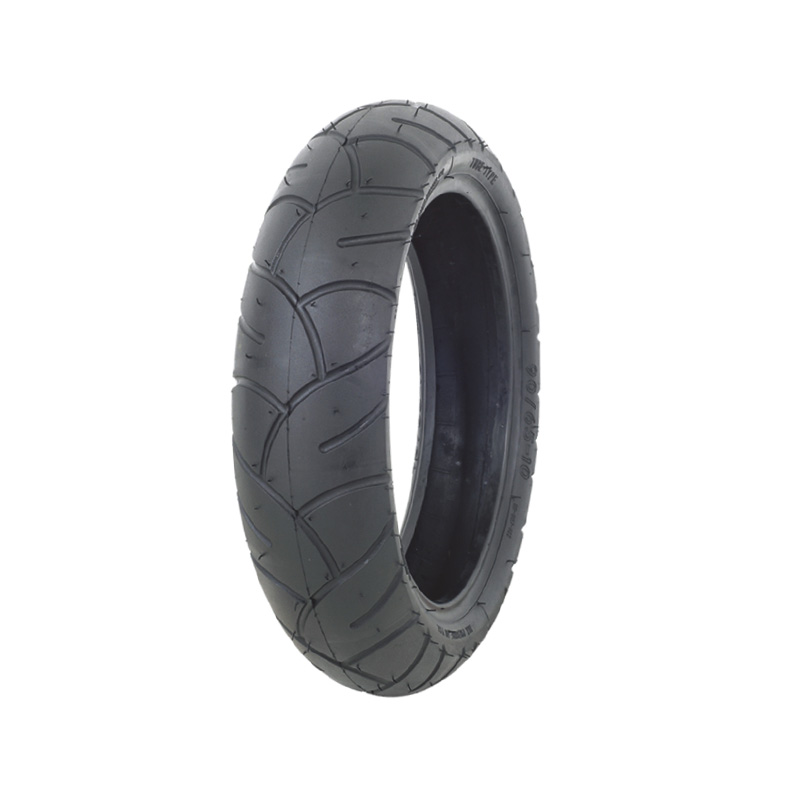
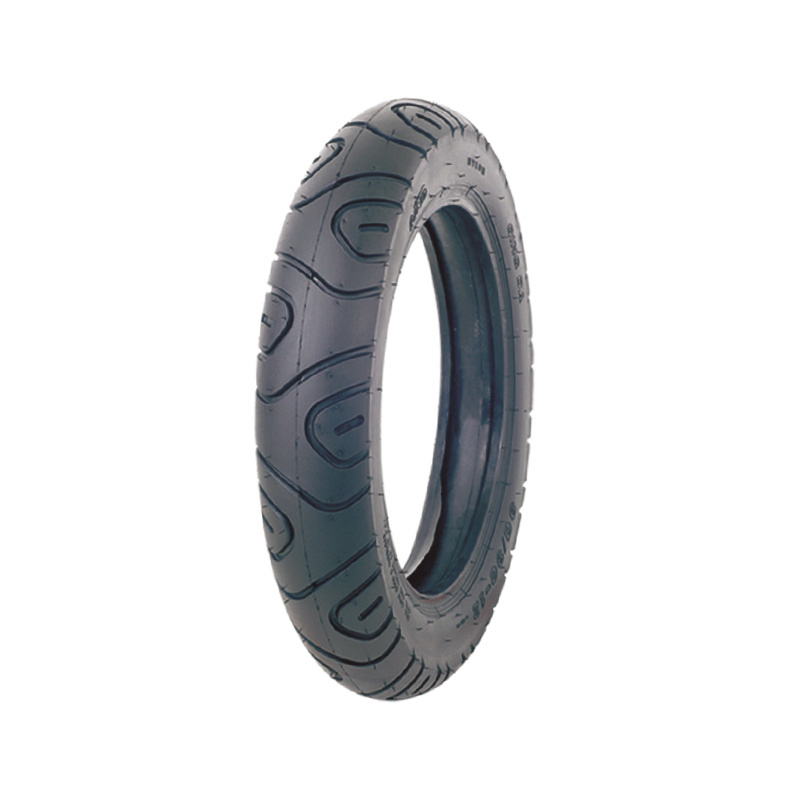
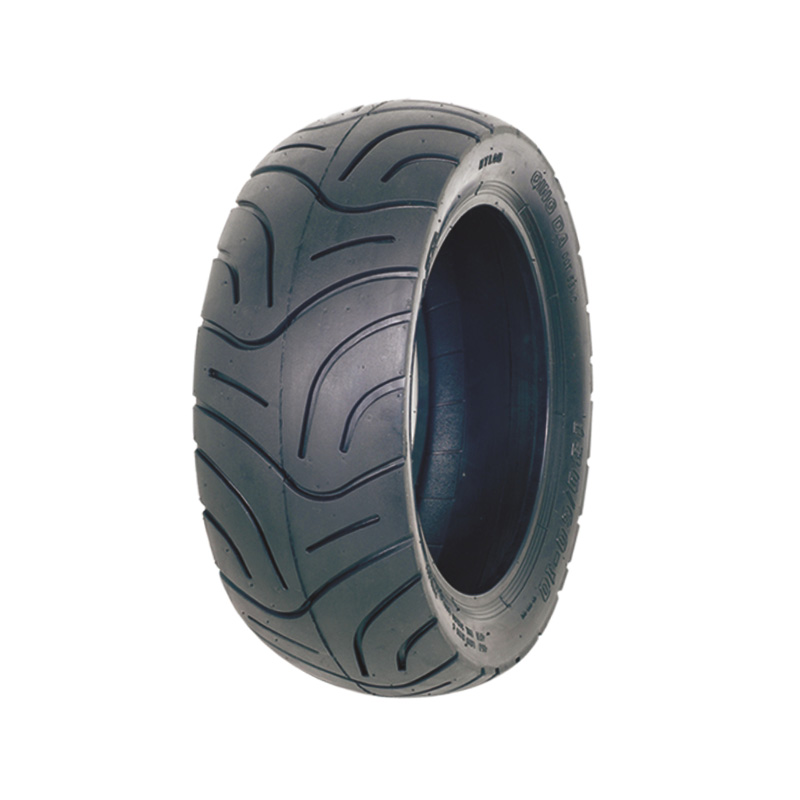
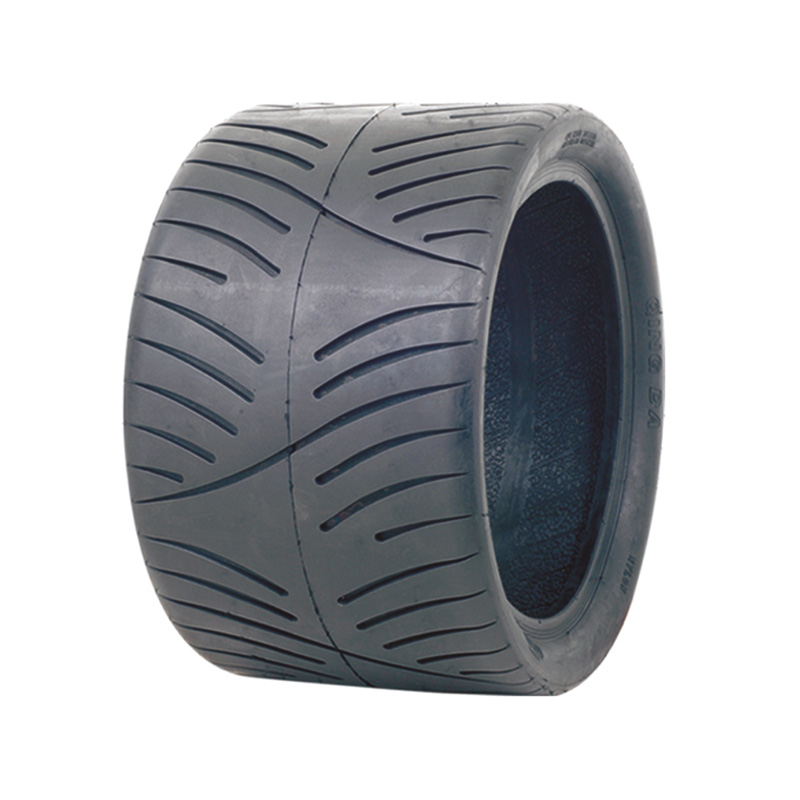
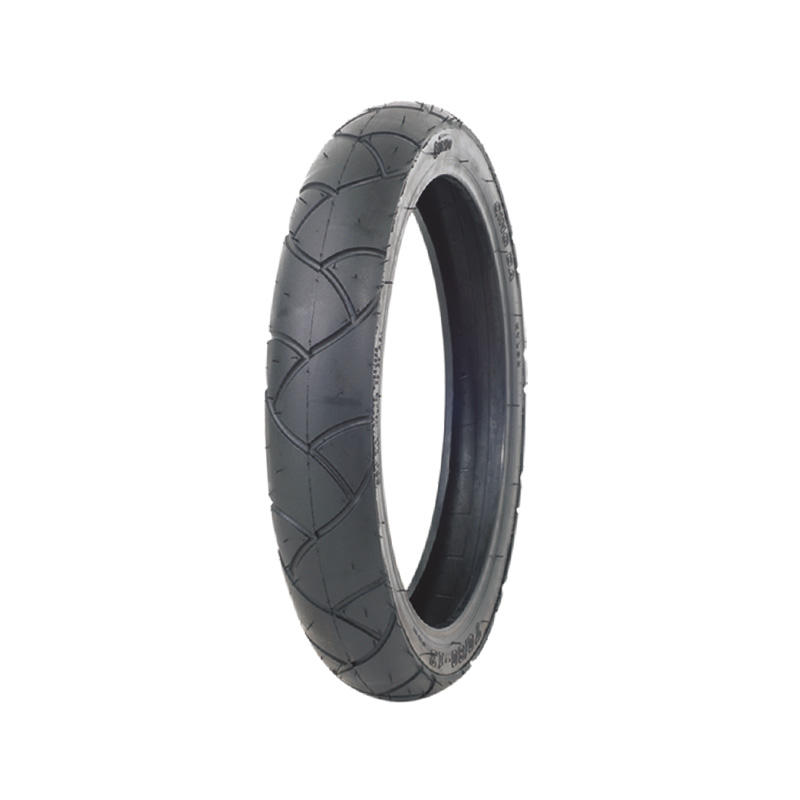
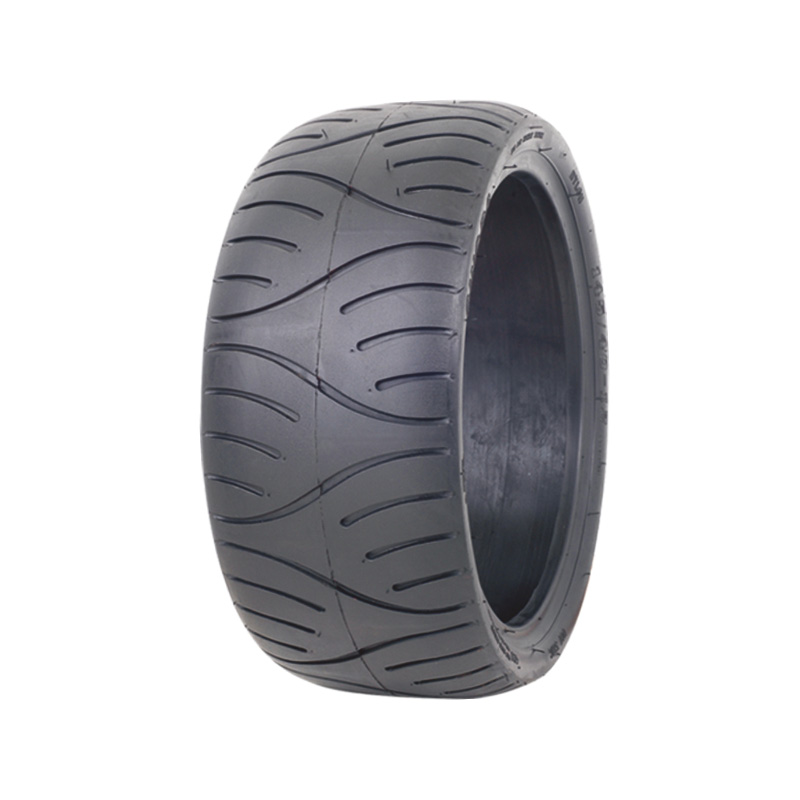
Motorcycle tires are pneumatic rubber tires specifically designed for two-wheeled (or three-wheeled) motor vehicles, and they differ fundamentally from car tires in structure and performance requirements: Motorcycles rely on leaning to corner, and the tire's crown radius directly determines cornering stability; simultaneously, the weight distribution between the front and rear wheels differs (the front wheel bears approximately 70% of the braking force), requiring dedicated tires with different designs for both front and rear wheels, and they are not interchangeable.
Motorcycle tires are not interchangeable: the front tire design prioritizes steering response and braking stability (narrower crown, larger crown radius), while the rear tire prioritizes traction and load-bearing capacity (wider crown, even wear distribution is more important). When purchasing, the front (F) and rear (R) tire specifications must be specified separately.
Main B2B Application Scenarios for Motorcycle Tires
Food delivery and instant delivery platforms
Contracted rider fleets or franchisees, each scooter/electric motorcycle travels an average of 80–150 km per day. Tires are the fastest-wearing consumable part, with rear tires typically needing replacement every 3–6 months. Platform operators or franchisees tend to centralize bulk purchases to ensure consistent pricing and quality standards.
- Purchase Requirements: 3.00-10 / 3.50-10 / 90/90-10, tubeless, abrasion resistance grade preferred, single purchase quantity 200–2,000 tires.
Police Motorcycle Squads
Police motorcycles used by traffic police and special police motorcycle squads, such as the BMW R1300GS Police and Honda ST1300P, have strict regulations regarding tire straight-line stability, wet braking distance, and lifespan. Procurement must go through a government bidding process and requires complete certification documents and test reports.
- Recommended: Sport touring tires, DOT certified, 120/70 ZR17 + 180/55 ZR17, type test report required.
Event Operations and Team Management
Motorcycle championship, endurance race, and motocross rally teams and event organizers need to purchase racing and practice tires in bulk. Racing tires have a short lifespan (2-4 rear tires consumed per race), and the tire budget for each season often exceeds the total budget for other components.
- Recommended: Ultra-sport tires or motocross-specific tires, locking in prices and inventory in advance for the season.
Why Centralize Motorcycle Tire Procurement from Professional Suppliers?
1. Extremely Fragmented SKUs, Requires Professional Database for Selection
Motorcycle tire specifications exceed 800 mainstream SKUs. For the same outer diameter, there are metric, imperial, and mixed marking methods. Front and rear tires of the same specification are not interchangeable, and differences in tread curvature between different brands of the same specification can affect handling.
2. Safety is directly linked to brand responsibility; quality certification is a mandatory requirement
Motorcycle tires are a critical component directly affecting driving safety. In the event of an accident caused by tire quality issues, dealers and leasing companies in the supply chain may bear joint legal responsibility.
3. High-frequency consumption in food delivery and distribution scenarios brings considerable bulk pricing potential
Taking urban food delivery electric motorcycles as an example, a single vehicle consumes 2-4 rear tires annually, and a franchise station with 100 vehicles consumes over 300 rear tires annually. Bulk purchasing from suppliers through annual framework agreements typically saves 20-35% on procurement costs compared to piecemeal purchases (the exact percentage depends on the brand and specifications), while locking in prices to avoid peak season markups.
4. OEM whole-motorcycle export certification requirements must be addressed at the supply chain source
Motorcycles exported to the EU must pass WVTA (Whole Vehicle Type Approval). The brand and specifications of the tires must be listed in the certification application. Once certified, tire suppliers cannot be changed arbitrarily; otherwise, recertification is required.
5. A clear market growth trend; securing supply relationships early provides a competitive advantage
The global motorcycle market (especially in Southeast Asia, Africa, and Latin America) continues to grow, and the booming electric two-wheeler market is further driving demand for urban commuter tires.
Common Procurement Questions (FAQ)
Why can't motorcycle front and rear tires be interchanged? How to correctly distinguish them during procurement?
Motorcycle front and rear tires have fundamental design differences and are not interchangeable:
- Front Tire: Has a larger (more "rounded") tread radius, designed for steering precision and braking stability. The tread pattern is primarily composed of longitudinal drainage grooves to prevent skidding during braking.
- Rear Tire: Has a relatively flat tread with a wider contact surface, designed for acceleration grip, lateral stability, and even wear. The tread pattern is relatively denser in the central area.
Mounting the rear tire in the front position will result in sluggish steering, instability during cornering, and in extreme cases, rollover. Identification methods during procurement: Check the tire sidewall markings; legitimate products will have "FRONT" (front) or "REAR" (rear) printed on them. Some product models directly include the "F/R" suffix (e.g., Michelin Pilot Road 5 Front / Rear). If purchasing by size number, be sure to check the compatibility chart to confirm whether it is a front or rear tire size. Front and rear tires with the same outer diameter usually have different cross-section widths (narrower front, wider rear).
What is the difference between tubed and tubeless motorcycle tires? Can they be used interchangeably?
The difference lies not only in the presence or absence of a tube, but also in the rim structure:
- Tubed (with inner tube): The rim is a spoked rim, with spokes passing through the inner wall of the rim. Air tightness is achieved through the inner tube. This structure is commonly used on off-road motorcycles and retro-style models.
- Tubeless: The rim is a one-piece cast aluminum alloy or steel rim. The rim and tire bead are directly sealed with air, without spoke holes; air tightness is ensured by the tire itself. This structure is the mainstream for road bikes and scooters.
Do not mix and match: Tubeless tires cannot maintain an airtight seal when mounted on rims with spoke holes, resulting in continuous air leakage. Tubed tires (without an inner tube) can be inflated when mounted on tubeless rims, but due to the imprecise fit between the tire bead and the rim, air tightness is unreliable at high speeds, posing a safety risk. When purchasing, the rim type must be specified, and a tire with the corresponding design must be selected.
How to check the production date of motorcycle tires? How long should stored tires not be used?
- How to check: The last four digits of the DOT code on the sidewall of the motorcycle tire indicate the production date. The first two digits represent the week of production, and the last two digits represent the year. For example, "2423" represents the 24th week of 2023 (i.e., early June 2023). Tires without a DOT code (such as those intended for domestic sale only) usually have a production date stamped on the sidewall.
- Recommended service life: Most motorcycle tire manufacturers (including Michelin, Pirelli, and Dunlop) recommend that tires be installed within 5 years of production and ridden for no more than 10 years after installation (regardless of wear). New tires older than 5 years should be inspected for sidewall cracks before installation; if even minor cracks are found, the tire should be rejected.
B2B procurement contracts should ideally stipulate that the tire production date is no more than 12 months from the shipment date (or as agreed upon by both parties) to avoid receiving old, stockpiled inventory.


 English
 中文简体
中文简体
 Español