English
 中文简体
中文简体
 Español
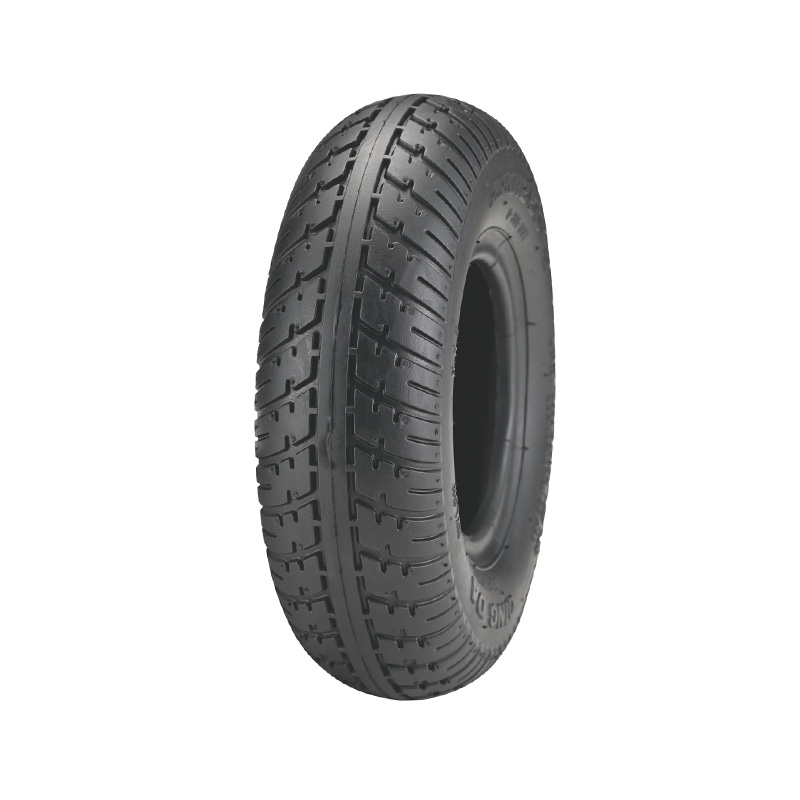
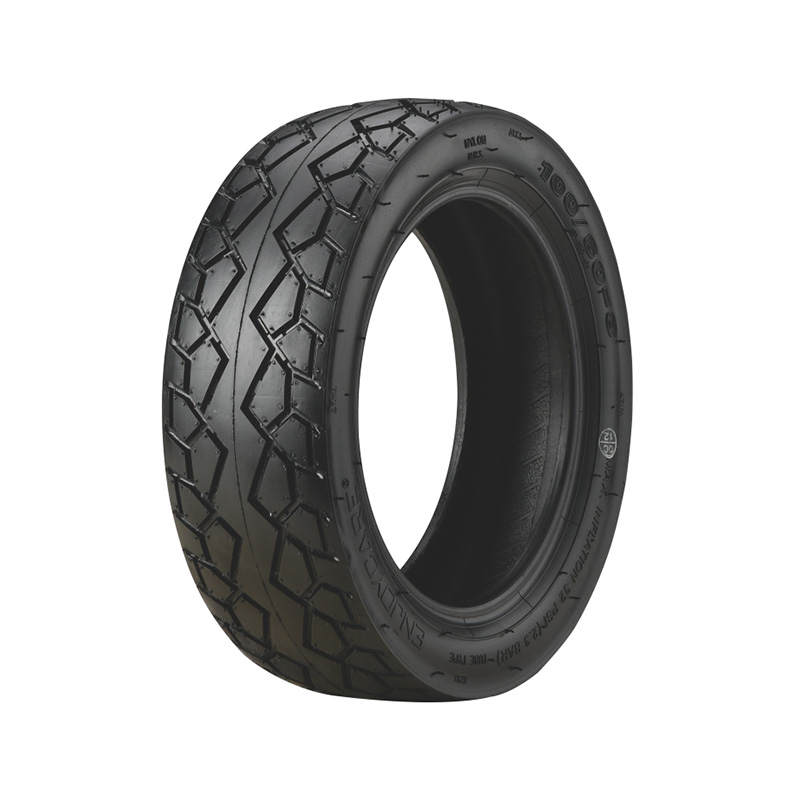
Q-105 TT 4P.R Electric Scooter Tyres
| Size | Type | P.R. | Max Infl(P.S.I./KPA) | Load(LBS/KGS) | OD(IN/MM) | SW(IN/MM) | Rim Type | Remark | LCI/SI |
| 8 1/2×2 | TT | 4 | 36/250 | 110/50 | 8.5/216 | 2.0/50 | 5.5×1.10 | ||
| 100/60-8 | TT | 4 | 36/250 | 220/100 | 12.8/325 | 3.8/97 | 8×2.50 |
Scooter tyres are designed for electric and manual scooters, suitable for short-distance travel and daily commuting in cities. Qingda brand scooter tyres are compact, with excellent flexibility and handling performance, and can easily cope with various turning and braking needs on city streets. The tyres are made of wear-resistant rubber material to increase service life and are suitable for long-term riding on flat roads. Some models are equipped with shock-absorbing design to effectively reduce vibration during driving and improve riding comfort. Qingda pays attention to the safety and stability of its products to ensure that the tyres maintain a stable driving performance while carrying weight. Whether it is commuting, leisure or short-distance travel, Qingda scooter tyres can bring users reliable performance support and are an ideal choice for urban mobile life.
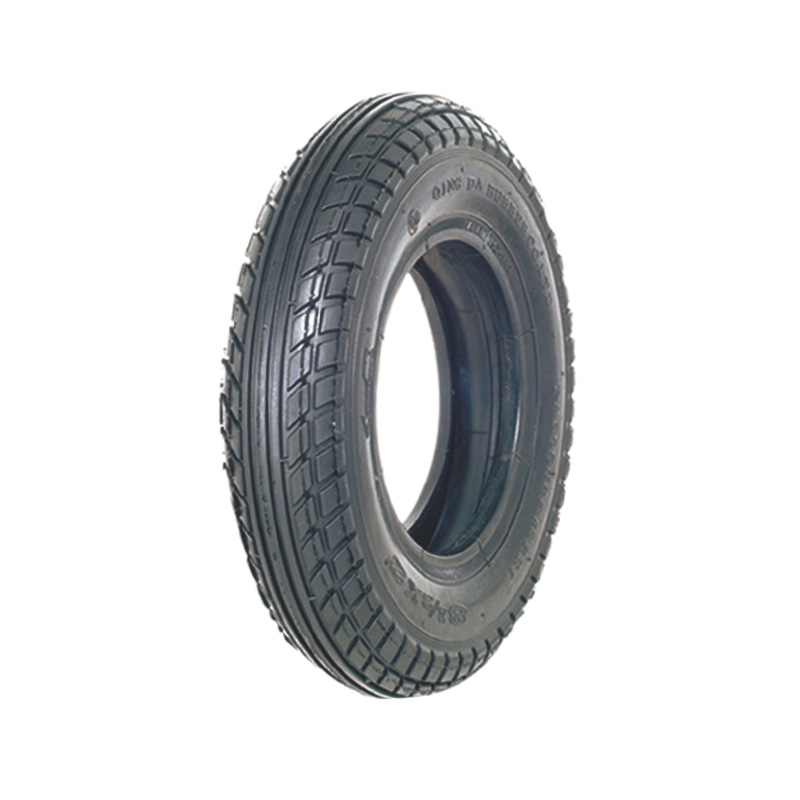
| Size | Type | P.R. | Max Infl(P.S.I./KPA) | Load(LBS/KGS) | OD(IN/MM) | SW(IN/MM) | Rim Type | Remark | LCI/SI |
| 8 1/2×2 | TT | 4 | 36/250 | 110/50 | 8.5/216 | 2.0/50 | 5.5×1.10 | ||
| 100/60-8 | TT | 4 | 36/250 | 220/100 | 12.8/325 | 3.8/97 | 8×2.50 |
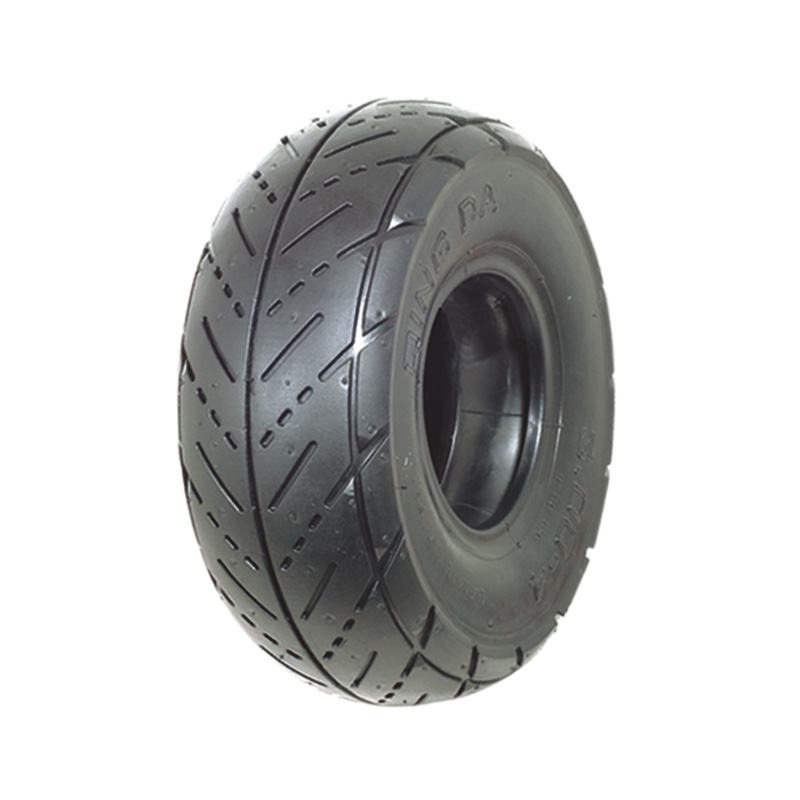
| Size | Type | P.R. | Max Infl(P.S.I./KPA) | Load(LBS/KGS) | OD(IN/MM) | SW(IN/MM) | Rim Type | Remark | LCI/SI |
| 3.00-4 | TT | 4 | 25/175 | 265/121 | 10.0/254 | 3.4/86 | 4×2.25 | E4-75R-0004033 | 35B |
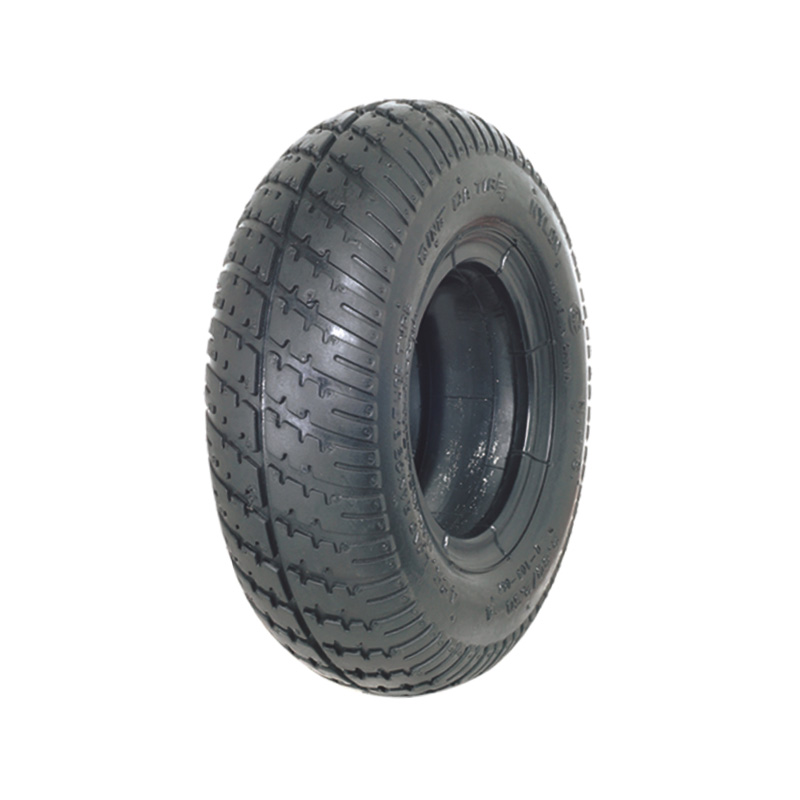
| Size | Type | P.R. | Max Infl(P.S.I./KPA) | Load(LBS/KGS) | OD(IN/MM) | SW(IN/MM) | Rim Type | Remark | LCI/SI |
| 2.80/2.50-4 | TT | 4 | 45/310 | 220/100 | 9.2/234 | 2.6/66 | 4×2.25 |
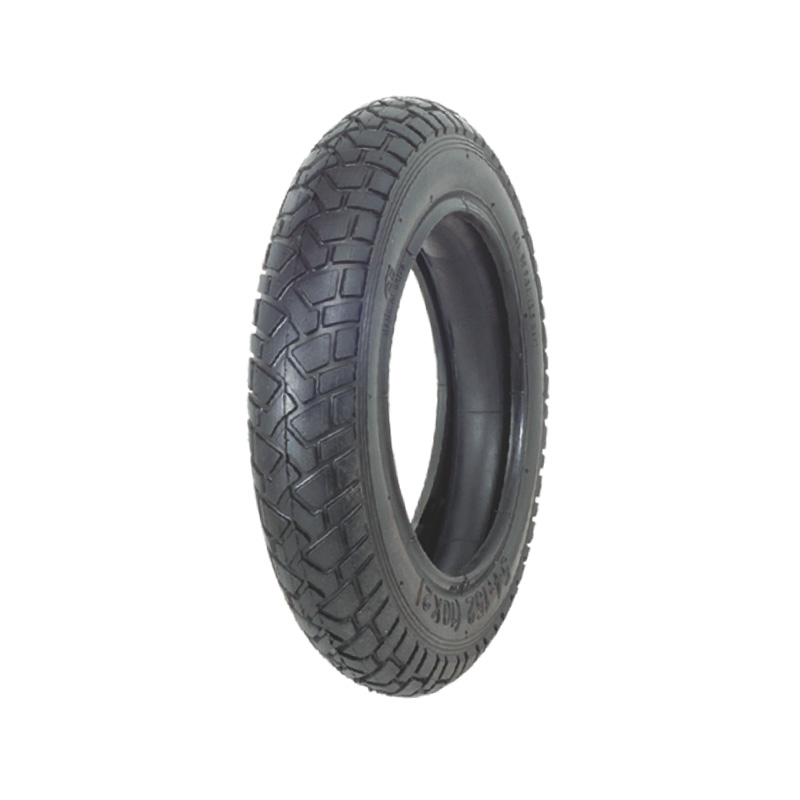
| Size | Type | P.R. | Max Infl(P.S.I./KPA) | Load(LBS/KGS) | OD(IN/MM) | SW(IN/MM) | Rim Type | Remark | LCI/SI |
| 10×2 | TT | 4 | 50/350 | 120/54.5 | 10.0/254 | 2.0/51 | 6×1.00 |
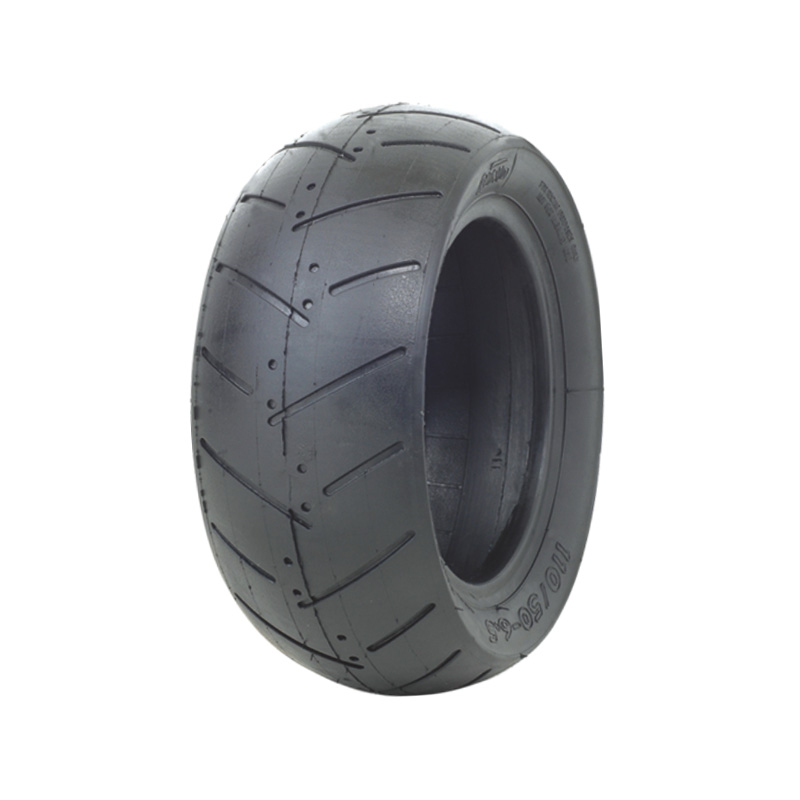
| Size | Type | P.R. | Max Infl(P.S.I./KPA) | Load(LBS/KGS) | OD(IN/MM) | SW(IN/MM) | Rim Type | Remark | LCI/SI |
| 90/65-6.5 | TT/TL | 4 | 50/350 | 420/190 | 11.0/279 | 3.6/91 | 6.5×2.50 | ||
| 110/50-6.5 | TT/TL | 4 | 40/280 | 440/200 | 11.0/280 | 4.1/105 | 6.5×3.00 |
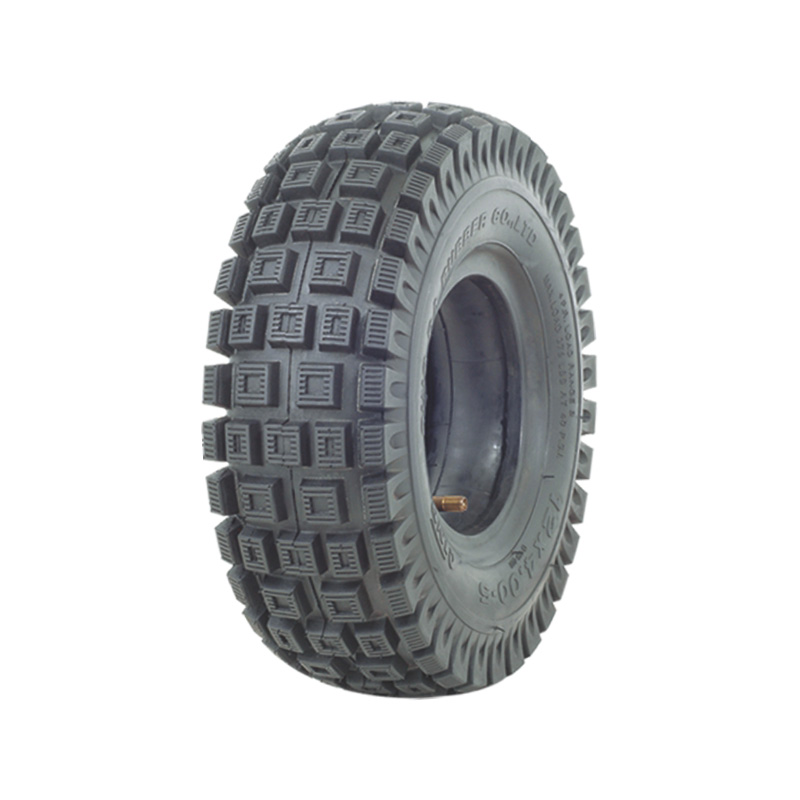
| Size | Type | P.R. | Max Infl(P.S.I./KPA) | Load(LBS/KGS) | OD(IN/MM) | SW(IN/MM) | Rim Type | Remark | LCI/SI |
| 3.00-4 | TT/TL | 4 | 25/175 | 265/121 | 10.3/262 | 3.5/88 | 4×2.25 | ||
| 12×4.00-5 | TT | 4 | 40/280 | 375/170 | 12.0/305 | 3.7/94 | 5×2.50 |
Zhejiang Qingda Rubber Co., Ltd. is a professional manufacturer of rubber tires and air springs in various specifications. Founded in 1992, the company is located in Chengxi New District, Yongkang City, covering a total area of over 70,000 square meters. Its location is convenient: approximately 1.5 kilometers east of the city center, 5 kilometers west of the Jinliwen Expressway entrance, and 1 kilometer north of National Highway 330 (Jinwen Highway).










Lawn mower tires play a quiet but important part in keeping grass neat and yards looking tidy. These specializ...
READ MOREIndustrial tyres are designed for machines that carry, move, lift, or transport heavy materials across factori...
READ MOREDesign Features That Match Field Conditions Agriculture tyres usually show deep, open tread patterns. The larg...
READ MORENobody thinks much about trailer tires until one blows out on the highway shoulder with a boat, camper, or loa...
READ MOREScooter tires are two-wheeled tires specifically designed for scooters, electric scooters, and mopeds. Unlike car tires, which prioritize high-speed cruising and long-distance comfort, scooter tires are designed for efficient urban commuting, safety on wet roads, maneuverability in tight spaces, and durability against frequent starts and stops and uneven surfaces.
Scooter tire specifications are similar to car tires, but significantly smaller, with rim diameters typically ranging from 8 to 16 inches, with 10-inch and 12-inch being the more common.
Core Structural Classifications: Bis-ply tires are the traditional scooter tire structure, featuring cross-ply cords, stiffer sidewalls, and lower cost, making them suitable for small to medium displacement scooters.
Radial tires are becoming increasingly popular in high-end scooters and electric scooters. Their cords are arranged at 90 degrees, with flexible sidewalls, a large contact patch, low rolling resistance, and better heat dissipation, making them particularly suitable for large displacement scooters and high-speed electric scooters.
Tubeless tires have become the market mainstream. They achieve tubeless inflation through a sealed structure between the tire bead and rim, resulting in slow air leakage during puncture rather than an instantaneous blowout. This significantly improves safety, and also offers better heat dissipation and lighter weight.
Tubed tires still exist in some older models and the economy car market. They experience instantaneous and complete loss of pressure during puncture, making repairs relatively simple but less safe.
1. Scooter Manufacturers and OEM Suppliers
Schooter manufacturers are the largest bulk purchasers of tires. Taking the Indian market as an example, mainstream 125cc scooters such as the Honda Dio 125 and Activa 125 come standard with MRF Zapper tubeless tires. These are 12-inch front and 10-inch rear tires, featuring a large contact patch design and extended shoulders, balancing aesthetics and low-speed grip.
2. Motorcycle Parts Distributors and Repair Shops
Distributors and repair shops covering the aftermarket need:
3. Shared Mobility and Rental Fleet Operators
Tire consumption for shared electric scooter and scooter rental operators is extremely high:
1. Full-size and full-type coverage, precisely matching vehicle platforms
Our product line covers a full range of scooter tires with rims from 8 inches to 16 inches:
2. Precise Load and Speed Matching Service
The load index and speed rating of scooter tires must strictly match the vehicle parameters. We offer professional matching based on the following factors:
3. Tire pressure management technical support
Correct tire pressure directly affects tire life, fuel/electricity consumption, and safety:
4. Fleet Operational Cost Optimization
5. Supply Chain Stability
Q1: What does "90/90-12" mean on scooter tires? How to read tire sidewall markings?
A: This is the international standard tire size marking system. Taking "90/90-12" as an example, let's break it down: The first "90" represents the tire cross-section width of 90 mm. The second "90" represents the aspect ratio, meaning the sidewall height is 90% of the width, so the sidewall height is approximately 81 mm. "12" represents the rim diameter of 12 inches. A complete marking usually also includes the load index and speed symbol, for example, in "90/90-12 50J", 50 is the load index (corresponding to 200 kg), and J is the speed symbol (maximum 100 km/h).
In addition, "TL" indicates tubeless, and "TT" indicates tubed. Ply ratings such as "4PR" or "6PR" indicate tire strength; the higher the number, the stronger the load capacity.
Q2: Is there a big difference between bias-ply and radial tires on scooters? Is it worth upgrading?
A: For small-to-medium displacement scooters (110cc-150cc), bias-ply tires are sufficient for daily commuting needs and are more cost-effective. Radial tires offer the following advantages: better high-speed stability (suitable for large-displacement sport scooters and high-speed electric scooters); lower rolling resistance, resulting in better fuel/electricity efficiency; better heat dissipation, suitable for long-distance riding; and more flexible sidewalls for greater ride comfort.
However, radial tires are typically 30-50% more expensive than bias-ply tires. If your vehicle's maximum speed does not exceed 80 km/h and is mainly used for short-distance urban commuting, bias-ply tires offer better value; if your vehicle has a larger displacement, is frequently driven at high speeds, or is used for commercial operations, the long-term benefits of radial tires are more significant.
Q3: What are the risks of tires with poor wet grip? How can I identify tires with good wet performance?
A: Tires with poor wet grip significantly increase braking distance in rainy weather and are prone to skidding in corners, which is one of the main causes of scooter accidents.
To identify tires with good wet performance, look for the following characteristics: high silica content rubber compound, where silica replaces some carbon black to maintain grip on wet surfaces; deep grooves and sipes for rapid water drainage and increased micro-grip edges; directional tread pattern to guide water flow to the sides of the tire; ECE wet grip certification or a manufacturer's explicit wet performance label.
Have any question ?