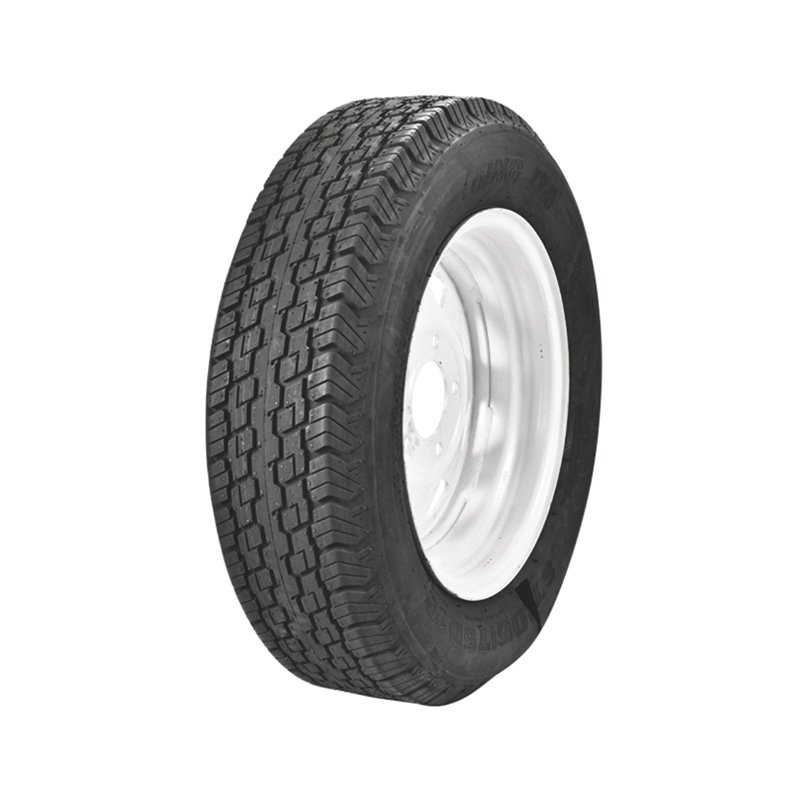
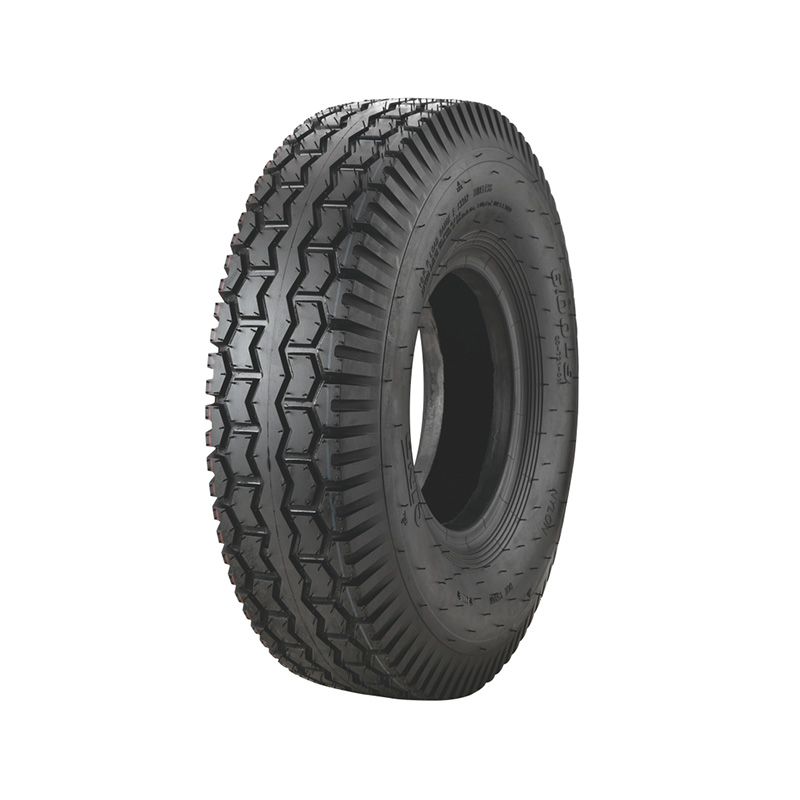
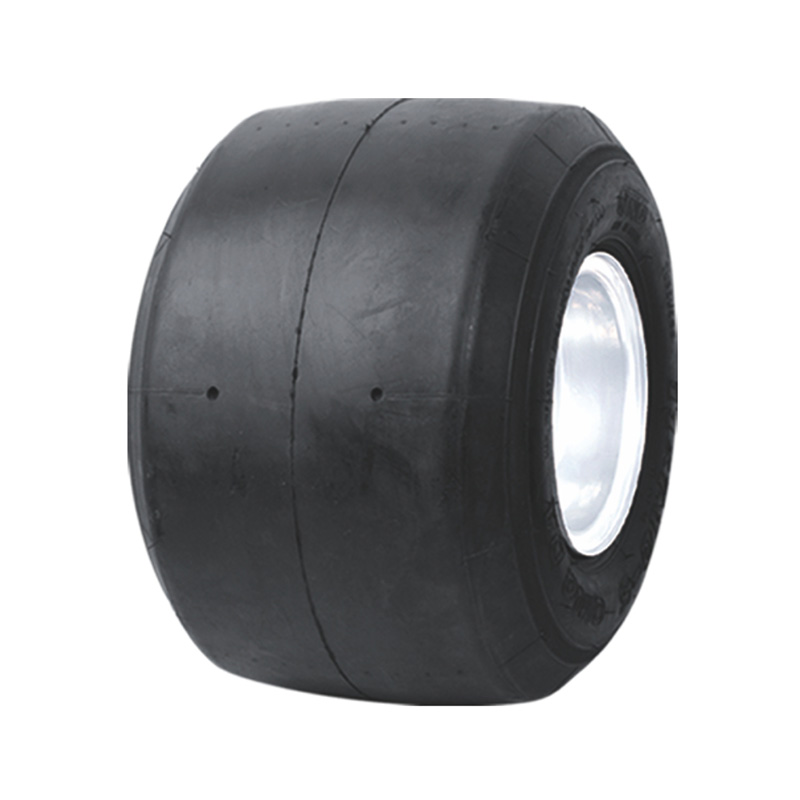
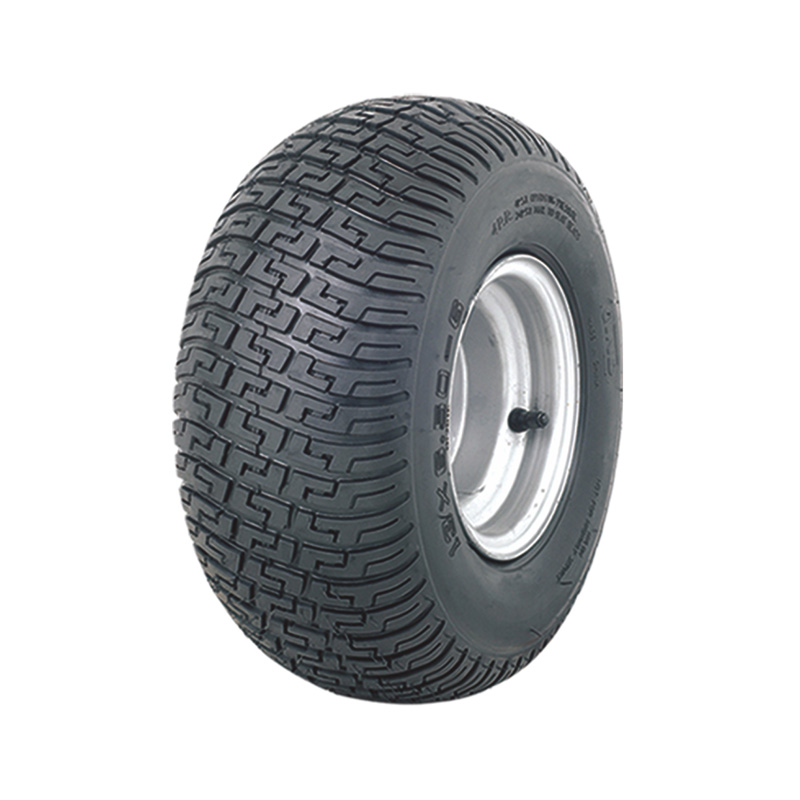
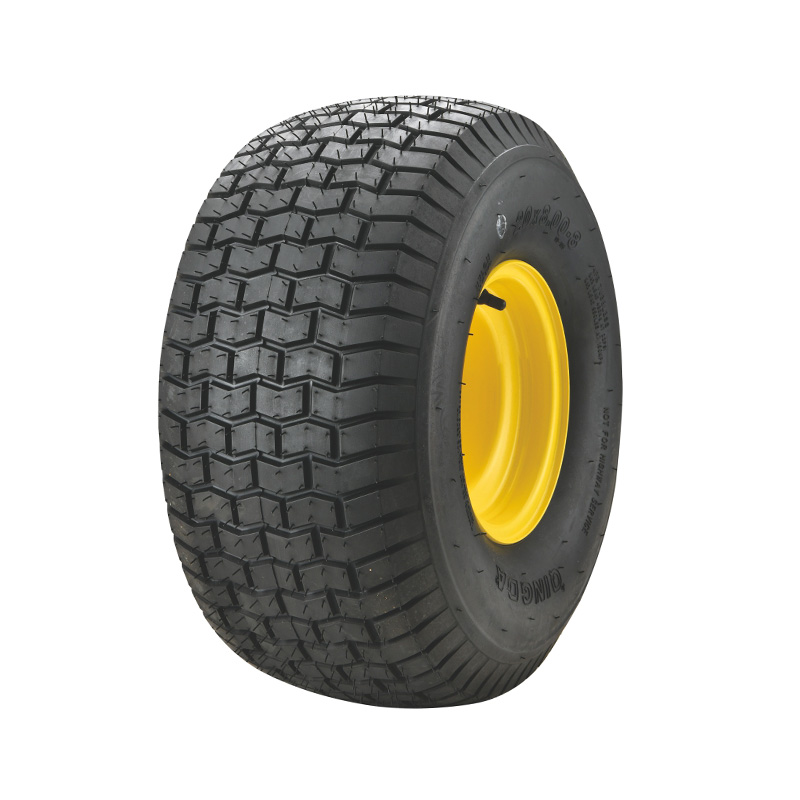
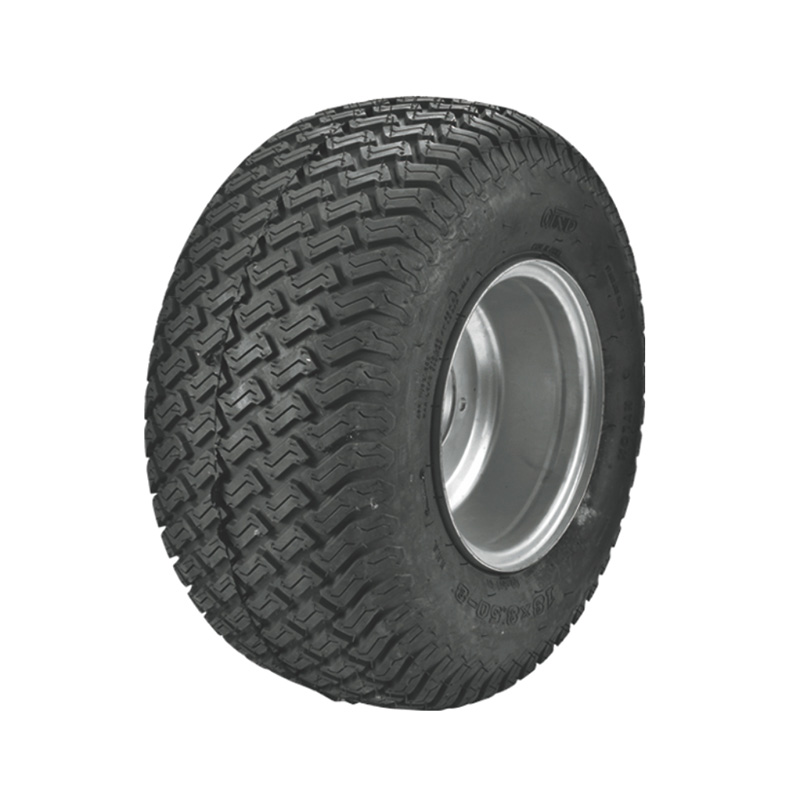
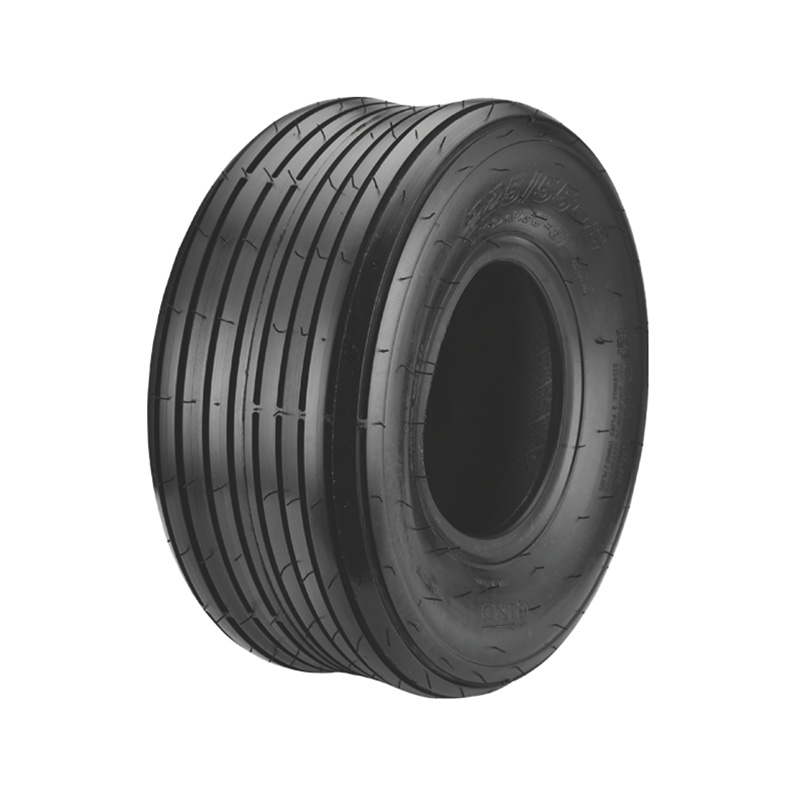
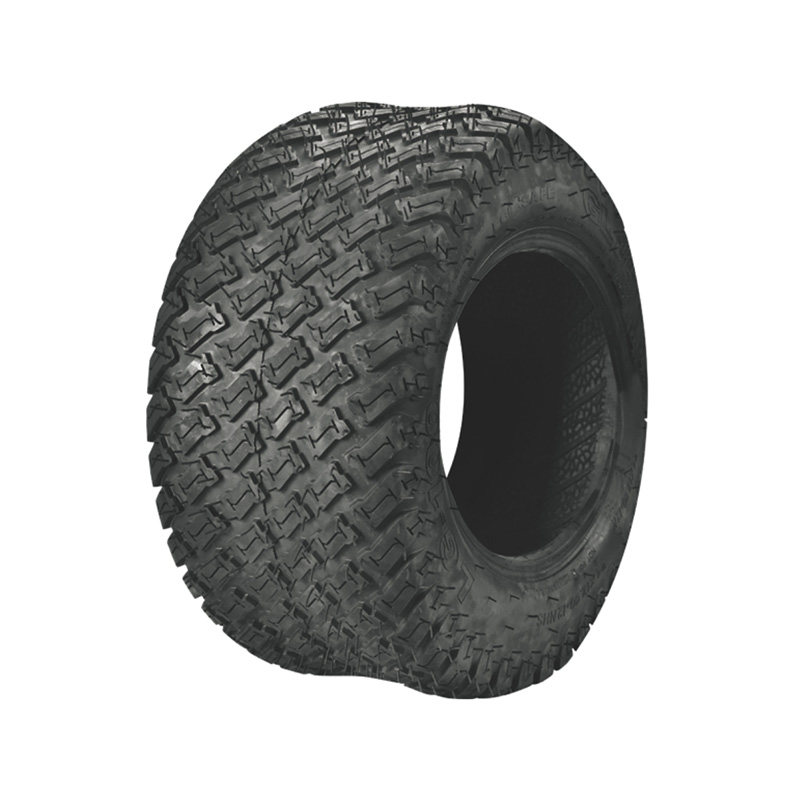
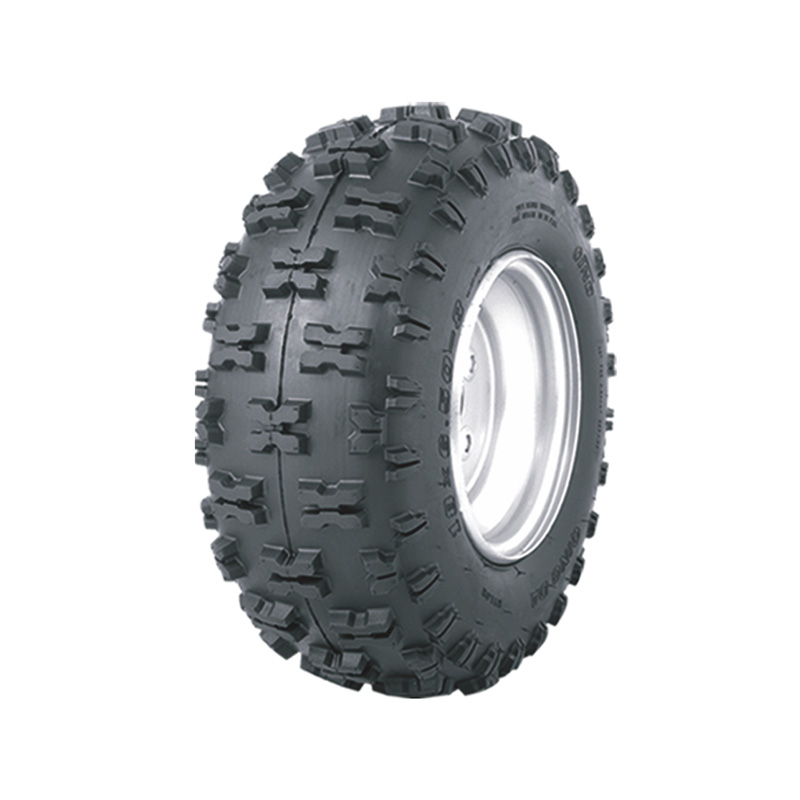
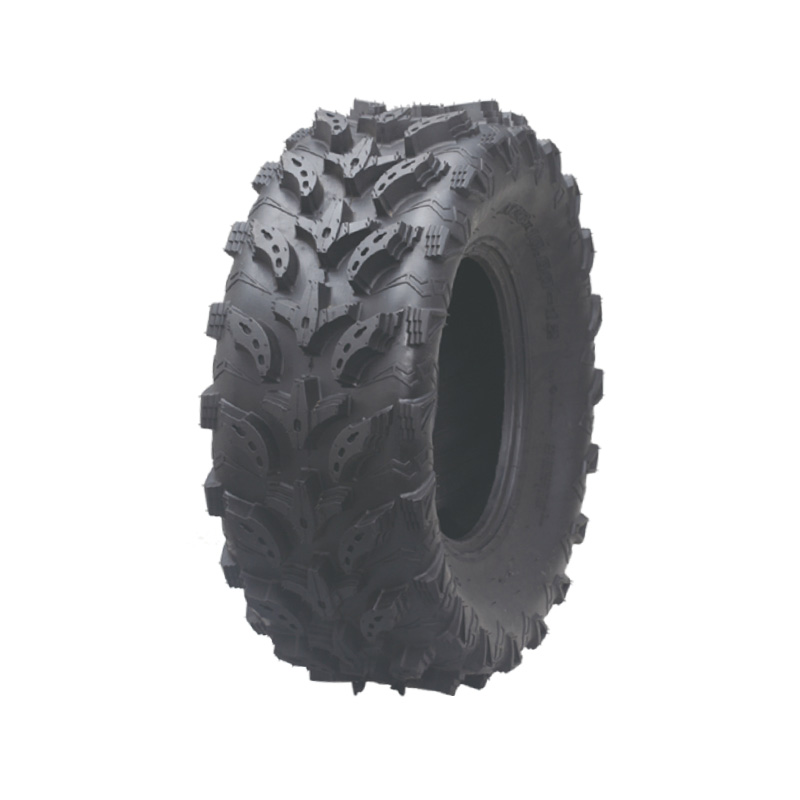
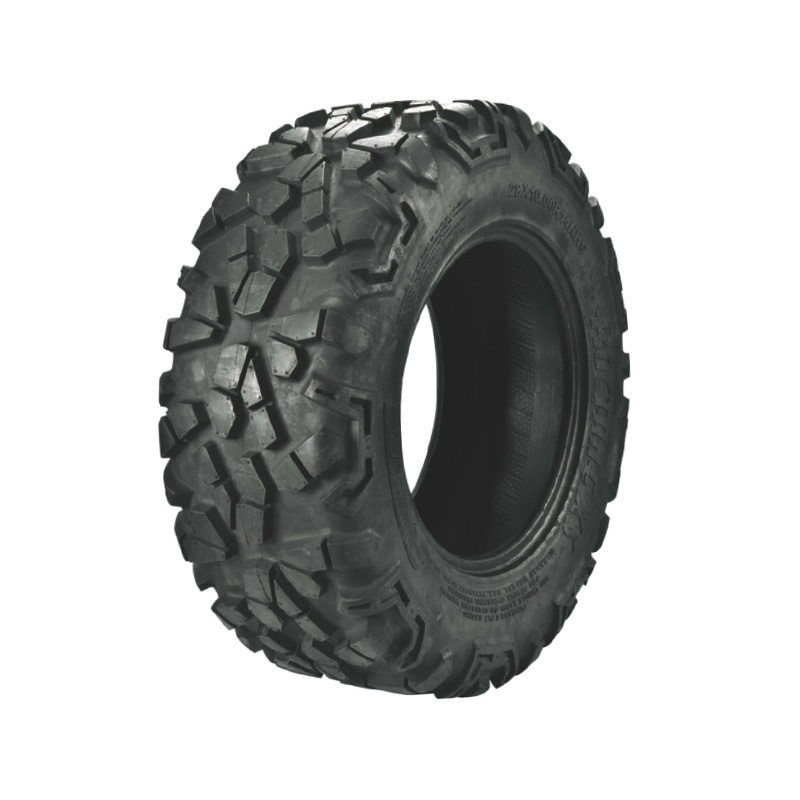
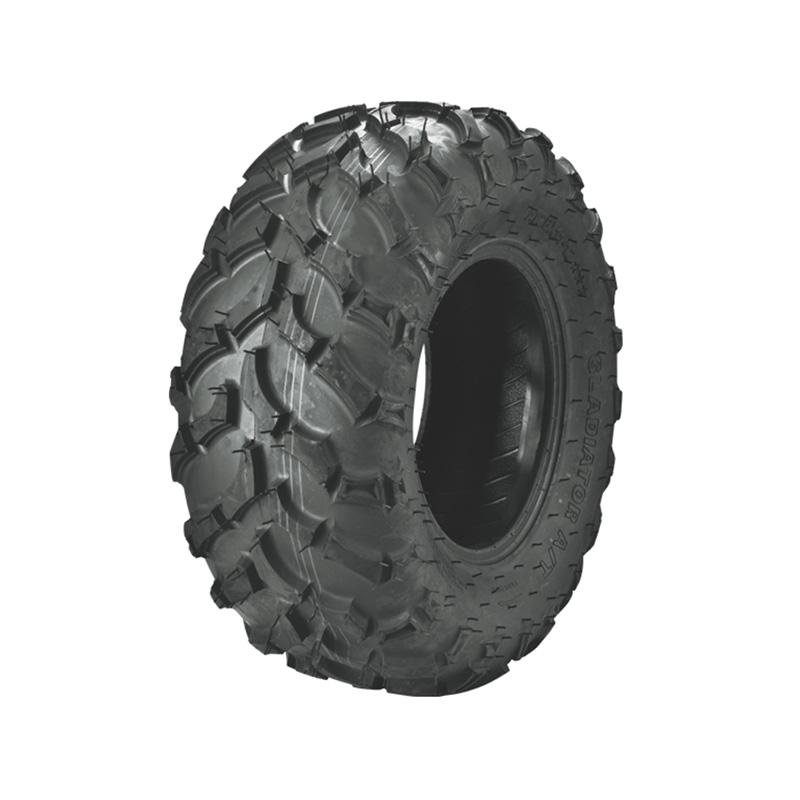
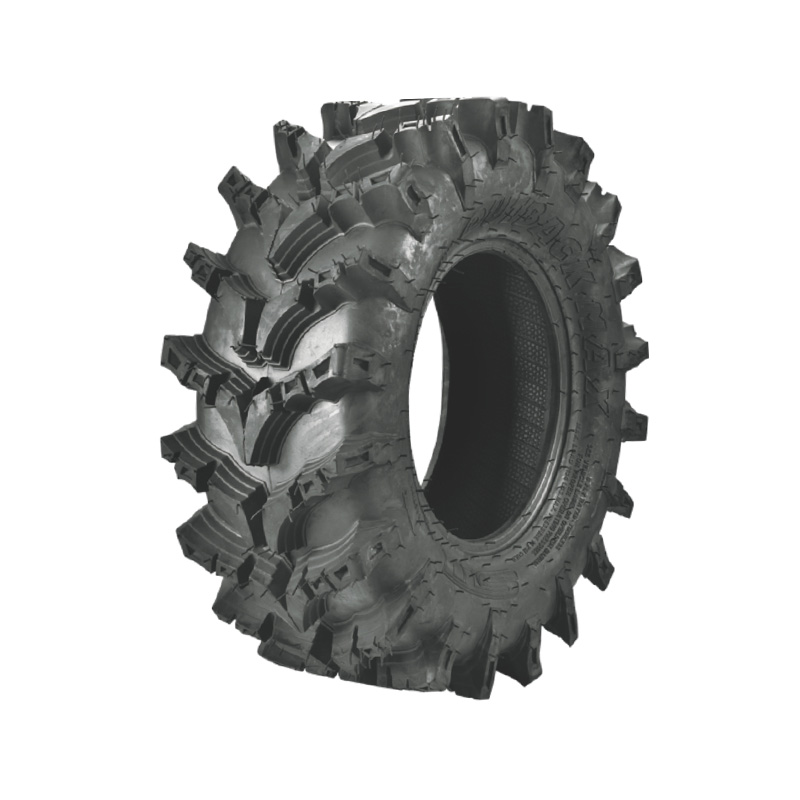
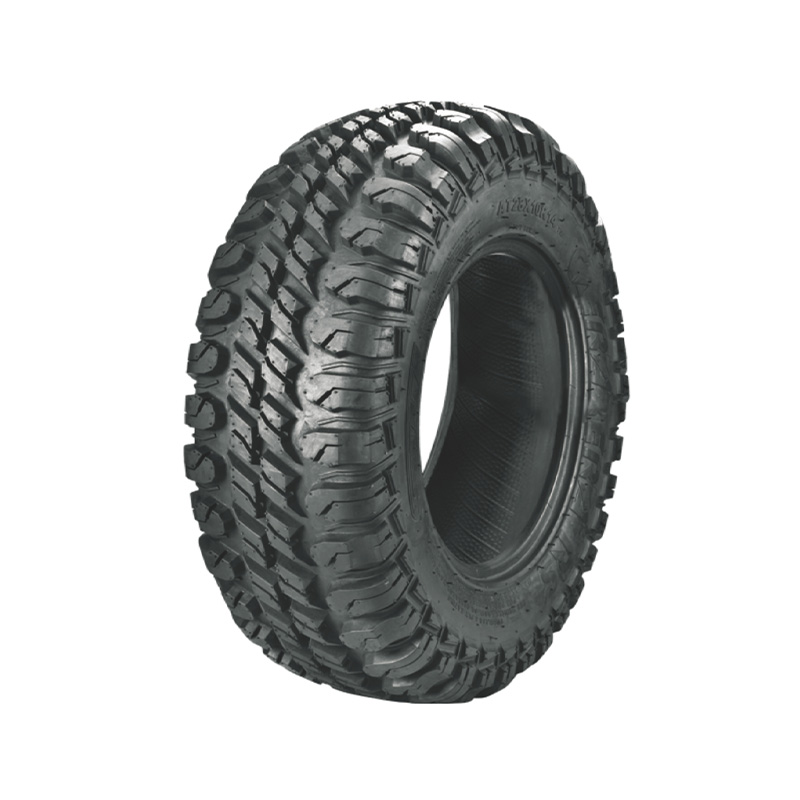
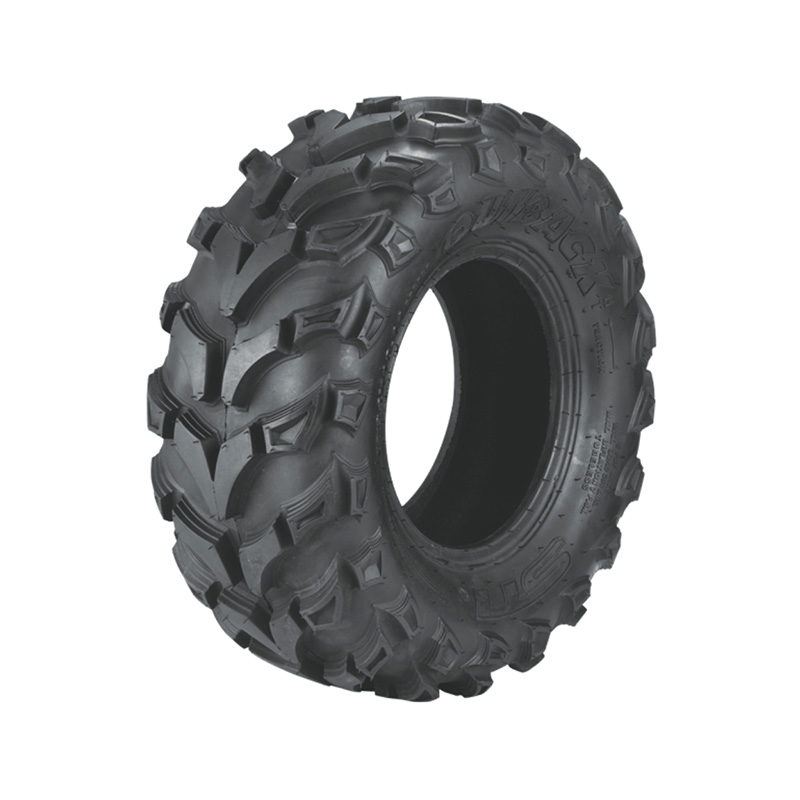
Industrial rubber tires are specialized tires designed and manufactured for forklifts, loaders, mining vehicles, tractors, and various material handling equipment. They differ fundamentally from ordinary passenger car tires in structure, materials, and performance. Industrial tires typically need to withstand heavier static loads, frequent start-stop impacts, and punctures from sharp objects, thus requiring strict specifications for rubber compound, ply count, and sidewall thickness.
The load index of industrial rubber tires typically ranges from A (maximum 1,000 kg per axle) to H (over 5,000 kg), with specific selection depending on the vehicle's rated load, track width, and usage frequency.
Main application scenarios for industrial rubber tires
Warehousing and logistics centers
Electric forklifts and counterbalance forklifts operate for extended periods on smooth concrete surfaces, requiring tires with low rolling resistance and no black marks left on the surface.
- Common specifications: 6.00-9, 7.00-12, 8.25-15 solid tires, non-marking compound.
- Heavy industrial plants: Steel mills, foundries, etc., with metal shavings, high-temperature surfaces, and loads, require cut-resistant and high-temperature-resistant rubber compounds.
- Common type: Extra-thick sidewall solid tires, Shore A 60-70 hardness, suitable for working conditions.
Mines and quarries
Unpaved roads, gravel, slopes, and other terrains require tires with deep treads, superior tear resistance, and high-load capacity.
- Common specifications: 23.5-25, 26.5-25 E4/L5 tread pattern, conforming to TRA/ETRTO standards.
- Ports and docks: Container straddle carriers, reach stackers, and other equipment weighing over 60 tons, with intensive operating cycles, require tires with extremely high heat resistance and load capacity.
- Typical Applications: Oversized pneumatic or inflatable tires, load index ≥200
Agricultural and Horticultural Machinery
Tractors and combine harvesters operate in muddy fields, requiring large contact area, deep self-cleaning tread patterns, and low soil compressibility.
- Common Specifications: 12.4-28, 13.6-38 R1 tread pattern agricultural tires
- AGVs / Automated Vehicles: Automated Guided Vehicles require tires with high dimensional consistency, controllable conductivity (anti-static or conductive), and no deformation throughout their lifespan.
- Commonly Used: Solid polyurethane wheels, conductive (ESD) compound
Why Choose a Professional Industrial Rubber Tire Supplier?
1. Reduced Equipment Downtime Costs (Total Cost of Ownership)
In industrial settings, the direct and indirect losses (waiting time, delayed goods, maintenance) per hour of forklift downtime often far exceed the price of the tires themselves. Using high abrasion resistance (≥300%, refer to DIN 53516) solid tires can extend the average lifespan of ordinary tires by 2–3 times, resulting in lower overall costs over the entire lifespan.
2. Meets Safety and Compliance Requirements
EU CE certification (Machinery Directive 2006/42/EC) and OSHA workplace safety standards have clear requirements for the load-bearing capacity and wear limits of industrial vehicle tires. Purchasing certified industrial tires can reduce legal risks and insurance costs associated with workplace accidents.
3. Customized Specifications for Special Working Conditions
Standard catalog models cannot cover all equipment models, especially non-standard sized older equipment or imported special vehicles. Professional suppliers can provide mold customization or small-batch development services, with an MOQ typically of 200–500 tires and a time of 45–90 days.
4. Centralized Procurement Reduces Supply Chain Complexity
Large manufacturing customers operate multiple types of vehicles such as forklifts, flatbed trucks, and tractors. Centralized procurement from a single industrial tire supplier simplifies SKU management, standardizes payment terms, and secures more favorable annual framework contract prices.
5. Technical Selection Support, Reducing Trial and Error Costs
Incorrect industrial tire selection (such as excessive hardness causing ground damage, or incorrect tread pattern to slippage) directly impacts operational safety and efficiency. Professional suppliers provide selection consultation based on equipment model, load capacity, ground type, and usage intensity, avoiding procurement errors.
Frequently Asked Questions
Which is better for my forklift: solid tires or pneumatic tires?
It mainly depends on the operating environment. If the forklift operates on smooth indoor concrete floors, solid tires are the preferred choice—zero risk of tire blowout, maintenance-free, and long service life (typically 2,000–4,000 hours). If the forklift needs to operate outdoors on uneven surfaces, ramps, or soft ground, pneumatic tires offer better shock absorption, driving comfort, and grip.
What are Non-marking tires? Are they mandatory in the food/pharmaceutical industry?
Standard rubber tires use carbon black as a reinforcing filler, leaving black wheel marks on light-colored surfaces. Non-marking tires use silica (white carbon black) or other light-colored fillers, resulting in a grayish-white appearance and no markings. Non-marking tires are essential in environments with high cleanliness requirements, such as food processing, pharmaceutical cleanrooms, precision electronics workshops, and hospital logistics.
Note: Non-marking tires have slightly lower wear resistance and tear resistance than standard black tires; this must be considered when selecting a tire.
How to determine when industrial tires need replacement?
- Solid tires: These have safety lines on the sidewall. Replacement is necessary when wear reaches these lines, as the sidewall thickness is insufficient to support the load. Also check for cracks, cuts, or partial peeling.
- Pneumatic tires: Refer to the wear indicator. Replacement is required when the remaining tread depth is less than 1.6 mm (industrial standards typically require ≥ 3–4 mm). Also check for bulges on the sidewall and exposed cords.


 English
 中文简体
中文简体
 Español